


What is the tx dmv scam text and How Does it Work?
At its core, a tx dmv scam text is a form of "smishing"—which is just a fancy word for SMS phishing. It is a digital trap set by cybercriminals who want to harvest your most sensitive data. These scammers send out thousands of text messages simultaneously, hoping to catch a few worried drivers off guard.
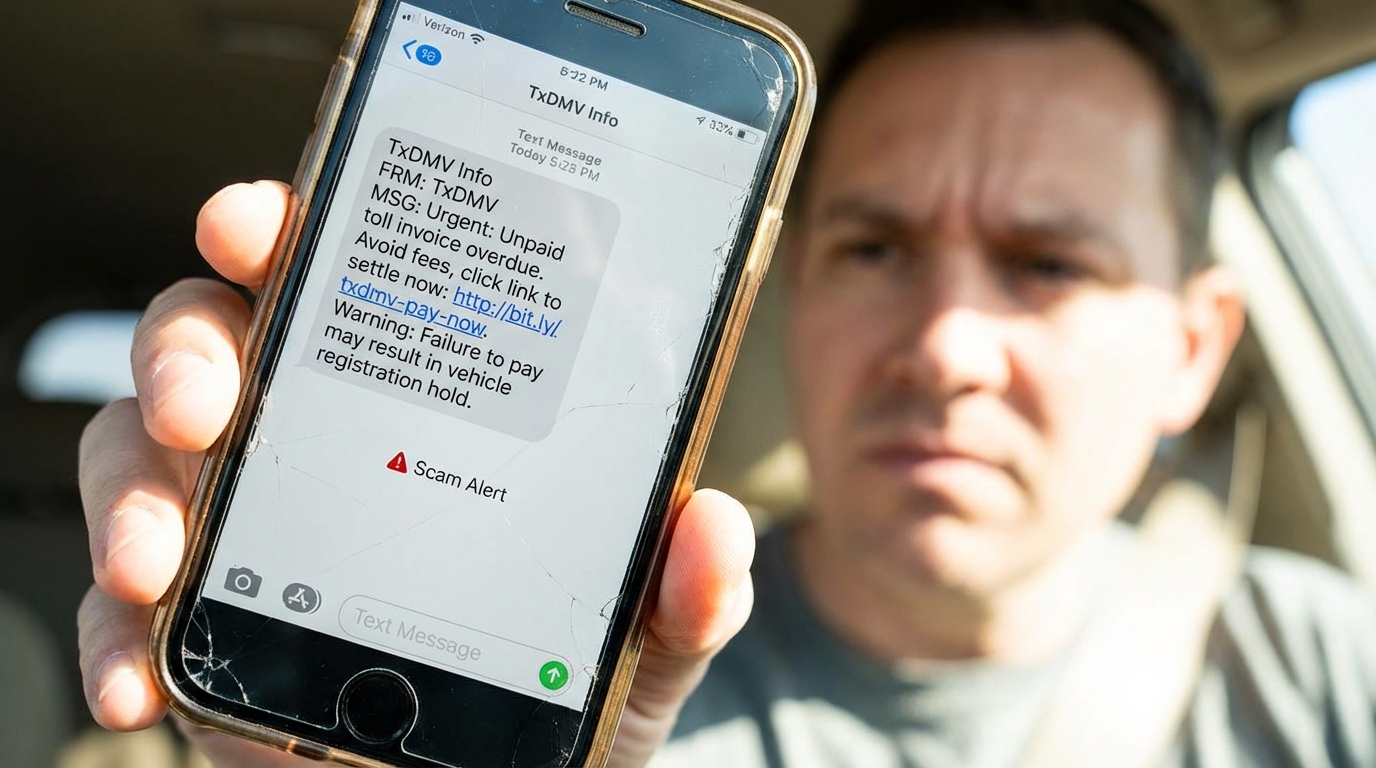
The process usually follows a predictable, albeit scary, pattern. You receive a text message that looks official. It might use the logo of the Texas Department of Motor Vehicles or mention specific Texas statutes to sound legitimate. The message will claim that you have an outstanding balance for a traffic violation, an unpaid toll, or a "registration inconsistency."

To solve this "problem," the text provides a link. If you click that link, you are redirected to a phony website that looks remarkably like a government portal. Once there, you'll be asked to provide:
- Your full name and date of birth
- Your Social Security number
- Your Driver’s License number
- Your credit or debit card information to "pay the fine"
The goal is identity theft and financial fraud. By the time you realize the "ticket" wasn't real, the scammers may have already drained your bank account or sold your personal details on the dark web. As we've noted in our guide on the DMV Text Scam 2026 - Do Not Click That Link Until You Read This, these tactics rely entirely on the urgency created by threats of license suspension.
Common Red Flags in a tx dmv scam text
Scammers might be tech-savvy, but they often struggle with the nuances of how Texas government agencies actually communicate. If you look closely at a tx dmv scam text, the cracks begin to show.
- Non-U.S. Prefixes: Many of these texts originate from phone numbers with international country codes. If a message claiming to be from Austin, Texas, is coming from a +44 (UK) or +63 (Philippines) number, it’s a guaranteed scam.
- Unusual Jargon: To sound "official," scammers often use bizarre, overly complex language. Police departments across the state have flagged phrases like "immutable credential endorsement" or "registration voidance." Real government agencies use plain English.
- Vague Threats: A text claiming you will have a "3.0 days driving privilege suspension" is a major red flag. Texas doesn't suspend licenses for three days over a text message.
- The Link Itself: Check the URL. Official Texas government websites almost always end in
.gov. If the link ends in.com,.net,.org, or a string of random characters, stay away.
This isn't just a Texas problem, either. Similar patterns have been seen elsewhere, such as the NYS DMV Scam Text - 170 Reports in Rochester, where drivers were targeted with nearly identical tactics.
Why the DMV Never Issues Traffic Tickets
One of the biggest "tells" of this scam is the sender itself. In the State of Texas, the DMV simply does not have the authority to pull you over or write you a ticket.
The Texas Department of Motor Vehicles is an administrative agency. Their job is to handle vehicle registration, titling, and licensing for motor vehicle dealers. They are the people who give you your license plates, not the people who penalize you for speeding.
Traffic tickets and citations are issued by law enforcement agencies, such as:
- Local Police Departments
- County Sheriff’s Offices
- Texas Department of Public Safety (State Troopers)
Because the TxDMV doesn't issue tickets, they certainly won't text you to collect payment for one. If you ever want to see what the agency actually does, you can visit the Official TxDMV Website directly.
Identifying Legitimate Texas Agency Communications
Knowing who is supposed to contact you is the best defense against a tx dmv scam text. Texas agencies like TxDOT (Texas Department of Transportation) and TxTag do use digital communication, but they have very strict protocols.
| Feature | Legitimate Communication | Scam Text |
|---|---|---|
| Sender | Official Shortcode (e.g., 22498 for TxTag) | Random 10-digit or international number |
| Tone | Professional and informational | Threatening, urgent, and alarmist |
| Payment | Directs you to a secure, known portal | Includes a direct "click to pay" link |
| Opt-in | You must sign up for text alerts first | Unsolicited; you never signed up |
| Personal Info | Never asks for SSN or full CC via text | Asks for sensitive PII immediately |
If you are a TxTag customer, legitimate texts will only come from the shortcode 22498. Even then, they are typically for account notifications you've opted into, not "final demands" for payment. This is a common point of confusion for many, including professionals; even a SCDMV Scam - A Traffic Reporter Got One recently, proving that anyone can be a target.
Similar threats like the tx dmv scam text targeting TxTag
While the "DMV ticket" scam is viral right now, a sister scam involving fake toll violations is also spiking. TxDOT issued a warning on February 25, 2025, regarding a massive increase in smishing texts targeting TxTag users.
These texts claim you have an unpaid toll balance and provide a link to a fraudulent site designed to look like the TxTag payment portal. Much like the MDOT Scam Text - Michigan Has No Toll Roads situation, these scammers prey on the fact that many people use toll roads daily and might believe they missed a payment.
TxDOT has been working to take down these fraudulent sites, but new ones pop up every day. The rule remains the same: if you get a text about a toll balance, do not click the link. Instead, log into your account at TxTag.org manually to check your status.
Immediate Steps: What to Do if You Receive a Suspicious Text
If a tx dmv scam text lands in your inbox, don't panic. Your phone is a tool, and you have the power to shut the scammer down instantly.
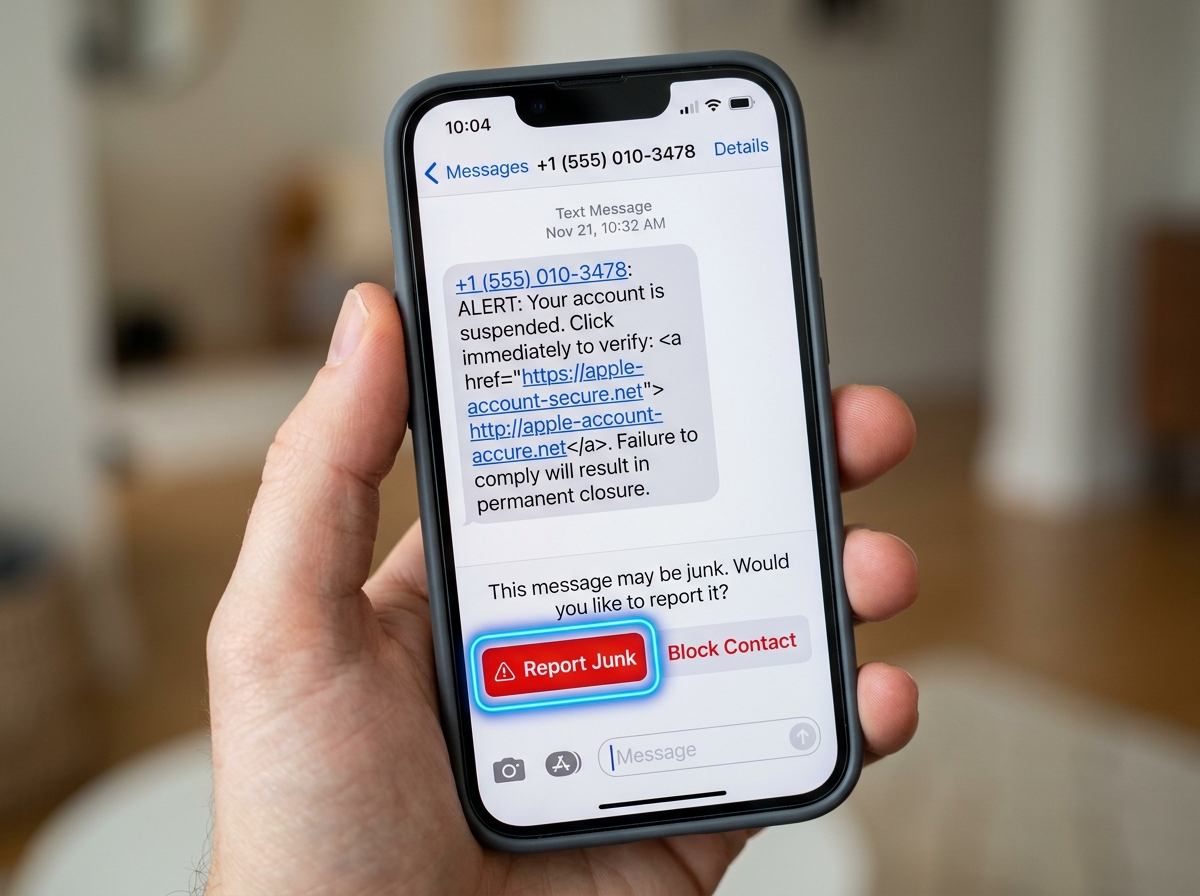
- Do Not Click: This is the most important rule. Clicking the link can trigger a malware download or lead you to a data-harvesting site.
- Do Not Reply: Replying "STOP" or "Who is this?" lets the scammer know your phone number is active and monitored by a real person. This will only lead to more spam.
- Block the Sender: Use your phone’s built-in features to block the number immediately.
- Report as Junk: Both iPhone and Android devices have "Report Junk" or "Report Spam" options. This helps your carrier identify and filter out these numbers for everyone else.
- Delete the Message: Once reported and blocked, get it off your phone so you don't accidentally click it later.
We always recommend proactive measures to Protect Yourself - How to Avoid Phishing. One of the best ways to stay safe is to limit where you share your real contact information.
Where to Report Fraud and Protect Your Data
Reporting these scams is vital for public safety. When you report a tx dmv scam text, you provide federal agencies with the data they need to track down the infrastructure these criminals use.
- FBI IC3: The FBI’s Internet Crime Complaint Center is the primary hub for reporting cybercrime.
- Federal Trade Commission: You can file a report at reportfraud.ftc.gov. They use this data to build cases against scam networks.
- Forward to 7726: This is a universal "spam" reporting number for most major mobile carriers (AT&T, Verizon, T-Mobile). Copy the scam text and forward it to 7726. It’s free and alerts your carrier to the malicious message.
Reporting is especially important because these scams often impersonate different agencies depending on the week. For example, the Georgia DMV Scam Text - The Fake Agency was a major issue recently, and federal tracking helped mitigate the damage.
Frequently Asked Questions about Texas DMV Scams
Does the Texas DMV ever text about violations?
No. The official policy of the TxDMV is that they do not send unsolicited text messages or emails requesting personal information or demanding payment for violations. They are not a law enforcement agency and do not collect fines for traffic tickets. If you receive a text about a "violation" from the DMV, it is 100% a scam. This is a common tactic used nationwide, similar to the FLHSMV Scam Text - What Florida Drivers Must Know.
What happens if I clicked the link in a scam text?
If you clicked the link but didn't enter any info, you might still be at risk for malware or "tracking pixels" that tell the scammer you are a "live" target. If you did enter information, you should:
- Contact your bank or credit card company immediately to freeze your accounts.
- Change your passwords for any sensitive accounts (email, banking, etc.).
- Place a fraud alert on your credit report. Financial loss can be devastating; in some cases, like the Ohio BMV Scam Text - Thousands Stolen, victims lost their entire savings in minutes.
How do I verify if I actually have a ticket?
If you're worried that you might actually have an unpaid ticket, go to the source. Contact the local municipal court in the city where you were driving, or check the website of the county sheriff or the Texas Department of Public Safety. Never use a link provided in a text message to "verify" a ticket. Always type the official government address into your browser yourself. Even in other states, like the Utah Louisiana DMV Scam Text - Do Not Click warnings suggest, direct verification is the only safe path.
Conclusion
The tx dmv scam text is a reminder that our personal information is constantly under fire. These scammers rely on fear, jargon, and the nature of our digital lives to trick us into handing over our hard-earned money and identities.
At Tempo Mail USA, we believe that the best way to stay safe is to never give scammers a target in the first place. By using temporary email aliases and privacy firewalls, you can keep your real identity hidden from the databases that these scammers use to find their victims. Think of it as a digital shield—a way to interact with the world without leaving your front door wide open to hackers.
Stay vigilant, Texas. If you get a text from the "DMV" about a ticket, remember: Don't click it. It's not a ticket!