

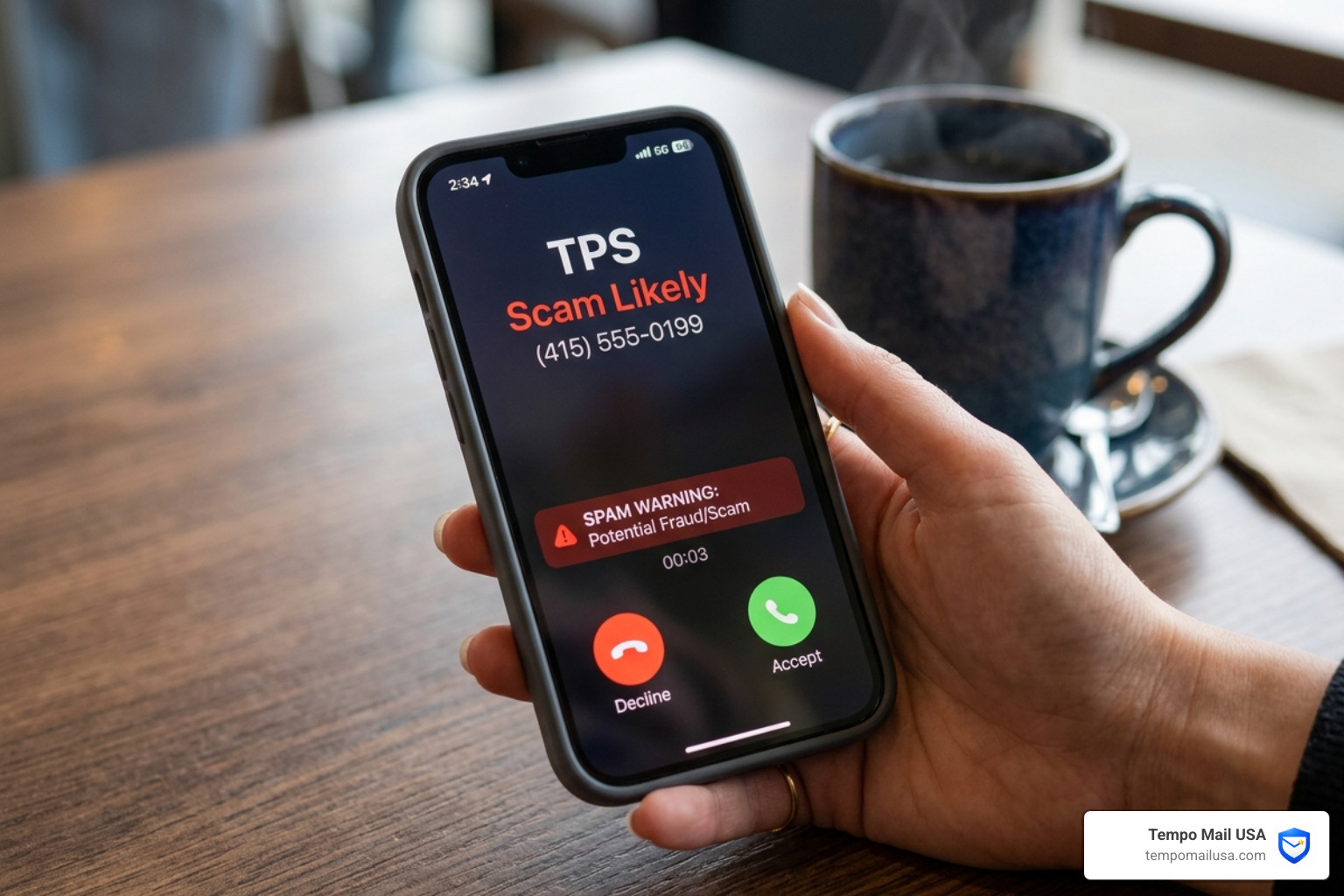

When a Call "From TPS" Is Actually a Trap
What is the tps scam is one of the most searched questions by people who've just received a suspicious phone call claiming to be from an official phone preference service — and for good reason.
Here's the quick answer:
The TPS scam is a fraudulent scheme where criminals impersonate the UK's Telephone Preference Service (TPS) — the official free do-not-call registry — to trick people into handing over personal details or paying fake "renewal" or "registration" fees. The real TPS is always free, never calls you unsolicited, and individual registrations never expire.
Key facts at a glance:
- What TPS actually is: The UK's official opt-out list for unsolicited marketing calls, run by the DMA and enforced by the ICO
- What the scam looks like: A caller claims your TPS registration needs renewing or upgrading — and asks for bank details or a fee
- The truth: Real TPS registration costs nothing and never expires for individuals
- Who's at risk: Anyone registered (or thinking of registering) with TPS, plus US immigrants applying for Temporary Protected Status (a separate but similarly named program)
- What to do: Hang up, never share payment details, report to Action Fraud or the ICO
There are actually two very different "TPS scams" that confuse people. One targets UK phone users through fake Telephone Preference Service calls. The other targets US immigrants holding Temporary Protected Status (also called TPS), exploiting their fear of deportation. Both are serious. Both cause real financial and personal harm.
Fraudulent companies like Cold Call Elimination, CPR Global, and services mimicking the TPS name have charged people anywhere from £40 to £200 a year for services that do nothing beyond what the free official TPS already provides — or nothing at all.
The problem is growing. A criminal network recently prosecuted by the ICO stole data from over 400 garages, accessing roughly a million records that were then sold and used to fuel nuisance calls and bogus approaches — exactly the kind of data pipeline that feeds these scams.
This guide breaks down both versions of the TPS scam, how to spot them, and how to protect yourself.
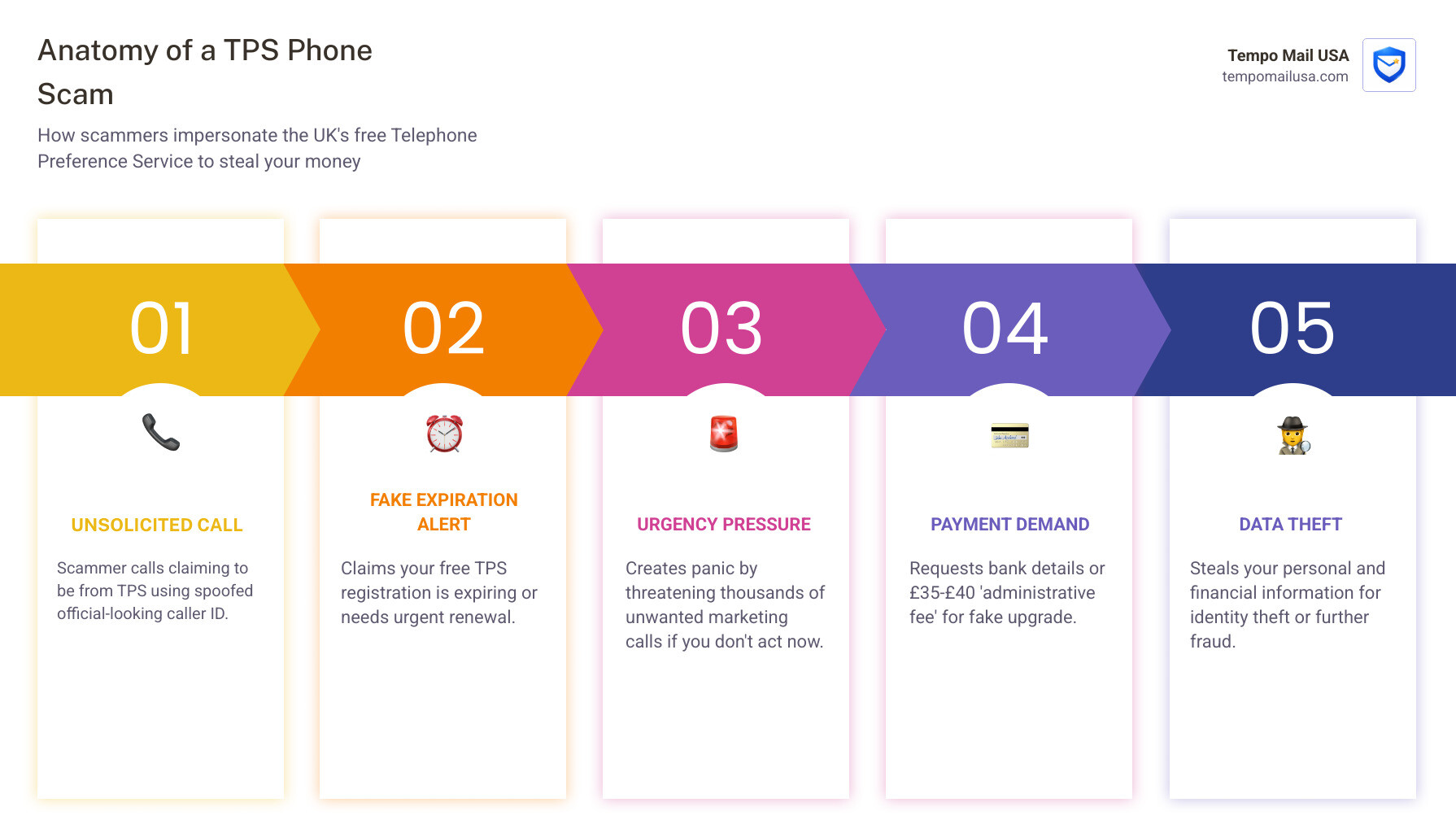
What is the TPS Scam and How Does It Work?
The core of the what is the tps scam problem lies in the clever impersonation of a trusted authority. In the UK, the Telephone Preference Service is a statutory service that consumers rely on to keep their dinner times free from pushy salespeople. Scammers take advantage of this trust by calling victims and claiming that their registration is about to expire, has been "disconnected," or requires a mandatory "administrative upgrade."
Typically, the scammer will pose as a representative from the TPS or even a major telecom provider like BT. They might use "number spoofing" technology to make your caller ID display a local or official-looking number. Once they have you on the line, they create a sense of urgency, claiming that unless you pay a small renewal fee (often around £35 to £40), you will be bombarded with thousands of unwanted marketing calls.
Many users in 2026 now rely on advanced security tools and VPN protection to prevent these attacks, but scammers still find success by targeting the vulnerable or those unaware of how the official service operates. You can read more about these specific tactics in this Telephone Preference Service Scam Calls report.

Identifying the "What is the TPS Scam" Red Flags
Recognizing a scam call before you've handed over your credit card details is the best form of defense. Because the official TPS is a passive service—meaning they don't call you to confirm you're on the list—any unsolicited contact is a major red flag.
Watch out for these specific warning signs:
- Requests for Payment: The official TPS is 100% free for individual consumers. If anyone asks for a fee, it is a scam.
- Bank Detail Verification: Scammers often ask you to "verify" your bank details or read back your credit card number to "renew" your status.
- Pressure Tactics: Claiming your protection will end "at midnight" or within the hour if you don't act now.
- Aggressive Behavior: Fraudulent callers often become abusive or pushy if you question their legitimacy.
For a deeper dive into these red flags, check out the official Scams | TPS Services advisory.
Why Scammers Target You with "What is the TPS Scam" Tactics
You might wonder how these scammers got your number in the first place. It’s rarely random. Most scammers use data harvested from massive leaks or purchased from unscrupulous "lead generation" firms.
A prominent example of this is the recent ICO prosecution of a criminal network that stole data from over 400 garages. This theft compromised roughly a million records, which were then circulated among scam networks to fuel bogus injury claims and TPS-themed frauds. These criminals know that if you’ve registered for the TPS, you are someone who actively dislikes nuisance calls—making you the "perfect" target for a fake service that promises to stop them.
If you believe your data has been compromised in a similar way, know how to report phishing email in USA - FTC, FBI, Gmail Steps or the equivalent authorities in your region to stop the spread of your personal info.
Distinguishing Legitimate TPS from Fraudulent Services
The easiest way to beat the what is the tps scam is to understand the rules of the real Telephone Preference Service. The real TPS is a legal requirement; it acts like a "speed limit" for the marketing industry. Legitimate UK companies are legally required to screen their call lists against the TPS register every 28 days.
Here is a quick comparison to help you tell the difference:
| Feature | Official TPS (UK) | Scam / Imitator Services |
|---|---|---|
| Cost | Free for individuals | £35 to £200+ |
| Expiration | Never expires for individuals | Claims to expire annually |
| Contact Method | They never call you unsolicited | They cold call you |
| Payment Info | Never requested | Always requested |
| Effectiveness | Legal requirement for UK firms | Often completely ignored |
By staying informed, you can spot these discrepancies instantly. For more tips on visual cues and digital red flags, see our Quick Guide: How to Spot Phishing Emails.
Official Registration vs. Paid Imitators
There is a gray area where some companies aren't technically "scammers" in the criminal sense but are "imitators" that charge for a free service. Companies like Cold Call Elimination, CPR Global, and Telecom Preference Service (note the slight name variation) have been known to charge consumers for "call blocking" services that essentially just register the user on the free TPS.
In many cases, these companies use the very nuisance call tactics they claim to prevent. They might sell you a "call blocking device" for £100 that actually interferes with your broadband or fails to block modern spoofed numbers. You can find more about these Fake TPS Calls and the companies involved in their news archives.
Limitations of the Real TPS
It’s important to manage your expectations. The real TPS is not a "magic shield." It only stops live unsolicited marketing calls from legitimate UK-based companies. It does not protect you against:
- Scam calls: Criminals don't care about the law or the TPS register.
- Overseas calls: If a call originates from outside the UK and the company has no UK presence, the ICO has limited power to stop them.
- Market Research: Pure research calls are not considered direct marketing.
- Prior Consent: If you accidentally ticked a box on a website allowing "partner offers," that company can still call you.
Understanding these gaps is crucial. You can verify your status or learn more about these limitations at Telephone Preference Service Checking.
The US Immigration Angle: Temporary Protected Status Fraud
While the UK deals with phone scams, the US faces a different "TPS scam." This one targets people under Temporary Protected Status (TPS)—a legal immigration status for nationals of countries experiencing war or natural disasters.
Scammers, often posing as "Notarios" or fake USCIS officials, target vulnerable immigrants by claiming their status is expiring or that they can "guarantee" a Green Card for a high fee. In reality, US immigration forms are free to download, and only licensed attorneys or accredited representatives can provide legal advice.
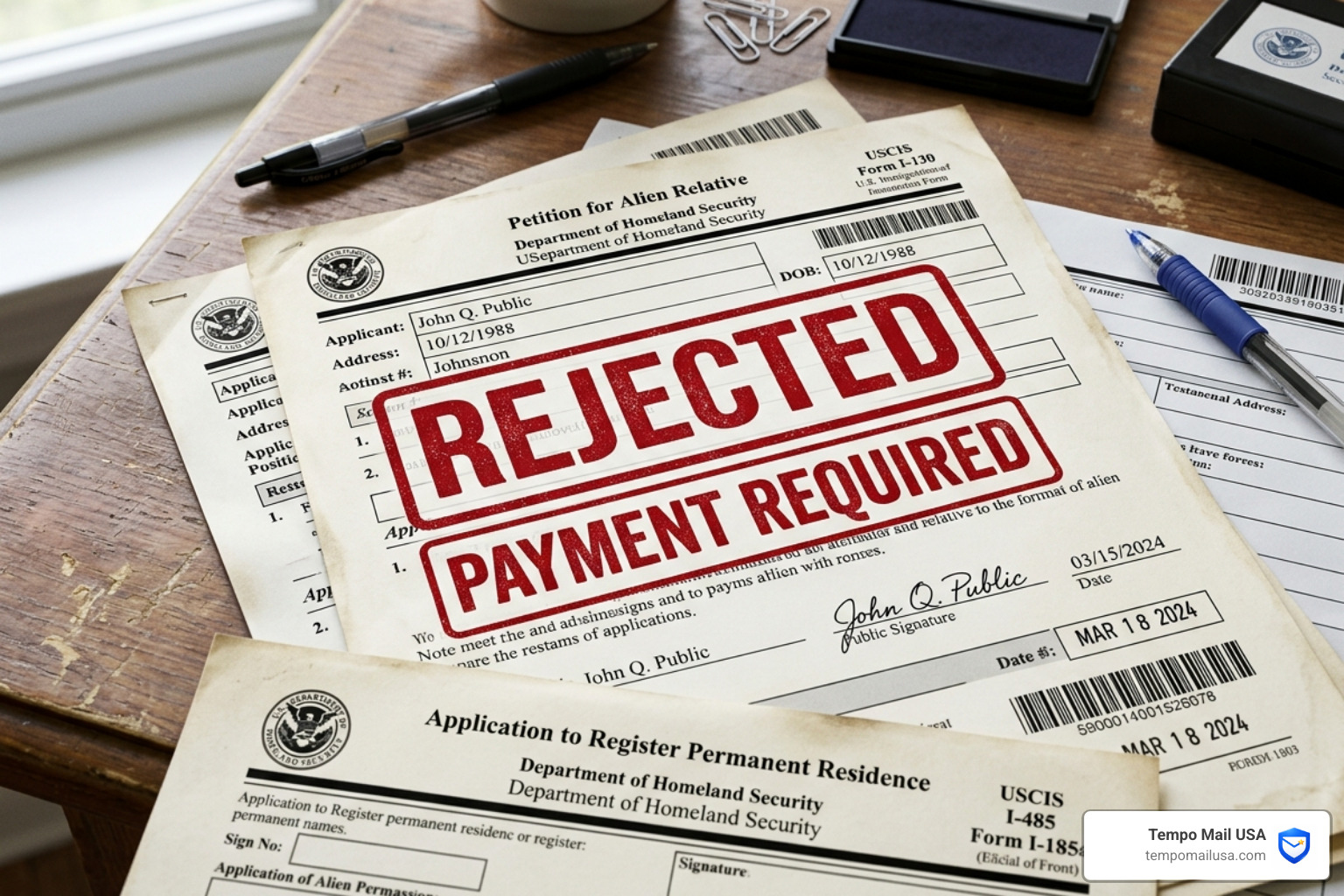
These fraudsters exploit the fear caused by shifting government policies. For instance, when the Trump Administration announced the termination of TPS for six countries (affecting 98% of participants), it created a vacuum of information that scammers quickly filled. If you are navigating the immigration system, USCIS will never call you to demand money over the phone. To learn more about protecting your identity in these scenarios, read What is a Phishing Scam? Protect Yourself. You can also find detailed guidance on Avoiding Scams: Ensuring Your TPS Application is Legit.
Best Tools and Strategies to Protect Your Privacy
In 2026, the best defense is a multi-layered one. Since the what is the tps scam relies on having your phone number and personal data, the goal is to minimize your digital footprint.
We recommend the following "Privacy Stack":
- Use a VPN: Tools like NordVPN help encrypt your traffic and can often block known malicious sites that host data-harvesting forms.
- Call Blocking Technology: Use the built-in "Silence Unknown Callers" feature on your iPhone or Android. Many network providers also offer free tools like "Call Protect" to filter out known scammers.
- Secure Email Aliases: When signing up for services online, don't use your real email. Use a "PII Firewall" like Tempo Mail USA. By using temporary email aliases, you prevent your real identity from being linked to marketing databases that eventually lead to scam calls.
- Identity Theft Protection: Services that monitor the dark web for your phone number and email address can alert you before the scammers even call.
For those using mobile payment apps, it's also worth checking out our guide on Cash App Scams Explained to see how scammers jump from phone calls to financial theft.
How to Choose the Right Protection
When deciding on a security tool, look for transparency. Avoid any "call banning" service that asks for an annual subscription without explaining exactly how they block the calls. A legitimate security dashboard should give you control over your data without requiring you to "pay to stay protected."
Frequently Asked Questions about the TPS Scam
Does registering with the official TPS require any payment or renewal?
No. For individual consumers, registration with the official Telephone Preference Service is completely free and never expires. You only need to register a number once. If you are a business, you may need to renew annually, but the official service will never call you unsolicited to demand payment. Scammers often charge between £40 and £200 for fake "upgrades" that provide no additional protection.
What should I do if I receive a suspicious call claiming to be from TPS?
The best thing to do is hang up immediately. Do not engage with the caller, and never provide bank or credit card details. If you have already shared information, contact your bank immediately to freeze your accounts. You should also report the incident to Action Fraud (the UK's national fraud reporting center) or the ICO to help them track and prosecute these criminal networks.
How can I register with the official TPS safely?
You can register your landline or mobile number for free by visiting the official website at tpsonline.org.uk. Alternatively, you can register via telephone by calling 0345 070 0707, or by texting ‘TPS’ followed by your email address to 85095. It takes approximately 28 days for the registration to become fully effective.
Conclusion
Understanding what is the tps scam is the first step toward reclaiming your digital peace. Whether it's a fraudulent call about your UK phone registration or a deceptive "notario" targeting your US immigration status, these scams rely on one thing: your lack of information.
By practicing good digital hygiene—like using the official free services, enabling network-level call blocking, and using identity proxying tools like Tempo Mail USA—you can create a "PII Firewall" that keeps your real information out of the hands of scammers. The real TPS will never call you for money. If the phone rings and someone asks for your card details to "stop the calls," they are the very nuisance they claim to be fighting.
Stay vigilant, stay private, and visit tempomailusa.com to learn more about protecting your personal data from the ground up.