



Understanding and Avoiding Gold Bar Scams
Gold bar scams involve deceptive practices where fraudsters sell counterfeit gold, misrepresent its value, or use high-pressure tactics to defraud investors. These schemes are a growing concern for individuals looking to invest in precious metals, leading to significant financial losses. This comprehensive guide explains the common types of gold bar scams, details how to verify authenticity, and outlines your options if you become a victim. By understanding common tricks, reliable testing methods, and recent examples, you can spot warning signs and protect your investments.
What Are the Most Common Types of Gold Bar Scams?
Gold bar scams manifest in various forms, all designed to mislead buyers and illicitly acquire money. Recognizing these prevalent schemes is the essential first step toward avoiding them.
- Fake Gold Bars: Con artists frequently sell counterfeit bars that are merely plated with gold or composed entirely of cheaper metals. While visually convincing, these fakes fail genuine authenticity tests.
- Bullion Fraud: Fraudulent dealers may intentionally misrepresent the weight or purity of gold bars, or deliver products that do not match the specifications promised in documentation.
- High-Pressure Sales Tactics: Aggressive sales approaches, often involving claims of limited-time offers, are used to rush buyers into making decisions before they can thoroughly check details or conduct due diligence.
How Do Fake Gold Bars and Bullion Fraud Happen?
Scammers exploit gaps in buyers’ knowledge, employing realistic-looking fakes, forged paperwork, or misleading online listings. High-quality replicas and fabricated certificates can make a fraudulent sale appear legitimate until a proper test uncovers the deception.
What Tactics Do Fraudulent Gold Dealers Use?
Fraudulent dealers employ several common tactics to gain trust and accelerate a sale:
- Misleading Information: They often exaggerate potential returns or conceal crucial limits and fees to make an investment opportunity seem more appealing than it truly is.
- Fake Certifications: Counterfeit stamps and documents are presented to provide a false sense of security regarding the gold's authenticity and origin.
- Limited-Time Offers: Creating a false sense of urgency pressures buyers to bypass essential due diligence and accept sales terms without adequate verification.
Precious metals hold a strong emotional and cultural appeal, which scammers skillfully exploit. This can sometimes blur the line between enthusiastic, legitimate promotion and outright fraud.
Identifying Fraud in Precious Metals Investments
Investment scams in precious metals often promise exceptional returns, exploiting the emotional and cultural appeal of gold. This blend of high promises and inherent allure can make it challenging to distinguish legitimate promotion from outright fraud.
How Can You Authenticate Gold Bars to Avoid Scams?
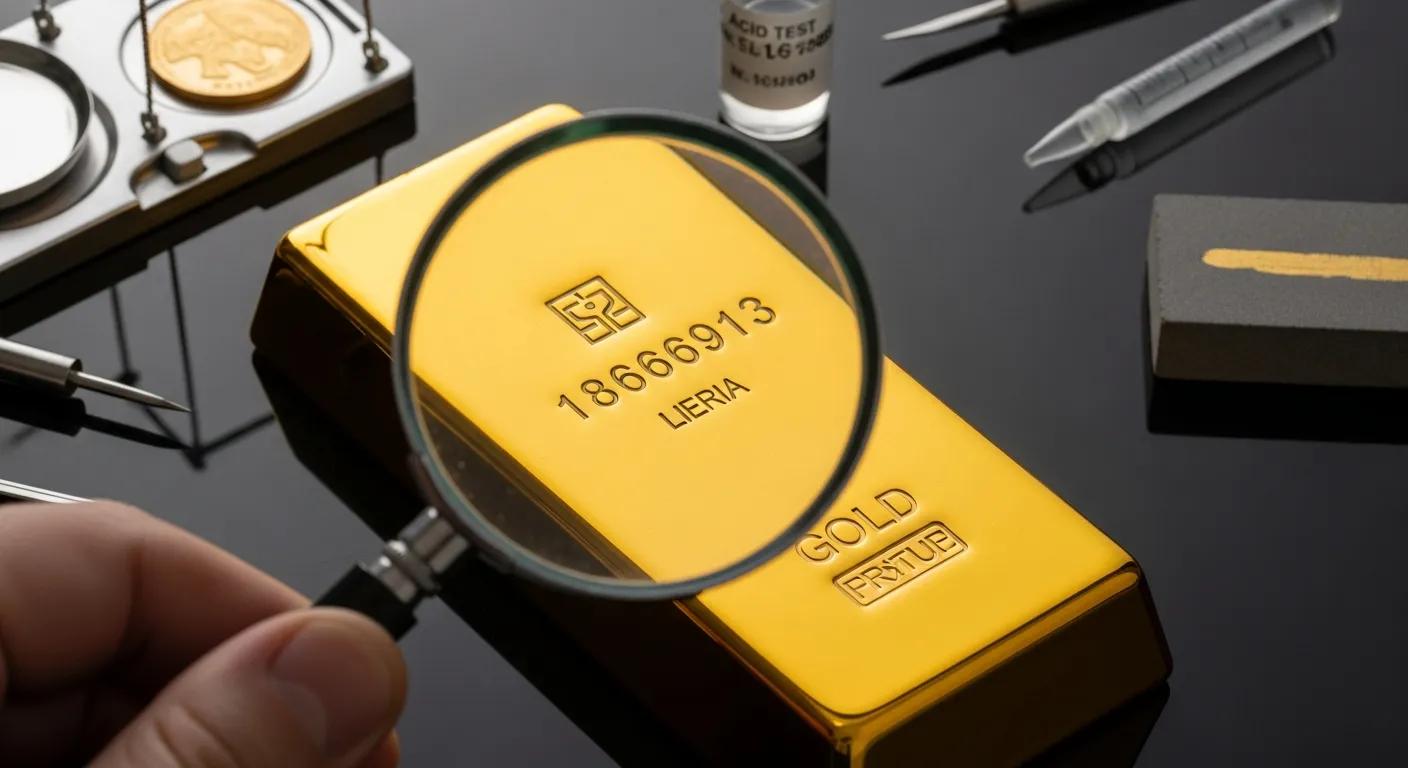
Verifying a gold bar's authenticity before purchase significantly reduces your risk. Employ a combination of simple visual checks, expert assistance, and technological tools to confirm the legitimacy of what you are buying.
- Visual Inspection: Carefully examine stamps, weight marks, and dimensions. Genuine bars typically feature a purity stamp, a manufacturer's hallmark, and a unique serial number.
- Professional Appraisal: A certified appraiser can independently confirm authenticity and identify red flags that you might overlook.
- Use of Technology: Advanced tools like X-ray fluorescence (XRF) machines provide accurate, non-destructive readings of a metal's elemental composition.
What Are the Most Effective Methods for Authenticating Gold Bars?
The most reliable approach to authentication combines careful visual inspection, expert opinions, and proven testing equipment.
- Visual Inspection Techniques: Look for consistent markings, accurate weights, and clear manufacturer hallmarks. Research the specific markings expected for the brand of gold bar you are considering.
- Professional Appraisal: Engaging a reputable appraiser adds an essential layer of independent verification, offering peace of mind and expert insight.
- Technological Tools: XRF analyzers and similar non-destructive tools deliver precise purity readings without causing any damage to the gold bar.
Which Tools and Tests Confirm Gold Purity and Authenticity?
Several common tools and tests help confirm a gold bar’s purity and authenticity:
| Tool | Purpose | Effectiveness |
|---|---|---|
| X-ray Fluorescence (XRF) | Non-destructive testing for gold purity and elemental composition | High |
| Acid Tests | Chemical testing to estimate gold content by observing reactions | Moderate |
| Electronic Testers | Quick checks of conductivity and metal composition | Moderate |
Using these tools—especially XRF—helps confirm a bar’s makeup before you finalize payment, significantly lowering the chance of fraud.
Emerging technologies, including advanced analytical methods, are beginning to improve fraud detection in the bullion trade, making verification faster and more reliable.
Emerging Technologies in Fraud Detection for Gold Bullion
New trends in the bullion trade are focused on improving the detection of deceptive practices, reducing human error in sales processing, and increasing transparency. Research indicates that advanced analytical tools can help identify fraud patterns in gold sales and jewelry transactions.
What Legal Options and Reporting Steps Are Available for Gold Bar Scam Victims?

If you have been scammed, several practical steps and agencies can assist you. Acting quickly often improves the chances of recovery.
- Reporting to Regulatory Bodies: File complaints with relevant regulators such as the Securities and Exchange Commission (SEC) or the Federal Trade Commission (FTC) if the scam involves investments or false claims.
- Legal Action: A lawyer experienced in investment fraud can advise you on potential civil claims and recovery options specific to your situation.
- Consumer Protection Agencies: Local consumer protection agencies can offer guidance, referrals, and resources to help you navigate the next steps.
How Do Regulatory Bodies Handle Gold Investment Fraud?
Agencies such as the SEC and FTC investigate complaints, enforce regulations, and may initiate enforcement actions against fraudulent actors. Filing a detailed complaint can trigger an investigation and help protect other potential victims.
What Steps Should Victims Take to Report Fraud and Recover Losses?
- Document Everything: Preserve all records, including receipts, emails, contracts, and any shipping or tracking information related to the transaction.
- Contact Authorities: Report the fraud to your local police department and relevant regulatory agencies as soon as possible.
- Seek Legal Advice: Consult with a lawyer specializing in investment fraud to explore civil litigation or other recovery paths.
What Are Recent Gold Bar Scam Cases and Industry Trends?
Recent cases highlight how fraudsters are employing increasingly sophisticated fake gold bars and more convincing forged paperwork. This evolution has prompted buyers to demand stronger verification methods and regulators to increase oversight.
- Notable Gold Bullion Fraud Cases: Several high-profile cases have exposed elaborate schemes involving counterfeit certifications and misleading sales, leading to substantial investor losses and subsequent legal action.
- Impact on Investors: These trends have made many buyers more cautious and have significantly increased the demand for trusted dealers and reliable, independent testing services.
What Notable Gold Bullion Fraud Cases Have Emerged Recently?
Recent cases typically involve elaborate schemes where counterfeit bars and forged paperwork successfully deceived buyers. Outcomes often include thorough investigations, penalties for the sellers, and valuable lessons for how buyers should verify their purchases.
How Are Rising Precious Metal Scams Impacting Investors?
As scams become more prevalent, investors are growing more skeptical and actively seeking independent verification, clearer provenance, and reputable dealers. In response, regulators have also intensified their monitoring and enforcement efforts to curb fraudulent activities.
What Prevention Tips Protect Against Gold Investment Fraud?
Guarding against fraud largely involves exercising caution and thoroughly checking facts. These practical steps can significantly reduce your risk.
- Research Dealers: Always check reviews, look for complaints, and verify credentials before making a purchase. A quick background check can often reveal potential issues.
- Verify Authenticity: Utilize visual inspections, professional appraisers, and advanced testing methods like XRF before completing any purchase.
- Be Wary of Deals That Seem Too Good To Be True: If a price or a promised return appears unrealistic, treat it with extreme suspicion and be prepared to walk away unless you can independently verify its legitimacy.
How Can Investors Recognize Warning Signs of Gold Scams?
Watch for common red flags that often signal fraud:
- Unrealistic Promises: Guaranteed high returns with little to no risk are a classic and highly suspicious warning sign.
- Pressure Tactics: Pushy salespeople who demand immediate payment are often trying to prevent you from conducting proper due diligence.
- Lack of Transparency: Legitimate dealers provide clear product details, offer testing options, and can provide verifiable proof of provenance.
What Are the Best Practices for Safe Precious Metal Investments?
Follow these habits to make smarter, safer purchases:
- Researching Dealers: Verify a dealer’s reputation, registration, and customer feedback thoroughly before committing to a purchase.
- Understanding Market Trends: Stay informed about price movements and market news to better identify unrealistic promises or suspicious offers.
- Using Secure Payment Methods: Prioritize payment options that offer buyer protection—such as credit cards, escrow services, or reputable intermediaries—and avoid irreversible methods like wire transfers.
Applying these checks and consistently buying from trusted sources sharply reduces the chance of fraud and helps protect your investment.
Frequently Asked Questions
What should I do if I suspect I've been scammed?
Act quickly: preserve all records (receipts, messages, contracts), contact your bank if payments were involved, report the fraud to local law enforcement, and file complaints with regulators like the SEC or FTC. Then, consult a lawyer who specializes in investment fraud.
How can I differentiate between a legitimate dealer and a scammer?
Perform basic checks: read reviews, look for complaints, confirm registrations, and ask for verifiable proof of the bars’ origin. Legitimate dealers will welcome third-party testing and provide clear, documented answers to your questions.
Are there specific signs that indicate a gold bar is fake?
Yes. Inconsistent weight, odd dimensions, missing or sloppy markings, unusual color or texture, or anything that feels too light are red flags. If in doubt, get a professional appraiser or use XRF testing.
What role do consumer protection agencies play in gold investment fraud?
Consumer agencies investigate complaints, provide advice and resources, and can escalate patterns of fraud to regulators. Reporting scams helps protect other buyers and can trigger formal inquiries.
How can technology help in preventing gold scams?
Tools like XRF analyzers provide quick, non-destructive purity readings. Advanced analytical tools are also being developed to spot suspicious listings and transaction patterns, improving detection over time.
What are the legal consequences for scammers in the gold investment sector?
Scammers can face civil lawsuits, significant fines, and criminal charges, depending on the severity and nature of the case. Regulators such as the SEC and FTC may take enforcement action, and victims can pursue compensation through the courts.
How can I stay informed about gold market trends to avoid scams?
Follow reputable financial news sources, subscribe to trusted industry newsletters, and use industry forums carefully. Understanding price drivers and market signals makes it easier to spot offers that don’t align with current realities.
Conclusion
Protecting your investments in gold requires vigilance and informed decision-making. By understanding how gold bar scams operate and knowing how to verify authenticity, you empower yourself to make safer choices. Always slow down, meticulously check details, utilize trusted testing methods and expert appraisals, and promptly report any suspicious sellers. Staying informed about market trends and consulting professionals when needed are crucial steps. Make verification an integral part of every purchase to safeguard your investments effectively.