



Scam Websites Are More Dangerous Than Ever — Here's What You Need to Know
Scam websites are fraudulent pages designed to steal your personal information, money, or both — and they're everywhere in 2026.
Quick answer: How to spot a scam website
- Check the URL — look for misspellings, extra characters, or wrong domain endings (e.g.,
.orginstead of.gov) - Look for HTTPS — but know that even fake sites can have it; always verify the full domain
- Watch for pressure tactics — countdown timers, "limited stock" warnings, or urgent pop-ups
- Avoid unusual payment requests — gift cards, wire transfers, or cryptocurrency are major red flags
- Run it through a checker — tools like ScamAdviser or URLVoid scan 30+ blocklists instantly
- Trust your gut — deals that seem too good to be true almost always are
The scale of the problem is staggering. According to ScamAdviser's database, over 10.2 million scam websites have been identified — and security experts say thousands of new fraudulent sites are built every single day.
What makes this especially alarming? 57% of adults globally were scammed last year, yet 73% believed they could spot a scam before it happened. That gap between confidence and reality is exactly what fraudsters exploit.
Scam sites don't look the way most people expect. They no longer rely on broken English and obvious red flags. In 2026, AI-generated content means fake websites can have flawless copy, polished designs, realistic product photos, and even convincing chatbots. The old instincts aren't enough.
And the stakes are personal. Every time you sign up for a site using your real email address, you're potentially handing scammers a key to your identity — one they can use across dozens of accounts if that data gets exposed.
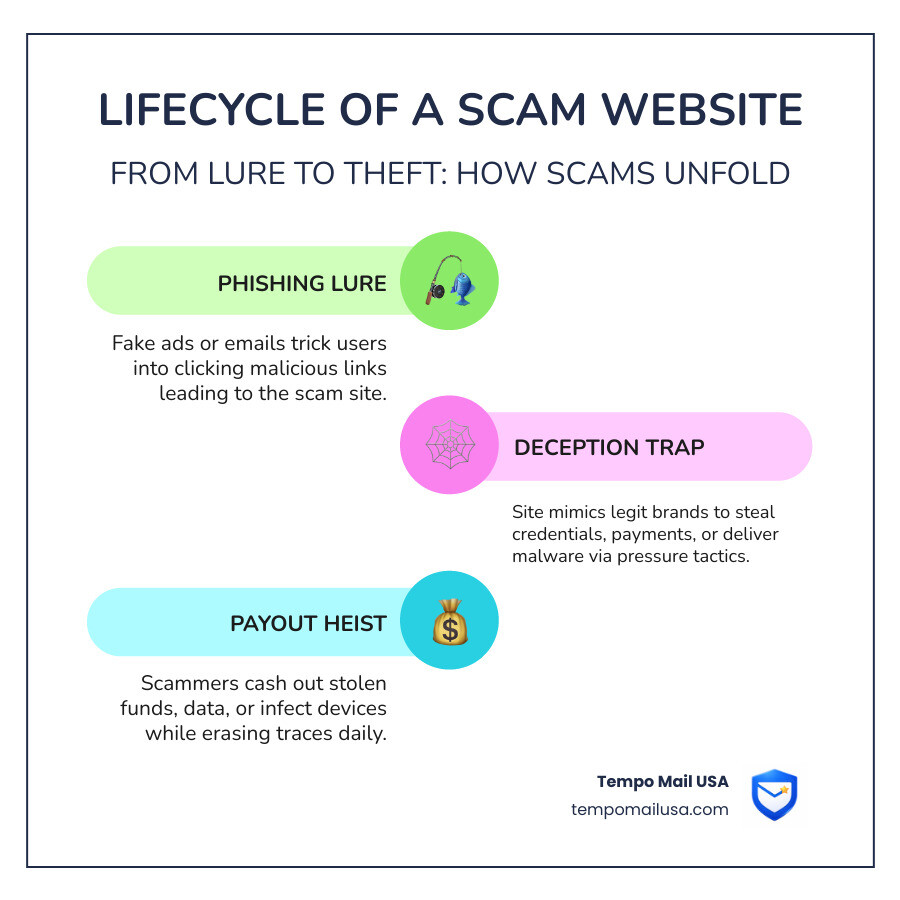
Understanding Scam Websites and How They Operate
At their core, scam websites are digital traps. They are built with one goal: to deceive visitors into performing an action that benefits the scammer. This might mean handing over login credentials, downloading malicious software, or paying for products that will never arrive.
In April 2026, the operation of these sites has become highly industrialized. Scammers don't just wait for you to find them; they actively hunt for victims. One of the most common tactics involves using search engine ads. By bidding on popular keywords, a fraudulent site can appear at the very top of your search results, even above the legitimate brand.
These sites operate through sophisticated social engineering. They play on our emotions—fear, urgency, or excitement. For example, you might receive a text message claiming your package is held at a warehouse, leading you to a site that looks exactly like a major courier. As noted by Website scams - Scamwatch, these sites are often part of a broader scheme involving impersonation and credential theft.
Common Types of Scam Websites
The variety of scam websites is vast, but most fall into a few high-traffic categories:
- Fake E-commerce Stores: These are perhaps the most common. They advertise high-end electronics, designer clothing, or trending gadgets at impossible prices. You might wonder, Is Temu a Scam Site? Uncover the Truth Today—while legitimate platforms exist, thousands of "copycat" sites mimic their layout to steal credit card data.
- Government Impersonation: These sites mimic official agencies like the IRS, DMV, or Social Security Administration. They often claim you owe a fine or are eligible for a rebate. We've seen a massive rise in these, such as the IRS Impersonation Phone Scam which often directs victims to phony "payment portals."
- Tech Support Fraud: These sites trigger "virus" pop-ups on your computer, claiming your system is infected. They provide a phone number or a link to "fix" the problem, which actually leads to Microsoft Tech Support Scam style interactions where they gain remote access to your PC.
- Fake Crypto Exchanges: With the continued interest in digital assets, scammers build polished investment platforms promising guaranteed returns. In reality, these are a Fake Crypto Exchange Scam designed to swallow your initial deposit.
How Scammers Mimic Legitimate Brands
The art of the "copycat" has reached a new level of precision. Scammers use "domain squatting" or "typosquatting" to register addresses that are nearly identical to real ones. For example, instead of amazon.com, they might use am-azon.com or amazon-support.net.
They don't just stop at the URL. They scrape the actual code, logos, and CSS from the real website to ensure their fake version looks identical. When you land on a Fake login portal vs real portal, the visual differences are often non-existent. They even use search engine manipulation to ensure their fake "customer service" numbers appear when you search for help with a specific brand.
How to Identify Scam Websites: Key Red Flags
Identifying a scam website requires a "trust but verify" mindset. Even if a site looks professional, there are structural clues that reveal its true nature.
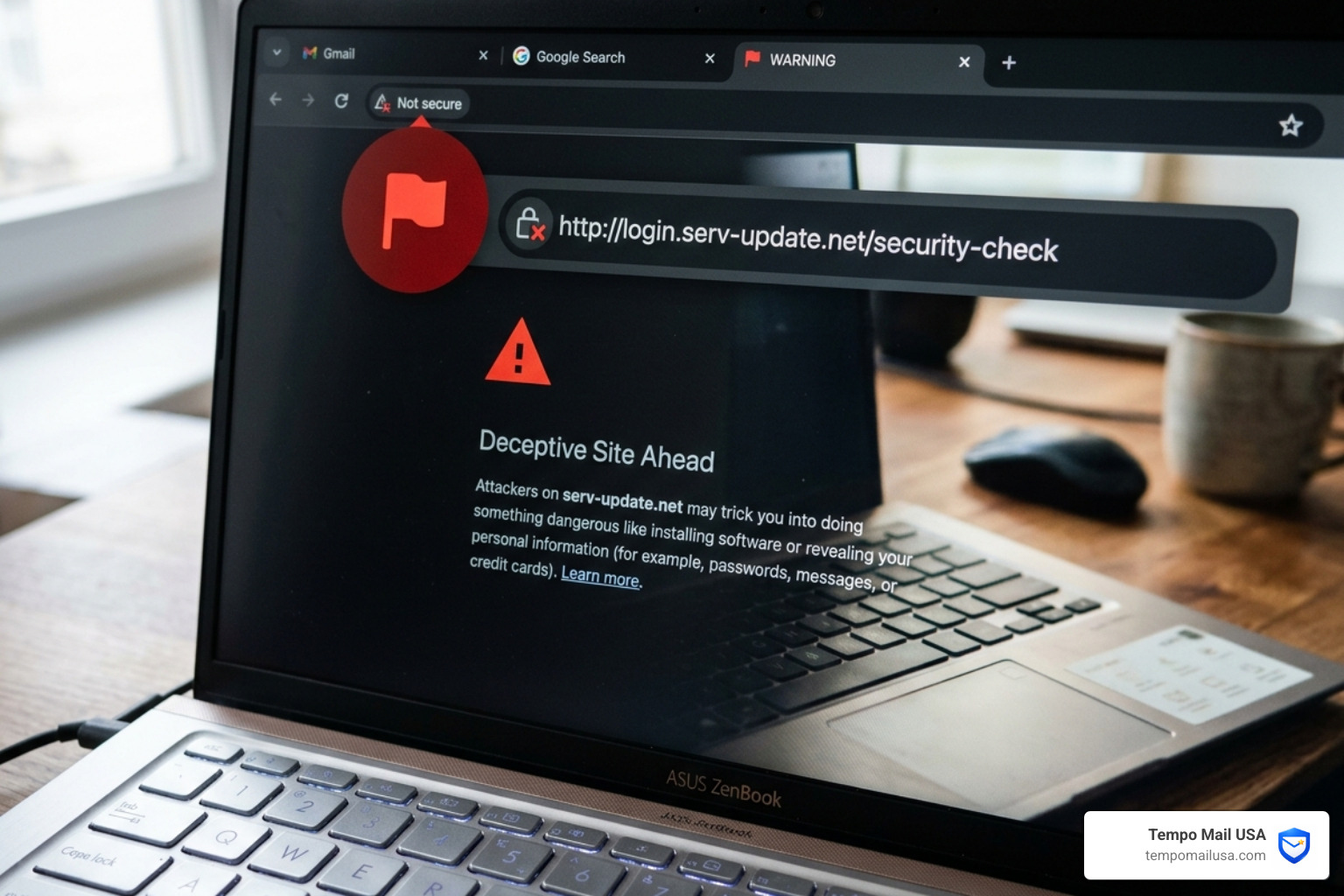
Domain Name Discrepancies and Design Flaws
The URL is the most important piece of evidence. Scammers often add extra characters or use different domain extensions. A classic example is the SC DMV Scam Text which might lead to a site ending in .net or .org instead of the official .gov.
Design flaws are still present, though they are becoming subtler. Look for:
- Low-quality images: Logos that look blurry or stretched.
- Broken links: Clicking on "About Us" or "Terms of Service" often does nothing or leads back to the homepage.
- Grammar and Spelling: While AI has improved scam copy, many sites still have awkward phrasing or inconsistent font usage.
Unusual Payment Methods and Pressure Tactics
Legitimate businesses want to make it easy and secure for you to pay. Scammers want to make it impossible for you to get your money back. If a site insists on payment via gift cards, wire transfers, or cryptocurrency, it is almost certainly a scam.
We often get asked about peer-to-peer payment risks, such as in our guide on Zelle Scam Refund: Can You Get Your Money Back After Sending It?. The answer is usually no—once that money is sent, it’s gone.
Pressure tactics are another hallmark of scam websites. They use countdown timers ("Sale ends in 04:59!") or claims that "15 people are looking at this item right now" to stop you from thinking clearly. They want you to act on impulse rather than investigation.
Verification Methods to Confirm Website Legitimacy
Before you enter a single piece of data, you should put the site through a "security audit." Thankfully, there are several free tools available in 2026 to help us do this.

Multi-Source Security Analysis
Don't rely on just one check. Use a combination of tools to get a full picture:
| Tool Type | What it Checks | Why it Matters |
|---|---|---|
| URLVoid | 30+ Blocklists | Checks if the site is already flagged for malware. |
| ScamAdviser | Trust Score | Uses an algorithm to weigh age, reviews, and technical setup. |
| Whois Lookup | Domain Age | Most scam sites are less than 6 months old. |
| Wayback Machine | Site History | If a "reputable" shop only appeared last week, be careful. |
By analyzing the IP address and server location, you can often find that a "local" US shop is actually hosted on a server in a high-risk jurisdiction. Tools like ScamAdviser.com provide these technical deep-dives instantly.
Real-Time Community and Official Detection
Sometimes the "wisdom of the crowd" is the fastest way to spot a fraud. Websites like Scam Reporting, Dating Scams, Internet Fraud, ID Theft and Phishing Resource - SCAMALOT.COM and ScamWarners provide forums where victims post their experiences in real-time. If you're suspicious of a site, search for its name on these platforms. You might find a dozen people who have already been burned by the same URL.
Steps to Take if You Encounter a Fraudulent Site
If you realize you're on a scam website, the first rule is: Stop everything. Do not click any more links, do not "close" pop-ups (use your task manager instead), and do not enter "fake" info to test it.
Reporting Scam Websites to Authorities
Reporting is vital—it helps authorities take these sites down and prevents others from being victimized.
- FBI IC3: The Internet Crime Complaint Center is the primary reporting hub in the US.
- FTC: Use
reportfraud.ftc.govfor consumer-related scams. - Google Safe Browsing: Reporting a site here helps Google flag it for all Chrome users.
- Military Resources: As noted by U.S. Army Cyber Command, reporting through official channels helps protect institutional security as well.
Recovery Steps for Victims
If you’ve already interacted with a scam site, you need to move fast:
- Contact your bank: Inform them of the fraudulent transaction. Ask about Zelle Scam Bank Liability if you used P2P apps.
- Change your passwords: If you used the same password on the scam site as you do elsewhere, change it everywhere immediately.
- Place a credit freeze: This prevents scammers from opening new accounts in your name using the PII (Personally Identifiable Information) they stole.
- Monitor for "Brushing": Sometimes, after a data leak, you might start receiving unordered packages. This is explained in our guide on the Brushing Scam Explained: Why You Got Package.
Advanced Prevention: Using Privacy Tools and Email Aliases
In 2026, the best way to handle scam websites is to ensure that even if they "catch" you, they get nothing of value. This is where identity proxying and privacy tools come into play.
The Role of Email Aliases in Scam Detection
We believe the single most effective "firewall" for your digital life is the use of email aliases. When you use a service like Tempo Mail USA, you create a unique, site-specific email address for every website you visit.
How does this help?
- Phishing Firewall: If you receive a "PayPal" email at the address you created specifically for a random shoe store, you know instantly it is a scam.
- Data Breach Identification: If an alias starts receiving spam, you know exactly which website leaked or sold your data.
- Kill Switch: If a site becomes compromised or starts spamming you, you can simply deactivate that alias. Your real, primary email remains hidden and untouched.
This is a proactive way to avoid the fallout of things like the Surveyworld Scam or Blue Rocket SEO Scam Review.
Proactive Security Habits for 2026
Beyond aliases, your toolkit should include:
- Password Managers: Use these to generate long, unique passwords for every site. This stops "credential stuffing" attacks where scammers use one stolen password to unlock all your accounts.
- Two-Factor Authentication (2FA): Always use app-based 2FA (like Authy or Google Authenticator) rather than SMS, which can be intercepted.
- Verification of Trust Signals: Don't just look for a "McAfee Secure" badge. Scammers copy those images easily. Click the badge; if it doesn't lead to a verified certificate on the security provider's own domain, it's fake.
- Call Verification: If you get a suspicious call or text, check our resources like Is This Phone Number a Scammer? Check Unknown Calls to see if others have reported it.
Frequently Asked Questions about Scam Websites
How can I tell if a website is safe for shopping?
Look for a physical address and a working phone number. Use a mapping tool to see if the address actually belongs to a business or if it's a random parking lot. Check the domain age—if a "major retailer" has a domain that was registered three weeks ago, stay away. Finally, check independent review sites, not just the reviews on the site itself.
What should I do if I entered my credit card on a scam site?
Call your credit card issuer immediately to report the card as compromised. They will cancel the card and issue a new one. This is much safer than simply "monitoring" the account, as scammers often wait weeks before making a large purchase to avoid immediate detection.
Can a scam website infect my computer without downloading anything?
Yes. This is known as a "drive-by download." Simply visiting a compromised or malicious site can exploit vulnerabilities in your browser or outdated software to install malware. This is why keeping your browser and operating system updated is a critical defense.
Conclusion
The world of scam websites is a fast-moving target, but you don't have to be a victim. By combining technical tools like ScamAdviser with proactive privacy habits, you can navigate the web with confidence.
At Tempo Mail USA, we are dedicated to helping you shield your most valuable asset: your identity. Our secure email alias generation acts as a permanent proxy between you and the risks of the open internet. By shielding your real PII, you ensure that a single encounter with a fraudulent site doesn't turn into a lifelong battle with identity theft.
Stay safe, stay skeptical, and keep your real data under lock and key.