

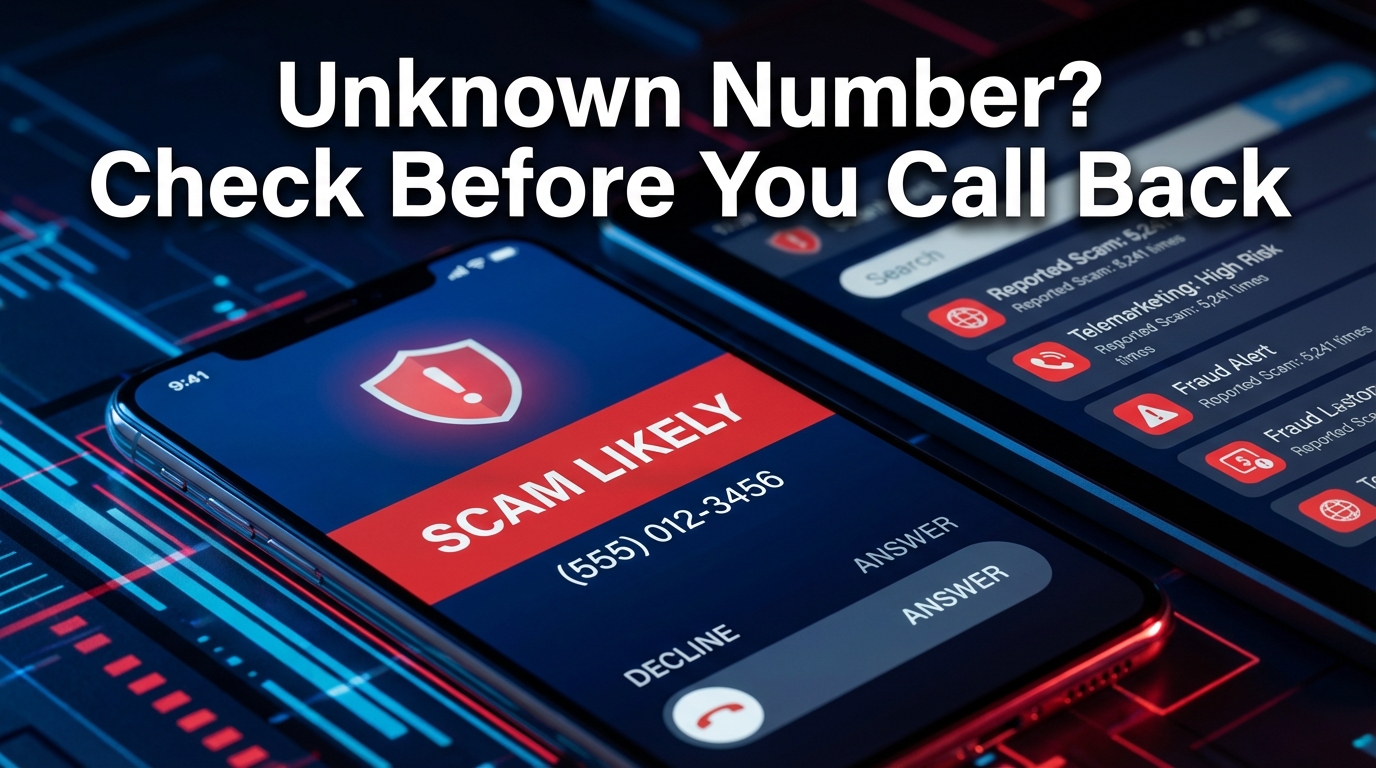

The Scam Call Epidemic: Why You Need a Phone Number Scammer Lookup Right Now
Is this phone number a scammer lookup is one of the smartest things you can do before calling back an unknown number — and this guide will show you exactly how.
Here's a quick answer to get you started:
How to check if a phone number is a scammer:
- Go to a free lookup tool like Truecaller, RoboKiller, or TruePeopleSearch
- Enter the full phone number (including area code)
- Check the result for scam labels, community reports, or reputation scores
- Cross-reference with BBB Scam Tracker for reported incidents
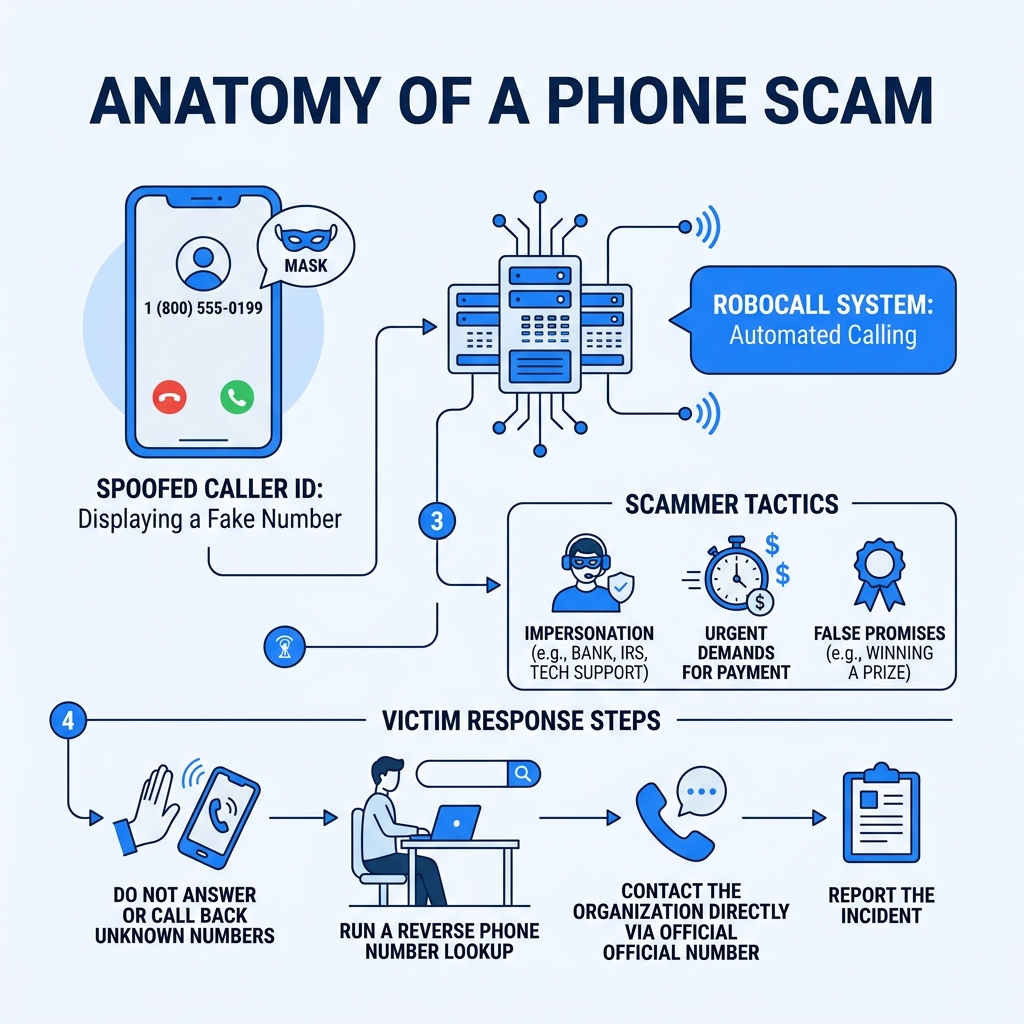
- If still unsure, do not call back — contact the organization directly using their official number
The numbers are hard to ignore. Americans receive 2.2 billion unwanted calls every single month. Last year alone, people wasted an estimated 219 million hours answering spam calls — that's over 9 million days of lost time.
Think about that. Nearly every person with a smartphone has picked up a call from a number they didn't recognize, felt that pit-of-the-stomach uncertainty, and wondered: is this a scammer?
Scammers are getting smarter. They fake caller IDs to look like local numbers. They impersonate the IRS, your bank, or tech support. They use robocall systems to dial millions of numbers automatically. And they only need one person to slip up.
The good news? You have free tools to fight back. Knowing how to run a quick scammer phone number lookup takes less than two minutes — and it can save you from a serious headache.
What is a Reverse Phone Number Lookup and How Does it Work?
A reverse phone number lookup is essentially a digital background check for a specific set of digits. Instead of searching for a person's name to find their number (the "old school" white pages way), you start with the number to find out who is behind it.
These tools work by scouring massive databases of public records, social media profiles, and data aggregated from various sources. When you perform an is this phone number a scammer lookup, the tool looks for connections to known businesses, individuals, or — most importantly — reports of fraudulent activity.
There has been an alarming spike in scam calls originating from robocalls, which are automated dialing systems that can reach thousands of people per minute. If you find yourself asking, "Why am I getting so many spam calls all of a sudden?", it’s usually because your number has ended up on a "lead list" sold between data brokers or scammers.
By using a lookup tool, you can see if a number is tied to a legitimate landline or if it's a "non-fixed" VoIP (Voice over Internet Protocol) number, which is a favorite for scammers because these numbers are easy to generate and hard to trace.
How to Perform an "Is This Phone Number a Scammer" Lookup
When that mystery number pops up on your screen, your first instinct might be to ignore it. That’s a great first step! But if they leave a vague voicemail or keep calling, it’s time to investigate. To effectively perform an is this phone number a scammer lookup, you need a reliable tool that checks both public records and community-reported spam data.
Step-by-Step Scammer Phone Number Lookup Using Free Tools
We recommend a multi-step approach to ensure you aren't being fooled by a spoofed number. Here is how to use some of the most popular tools available today:
- Start with a General Search: Sometimes, a simple Google search of the phone number (in quotes) will reveal forum posts or community boards where others have complained about the same caller.
- Use a Dedicated Lookup Tool: Navigate to a site like TruePeopleSearch or use the Free Scam Phone Number Lookup Tool - RoboKiller.
- Enter the Number: Type in the 10-digit number. Most tools will immediately provide a "Reputation Score" or a "Risk Level."
- Check for Community Reports: Tools like Truecaller rely on a community of over 450 million users. If 500 people have flagged a number as "Insurance Spam" or "Fake IRS," you’ll see that label immediately.
- Review Transcripts: Some advanced tools provide transcripts or recordings of what the robocaller says, helping you identify the specific pitch (e.g., "This is the department of Social Security...").
For more details on how to handle these mystery contacts, you can check out our guide on Scam Number Lookup: Check Unknown Calls.
Using Official Resources for "Is This Phone Number a Scammer" Lookup
If the caller claims to be from a government agency, never trust the caller ID. Scammers frequently use "spoofing" to make their number look like it's coming from Washington D.C. or your local police department.
- CRA and IRS Verification: If you are in Canada and receive a call from the CRA, or in the U.S. from the IRS, hang up. Look up the official agency number on their government website (.gov or .gc.ca) and call them back directly. The IRS will never call you out of the blue to demand immediate payment via gift cards or wire transfers.
- BBB Scam Tracker: The Better Business Bureau maintains a Scam Tracker with over 640,000 reported incidents. You can search by phone number to see if a specific scam (like a fake loan or debt collection) has been reported recently.
- FTC Reporting: If you've identified a scammer, it is vital to report a scam call to the Federal Trade Commission. This helps authorities track patterns and eventually shut down these operations.
Warning Signs and Common Phone Scam Types
Identifying a scammer isn't just about the number; it's about the behavior. Scammers rely on psychological triggers — like fear, urgency, or the promise of "free" money — to bypass your critical thinking.
Common Phone Scam Red Flags:
- 'Scam Likely' or 'Potential Spam' labels: Most modern carriers now provide these warnings based on high-volume calling patterns.
- The "One-Ring" Scam: The phone rings once and cuts off. They want you to call back, which often connects you to a high-toll international number.
- Robotic Voices: If there’s a long pause after you say "Hello" followed by a recorded message, it’s a robocall.
- Demands for Unusual Payment: No legitimate business or government agency will ask for payment via Bitcoin, iTunes gift cards, or Western Union.
| Characteristic | Legitimate Caller | Scammer |
|---|---|---|
| Urgency | Reasonable deadlines provided. | "Act now or you will be arrested!" |
| Identification | Clearly states name and company. | Vague or impersonates famous brands. |
| Payment Method | Credit card, check, or official portal. | Gift cards, wire transfers, crypto. |
| Personal Info | Already has your basic account info. | Asks for SSN, passwords, or PINs. |
One particularly nasty trend is the McAfee Geek Squad Renewal Scam: How to Spot It. Scammers call claiming your "subscription" has been renewed for hundreds of dollars and offer a "refund" if you give them remote access to your computer. Once they are in, they steal your banking credentials.
How to Block Scammers and Protect Your Privacy
Once you've performed your is this phone number a scammer lookup and confirmed the threat, the next step is to make sure they can't reach you again.
1. Use Built-in Smartphone Settings:
- iPhone: Go to Settings > Phone > Silence Unknown Callers. This sends any number not in your contacts straight to voicemail.
- Android: Open the Phone app > Settings > Blocked Numbers > Enable "Block calls from unidentified callers."
2. Leverage Carrier Apps: Most major carriers (AT&T, Verizon, T-Mobile) offer free or premium apps like "Call Protect" or "Scam Shield" that block known scam numbers at the network level before your phone even rings.
3. Remove Your Data from the Web: Scammers get your number from data brokers who scrape public records. Learning how to remove your private data from the internet is a long-term solution to reduce the volume of calls you receive. When your information isn't easily searchable, you become a harder target.
We always tell our users to stop the spam before it starts by being careful about where they share their phone number online. Every time you enter your number for a "free coupon" or a new app account, you risk it being sold to a telemarketer.
Frequently Asked Questions about Scammer Lookups
Are reverse phone lookups reliable for detecting spoofed numbers?
While an is this phone number a scammer lookup is a powerful tool, it isn't foolproof against "spoofing." Spoofing is a tactic where a scammer uses software to disguise their real number and display a different one — often a local number or one belonging to a trusted organization.
If a scammer spoofs a legitimate person's number, the reverse lookup might show that person's name, making the call seem "real." This is why it's important to look at top 10 robocall hotspots in America; if you're getting a call from a "local" number in a high-activity area, remain skeptical. Always verify the content of the call, not just the number.
Is it safe to use free reverse lookup services?
Most reputable free lookup services are safe to use for a quick search. However, be wary of sites that ask you to download suspicious software or provide your own credit card info for a "free" report.
The biggest risk is your own privacy. Some sites may track what numbers you are searching for. If you are concerned about your digital footprint, you should look into how to remove your private data from the internet to ensure your own number isn't being looked up by others with malicious intent.
What should I do if I accidentally answer a scammer?
First, don't panic. Simply answering the call doesn't mean you've been hacked. However, you should take these steps immediately:
- Hang Up: Do not say "Take me off your list" or press any buttons. This just confirms your number is active, leading to more calls.
- Do Not Say "Yes": Some scams record your voice saying "Yes" to use as a fraudulent authorization for charges.
- Secure Your Accounts: If you shared any info, change your passwords immediately.
- Watch for Phishing: Often, a scam call is followed by a text or email. Learn the Quick Guide: How to Spot Phishing Emails so you aren't hit twice.
Conclusion
When we receive billions of unwanted calls, performing an is this phone number a scammer lookup is your first line of defense. By using tools like Truecaller, RoboKiller, or the BBB Scam Tracker, you can unmask mystery callers and protect your personal information from falling into the wrong hands.
At Tempo Mail USA, we are dedicated to helping you reclaim your privacy. While phone scams are a major threat, your email address is often the "key" that scammers use to find your phone number and other private data. We provide temporary email aliases that act as a secure proxy, creating a firewall between your real identity and the services you use online.
By using a temporary email for sign-ups and "is this a scam" checks, you ensure that your real PII (Personally Identifiable Information) stays hidden from data brokers and scammers alike. Protect your identity at Tempo Mail USA and take the first step toward a spam-free digital life today.