



Why Every Missed Call Could Be Costing You More Than You Think
A scam number lookup is the fastest way to check if an unknown caller is a fraudster before you pick up — or call back.
Here are the 5 quickest ways to identify scam numbers:
- Run an instant reverse phone lookup using a free tool (YouMail, Bitdefender, Truecaller, or RoboKiller)
- Check community-driven spam databases for user-reported complaints and comments
- Search official trackers like the BBB Scam Tracker or FTC complaint database
- Look for red flag behaviors — urgency, pressure, requests for personal info or payment
- Use privacy-first verification — search anonymously and never confirm your number is active
Your phone rings. You don't recognize the number. You answer.
That split-second decision could be costly. One victim reported losing $7,500 in a single PayPal impersonation scam after calling back what looked like a legitimate number. Another lost over $41,000 in an online purchase scam.
These aren't rare cases. The BBB Scam Tracker has logged over 642,886 scam reports — and that's only the ones people actually reported.
The problem is getting worse, not better. Scammers now spoof local numbers, fake government agencies, and rotate phone IDs to dodge detection. Even a number that looks familiar could be a pull.
The good news? You don't have to guess. Free tools and public databases make it easy to check any number in seconds — before you engage.

1. Perform an Instant Scam Number Lookup
The most effective first step when a mysterious 10-digit number pops up on your screen is to perform a scam number lookup. This process, often called a reverse phone lookup, involves taking that unknown number and running it through a massive database to see if it has a "criminal record."
Modern lookup tools work by matching the incoming number against millions of records. These databases include public white pages, business listings, and, most importantly, blacklists of known fraudsters. When you Search any number now, you are essentially checking the digital reputation of the caller.
We often see scammers using sophisticated names to hide their true intent. For instance, if you receive a call regarding a financial service you don't recognize, it’s vital to Check if Finelo is a scam before providing any banking details. A quick search can reveal if a company is a legitimate entity or a shell used for phishing.
Using AI for a Scam Number Lookup
The "bad guys" are using technology, so the "good guys" have had to level up. Leading security services now use Artificial Intelligence (AI) and predictive analytics to spot scams before they even reach your phone.
Instead of just waiting for a number to be reported, AI looks at calling patterns. Does this number call 5,000 people in an hour? Does it hang up after two rings? Is it originating from a high-risk geographic "scam zone"? By analyzing this "Velocity Index"—the speed and momentum of calls—AI can flag a number as "Likely Fraud" even if it’s brand new. These tools integrate real-time federal data to provide a risk assessment that goes far beyond a simple name match.

Limitations of Free Search Tools
While a scam number lookup is incredibly powerful, we must acknowledge its limits. Scammers are experts at "spoofing," a tactic where they manipulate caller ID to make it look like they are calling from your local area code or even a trusted government agency.
Free tools may also suffer from a "database lag." It takes time for a new scam number to be reported and indexed. Furthermore, some scammers use "rotating IDs," changing their outgoing number every few calls to stay one step ahead of the blacklist. This is why a "clean" result doesn't always mean a call is safe; it just means the number hasn't been caught yet.
2. Consult Community-Driven Spam Databases
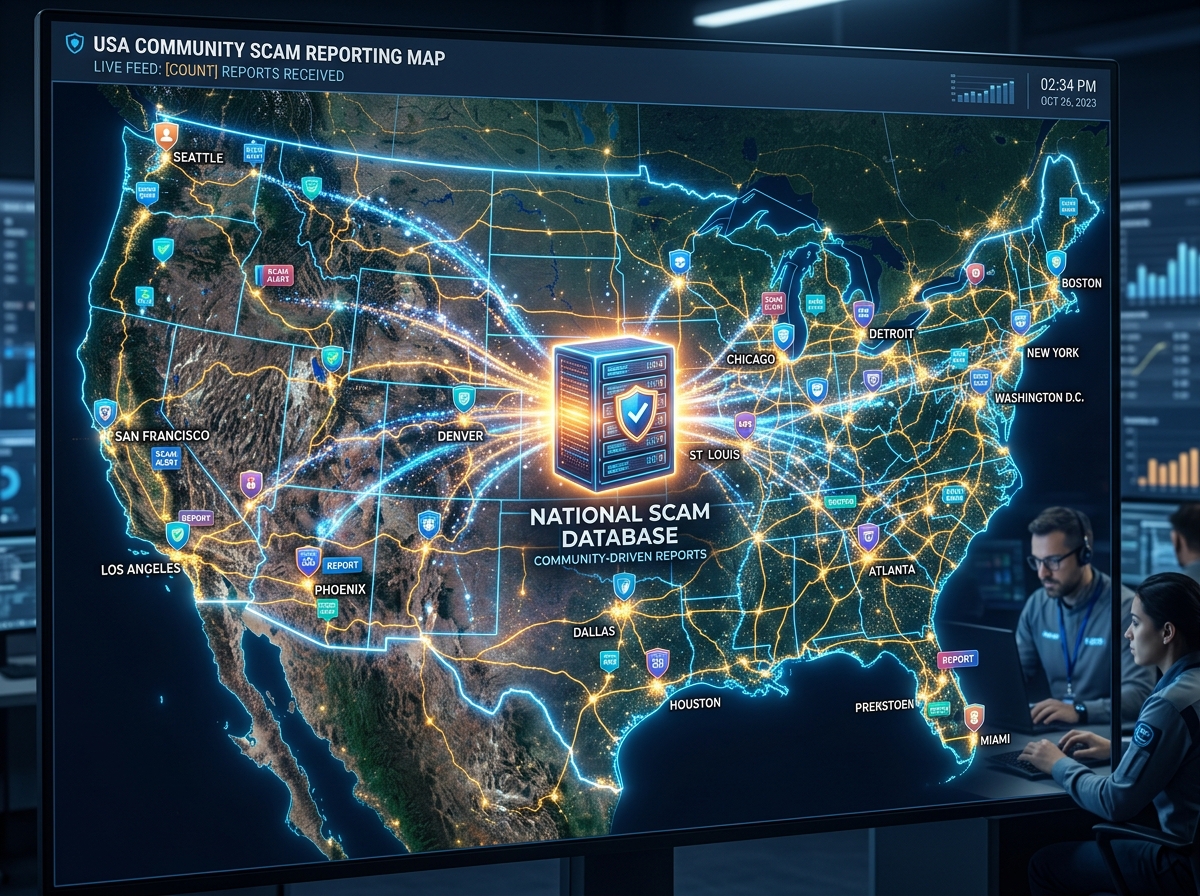
If the official databases don't have a verdict, the community usually does. Some of the most effective scam number lookup resources are powered by hundreds of millions of everyday users who report their experiences in real-time.
When someone receives a harassing call, they can flag it in an app or on a website. This creates a living, breathing map of fraud. You might see comments like, "Claimed to be from the CDC but asked for my Social Security number," or "Fake Amazon delivery text with a weird link." These shared experiences provide the context that a simple "Spam" label lacks.
Understanding how these scams transition from phone calls to digital fraud is crucial. For example, you can find more info about fake invoice scams which often start with a phone call directing you to a "billing department" website. Knowing A call might be a scam if... certain pressure tactics are used can save you from a world of financial hurt.
Benefits of a Community Scam Number Lookup
The primary benefit of community-driven lookups is collective protection. When one person reports a number, 450 million other users might instantly see a "Scam Likely" warning on their screens.
These databases excel at pattern recognition. They can identify when a specific script is being used across thousands of different numbers. If you see a number with 400 reports and 50 comments all mentioning "unpaid toll fees," you know exactly what you're dealing with before you even finish reading the first report.
3. Verify Against Federal and Official Scam Trackers
While community reports are fast, official federal trackers are the "gold standard" for verified fraud data. Organizations like the Federal Trade Commission (FTC) and the Better Business Bureau (BBB) maintain exhaustive records of reported crimes.
The BBB Scam Tracker is particularly useful because it often includes the "Dollars Lost" in each report. Seeing that someone lost $41,000 to a specific type of scam adds a sobering layer of reality to the situation. If you encounter a suspicious caller, we highly recommend that you visit the FTC website to file a formal complaint. This helps federal authorities build cases against these criminal networks.
| Feature | Community Databases | Federal Scam Trackers (FTC/BBB) |
|---|---|---|
| Speed | Instant / Real-time | Slower / Requires Verification |
| Context | High (User anecdotes/comments) | High (Legal/Official categories) |
| Accuracy | Varies (Crowdsourced) | Very High (Verified reports) |
| Goal | Immediate Blocking | Prosecution & Public Awareness |
Government impersonation is a massive category for these trackers. Every year, the authorities release a list of the most prevalent threats. Staying informed on the latest on IRS tax fraud is one of the best ways to ensure you don't fall for a "Dirty Dozen" tactic during tax season.
4. Analyze Call Behavior and High-Risk Red Flags
Technology can only take you so far. Sometimes, the best scam number lookup tool is your own intuition. Scammers rely on psychological triggers to bypass your logical thinking.
The biggest red flag is artificial urgency. If a caller tells you that you will be arrested in one hour, or that your bank account has been "hacked" and you must move money immediately, it is almost certainly a scam. They want you to panic so you don't have time to think. If you find yourself wondering, "Will Zelle refund scam money?", the answer is usually a resounding "no" if you authorized the transfer yourself—which is exactly why scammers love these platforms.
Identifying Smishing and Text Scams
Scammers have moved heavily into "smishing" (SMS phishing). Why? Because text messages have an incredible 98% open rate. People who might ignore a phone call will almost always check a text.
Common tactics include fake delivery notices ("Your package is on hold, click here to pay a $2 re-delivery fee") or bank alerts. We've seen a massive spike in "Buy Now, Pay Later" fraud; reading more info about Afterpay text scams can help you identify these malicious links before they steal your banking credentials.
Common Impersonation Tactics
Scammers love to play "dress up." They will claim to be from the IRS, local law enforcement, or even a "Department of Legal Compliance." Pro tip: If a caller mentions a government agency, ask for their name and extension, hang up, and call the official number found on the agency's .gov website.
Be especially wary of the Department of Legal Compliance scam, as this agency doesn't even exist! They use official-sounding names to intimidate victims into paying non-existent debts.
5. Use Privacy-First Verification Methods
When you are performing a scam number lookup, you should also be protecting your own data. Some less-reputable lookup sites may actually track your number or sell your search history.
We recommend using privacy-focused services that offer anonymous searching. These tools don't notify the person you are searching, and they don't require you to upload your entire contact list to work. This "firewall" approach is essential. Just as Tempo Mail USA provides temporary email aliases to protect your real identity from online services, privacy-first lookup tools ensure your curiosity doesn't lead to more spam calls.
How to Handle a Flagged Number
If your scam number lookup returns a "Negative" or "Scam Likely" result, here is the protocol:
- Hang up immediately: Don't try to "scam the scammer." Engaging only confirms your number is active.
- Block the contact: Use your phone's built-in blocking feature or a dedicated app.
- Report the number: Help the community by flagging the number in your lookup tool of choice.
- Verify via official channels: If the caller claimed to be from your bank, call the number on the back of your actual debit card to check your account status.
Frequently Asked Questions about Scam Number Lookups
Does a reverse phone lookup notify the person I am searching?
No. Legitimate scam number lookup services like those mentioned in this guide are completely confidential. The person on the other end has no way of knowing you are checking their reputation or reporting them to a database.
Can a scam number lookup reveal the caller's exact name?
Sometimes, but not always. If the number is a registered business or a landline with a public record, you will likely see a name. However, many scammers use unlisted VoIP (Voice over IP) numbers or burner phones. In these cases, the lookup tool will focus on providing a "risk verdict" (Safe vs. Scam) rather than a specific name.
What should I do if I accidentally answered a scam call?
Don't panic. Simply hang up. Do not press any buttons (even if they say "Press 1 to be removed from our list"—this just confirms your number is active). Do not say the word "Yes," as some scammers record your voice to authorize fraudulent charges. If you shared any personal info, immediately change your passwords and monitor your bank statements.
Conclusion: Your Best Defense is a Good Offense
The battle against phone scams is a game of information. By using a scam number lookup, you're taking the power back from the fraudsters. You're moving from a position of vulnerability to one of informed defense.
At Tempo Mail USA, we believe that your personal data—whether it's your phone number or your email address—is your most valuable asset. Just as you use our temporary email aliases to keep your primary inbox clean and secure, you should use lookup tools and community databases to keep your phone line private.
When text open rates are 98% and AI can spoof a local caller ID in milliseconds, secure identity proxying is no longer a luxury—it's a necessity. Stay skeptical, stay informed, and always check the number before you pick up.