
Rockstar Games Hacker Arion Kurtaj Pleads Guilty: What the GTA 6 Leak Teaches You About Email Security
On Monday, three days before the biggest game launch of the decade, the hacker behind the biggest leak in gaming history walked into Woolwich Crown Court in London and pleaded guilty to everything. Arion Kurtaj, now 21, admitted the 2022 Rockstar Games hack that spilled unfinished Grand Theft Auto VI footage across the internet, along with a string of other offences he committed at 16 and 17 as part of the Lapsus$ group. He will be sentenced at a later date.
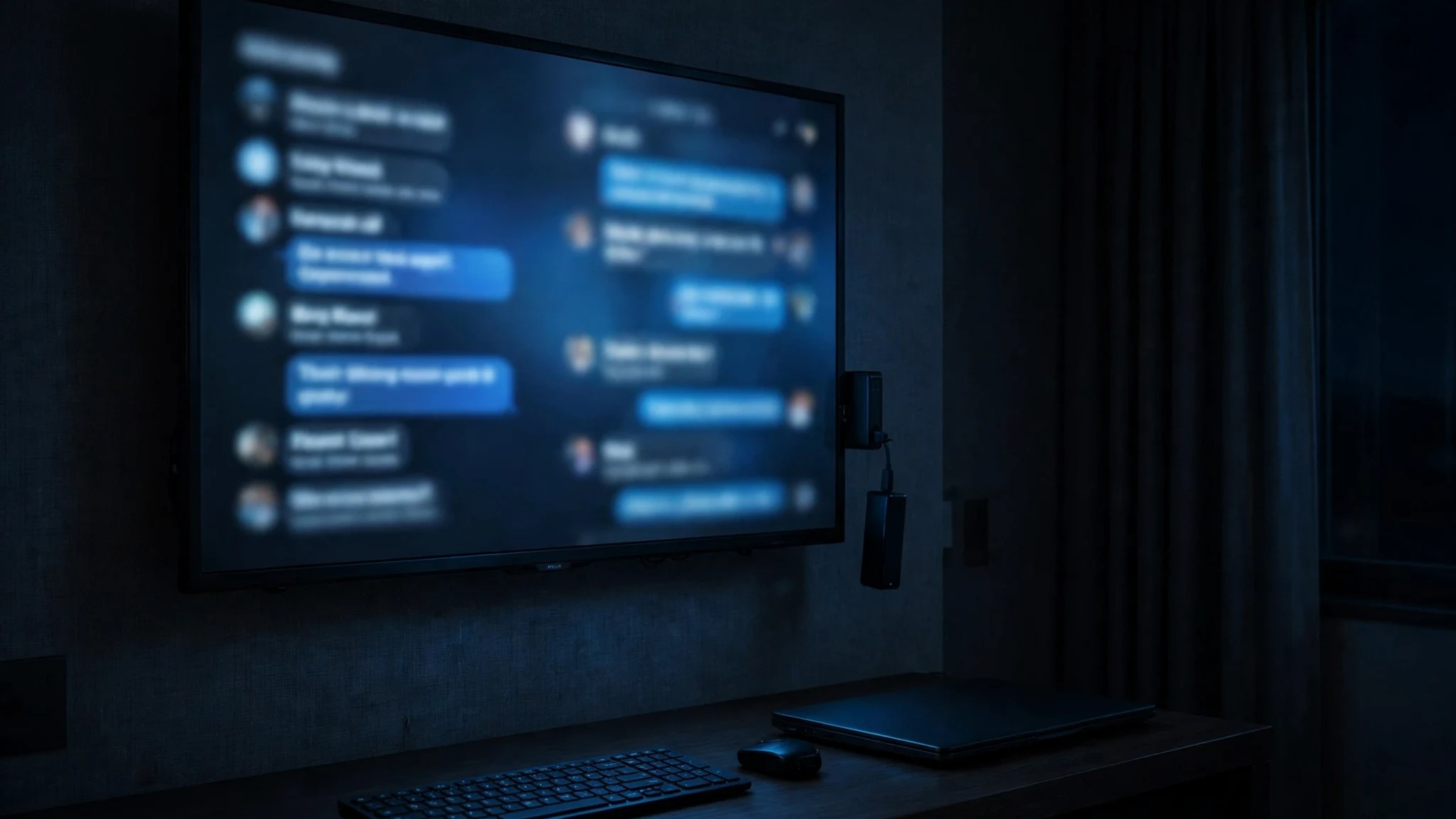
The gaming press is covering the plea as the closing chapter of a GTA story. That misses the part that matters to everyone else. Kurtaj did not break Rockstar's encryption or discover some exotic zero-day. He got into the company's internal Slack from a hotel television, using a streaming stick, a Bluetooth keyboard and a mouse, while he was on bail and under police protection. His weapon of choice after that was Telegram and a 24-hour ultimatum.
That is not a gaming story. It is an email and messaging story, and it is the same shape as the attacks that land in ordinary inboxes every week. The difference between Rockstar and you is scale, not method. Your inbox is where your password resets go, where your login codes arrive, and where account recovery lives. Kurtaj's case is a public, documented reminder of how thin that protection really is — and what to do about it before someone tests yours.
What happened in court on Monday
Kurtaj appeared at Woolwich Crown Court on Monday, 16 November 2026, and pleaded guilty to all counts, the BBC reported. The charges cover the Rockstar Games intrusion and attacks on the telecom firm BT and its EE mobile unit, the fintech company Revolut and the ride-hailing company Uber. The prosecution estimated his hacking caused around £10 million in damage across the companies he targeted. No sentencing date has been set.
The guilty pleas end a strange legal arc. In December 2023, Kurtaj was found unfit to stand trial and sent to a secure hospital with no release date. Doctors later judged him fit, and he was moved to an ordinary prison in January 2026. Until Monday, there had never been a criminal conviction in the case — only the hospital order. Now there is, three days before the game he leaked finally reaches players.
The timing is not a coincidence. Grand Theft Auto VI launches on Thursday, 19 November 2026, on PlayStation 5 and Xbox Series X|S, more than four years after Kurtaj's footage first spread online. Pre-orders alone have already passed $1 billion, according to Sensor Tower figures reported by USA Today. The leak he posted in September 2022 was the first time the public saw the game's two protagonists, Jason and Lucia, moving around Vice City in a development build — and it revealed the playable female lead Rockstar had been saving for its own marketing. That is why his name is surging in search today: the game arrives this week, and the man who showed it to the world early has just admitted it in court.
The hotel-room hack, step by step
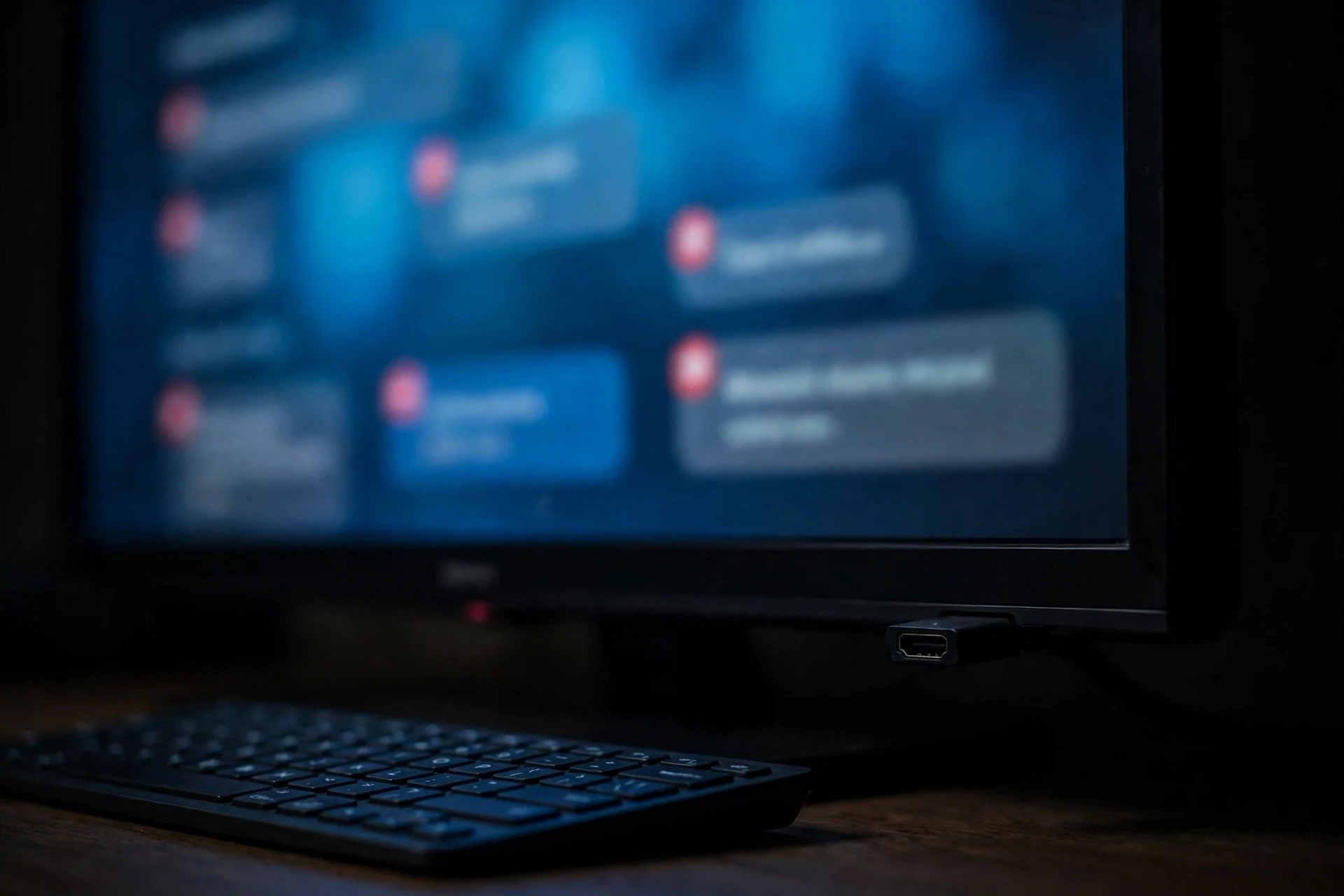
The breach itself reads like something a screenwriter would reject for being implausible. In September 2022, Kurtaj was 17, on bail for earlier hacking offences, and staying at a Travelodge hotel in Bicester under police protection. His laptop had been confiscated. So he plugged an Amazon Fire Stick into the hotel television, paired a Bluetooth keyboard and mouse, and used that setup to get into Rockstar's internal Slack workspace.
From inside Slack, he took around 90 clips of unfinished GTA 6 gameplay — nearly an hour of footage — and issued his ultimatum. "If Rockstar does not contact me on Telegram within 24 hours I will start releasing the source code," he wrote. Rockstar refused. He posted the clips and source code on a forum under the name TeaPotUberHacker.
Rockstar told the court that recovering from the breach cost about $5 million, alongside thousands of hours of staff time. That figure counts the cleanup. It does not count the four years of marketing plans rewritten because the game's biggest secret — a female protagonist in a franchise that had never had one — was already public knowledge.
Strip away the GTA detail and the sequence is ordinary: get into a chat workspace, take what is there, and use a second messaging app to deliver the threat. No firewall was defeated. No password was cracked. The entry point was a person, a login, and a messaging system that trusted anyone who arrived with the right credentials.
He didn't crack the code. He talked his way in.
This is the part of the Kurtaj story that security people keep coming back to, because it was never really about technical skill. Lapsus$, the group Kurtaj belonged to, built its reputation on the least glamorous attacks in the book. Microsoft's threat researchers, who tracked the group through 2022, documented a playbook built on social engineering, SIM swapping and MFA fatigue — bombarding a target with repeated multi-factor login prompts until the person, annoyed or confused, taps approve just to make it stop.
Read that again and notice what is missing: there is no step where the attacker defeats the security technology. The technology worked. The person got tired.
That is the honest lesson of the Rockstar breach, and it is an uncomfortable one for anyone who has ever treated a second factor as a guarantee. A login prompt is a question asked of a human being, and human beings get tired, get rushed, and get fooled — especially at 2 a.m., especially when the message looks like it came from inside the company. Kurtaj's Slack access began with exactly that kind of trust: a messaging workspace that assumed anyone inside it belonged there.
Your own accounts run on the same assumption. Your email provider trusts that the person typing the password and approving the prompt is you. Your bank trusts that the phone number receiving the code is yours. None of those systems can tell the difference between you and someone who has learned enough about you to sound like you. The Rockstar case proves the point at a scale of millions of dollars. The same failure mode, aimed at one inbox, costs one person their accounts.
Your inbox is the same kind of target
Here is the connection most coverage skips: everything Kurtaj did to Rockstar, attackers do to individuals through email. Your inbox is the master key to your digital life in a way no single app is. Password resets flow through it. Login codes arrive there. Account recovery lives there. If someone controls your email, they do not need your bank password — they reset it. They do not need your social media password — they reset that too.
That is why the small, boring signals matter more than the dramatic ones. A verification code you did not ask for is not spam; it is someone else's login attempt reaching your phone, and it means your address and possibly your password are already in circulation. I wrote about this exact signal before, and the rule still holds: a code you didn't request deserves ten minutes of your attention the day it arrives, not a shrug. Read what a Plaid verification code text you didn't request actually means if one has ever landed on your phone — the triage steps there apply to any service, not just Plaid.
The second uncomfortable truth is that your real email address is probably in more databases than you think. Every newsletter, every free trial, every beta signup, every "download the whitepaper" form hands your address to another company, and companies get breached. Rockstar is a multi-billion-dollar studio and its internal chat was open to a teenager with a streaming stick. The marketing database of a company you signed up with in 2021 is not better defended than that.
Five lessons worth stealing from the Rockstar case
1. Treat your recovery email as a single point of failure, because it is. If every account you own resets through one inbox, that inbox is your whole security posture. Compartmentalise: a separate address for financial accounts, another for shopping, and throwaway addresses for everything you do not trust. An email alias is the simplest version of this — one real inbox, many addresses, each one disposable if it starts attracting trouble.
2. SMS codes are the weakest second factor you can use. Kurtaj's group specialised in wearing people down through push prompts, and SMS has the same flaw with an extra one: a swapped SIM receives your codes. Wherever a service offers an authenticator app or a hardware key, take it. And the one rule that stops MFA fatigue cold: never approve a login prompt you did not just trigger yourself. If a prompt appears out of nowhere, it is an attack, not a glitch. If you want to know what the different code tools actually do, my breakdown of OTP scanners and the three tools hiding behind one name is a useful starting point.
3. Every signup is a door you leave open. The account you made for a game beta in 2022 still exists, still has your email, and still offers a password reset. Attackers love forgotten accounts because nobody watches them. Before your next signup, ask the question Rockstar never got to ask: does this service need my real address at all? If the answer is no, give it a throwaway email instead and let that address absorb whatever happens to it.
4. Watch the chat apps, not just the inbox. Kurtaj operated in Slack and Telegram, not email. Social engineering has followed people to wherever they actually talk — work chat, messaging apps, Discord servers. A message from a colleague asking you to approve something, share a code, or click a link deserves the same suspicion as an email from a stranger. Verify through a second channel before you act, every time.
5. Assume the breach and plan the recovery. Rockstar spent $5 million recovering. Your recovery plan costs ten minutes: know which email your bank, your primary inbox and your password manager recover through; make sure you can still reach that inbox if your phone is lost; and keep a second factor that does not depend on the same phone number. The plan you write on a calm afternoon is the one that saves you on a bad morning.
Where a temp email actually helps — and where it doesn't
A disposable address is a compartment, not armour, and anyone who tells you otherwise is selling something. Used correctly, though, it is the cheapest compartment you can build. Game betas, newsletters, free trials, download gates, one-off verifications: hand those a temporary address and your real inbox never enters another database that can be breached, sold, or scraped. That is the whole idea behind a burner email — an address you can abandon the moment it starts attracting junk, without losing anything that matters.
Open the tool on the TempoMailUSA homepage and you get an address in seconds, no registration, no card; the first message is free to read. That is the honest workflow: paste the address into the signup form, grab the code, and walk away. If the service turns out to be something you keep, switch it to a real address or an alias then — from a position of choice, not from inside a breach.
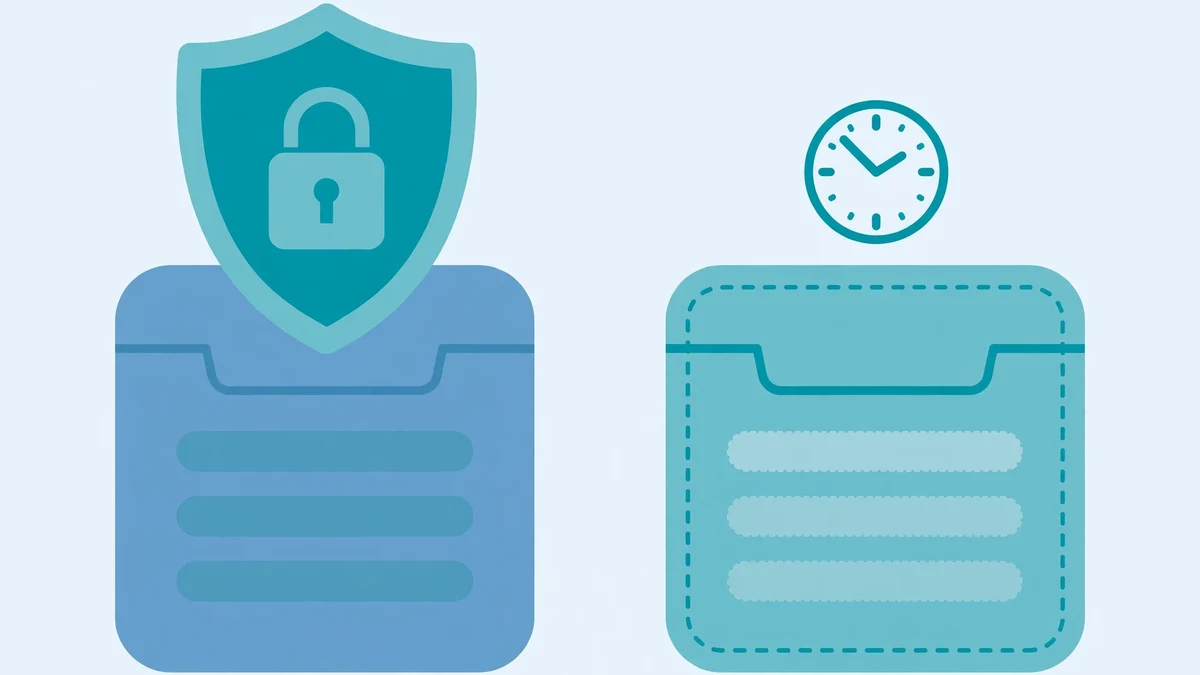
Where a temp email does not help is everywhere people wish it did. Never use one for your bank, your primary email account, a paid subscription, or anything you must be able to recover — a disposable address is gone when its window closes, and so is your way back in. It does not make you anonymous to a determined attacker, and it does not protect an account whose recovery address it is. The Rockstar lesson applies here too: the defence that works is separation. Keep the things that matter in the shielded inbox, and let the disposable one take the hits.
The ten-minute check
Do this today, while the story is fresh:
- Open your email settings and look at the recovery address. If it is an address you no longer control, fix it now.
- Switch at least one important account — your email itself, first — from SMS codes to an authenticator app.
- Search your inbox and your messages for verification codes you never requested. One unexplained code means a password change, not a shrug.
- Revoke sessions and app passwords you do not recognise. Most providers list them under security settings.
- Pick one kind of signup — game betas are a good start this week — and route it to a temporary address from now on.
None of this requires buying anything. It requires ten minutes and the willingness to treat your inbox the way Rockstar wishes it had treated its Slack: as the front door, not the hallway.
Frequently asked questions
Who is Arion Kurtaj?
Arion Kurtaj is a 21-year-old from Oxford and a former member of the Lapsus$ hacking group. At 16 and 17, he took part in a series of high-profile breaches, including the 2022 Rockstar Games hack that leaked unfinished Grand Theft Auto VI footage, as well as attacks on Uber, Revolut and BT/EE.
What did he plead guilty to?
On Monday, 16 November 2026, Kurtaj pleaded guilty at Woolwich Crown Court to all charges, including the Rockstar Games breach and the other Lapsus$ offences. He will be sentenced at a later date. Prosecutors estimated the hacking caused around £10 million in damage across the companies targeted.
When does GTA 6 come out?
Grand Theft Auto VI launches on Thursday, 19 November 2026, on PlayStation 5 and Xbox Series X|S — three days after Kurtaj's guilty plea, and more than four years after his leak.
How did he hack Rockstar with a Fire Stick?
While on bail and staying at a Travelodge hotel in Bicester under police protection, with his laptop confiscated, Kurtaj plugged an Amazon Fire Stick into the hotel TV, paired a Bluetooth keyboard and mouse, and used that setup to access Rockstar's internal Slack. From there he stole around 90 clips of unfinished GTA 6 gameplay and threatened to release the source code unless Rockstar contacted him on Telegram within 24 hours.
Does a temp email protect me from hackers like Kurtaj?
Partly. A temporary address keeps your real email out of the databases that get breached and traded, which removes one path attackers use to find you. It does not protect accounts that already use your real address, and it must never be used for anything you need to recover. Think of it as reducing your exposure, not as a shield.
What should I do if I get a verification code I didn't ask for?
Treat it as an active login attempt. Change that account's password immediately, switch its second factor to an authenticator app, check the account's recent activity and recovery settings, and check whether the same password is used anywhere else — then change it there too.
GTA 6 launches on Thursday, and the footage Kurtaj leaked is four years old. The method he used is not. Somewhere right now, someone is getting a login prompt they did not trigger, and someone else is deciding whether to tap approve just to make it stop. Rockstar's $5 million lesson is free for the rest of us: guard the inbox, doubt the prompt, and give your real address only to the services that have earned it.
Need a disposable temporary email?
Protect your real inbox from spam and promotional clutter instantly and free.
Received a suspicious email, text, or charge alert?
Verify whether the sender domain is disposable, spoofed, or unverified before clicking links.