


Anatomy of the Norton LifeLock Scam: How It Operates
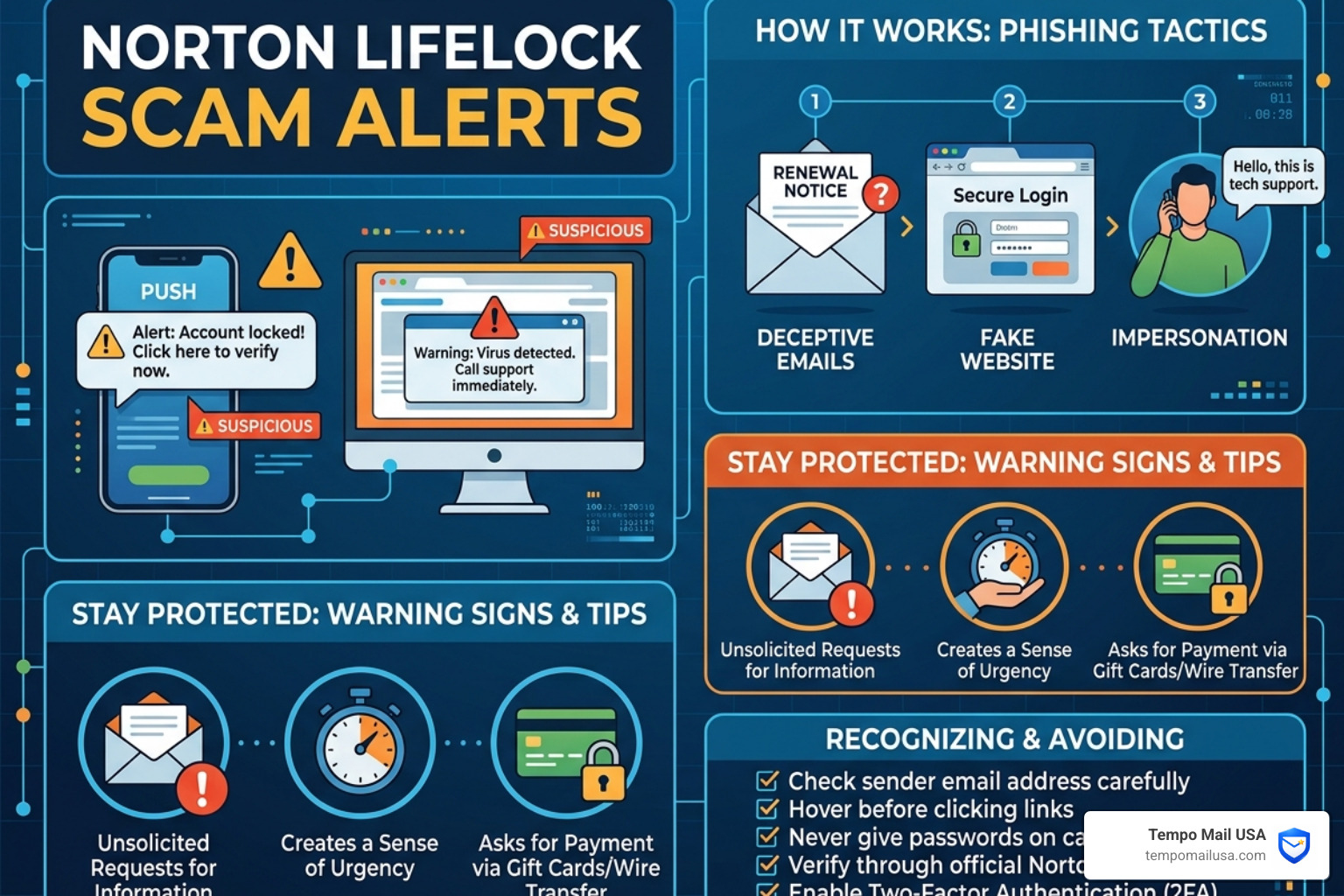
To protect ourselves, we first have to understand the predator's playbook. The norton lifelock scam isn't just a simple "wrong number" email; it is a multi-stage social engineering operation designed to bypass your logical defenses by triggering a "fight or flight" response.
The Initial Hook and Panic Induction
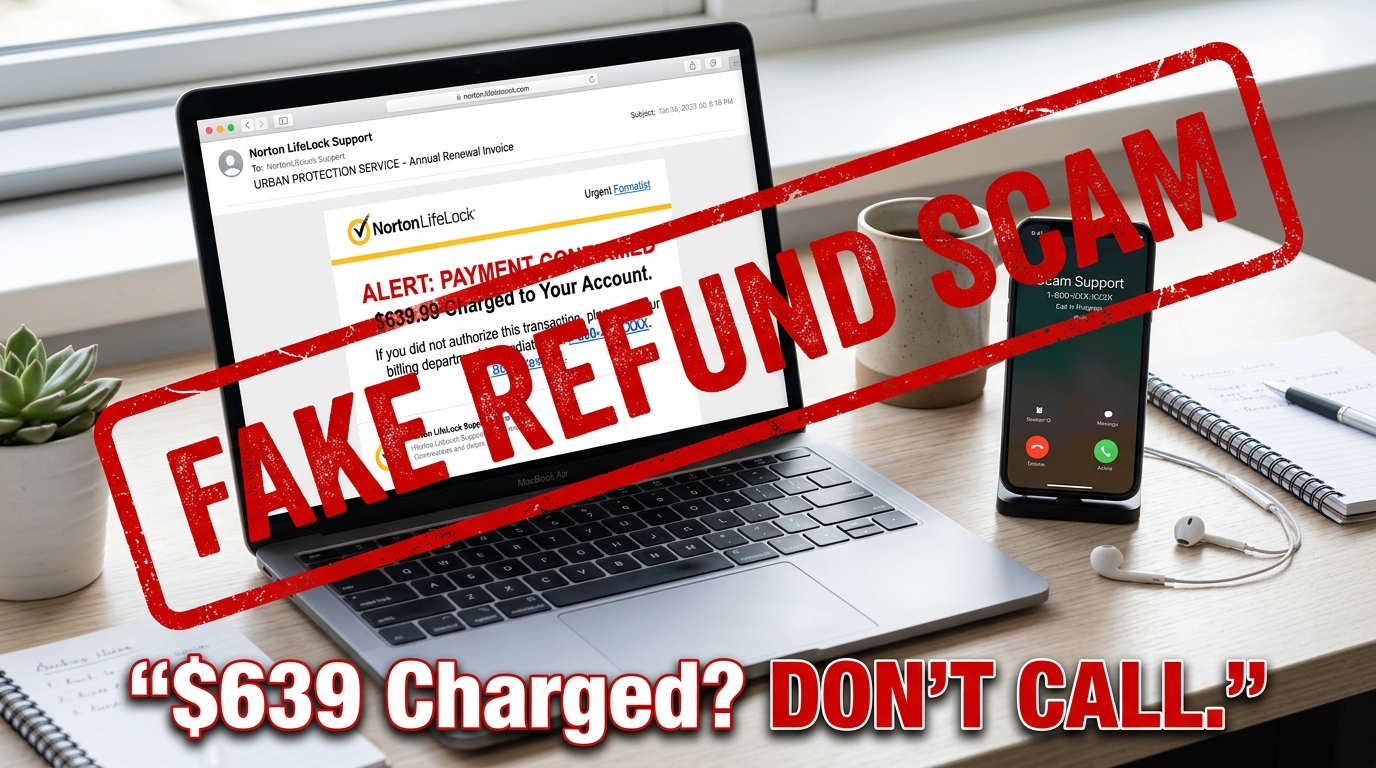
It almost always begins with an email or a text message. In April 2026, these messages have become incredibly polished. You might see a subject line like "Your Membership Renewed Successfully" or "Invoice #ZVOW145WZ: $639.99 Charged."
The scammer’s secret weapon is the 12-hour window. The email will state that the charge has already been processed (even if it hasn't) and that you only have a few hours to "cancel" or "dispute" the transaction. By inflating the price to $600–$1,000—well above the standard $50–$100 annual fee for legitimate protection—they ensure you feel a jolt of financial panic.

Remote Access and Financial Exploitation
If you call the "support number" listed in the email, you aren't reaching Norton. You are reaching a boiler-room call center. The "agent" will act helpful, claiming they need to "verify your system" to process the refund. They will instruct you to download remote access software like AnyDesk or TeamViewer.
Once they have control, the tactics turn dark:
- Screen Obscuring: They may "black out" your screen so you can't see what they are doing while they actually move money between your accounts.
- HTML Manipulation: A common trick involves having you log into your bank. The scammer will use "Inspect Element" tools in the browser to change the displayed numbers on your screen. They make it look like they accidentally refunded you $5,000 instead of $500, then beg you to send the "extra" money back via gift cards or wire transfers.
- Software Plants: While they have access, they often install "backdoors" or Remote Access Trojans (RATs) to monitor your activity long after the call ends.
For a deeper dive into these specific mechanics, Fake or Real? Norton Lifelock Renewal Email Scam Explained provides an excellent breakdown of the technical traps used during the call.
Identifying Red Flags: Is Your Norton LifeLock Scam Email Real?
The good news is that scammers are often lazy. Even in 2026, with AI-generated phishing, there are digital fingerprints that give them away. We recommend a "stop and look" approach before clicking any link or calling any number.
Common Indicators of a Norton LifeLock Scam
If you see any of the following, delete the message immediately:
- The "Urgent" Toll-Free Number: Legitimate billing disputes are handled through official portals (my.norton.com), not through a random "1-800" number printed on a PDF.
- DocuSign or PDF Lures: Scammers use DocuSign or attached PDF invoices to bypass email spam filters. Legitimate companies usually put the billing info in the body of the email.
- Generic Greetings: Does it say "Dear Member" or "Hello [Your Email Address]"? Real Norton emails use the name associated with your billing account.
- Suspicious Sender Domains: Hover your mouse over the sender's name. If the address is something like
norton-support-342@gmail.comorinvoice@renewal-dept.top, it’s a fraud.
Verifying Legitimate Norton Communications
Norton maintains a specific list of legitimate domains. If the email doesn't come from @norton.com, @nortonlifelock.com, or @lifelock.com, proceed with extreme caution. You should always verify your billing status by logging into your account directly at the official website—never use a link provided in an email.
If you are looking for actual protection and want to see how real services compare to these fraudulent claims, check out our guide on the Best Identity Theft Protection Usa Top Services Compared. For more on spotting these fakes, see Norton Lifelock Renewal Email Scam – What You Need To Know.
The Financial Impact: From Fake Invoices to Identity Theft
The norton lifelock scam is a billionaire-dollar industry. In 2024, the FBI's Internet Crime Complaint Center (IC3) reported that tech support scams—which include these fake renewals—accounted for over $1.46 billion in losses.
| Item | Real Norton 360 | Scam Invoice |
|---|---|---|
| Annual Cost | $49.99 - $110.00 | $399.00 - $999.00 |
| Payment Method | Credit Card / PayPal | Gift Cards / Crypto / Wire |
| Support Path | Official Chat / Portal | Unsolicited Phone Call |
Why These Scams Target Older Adults
Scammers often prey on those who may be less familiar with the nuances of modern "remote support" technology. By using the names of trusted brands like Norton or Microsoft, they exploit a lifetime of brand loyalty. They use fear as a lever, suggesting that a "virus" has already infected the machine and that the "renewal" is the only way to save their data.
This leads to a massive drain on fixed incomes. In fact, research shows that Americans Lost 43 Billion To Identity Theft recently, with a significant portion of that coming from social engineering scams just like this one.
Reporting a Norton LifeLock Scam to Authorities
If you receive one of these emails, don't just delete it—report it. This helps authorities track the infrastructure scammers use.
- Norton: Forward the email as an attachment to
spam@norton.com. - FTC: File a report at ReportFraud.ftc.gov.
- FBI: Submit a complaint to the IC3 at ic3.gov.
Knowing How To Report Identity Theft To The Ftc is a critical skill for any digital citizen in 2026.
Immediate Recovery Steps: What to Do if You’ve Been Targeted
If you realize mid-call that you're talking to a scammer, or if you've already given them remote access, do not panic. Panic is what they want. Follow these steps in order:
Disconnecting the Scammer's Access
- Kill the Connection: Physically unplug your router or turn off your Wi-Fi. This severs the remote connection immediately.
- Uninstall the Software: Look for AnyDesk, TeamViewer, or LogMeIn in your applications and delete them.
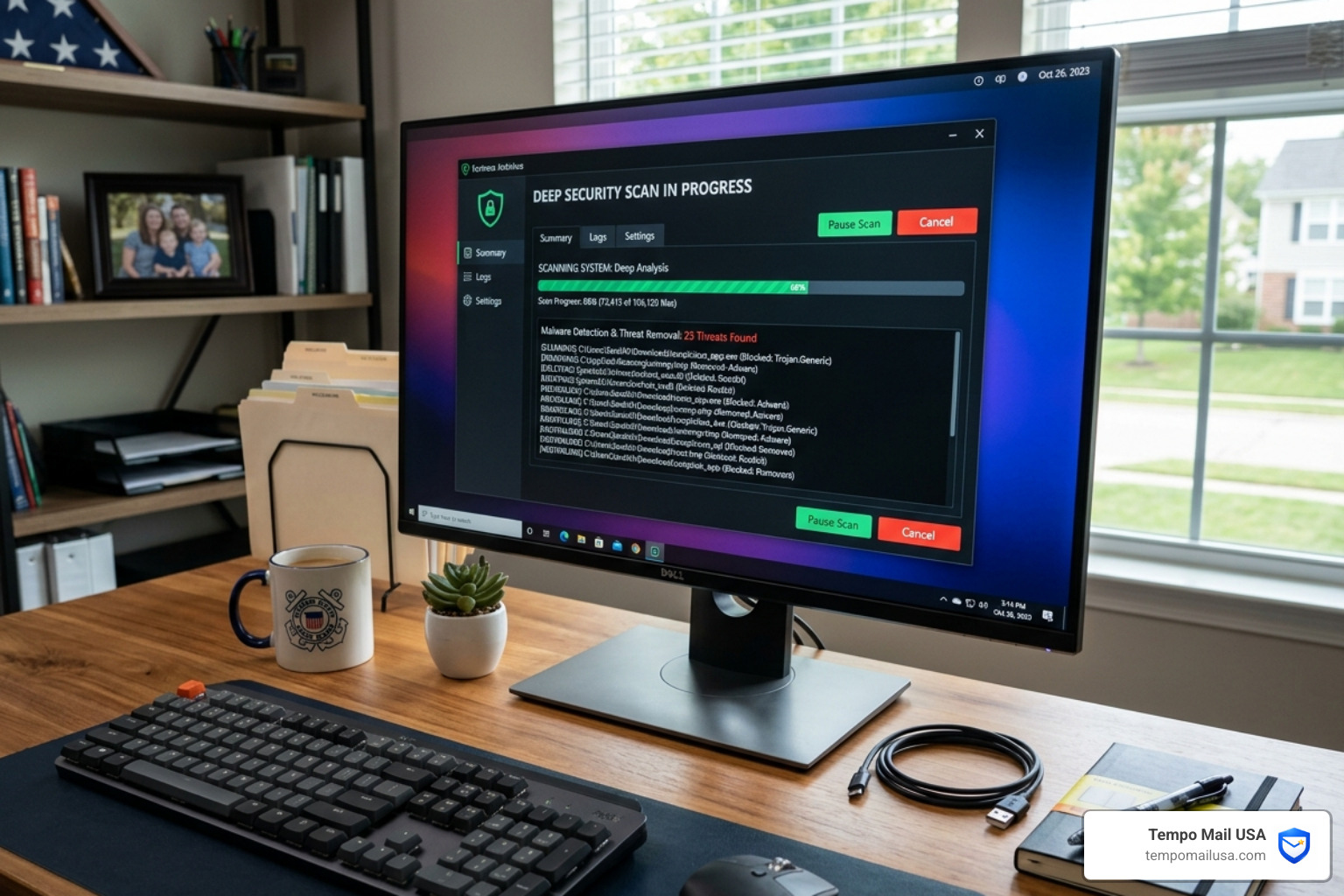
- Run a Deep Scan: Use a trusted tool like Malwarebytes to check for any hidden "backdoor" programs the scammer may have left behind.
- System Restore: If you suspect deep infection, restoring your computer to a date before the scam call can often wipe out malicious changes.
Securing Your Financial Perimeter
If the scammer saw your bank screen or if you gave them credit card info:
- Call Your Bank: Use the number on the back of your card. Tell them you were a victim of a "Tech Support Scam." They can freeze your accounts and issue new cards.
- Change Passwords: Update your passwords for your email, bank, and any major shopping sites. We highly recommend using a password manager and enabling Two-Factor Authentication (2FA).
- Place a Credit Freeze: This prevents scammers from opening new lines of credit in your name.
Understanding the Identity Theft Protection Cost Exposed What You Really Get can help you decide if a professional monitoring service is right for your recovery phase.
Building a PII Firewall: Advanced Protection Strategies
The reason these scammers have your email address in the first place is often due to data breaches or data brokers selling your "Personally Identifiable Information" (PII). To stop the norton lifelock scam for good, you need to change how you share your data.
Transitioning to a Zero-Trust Email Model
At Tempo Mail USA, we advocate for a "PII Firewall." Instead of giving your real, primary email address to every service you sign up for, use a temporary email alias.
By using an alias from tempomailusa.com, you create a secure proxy. If a service you use gets breached, the scammers only get a "proxy" address that you can delete instantly. This keeps your real inbox clean and makes it impossible for "Norton" scammers to find you. It’s the ultimate digital hygiene practice for 2026.
Long-Term Identity Defense
Beyond email aliases, consider these "Expert Tier" defenses:
- Advanced Encryption: Use a secure VPN to mask your IP address and encrypt your traffic, especially on public Wi-Fi. We recommend Advanced Encryption via NordVPN as a top-tier choice for privacy.
- Data Removal Services: Use tools that automatically send "opt-out" requests to data brokers to get your name and address off the market.
- Dark Web Monitoring: Ensure you are alerted the moment your credentials appear on underground forums.
Frequently Asked Questions about Norton LifeLock Scams
How can I tell if a Norton renewal email is legitimate?
Check the sender's domain against official lists like @norton.com or @lifelock.com. Look for your specific member ID and check the greeting; legitimate emails will use your full name, not "Dear Customer." Finally, verify the charge amount—scammers often inflate prices to $300–$1,000, whereas standard rates are usually $50–$100.
What should I do if I gave a scammer remote access to my computer?
Immediately disconnect your internet by turning off Wi-Fi or unplugging your Ethernet cable. Uninstall any remote software like AnyDesk or TeamViewer. Run a deep malware scan with trusted security software and contact your bank immediately to freeze all accounts and cards that may have been visible during the session.
Does Norton LifeLock ever call you unsolicited about a virus?
No. Legitimate security companies like Norton and Microsoft do not make unsolicited outbound calls to report viruses or demand immediate payment for renewals via phone. If someone calls you claiming to be "Norton Support" without you initiating the contact, it is a scam.
Conclusion
The norton lifelock scam relies on one thing: your reaction. By staying calm, verifying the sender, and using privacy-first tools like Tempo Mail USA, you can effectively "starve" these scammers of the data and the attention they need to succeed.
Protecting your identity in 2026 isn't just about having an antivirus; it's about building a perimeter around your personal data. Be skeptical of "urgent" invoices, never grant remote access to unsolicited callers, and always use a PII firewall to keep your real identity safe.
For more information on the real costs of staying safe, read our breakdown on Identity Theft Protection Cost Exposed What You Really Get or visit us at tempomailusa.com to start your privacy journey today.