


Identity Theft Is Costing Americans Billions — Here's What Actually Protects You
The Best Identity Theft Protection Services in 2026 are listed below, so you can find the right fit fast:
| Service | Best For | Starting Price | Insurance Coverage |
|---|---|---|---|
| Aura | Best Overall | ~$12/mo | Up to $1M |
| LifeLock | Digital Identity | ~$3.33/mo | Up to $3M |
| Identity Guard | AI-Powered Alerts | ~$8.99/mo | Up to $1M |
| IdentityForce | Family Protection | ~$19.90/mo | Up to $2M |
| PrivacyGuard | Budget + Credit | ~$9.99/mo | Up to $1M |
| Experian IdentityWorks | Credit-First | Free–$34.99/mo | Up to $1M |
Imagine waking up to find your bank account drained, your credit cards maxed out, and your credit score in ruins. It happens more than most people think.
Every 22 seconds, someone in the United States becomes a victim of identity theft. In 2023 alone, American adults lost $43 billion to identity fraud — and that number keeps climbing. A single data breach in early 2024 exposed 26 billion records, earning it the nickname "the mother of all breaches."
The problem isn't just hackers. Every time you sign up for a website, app, or online service using your real email and personal details, you're adding your information to databases that can be breached, sold, or misused. For privacy-conscious people, that's a real and growing risk.
Identity theft protection services work by monitoring your personal information — your Social Security number, email, bank accounts, and more — across the dark web, public records, and data broker databases. When something looks wrong, they alert you fast. And if your identity is stolen, the best services help you recover it.
This guide breaks down exactly what to look for, who the top providers are, and how to choose the right level of protection for your situation.
What to Look for in the Best Identity Theft Protection Services
When we go shopping for the Best Identity Theft Protection Services, it’s easy to get blinded by flashy marketing. But at its core, a great service needs to be your digital "guardian angel." It should be watching the places you can’t see and alerting you before a small leak becomes a financial flood.
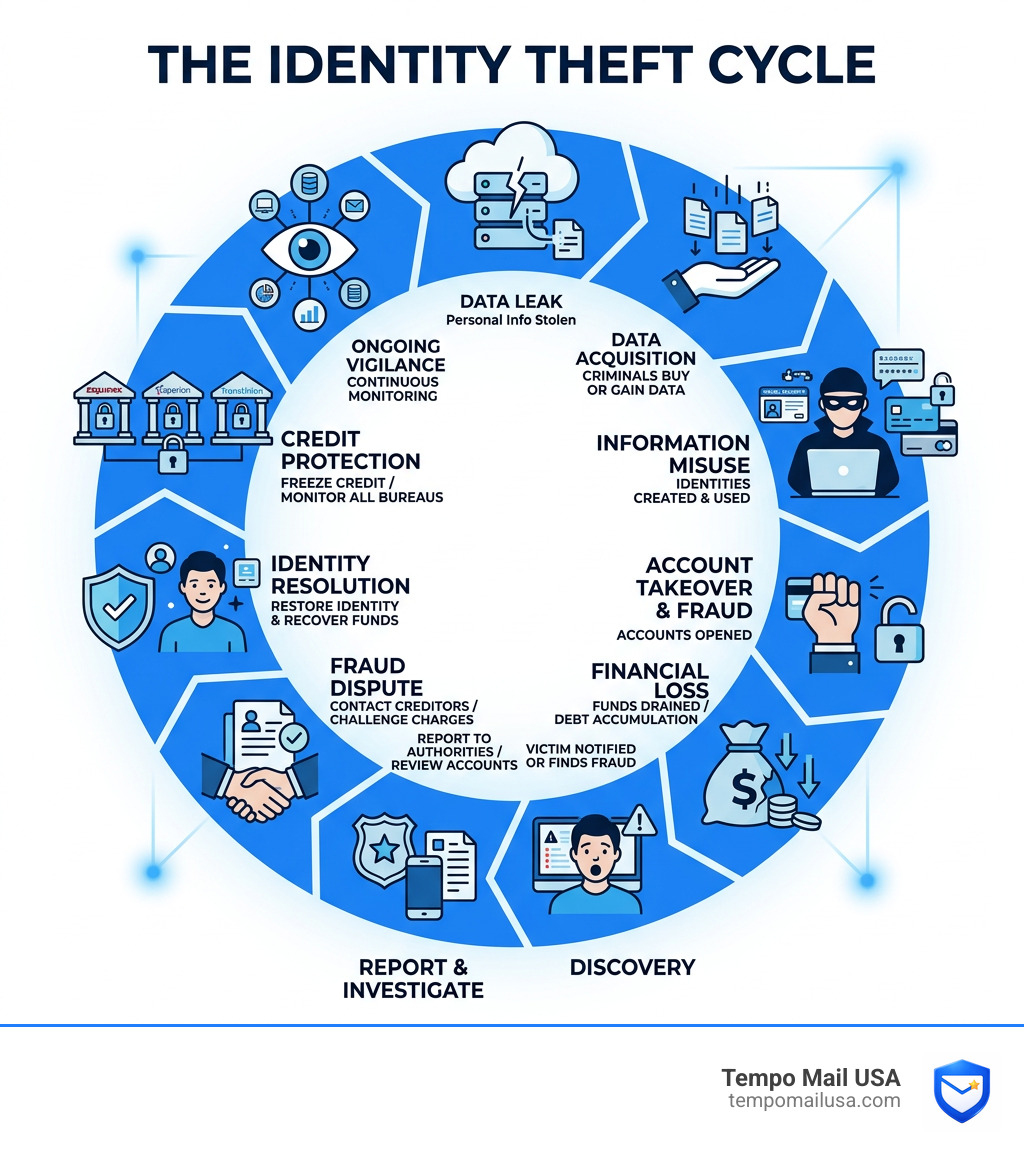
The gold standard for monitoring is three-bureau credit monitoring. While some basic plans only watch one bureau (like Experian), the top-tier services monitor Experian, Equifax, and TransUnion simultaneously. This is crucial because a thief might open a credit card that only reports to one of these agencies. If your service isn't watching all three, you might not know about the fraud until your debt is sent to collections.
Beyond credit, you need a service that dives deep into the "Dark Web." This is the underbelly of the internet where hackers sell lists of stolen emails, passwords, and Social Security Numbers (SSNs). Effective Best Identity Theft Protection Services will scan these marketplaces 24/7 and notify you the moment your PII (Personally Identifiable Information) appears.
We also recommend looking for services that monitor:
- SSN Alerts: Notifications if someone uses your Social Security number to apply for a job or file for a tax refund.
- Address Changes: Criminals often file a change of address with the USPS to reroute your mail (and your new credit cards) to their hideout.
- Court Records: Monitoring to ensure a criminal hasn't used your name during an arrest, giving you a surprise criminal record.
For a deeper dive into how these specific features stack up across different providers, you can check out our detailed guide on Best Identity Theft Protection USA: Top Services Compared.
Essential Features of Best Identity Theft Protection Services
If the worst happens and your identity is stolen, you don't want a "how-to" manual; you want a professional to fix it. This is where white-glove restoration comes in. Unlike self-guided services that just give you a checklist, white-glove services assign a dedicated specialist to handle the phone calls, paperwork, and disputes with banks and government agencies on your behalf.
Another non-negotiable is the Identity Theft Insurance. Most top services offer up to $1 million in coverage. However, it is vital to read the Summary of Benefits to understand what is actually covered. Typically, this insurance pays for:
- Legal Fees: Hiring lawyers to clear your name.
- Lost Wages: Compensation for the time you take off work to meet with investigators or attend court.
- Fraud Remediation: Costs associated with refiling applications or notarizing documents.
Advanced Monitoring in Best Identity Theft Protection Services
For those who want total peace of mind, premium plans offer "niche" monitoring that can be incredibly valuable. Home title monitoring is a big one; it alerts you if someone tries to forge your signature to transfer your home's deed to themselves or take out a fraudulent home equity loan.
We also see a rise in synthetic identity theft protection. This is where a thief combines real info (like a child's SSN) with fake info to create a completely new "person" who can rack up debt. Advanced services also watch for:
- Payday Loans: Monitoring non-credit inquiries at short-term lenders.
- 401k & Investment Accounts: Watching for unauthorized withdrawals from your retirement nest egg.
- Social Media Monitoring: Alerting you if your accounts are hacked or if someone is impersonating you to scam your friends.
Understanding the Impact and Types of Identity Fraud
Identity theft isn't just about someone buying a flat-screen TV on your credit card. The impacts are deep and varied. According to identity fraud statistics, victims don't just lose money; they lose time, sleep, and sometimes even their jobs.
Common types of fraud include:
- Financial Identity Theft: The most common type, involving stolen bank accounts or credit cards.
- Medical Identity Theft: Someone uses your info to get medical care or prescriptions, which can lead to life-threatening errors in your own medical records.
- Tax Fraud: A thief files a return in your name to steal your refund.
- Child Identity Theft: Children are "blank slates" with clean credit. Thieves use their SSNs for years, and the child only finds out when they apply for their first student loan.
The emotional toll is often the hardest part. The feeling of violation and the months-long process of "Credit Destruction" can be overwhelming. This is why being proactive is so much better than being reactive.
Comparing Plan Tiers: Individual vs. Family Protection
Choosing between an individual or family plan usually comes down to "bang for your buck." Most Best Identity Theft Protection Services offer significant discounts if you protect the whole household.
| Feature | Basic Plan | Premium Plan | Family Plan |
|---|---|---|---|
| Monitoring | 1-Bureau Credit | 3-Bureau Credit | 3-Bureau Credit |
| Insurance | $1 Million | $1 Million+ | $1M per adult / $2M total |
| Cyber Tools | Limited | VPN + Antivirus | Full Suite + Kids Safety |
| Child Coverage | None | Optional Add-on | Included (up to 10 kids) |
| Restoration | Guided | White-Glove | White-Glove |
Family plans are particularly impressive because they often include "unlimited" child monitoring. Since kids don't usually have credit reports, these services monitor the dark web for their SSNs and watch social media for cyberbullying or predatory behavior. Many services now bundle in cybersecurity extras like VPNs, password managers, and antivirus software, which adds massive value if you aren't already paying for those separately.
How to Choose the Right Service for Your Needs
With so many options, how do you pick? We recommend starting with a risk assessment. Are you a frequent online shopper? Do you have a high net worth? Are you a senior who might be more targeted by scammers?
- Budgeting: You can find basic protection for around $8–$10 a month, while "all-in" family suites can run $30–$50.
- Free vs. Paid: You are entitled to one free credit report from each agency annually at AnnualCreditReport.com. However, this is a manual process. Paid services offer the convenience of automation and the safety net of insurance.
- User Experience: Check if the service has a highly-rated mobile app. You want to be able to "freeze" your credit or respond to an alert with one tap on your phone.
- Guarantees: Look for services that offer a 30-day or 60-day money-back guarantee. This allows you to see if the dashboard is easy to use before committing to an annual plan.
Frequently Asked Questions about Identity Protection
What is the difference between credit monitoring and identity protection?
Credit monitoring is a subset of identity protection. Credit monitoring only watches your credit reports for new accounts or inquiries. Best Identity Theft Protection Services go much further—they monitor your PII (like your SSN and email) across the dark web, check public records for criminal activity in your name, and watch for "non-credit" threats like payday loans or medical fraud.
Is identity theft insurance worth it?
Absolutely. While it won't replace "stolen money" in most cases (banks usually cover that), it covers the massive "out-of-pocket" expenses of recovery. If you have to hire a lawyer to fight a fraudulent judgment or take two weeks off work to fix your records, that $1 million policy is a lifesaver.
How do I report a stolen identity?
If you suspect your identity has been stolen, your first stop should be IdentityTheft.gov. This is the FTC’s official portal where you can file a report and get a recovery plan. You should also:
- Contact the three major credit bureaus to place a fraud alert or credit freeze.
- File a police report to have an official record of the crime.
- Notify your bank and credit card issuers immediately.
Conclusion
In an era where data breaches are a weekly occurrence, a proactive defense is no longer optional—it's essential. While the Best Identity Theft Protection Services provide a vital safety net and expert restoration support, they are just one part of your digital footprint.
At Tempo Mail USA, we believe the best way to stop identity theft is to prevent your data from being stolen in the first place. By using our temporary email aliases, you create a PII firewall. Instead of giving every random website your real email address—which is often the "key" to your digital life—you give them a secure alias. If that site is ever breached, your real identity remains safe and shielded.
Combine the monitoring power of a top-tier protection service with the privacy-first approach of Tempo Mail USA. Together, we can make sure your personal information stays exactly where it belongs: with you.