

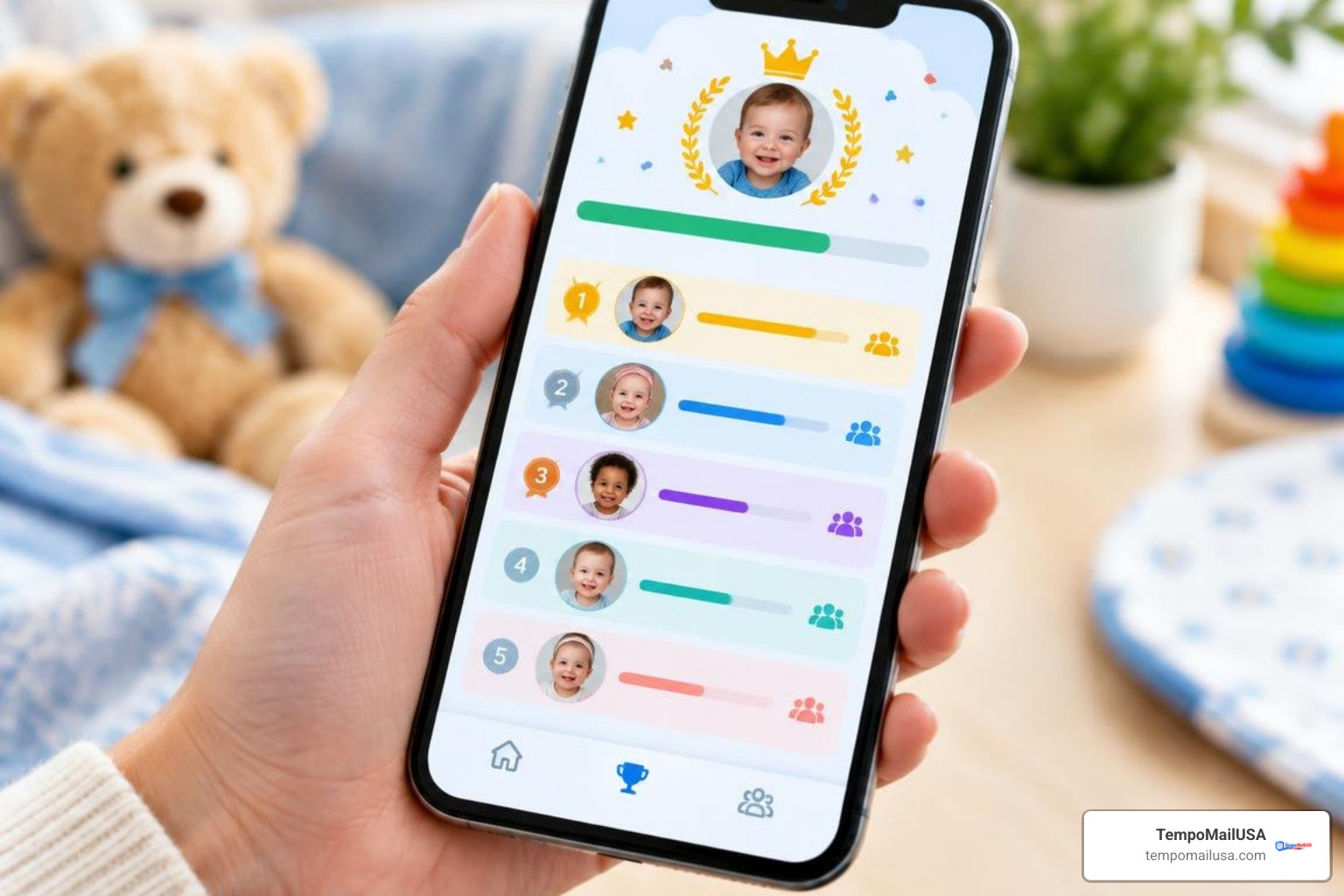

Is Baby of the Year a Scam or a Legitimate Fundraiser?
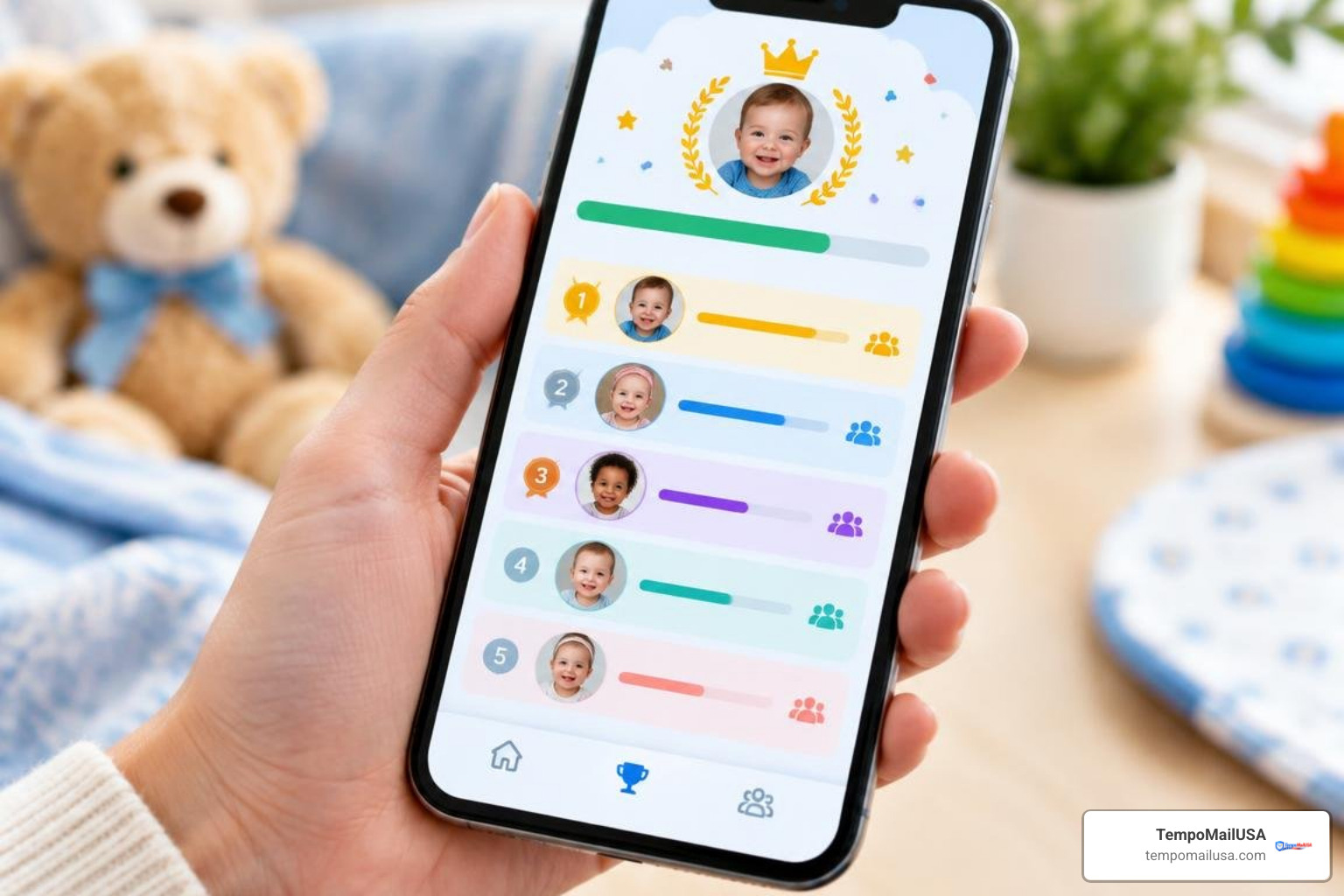
To answer whether the competition is fraudulent, we have to separate criminal deception from aggressive marketing. The Baby of the Year competition is not a fly-by-night operation where an anonymous actor steals registration fees and vanishes. It operates as a commercial fundraising enterprise that blends elements of an online pageant with nonprofit fundraising.
The tournament is managed by Colossal Management LLC, a registered commercial fundraiser, operating alongside DTCare, a recognized 501(c)(3) public charity that acts as the fiscal intermediary. While the competition delivers its promised financial prize, its mechanics differ sharply from traditional, judged baby photo contests.
| Contest Feature | Traditional Baby Contests (e.g., Gerber) | Pay-to-Win Competitions (e.g., Baby of the Year) |
|---|---|---|
| Entry Cost | 100% Free | Free entry, but monetization relies on paid votes |
| Judging Criteria | Independent panel of visual and brand judges | Number of public votes cast (often driven by financial donations) |
| Ranking Visibility | Single transparent finalist pool | Segmented micro-groups (hundreds of separate "#1" leaders) |
| Monetary Influence | Zero correlation between money spent and winning | Direct mathematical advantage for contestants buying additional votes |
| Data Licensing | Limited campaign usage rights | Broad, perpetual commercial usage licenses for submitted imagery |
| Charity Connection | Direct corporate philanthropy | Percentage-based pass-through via fiscal intermediary |
Understanding these distinctions helps clarify why many consumer advocates perform an investigative analysis of contest mechanics before recommending participation to parents.
How the Colossal Competition and DTCare Partnership Actually Operates
The backbone of the tournament relies on a partnership between a commercial operator and a charitable intermediary. Colossal Management LLC organizes the platform, runs public relations, handles server infrastructure, and manages voting leaderboards.
When participants or their families purchase additional votes, payments flow directly through DTCare, a registered charity. DTCare collects the funds, retains the designated operational and processing percentages, and subsequently grants the remainder to the competition’s featured philanthropic partner.
The grand prize includes a $25,000 cash payout to the winning family along with promotional exposure, such as an appearance in an advertising spread associated with Good Housekeeping or Variety.
Skeptics often cite past legal scrutiny regarding similar voting tournaments. For instance, a 2021 class-action lawsuit filed in Orange County Superior Court challenged the mechanics of another Colossal-managed tournament (Favorite Chef), alleging it functioned as an unlawful lottery. However, the court dismissed the case after finding that the free daily voting option and transparent charitable framework complied with statutory contest laws.
Where Does the Money Go: Baby2Baby Donations vs. Operator Fees
A central element of the competition's legitimacy is its beneficiary: Baby2Baby. Baby2Baby is a national nonprofit organization holding a 96% rating on Charity Navigator for accountability and finance. Over the last 15 years, the organization has distributed more than 500 million critical items—including diapers, formula, and clothing—to families in need across all 50 states.
The tournament has successfully driven substantial funding, contributing to a $45 million grant milestone for the charity. Furthermore, over $24 million was raised and distributed through DTCare across various partner campaigns in 2024 alone. Colossal has similarly raised over $19 million for the National Breast Cancer Foundation across recent initiatives.
However, parents must examine the financial breakdown:
- The Donation Split: Approximately 50% of the gross proceeds from paid votes go toward the charitable mission of Baby2Baby.
- Operational Cut: The remaining 50% covers credit card processing, digital platform maintenance, advertising expenses, administrative overhead, and organizer compensation.
- Tax Deductibility: Because payments for extra votes are classified as donations to DTCare, they may offer tax deduction receipts to donors, but the primary utility purchased is leaderboard points for the baby.
Deconstructing the Mechanics Behind Viral Baby Competitions
The viral growth of baby tournaments is driven by calculated behavioral mechanics. Understanding the software setup reveals why parents experience an emotional rollercoaster as their child progresses through the voting tiers.
Evaluating Why Parents Ask Is Baby of the Year a Scam
When evaluating whether is baby of the year a scam or simply an aggressive enterprise, user sentiment often stems from the psychological pressure built into the voting funnel. A parent enters assuming the process is an objective beauty or charm showcase, only to be confronted with persistent notifications urging them to purchase votes to maintain their ranking.
An independent contest breakdown reveals that while the free vote allows baseline participation, the leaderboard is heavily influenced by financial volume. When families spend hundreds of dollars on votes only to be eliminated in later rounds, feelings of exploitation emerge. The model is built on crowdfunding mechanics, turning parental devotion into a financial contest.
Celebrity Ambassadors and Magazine Exposure Explained
Promotional banners frequently showcase prominent figures such as Jessica Alba, Paris Hilton, and Jenna Dewan, alongside partnerships with major brands like The Honest Company and Graco.
These celebrity connections are authentic but require context:
- Board Relationships: Figures like Jessica Alba champion the competition primarily through their positions on Baby2Baby’s board of directors or through brand alignment with clean family products.
- Paid Media vs. Editorial Selection: The promised magazine feature—such as appearing in Good Housekeeping or Variety—is typically an integrated advertising placement funded by the competition operators, rather than an editorial honor earned through traditional magazine talent scouting.
Micro-Groups and the Illusion of Top Rankings
The most common source of confusion is the "Micro-Group" architecture. If 60,000 infants enter a nationwide contest, displaying a single master list where a child is ranked #48,200 would discourage participation.
To maintain engagement, the platform segments entrants into hundreds of isolated micro-groups containing 40 to 60 babies each.
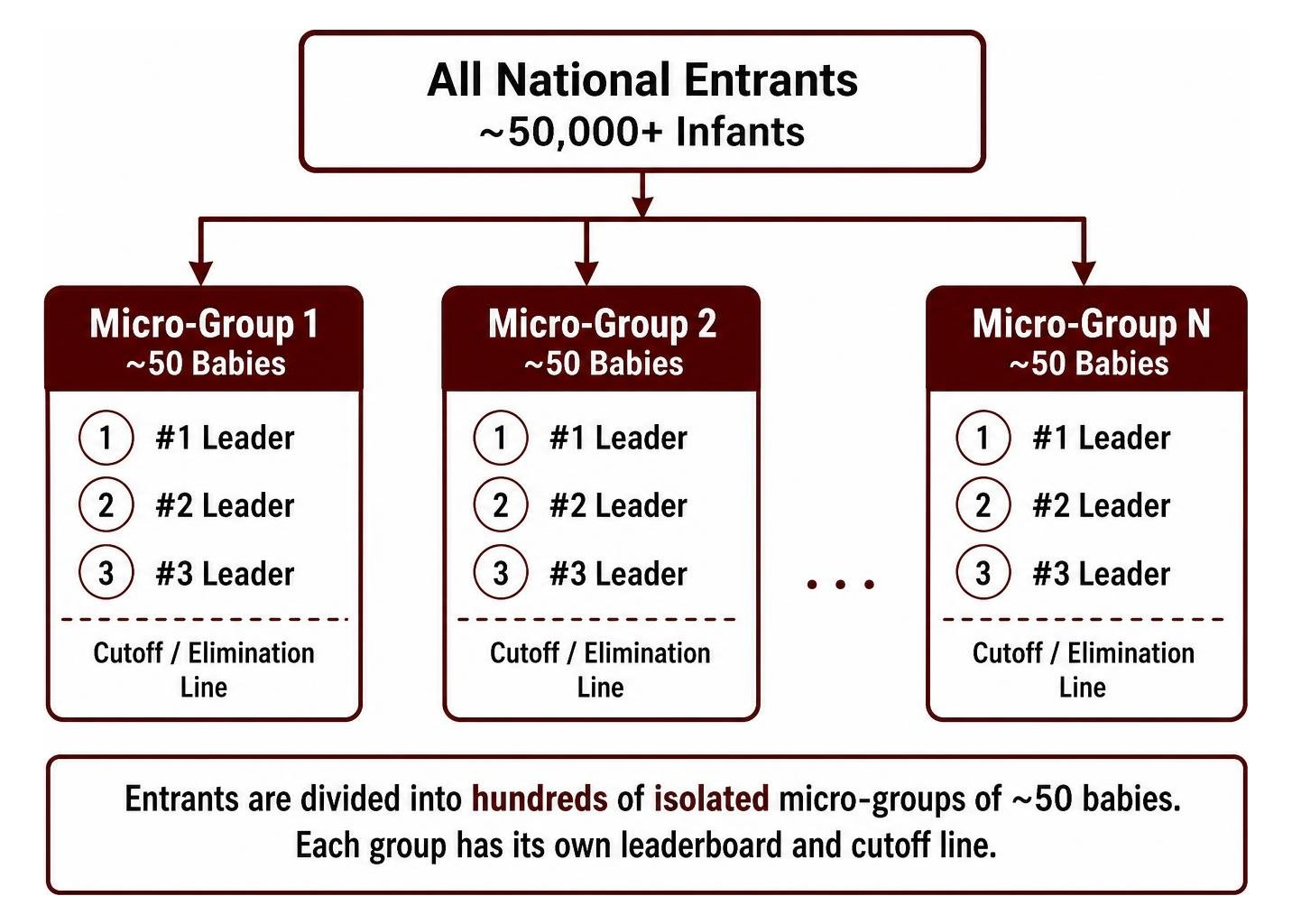
This structure produces specific psychological triggers:
- The "1st Place" Notification: Parents receive an alert stating their baby is in 1st or 2nd place. In reality, the child is leading a tiny group of 50 infants, not the national leaderboard.
- Urgency Triggers: Countdown clocks warn parents that the voting cutoff is approaching, prompting social media blasts and personal payments to stay above the elimination line.
- Progressive Cull Stages: As rounds conclude, groups are merged, requiring higher volumes of paid and free votes to survive subsequent group cuts before reaching the semifinals.
Similar operational strategies are documented in other digital categories; for instance, understanding is toddler of the year a scam follows an identical analysis of micro-group mathematics.
Hidden Risks: Child Privacy, Data Harvesting, and Phishing Threats

While the competition delivers its cash rewards to verified winners, the digital risks associated with mass-entry online contests remain a serious consideration for modern families.
Perpetual Likeness Rights and Facial Recognition Scraping
Submitting photos to public voting portals involves broad terms of service agreements. When uploading baby images, parents frequently grant operators a non-exclusive, sublicensable, worldwide license to use the pictures for promotional materials across digital and print media.
Publicly accessible photo profiles present other digital safety considerations:
- Facial Recognition Datasets: Publicly accessible high-resolution baby pictures can be scraped by automated bots to train computer vision models or generative AI datasets.
- Synthetic Identity Creation: Combining an infant's full legal name, precise age, birth month, and hometown allows threat actors to harvest data used in long-term identity impersonation schemes.
- Metadata Leakage: Uploading raw photos directly from mobile devices without stripping EXIF metadata can reveal precise GPS home coordinates and camera timestamps to unauthorized third parties.
When participating in open-web activities, safeguarding your primary identity credentials prevents long-term exposure. Checking resources like is my email on the dark web helps verify if your historical credentials have been compromised in data harvests, while being aware of how personal details circulate on dark web markets highlights the real-world impact of personal info dark web sale.
Secondary Fraud: Spam, Phishing Schemes, and Third-Party Voting Packages
Entering public contests creates secondary risks across your communication channels. Once your contact email and profile link are posted online, bad actors use that visibility for targeted attacks.
Common external threats include:
- Third-Party Vote Sellers: Unofficial Facebook groups and direct messages offering "guaranteed 1,000 votes for $50." These services use stolen credit cards or automated scripts, which directly violate competition rules and result in instant disqualification.
- Impersonation Scams: Fraudulent accounts mimicking contest officials claiming, "Your baby won a special spotlight prize, click here to pay the shipping fee."
- Phishing Infiltration: Attackers deploy deceptive links mimicking popular shopping or delivery notices to exploit parents managing multiple incoming registrations. Familiarity with tactics like an amazon recall text scam or deceptive amazon order confirmation phishing protects households from clicking unverified messages.
When evaluating external online platforms, parents should apply the same rigorous digital hygiene used when assessing whether is shein a scam or legit or when exploring enterprise risks like dark web threat monitoring service and tools related to phishing kit purchase dark web.
Step-by-Step Verification Checklist Before Entering Online Contests
Before submitting photos or inviting family to vote, run through this practical checklist to protect your finances and personal data.
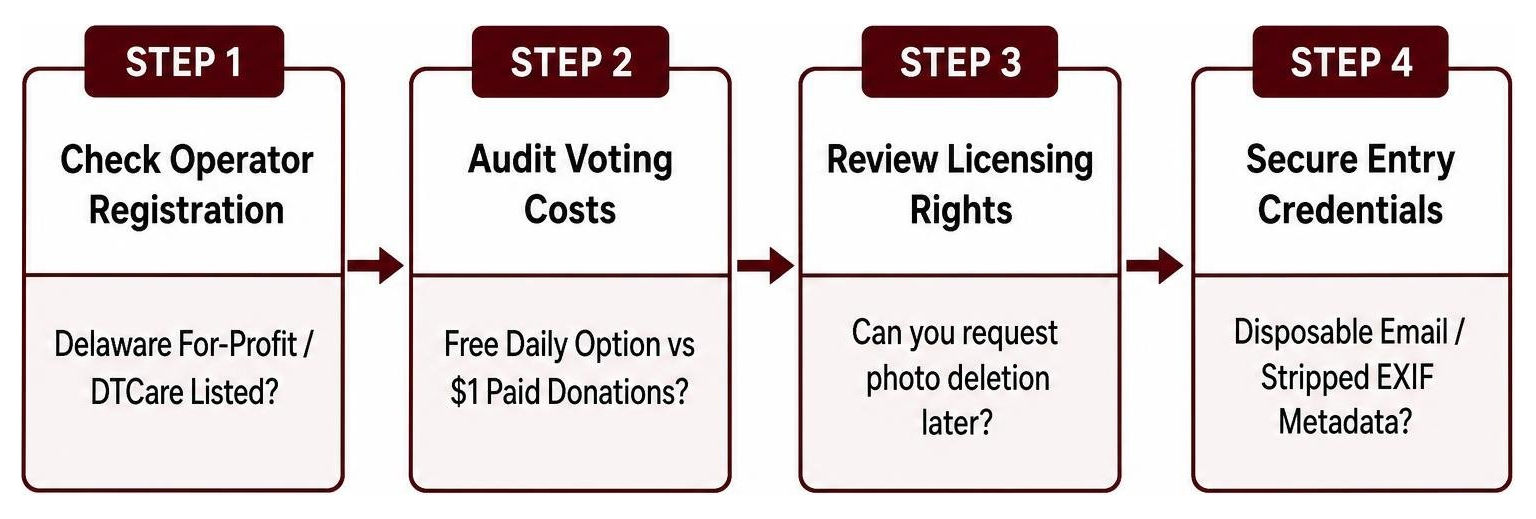
- Verify Corporate and Charity Credentials:
- Confirm the operating entity is transparently identified in the website footer.
- Cross-reference the fiscal sponsor on Charity Navigator to verify active 501(c)(3) standing.
- Scrutinize the Fee Disclosure:
- Confirm what percentage of paid votes reaches the non-profit partner versus platform maintenance.
- Understand that paid voting operates on a donation-per-vote model, not guaranteed placement.
- Audit Image Licensing Policies:
- Review the terms to see if you can revoke permission or have photos deleted if you withdraw.
- Check whether entrant names and hometowns are publicly indexed on commercial search engines.
- Deploy Privacy Safeguards:
- Strip EXIF location metadata from images before uploading.
- Never publish a child's complete birth date, middle name, or routine geographical locations.
- Register using a dedicated disposable inbox to isolate marketing blasts and avoid credential leaks. Using tools like a temp mail not blocked by amazon or a fast temp mail for amazon ensures your primary inbox remains clean during verification sign-ups.
Key Red Flags When Deciding Is Baby of the Year a Scam
Watch for specific warning signs that distinguish predatory platforms from legitimate, transparent events:
- Unsolicited Direct Messages: Receiving an unsolicited message on social media claiming your child was "scouted" or handpicked by a modeling director.
- Mandatory Upfront Entry Fees: Any baby competition requiring an entry fee between $50 and $500 simply to submit a photo. Genuine events allow free entry.
- Opaque Financial Accounting: Portals that mention "supporting children's charities" without naming the specific non-profit partner or disclosing the fiscal split.
- Aggressive Urgency Clocks: Countdown timers that constantly reset to manufacture panic and stimulate immediate credit card transactions.
For a deeper dive into past participant journeys, read a semifinalist's honest answer regarding day-to-day leaderboard realities.
Practical Steps to Protect Your Child's Identity and Digital Footprint
If you choose to participate in an online voting event, minimize your family's digital exposure:
- Disable Geo-Tagging: Turn off camera location services on your smartphone before capturing entry photos.
- Limit Descriptive Text: Avoid writing detailed biographical bios in the entry description that reveal older siblings' schools, family workplaces, or local neighborhoods.
- Use Email Aliases: Maintain strict separation between your personal inbox and public voting portals using disposable addresses that can be abandoned if spam volumes surge.
Frequently Asked Questions About Baby Photo Contests
Can you win Baby of the Year without buying votes?
Mathematically, winning the grand prize purely through free daily votes is extremely difficult. Because the tournament permits unlimited donation-based votes at approximately $1 per vote, finalists often rely on large networks or significant personal donations to maintain first-place rankings in later rounds. While free daily votes can carry an entrant through opening rounds, the final stages are dominated by high-volume fundraising.
How do I remove my baby's photo and data from the contest?
To delete an entry, locate the privacy or support email address listed in the competition's official terms of service. Send a formal deletion request containing your registered email address, your child's profile URL, and an explicit demand to delete all submitted images and database records. Operators are obligated under standard digital privacy regulations to remove the public profile.
Has anyone actually received the $25,000 grand prize?
Yes, verified winners exist and receive their designated awards. Past winners, such as Luca and Sloane Maya, have been featured in post-competition press releases, national ad layouts, and media coverage in publications like Variety. The prize money is disbursed in accordance with official competition rules following tax documentation verification.
Conclusion
When asking whether the Baby of the Year competition is a scam, the reality is nuanced: it is a legally compliant, commercially operated fundraising competition that delivers real prize money and generates millions of dollars for charitable causes. However, its pay-to-win dynamics, micro-group leaderboards, and broad data permissions make it feel predatory to many participating parents.
Before entering your child into any viral contest, read the fine print, evaluate whether you are comfortable with public photo sharing, and establish clear spending boundaries. Protect your household's digital presence and learn more about mastering inbox security and eliminating spam with privacy-focused temporary email protection.