


Is Shein a Scam? Here's the Quick Answer
Is Shein a scam is one of the most searched questions about the brand — and it's a fair one to ask.
Here's the short answer upfront:
Shein is a legitimate company, not a scam. It is a real retailer headquartered in Singapore with $38 billion in sales in 2024. Orders do get delivered. But shopping there comes with real risks you should know about before handing over your personal data or payment details.
Quick Verdict:
| Category | Rating |
|---|---|
| Legitimacy | Legitimate business |
| Overall Risk Level | Medium |
| Data Privacy Risk | High (2018 breach: 39M accounts) |
| Product Quality | Inconsistent |
| Customer Service | Poor (BBB D rating) |
| Payment Security | Adequate, but use PayPal |
So no, Shein won't take your money and disappear. But legitimate doesn't mean risk-free.
Millions of people order from Shein every day — it was the second most downloaded shopping app worldwide in 2024. Yet the platform carries serious concerns around data security, product quality, and privacy. And for anyone cautious about where their personal information ends up, those concerns matter a lot.
This guide breaks down exactly what those risks are, who actually faces them, and how to protect yourself if you do decide to shop there.
Is Shein a Scam or a Legitimate Retailer?
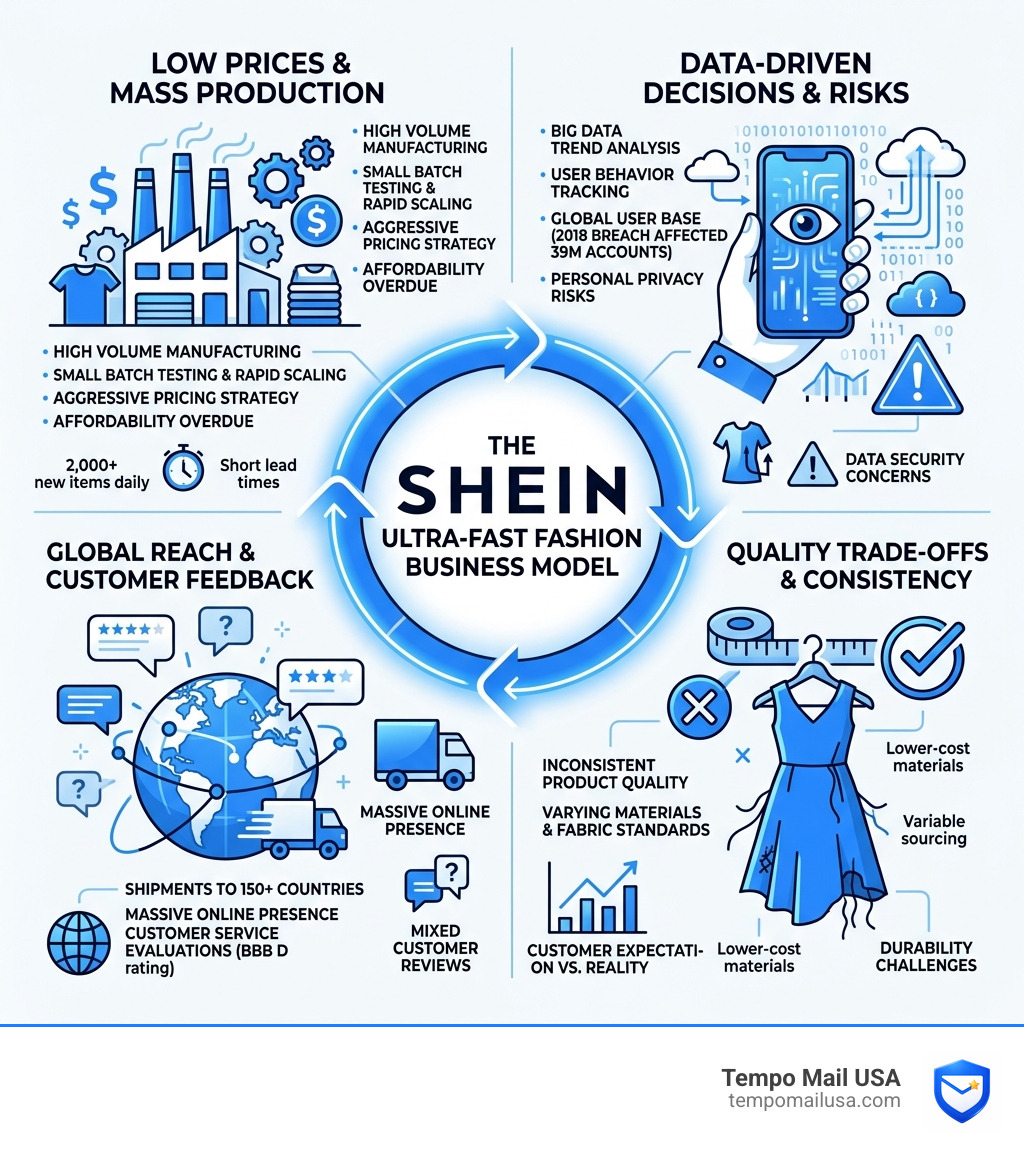
When we see a dress for $5 or a pair of shoes for $12, our "scam radar" naturally starts pinging. However, Shein is a massive, global entity. Originally founded in 2008 in China as a marketplace for wedding dresses, it rebranded to Shein in 2015 and eventually moved its headquarters to Singapore.
Today, it is a retail titan. In 2024 alone, Shein reported sales of $38 billion and currently holds a valuation of roughly $45 billion. It isn't a "fly-by-night" operation; it employs over 16,000 people and ships to more than 150 countries. According to Shein's history and operations, the brand has successfully disrupted the traditional mall-based retail model by moving everything online and utilizing an ultra-fast supply chain.

While the company is real, the popularity of the brand has unfortunately made it a magnet for actual scammers who impersonate the site. To help you distinguish between the real deal and a fraudulent setup, we’ve put together this comparison table:
Official Shein vs. Common Scam Sites
| Feature | Official Shein | Scam Websites |
|---|---|---|
| URL/Domain | shein.com (or official app) | shein-sale.com, she1n.net, etc. |
| Prices | Low, but consistent with fast fashion | "Too good to be true" (e.g., $1 for everything) |
| Payment | Secure (PayPal, Credit Card, Klarna) | Wire transfers or suspicious links |
| Contact | In-app support and tickets | No contact info or generic Gmail addresses |
| Spelling | Professional | Frequent typos and grammar errors |
Understanding the Risks: Data Privacy and Security
The real reason many people ask is shein a scam isn't because they think the clothes won't arrive—it’s because they are worried about their data. We have to be honest: Shein’s track record with data security is checkered.
In 2018, Shein’s parent company, Zoetop, experienced a massive data breach. This incident compromised the login details, email addresses, and even credit card information of nearly 39 million users. To make matters worse, the company was later fined $1.9 million for failing to notify users promptly. More recently, in 2022, further security incidents were reported, highlighting that as the company grows, so does the target on its back.
When you use the Shein app, it requests extensive permissions, including access to your location, camera, and storage. While these are often used for "visual search" or "sharing hauls," every piece of data you hand over is a potential liability if another breach occurs. According to a security analysis by ESET, while the site uses SSL encryption to protect transactions, the sheer volume of data collected makes "privacy hygiene" essential for every shopper.
How to spot if is shein a scam website
Cybercriminals love to ride the coattails of popular brands. They use a technique called "URL spoofing" to create websites that look exactly like Shein but are designed to steal your credit card info.
We recommend following these steps to stay safe:
- Check the URL: Always ensure you are on
shein.com. Watch out for "look-alike" domains likesheinbargains.comorshein-outlet.com. - Verify HTTPS: Look for the padlock symbol in your browser's address bar.
- Beware of Phishing: If you receive an email or text claiming you’ve won a "$750 Shein Gift Card," it is almost certainly a scam. These are designed to harvest your personal information.
- Avoid Fake Giveaways: Social media is full of "Shein Ambassador" scams. If a brand asks you to pay for "shipping" on a "free" item via a weird link, run the other way.
For a deeper dive into these technical traps, check out our In Depth Guide To Shein Is It A Scam.
Why the low prices make people ask is shein a scam
The prices on Shein are so low they seem impossible. How can a shirt cost $3? It isn't because of a scam; it's because of a business model that prioritizes volume and speed over everything else.
Shein uses a "small-batch" production method, ordering only 100 pieces of a design to see if it trends. If it does, they ramp up production instantly. However, this efficiency comes with a trade-off in material quality. Most items are made from polyester and synthetic blends. There have also been alarming reports regarding hazardous chemicals; some investigations found toddler jackets with 20 times the safe limit of lead and purses with 5 times the regulated amount of phthalates. When you pay pennies, you are often sacrificing durability and potentially safety.
Quality, Returns, and Customer Service Reality
If you browse Trustpilot or the Better Business Bureau (BBB), you’ll see a wave of frustration. As of April 2026, Shein holds a D rating from the BBB, with over 1,500 complaints filed in recent years. Most of these aren't about "scams" in the traditional sense, but about poor service.
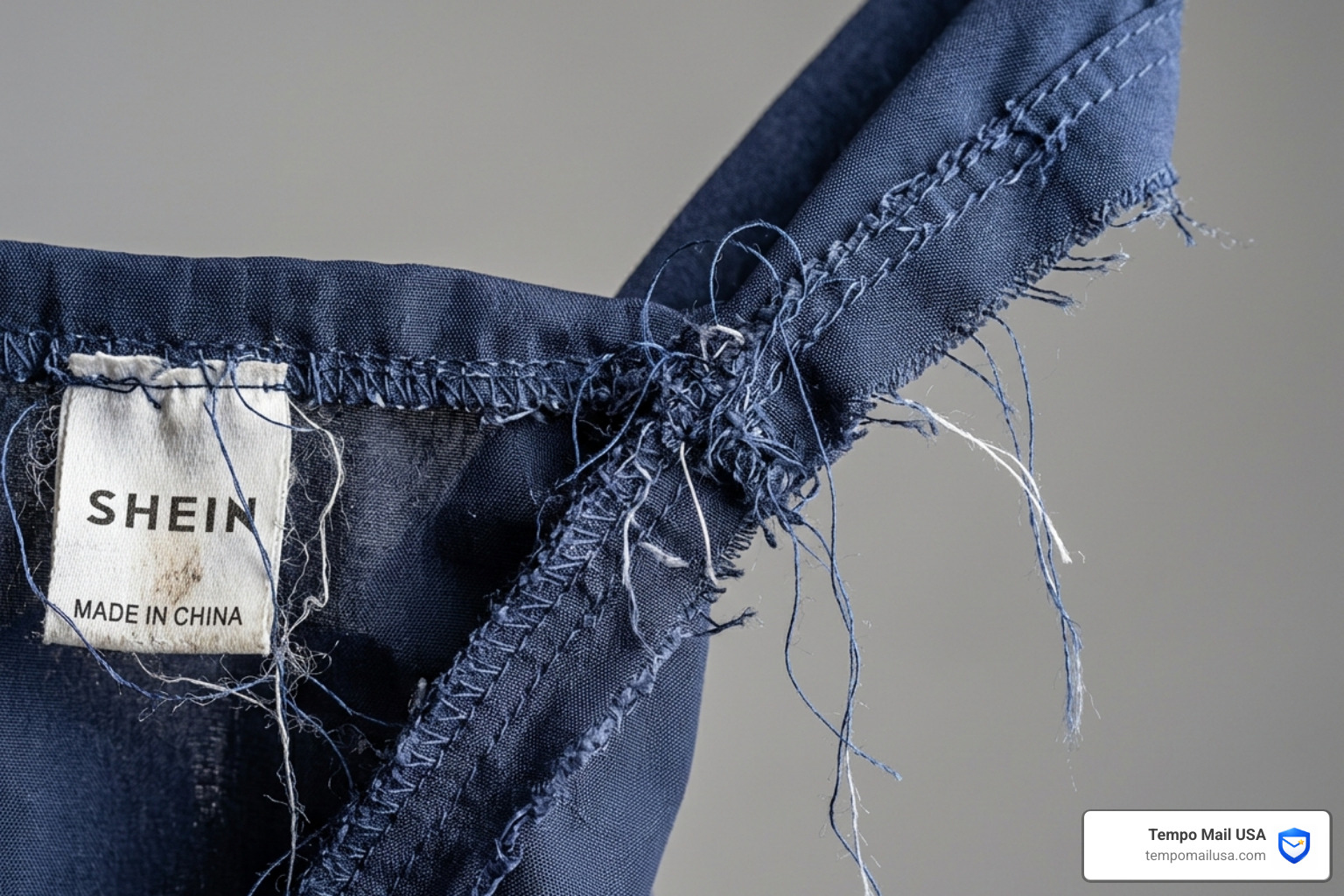
Common complaints include:
- Delivery Issues: Packages marked as "delivered" that never arrived.
- Refund Delays: It can take weeks for a refund to process after a return is received.
- Coupon Adjustments: If you return part of an order, Shein often recalculates your original coupon usage, which can result in a much smaller refund than expected—sometimes even zero dollars.
- Quality Discrepancies: The "Instagram vs. Reality" struggle is real. Fabrics are often thinner or have different textures than the professional photos suggest.
Shopping safely and avoiding is shein a scam traps
If you decide that the low prices are worth the risk, we suggest taking these proactive steps to protect your wallet and your identity:
- Use Secure Payments: Never enter your credit card details directly if you can avoid it. Use PayPal or a virtual credit card. These provide an extra layer of buyer protection and keep your real banking info off Shein's servers.
- Enable Two-Factor Authentication (2FA): Protect your account from takeovers by requiring a code sent to your phone.
- Scrutinize Reviews: Don't just look at the 5-star ratings (which are often incentivized by points). Look for reviews with actual photos from customers to see how the fabric hangs and fits.
- Check Sizing Charts: Shein's sizing is notoriously inconsistent. Always measure yourself and compare it to the specific chart for that item.
The Ethical Controversy: Labor and Sustainability
Beyond the question of is shein a scam, there is the question of is shein ethical. This is where the brand faces its heaviest criticism.
In 2023, Shein emitted 16.7 million metric tons of carbon dioxide—more than the yearly output of four coal power plants. This makes it the highest-emitting brand in the fast fashion world. The environmental toll of "disposable" clothing is staggering, with millions of tons of synthetic garments ending up in landfills every year.
The human cost is also under the microscope. Undercover investigations have revealed workers pulling 17-hour shifts for as little as $20 a day. In 2024, Shein even admitted to uncovering two instances of child labor in its supply chain. Furthermore, the brand is frequently sued by independent designers for Intellectual Property (IP) theft, with brands like Coach and Ralph Lauren also filing lawsuits over counterfeits. Even the French CNIL (data protection authority) fined a Shein subsidiary €150 million for failing to comply with basic cookie privacy rules.
Frequently Asked Questions about Shein Safety
Is it safe to use a credit card on Shein?
Technically, Shein is PCI DSS compliant, meaning they follow industry standards for payment security. However, given their history of data breaches, we strongly advise against saving your credit card information on the site. Instead, use a third-party processor like PayPal or a one-time virtual card. This ensures that if Shein is breached again, your primary bank account remains safe.
Does Shein sell your personal information?
Shein’s privacy policy states that they do not "sell" your data in the traditional sense. However, they do "share" it with a vast network of service providers, advertisers, and subsidiaries. As evidenced by the €150 million fine from France's CNIL, Shein has been caught in the past failing to respect user choices regarding tracking cookies. They collect everything from your browsing habits to your device ID to serve you targeted ads.
How do I contact Shein for a refund?
Shein does not have a traditional customer service phone number. You must use their "Support" section in the app or website.
- Go to Me > Support > Customer Service.
- Start with the chatbot, but if it can't solve your issue, ask to "Submit a Ticket."
- Be prepared to provide photos of the item, the packaging, and your order number.
- While the first return is often free, subsequent returns from the same order usually carry a $7.99 fee.
Conclusion
So, is shein a scam? No. It is a legitimate, multi-billion dollar business that will likely deliver the clothes you ordered. However, it is a high-risk platform from a privacy and quality perspective. Between the 2018 data breach, the D rating from the BBB, and the ongoing ethical controversies, it is a brand that requires a "buyer beware" mindset.
At Tempo Mail USA, we believe that your digital identity is your most valuable asset. When shopping on high-volume, data-hungry platforms like Shein, we recommend using a temporary email alias to shield your primary inbox from spam and potential data leaks. By acting as a firewall between you and the retailer, our services allow you to enjoy the bargains without leaving your personal life wide open to the next big breach.
Stay trendy, but more importantly, stay secure. For more tips on protecting your identity online, visit us at tempomailusa.com.