


The Wave of American Tax Advocates Scam Calls You Need to Know About
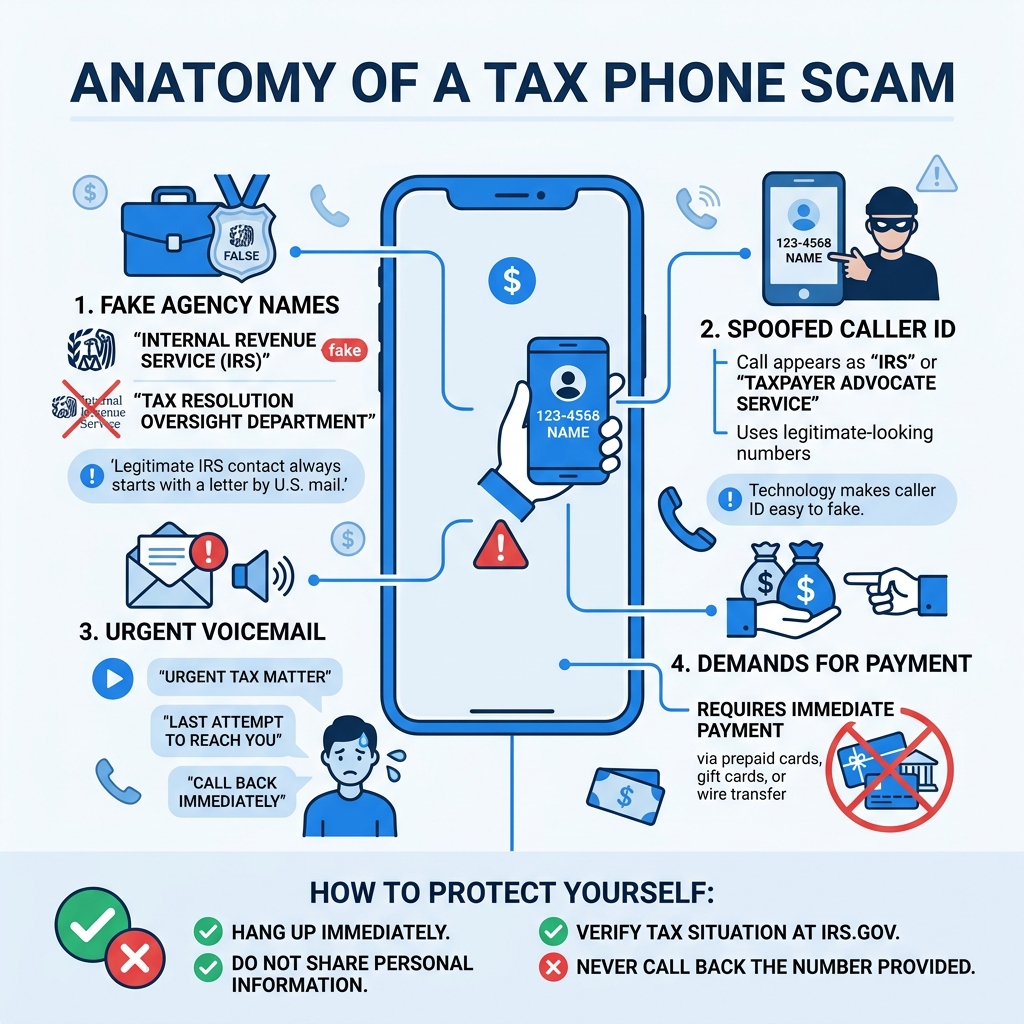
American tax advocates scam calls are fraudulent phone calls where criminals pretend to be from the IRS, the Taxpayer Advocate Service (TAS), or fake-sounding agencies like the "Tax Resolution Oversight Department." Their goal is simple: steal your money, your Social Security number, or both.
Are these calls real or a scam? Here's the quick answer:
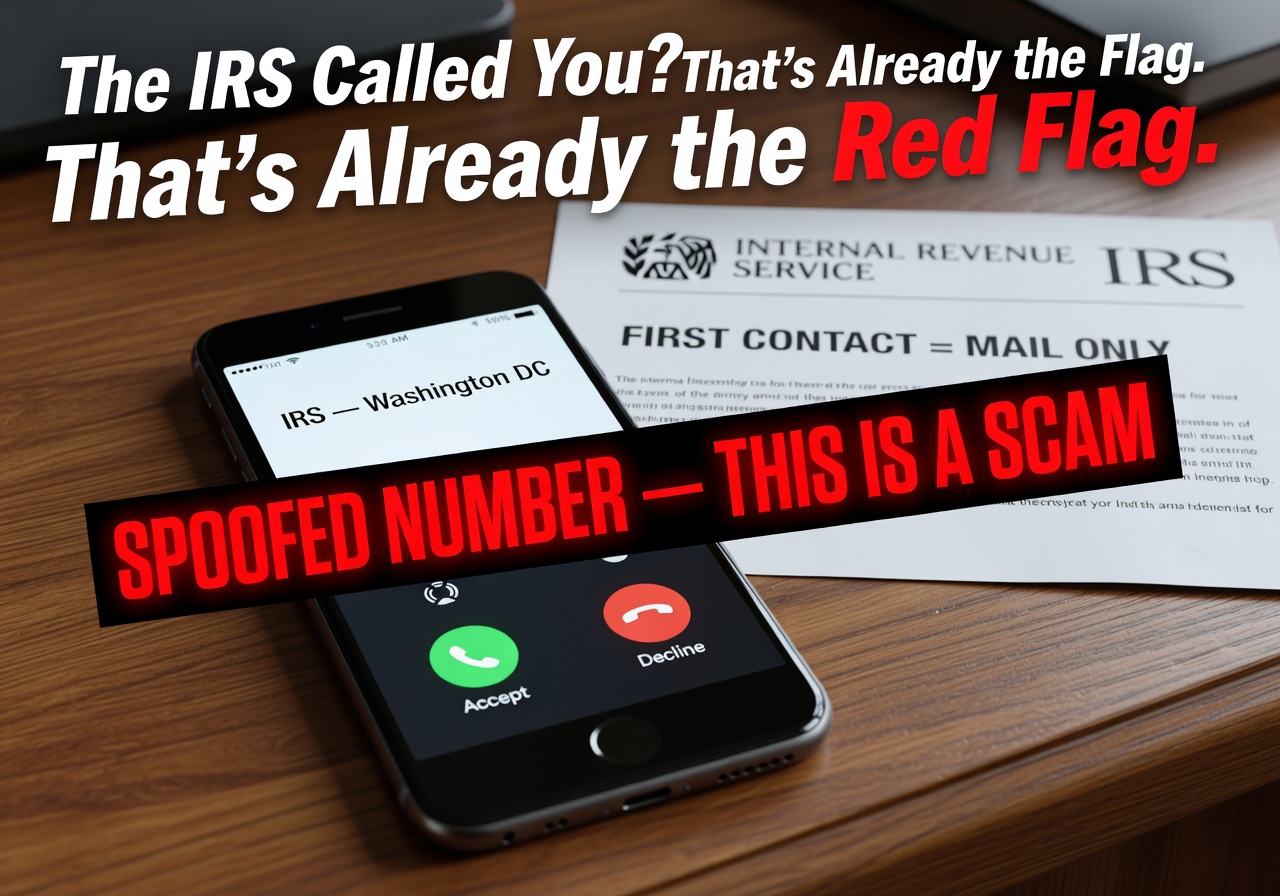
- The IRS never calls you first. All legitimate IRS contact starts with a letter by U.S. mail.
- The Taxpayer Advocate Service never calls out of the blue. You must contact them first.
- Any unsolicited call claiming you owe back taxes is almost certainly a scam.
- Hang up immediately. Do not press buttons, call back, or share any personal information.
- Verify your actual tax situation at IRS.gov only — never through a number a caller gives you.
The FTC has flagged a major surge in these calls as recently as January 2026. Scammers are getting more convincing, using fake agency names, spoofed caller IDs, and urgent voicemails designed to make you panic and act fast.
One common voicemail script goes something like: "This may be our only attempt to reach you" — a classic pressure tactic to force a callback before you stop to think.
These scams don't just target people who owe taxes. They go after everyone, including people who have never had a tax problem in their life.
How to Spot and Stop American Tax Advocates Scam Calls
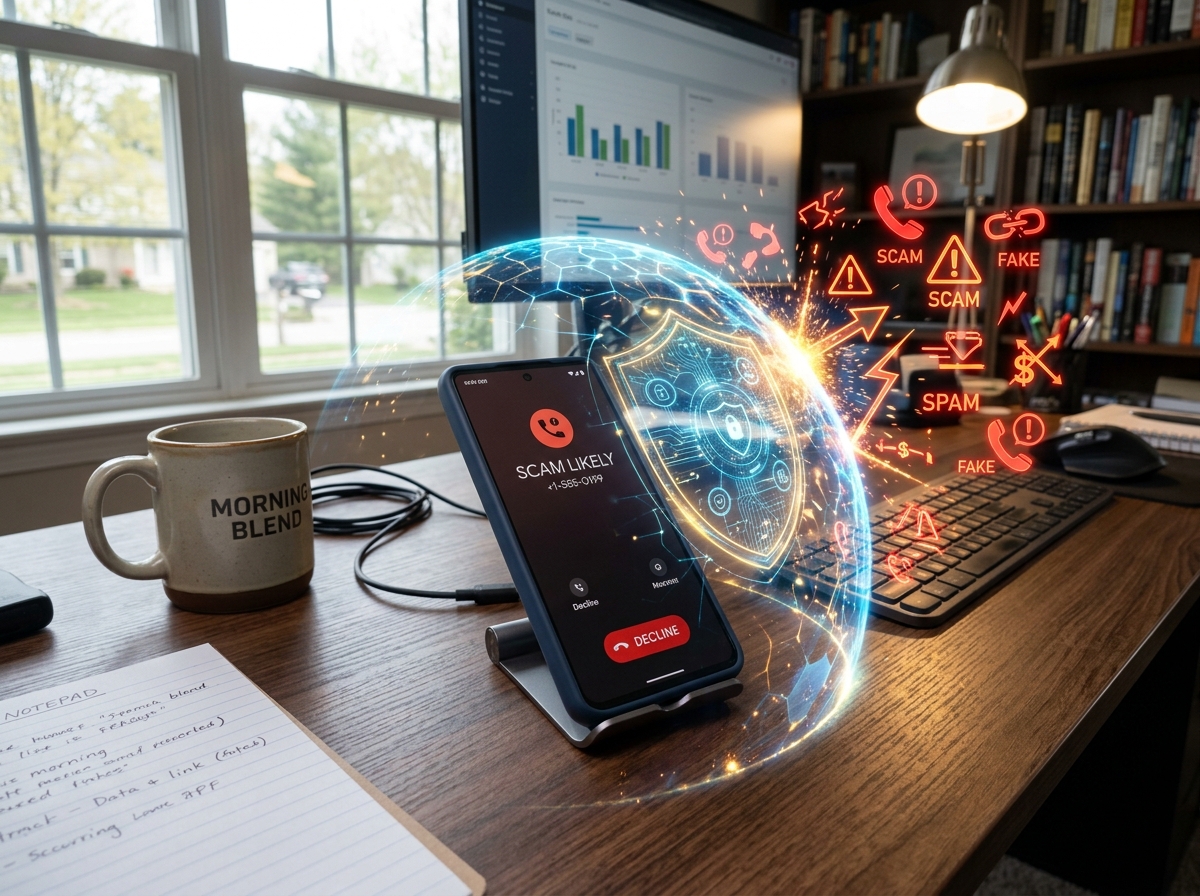
When your phone rings and the caller ID says "Internal Revenue Service" or "Taxpayer Advocate Service," it’s natural for your heart to skip a beat. However, modern technology makes it incredibly easy for criminals to engage in caller ID spoofing. This means they can make any name or number appear on your screen, including official government lines or local office numbers in cities like Houston or Brooklyn.
We have seen a massive rise in sophisticated robo-calls and automated systems. These aren't just random "cold calls" anymore; they are calculated psychological attacks. One of the most famous personas currently making the rounds is "Jessica" from US Tax Consultants. "Jessica" leaves urgent, professional-sounding voicemails about back taxes and missed filings, often providing a specific "case ID" to sound more legitimate.
If you receive one of these, the best thing you can do is hang up on unexpected calls saying you owe back taxes. Scammers often use "background call center noise" to mimic a busy government office and may even provide fake badge numbers to "prove" their identity. Don't fall for it. If they are calling you out of the blue, it's a trap.
Common Scripts Used in American Tax Advocates Scam Calls
Scammers love to use official-sounding names that don't actually exist. You might hear from the "Tax Resolution Oversight Department," the "Tax Mediation and Resolution Agency," or the "Bureau of Tax Enforcement." None of these are real government entities.
They often pitch fake programs like the "IRS liability reduction program" or offer to perform a "red flag check" on your credit. They might tell you that "your file has been flagged for manual review" and that you need to settle the debt immediately to avoid further action. To stay updated on the latest tactics, always check the official Tax Scams and Consumer Alerts page on the IRS website.
How to Confirm an American Tax Advocates Scam Call
The biggest red flag is unsolicited contact. If you haven't been corresponding with the IRS via mail for months, they aren't going to suddenly call you. Another major sign is the demand for immediate payment or sensitive data like your Social Security number (SSN) before they've even verified who they are.
While the TAS can help protect your taxpayer rights, they are an independent organization within the IRS that helps people with existing problems. They do not go looking for new "customers" via cold calls. If you get a call from someone claiming to be a "Tax Advocate" but you never asked for help, it’s a scam.
In the digital world, these phone scams often go hand-in-hand with email phishing. It is vital to master how to spot phishing emails so you can protect your data across all channels.
IRS vs. Scammers: What the Government Will Never Do
Distinguishing between a real IRS agent and a scammer is actually quite simple once you know the rules they have to follow. We’ve put together a handy comparison below:
| Feature | Official IRS/TAS Communication | American Tax Advocates Scam Calls |
|---|---|---|
| Initial Contact | Always by U.S. Mail | Phone call, text, or social media |
| Payment Method | Through IRS.gov/payments | Gift cards, wire transfers, crypto |
| Threats | Rights-based (appeals process) | Immediate arrest, jail, or police |
| Urgency | Provides time to question/appeal | "Must pay now" or "Only attempt" |
| Personal Info | Already has your basic data | Asks for full SSN or card numbers |
Scammers rely on fear. They will threaten license revocation or claim that local law enforcement is on their way to your house. The IRS simply does not operate this way. They will never threaten to bring in local police or immigration groups to have you arrested for not paying. If you are ever in doubt, check your tax account through IRS.gov to see your actual balance and history.
Payment Methods the IRS Never Uses
This is the "golden rule" of tax scams: the IRS will never demand immediate payment via gift cards. If a caller asks you to go to a local pharmacy or big-box store to buy iTunes, Google Play, or Target gift cards to pay your "tax debt," they are a criminal.
The IRS also never uses:
- Prepaid debit cards (like Green Dot)
- Wire transfers (Western Union or MoneyGram)
- Cryptocurrency (Bitcoin, etc.)
- Social media messages or apps (WhatsApp, etc.)
If you see these payment requests in an email, you should learn how to report phishing emails in 5 easy steps to help the authorities shut down these operations.
Verifying Legitimacy: Is the Taxpayer Advocate Service (TAS) Really Calling?
The Taxpayer Advocate Service (TAS) is a real, helpful organization. However, because they have a good reputation, scammers love to impersonate them. The most important thing to remember is that TAS does not initiate calls to taxpayers out of the blue.
Typically, you would only receive a call from TAS if:
- You requested help by calling them first.
- You submitted Form 911 (Request for Taxpayer Advocate Service Assistance).
- Your case was referred to them by the IRS and you were notified.
If a TAS employee calls you legitimately, they will provide their name, badge number, and office location. They will then ask a series of questions to verify your identity, but they will never ask for your credit card number. If you feel uneasy, you can offer the last four digits of your SSN and ask them to verify the first five, or vice versa. Always be ready to verify your identity when calling the IRS through official channels.
Identifying Legitimate Private Collection Agencies
Sometimes, the IRS does use private collection agencies to handle overdue accounts. However, this is not a surprise "cold call" process. You will receive an official letter from the IRS first, telling you that your account has been assigned to a specific agency. Then, that agency will send you their own "welcome letter" before they ever pick up the phone.
If someone calls you claiming to be a private collector but they aren't listed in your official IRS letter, hang up. You should only verify calls using official IRS numbers found on the IRS.gov website. To be extra safe, refer to the guide: Is that really the Taxpayer Advocate Service office calling me? to understand the exact protocols.
What to Do If You Are Targeted by a Tax Scam
If you’ve been targeted by American tax advocates scam calls, don't just ignore it—report it! Reporting helps the government track the "wave" of scams and protects others who might be more vulnerable.
- Report to TIGTA: Use the IRS Impersonation Scam Reporting web page or call 800-366-4484. The Treasury Inspector General for Tax Administration (TIGTA) handles these specific crimes.
- Contact the FTC: Use the "FTC Complaint Assistant" on FTC.gov and be sure to add "IRS Telephone Scam" in the notes.
- Email the IRS: If you receive a scam email or a text, forward it to phishing@irs.gov.
- Protect Your Identity: If you accidentally gave out personal info, monitor your credit and consider an Identity Protection PIN (IP PIN) from the IRS.
Sometimes these scams start with a computer pop-up or a fake security warning. If you’ve seen one of those, check out our guide on the Microsoft security alert scam: real or fake? to see if your computer might be compromised.
Frequently Asked Questions About Tax Scams
Does the IRS ever call taxpayers unexpectedly?
No. The IRS always initiates contact through official U.S. mail. They will send you a bill or a notice first, giving you the opportunity to appeal or ask questions. Only after several letters might they attempt a phone call, and even then, they will never demand immediate payment over the phone via gift cards or wire transfers.
What is the "Jessica" tax relief scam?
"Jessica" is a common robo-call persona used by scammers claiming to be from "US Tax Consultants" or similar fake agencies. The recording usually mentions "back taxes" or "missed filings" and creates a sense of urgency to get you to call back and provide your Social Security number or pay an "illegal upfront fee" for tax relief services that never actually happen.
How can I report a suspicious tax call?
You should immediately report the call to the Treasury Inspector General for Tax Administration (TIGTA) at their official reporting page. Additionally, file a report with the Federal Trade Commission at ReportFraud.ftc.gov. If the scam involved an email or text, forward the details to phishing@irs.gov.
Conclusion
The rise of American tax advocates scam calls is a reminder that our personal information is constantly under fire. While the IRS and TAS have systems in place to protect you, the first line of defense is always your own awareness.
At Tempo Mail USA, we believe in proactive privacy. One of the reasons these scammers have your phone number and name is that your data is often leaked from untrusted websites or "discount" sign-up forms. By using our temporary email aliases, you can create a "PII firewall" that shields your real identity from the web. When you keep your primary email and phone number private, you significantly reduce the amount of spam and scam calls that reach your pocket.
Protecting yourself doesn't have to be complicated. For more tips on keeping the bad guys away, read our guide on the best way to stop spam calls: 7 methods. Stay safe, stay informed, and always remember: if the "IRS" asks for a gift card, it's time to hang up!