


Venmo Scams Are Costing Americans Millions — Here's What You Need to Know
Venmo scams are a growing threat to the app's 92 million active users, and knowing the most common types is the fastest way to protect yourself.
The most common Venmo scams include:
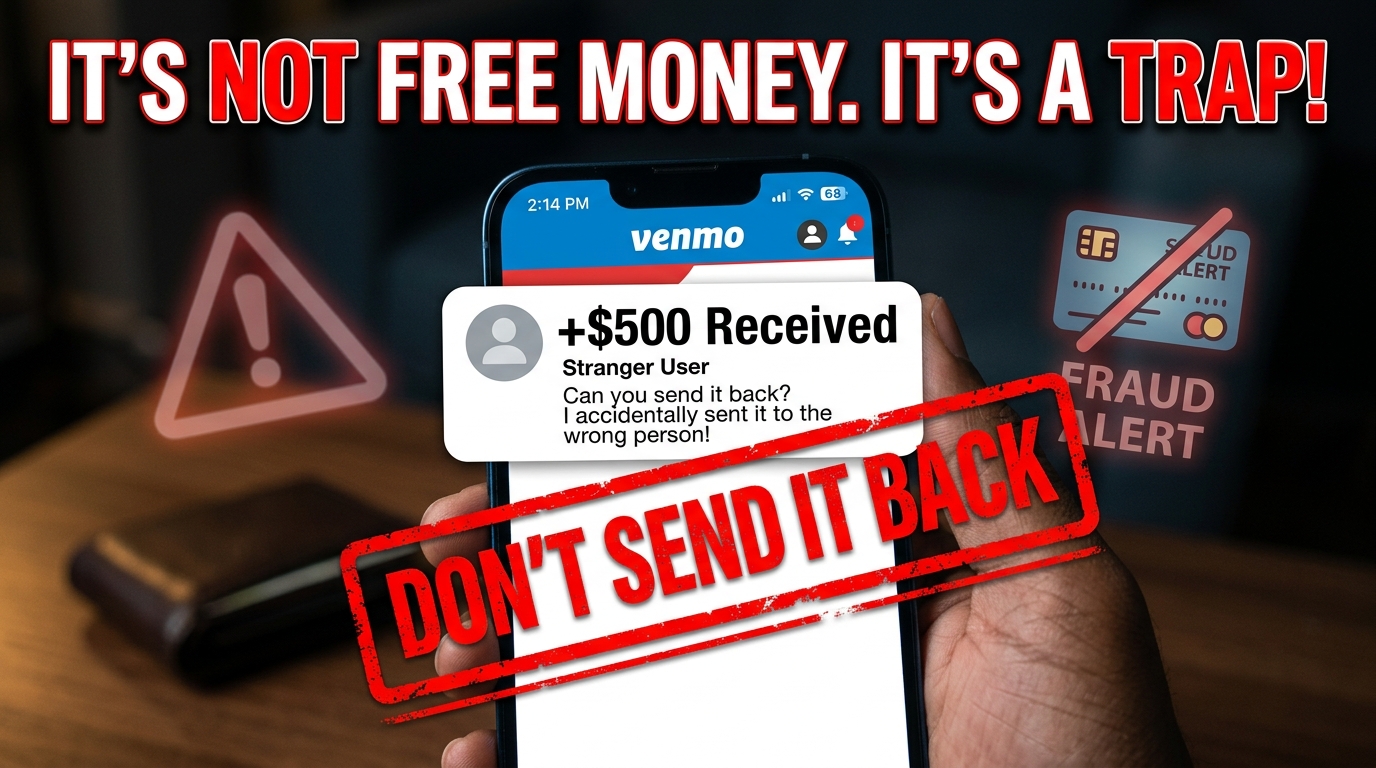
- Accidental payment scam — A stranger sends you money, then asks for it back. The original payment came from a stolen card and will be reversed, leaving you out of pocket.
- Phishing scams — Fake emails, texts, or calls impersonate Venmo to steal your login credentials or MFA codes.
- Impersonation scams — Scammers pose as friends, charities, or businesses to trick you into sending money.
- Marketplace scams — Fake buyers or sellers use Venmo to pull off overpayment fraud or vanish after receiving payment.
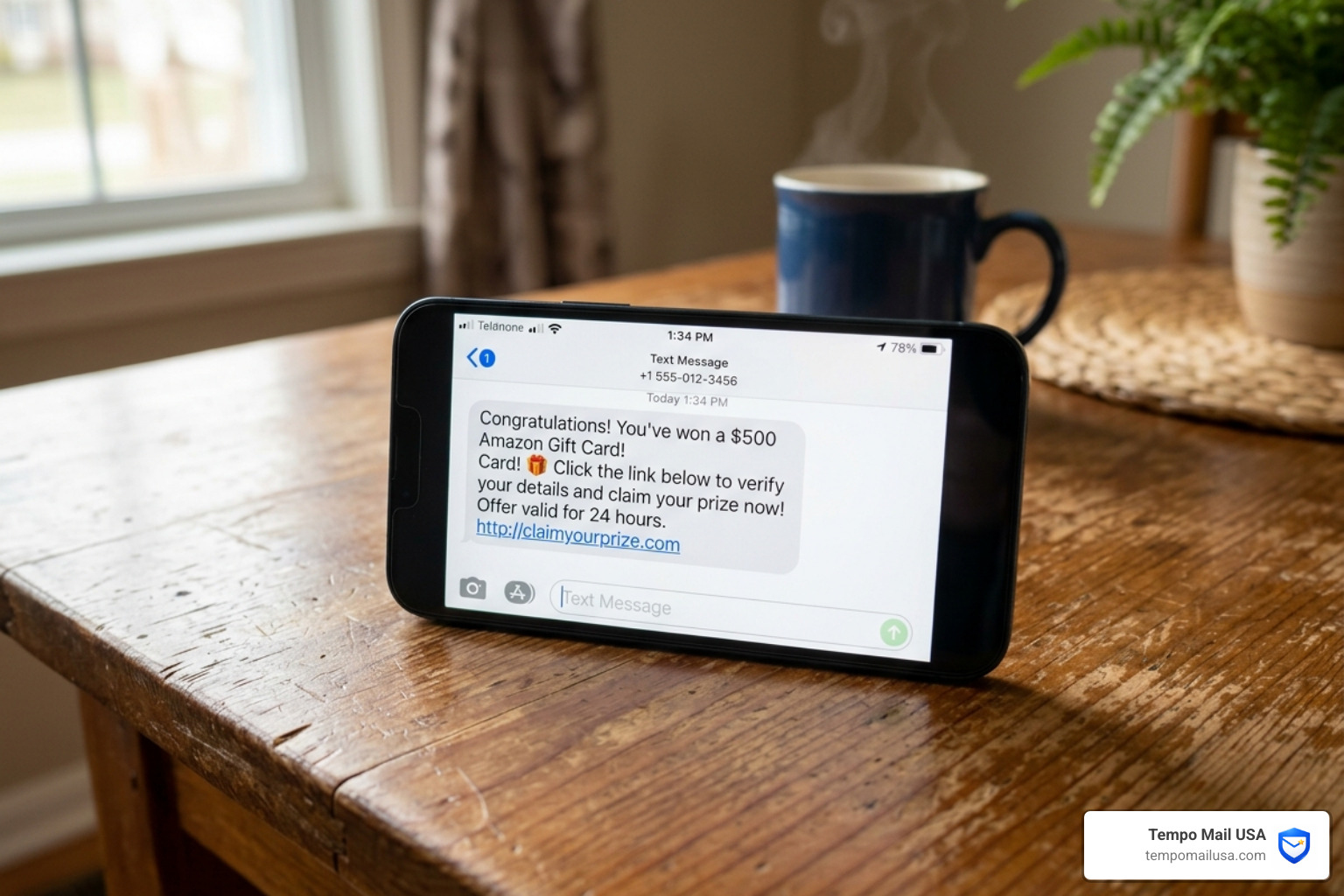
- Fake prize or customer support scams — You're told you won something, or that your account has a problem — both designed to harvest your information.
- Romance and crypto scams — Long-con schemes that build trust before requesting large transfers.
Venmo was built for speed and simplicity — splitting dinner, paying a friend back, settling up after a weekend trip. That convenience is exactly what makes it attractive to scammers.
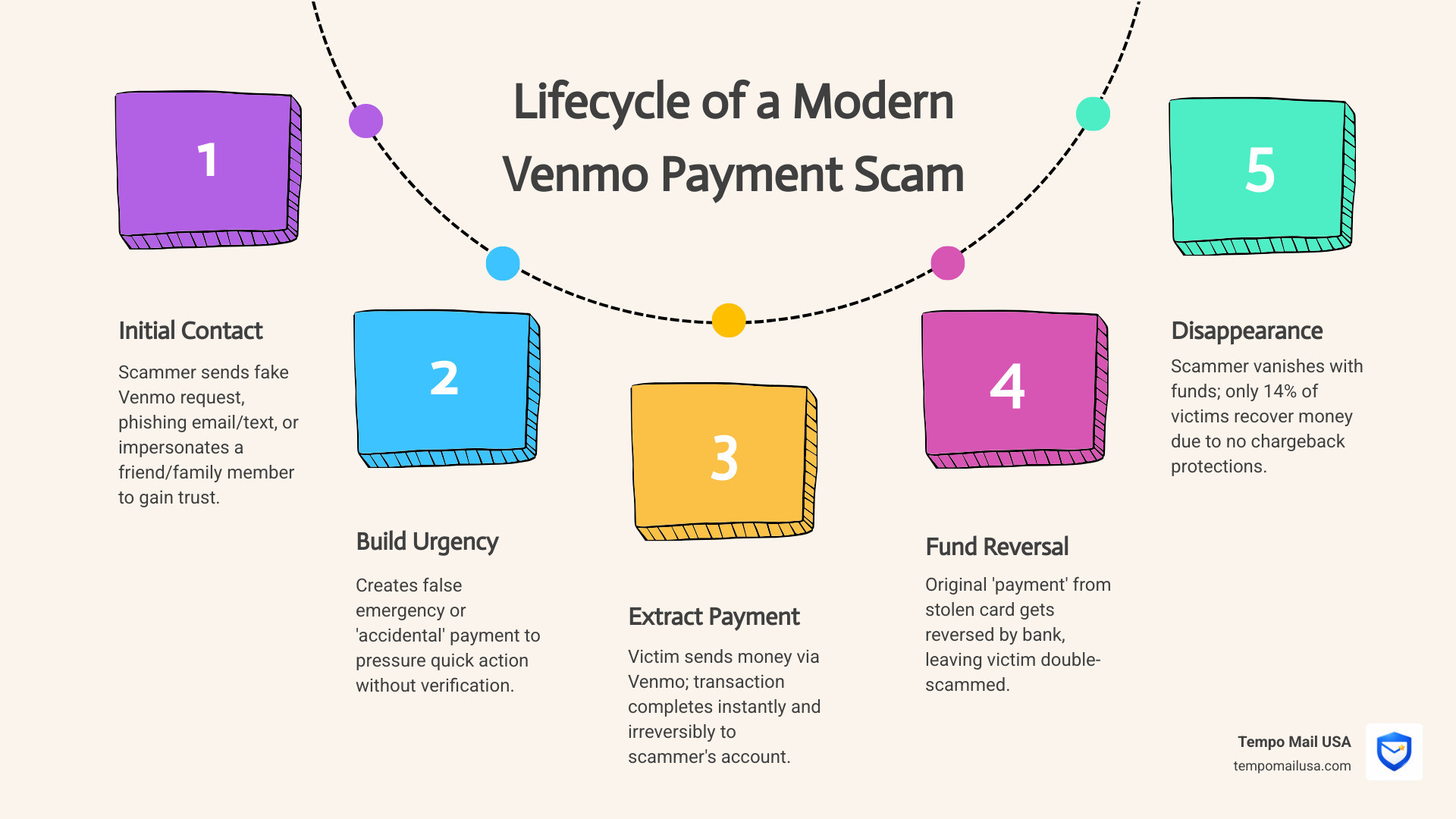
Unlike a credit card dispute, most Venmo payments cannot be reversed once sent. There's no fraud department ready to issue a chargeback. And the numbers back this up: only around 14% of scam victims ever recover their money.
According to Pew Research, 13% of people who use apps like Venmo, Zelle, PayPal, or Cash App have already sent money to a scammer without realizing it until it was too late.
The threat is real, it's growing, and it's hitting everyday users — not just the careless ones. Scammers are sophisticated, patient, and increasingly hard to spot.
This guide walks you through every major Venmo scam type, how each one works, and exactly what you can do to protect yourself.
Why Scammers Target Venmo Users in 2026
As we navigate through April 2026, the landscape of digital payments has never been more vibrant—or more dangerous. Venmo has ballooned to over 92 million active users, making it a massive fishing pond for bad actors. But why is Venmo specifically such a "white whale" for fraudsters?
The primary reason is the irreversibility of transactions. When you send money on Venmo, it’s essentially like handing someone a physical $20 bill. Once it leaves your hand, it’s gone. Unlike traditional credit cards, which offer robust chargeback rights, Common Scams on Venmo | Venmo notes that payments to existing accounts generally cannot be canceled.
Furthermore, the social nature of the app creates a false sense of security. We see our friends' transactions, we use emojis, and the interface feels "friendly." This lowers our guard, making us more susceptible to social engineering. When compared to other methods, the speed of P2P (peer-to-peer) transfers is a double-edged sword. To understand how this stacks up against older tech, check out our deep dive on P2P vs Cash vs Checks: Which Payment Method is Actually Safer.
The Psychology of Financial Fraud
Scammers aren't just tech-savvy; they are amateur psychologists. They rely on three main pillars: Urgency, Trust, and Emotion.
In 2025 alone, 73% of Americans were targeted by some form of scam. These criminals create "false urgency"—claiming your account is about to be locked or a friend is in a dire emergency—to bypass your critical thinking. They exploit the trust we place in the brands we use every day. According to Got a Weird Venmo Request? It Could Be One of These Scams, many victims are lured in by the simple desire to be helpful, such as returning a "mistaken" payment.
5 Most Dangerous Venmo Scams to Watch Out For
1. The "Accidental Payment" Trick
This is perhaps the most insidious venmo scams tactic currently circulating. You receive a notification that a stranger has sent you $500. Shortly after, you get a polite message: "Oops! I sent that to the wrong person. Could you please send it back?"
The Trap: The scammer used a stolen credit card to send you that initial $500. If you "send it back" using your own Venmo balance, you are sending your legitimate money. Eventually, the real owner of the stolen card reports the fraud, and Venmo reverses the original $500 deposit. You are now out $500 of your own cash. As the Scam Alert: This Venmo Scam Sends You Money “by Accident” warns, never refund a stranger directly.
2. Phishing for Credentials
Phishing remains a top threat because it targets the "keys to the kingdom"—your login info. Scammers send emails or texts that look identical to official Venmo communications. They might claim there's "suspicious activity" or that you've won a "cash reward."
How to Spot It:
- Generic Greetings: Official Venmo emails use your full name. If it says "Dear User," it's a red flag.
- Suspicious URLs: Hover over links (don't click!) to see where they actually lead.
- Official Shortcode: Legitimate Venmo security texts come from 86753.
For more on identifying these digital traps, see our guide on Cash App Scams Explained: How They Work & How to Stay Safe.
3. The Impersonation Con
Scammers frequently scrape social media to find out who your friends are. They then create a Venmo profile using your friend’s photo and a nearly identical username (perhaps adding an extra underscore). They’ll message you saying they’re in a jam and need $100 for gas or groceries.
Always verify these requests through a different channel—like a phone call or a direct text—before hitting "Pay."
4. Marketplace and Buying/Selling Fraud
If you're selling a couch on Facebook Marketplace, beware of the "overpayment" scam. A buyer "sends" you more than the asking price via a fake email confirmation and asks you to Venmo the difference back to their "mover." Spoiler: There was no original payment.
Sellers also get burned when buyers use stolen accounts to pay, which later get reversed. We've detailed similar tactics in our report on Cash App Scam Alert: 7 Tricks Draining Accounts Right Now.
5. The "Crypto Investment" Hook
With the rise of digital assets, Scams involving crypto | Venmo have become a major concern. Scammers pose as "investment gurus" promising to double your Bitcoin if you send a "startup fee" via Venmo. Remember: Venmo will never ask you to send crypto to an external wallet to "verify" your account.
The High Cost of Digital Fraud: Beyond Your Wallet
The financial toll of these crimes is staggering. In 2024, total losses to scams reached $16.6 billion. But the cost isn't just the money missing from your bank account; it's the long-term damage to your digital identity.
When a scammer gets hold of your Venmo details, they often gain access to your linked bank accounts and personal data. This data is then sold on the dark web to data brokers, fueling a cycle of identity theft.
P2P Protection Comparison Table
| Feature | Venmo | Credit Cards |
|---|---|---|
| Reversibility | Very Limited | High (Chargebacks) |
| Fraud Protection | Purchase Protection (Opt-in) | Federal Law Mandated |
| Liability Limit | Varies by situation | Usually $50 max |
| Recovery Rate | ~14% | High |
If you're wondering if other apps are any safer, you might want to read: Will Zelle Refund Money if Scammed? Refund Rules.
How Scammers Exploit Multi-Factor Authentication (MFA)
You might think your account is safe because you have MFA enabled. However, "Social Engineering" is a powerful tool. A scammer may call you, pretending to be "Venmo Support," and say, "We see a fraudulent login attempt. I'm sending a code to your phone to verify your identity; please read it back to me."
Never do this. That code is the scammer trying to log in. By giving them the code, you are handing them the keys to bypass your security. Venmo agents will never ask for your MFA code over the phone.
Proactive Defense: Securing Your Financial Identity
To stay safe in 2026, you need to move beyond basic passwords. We recommend a "layered defense" strategy. This includes using identity theft protection services and credit monitoring software to alert you the moment your PII (Personally Identifiable Information) appears where it shouldn't.
Building a PII Firewall with Advanced Privacy Tools
One of the smartest ways to prevent venmo scams is to limit the amount of real data you share online. This is where a "PII Firewall" comes into play.
- Use Temporary Emails: When signing up for secondary services or marketplace accounts, don't use your primary "banking" email. Using Tempo Mail USA allows you to create secure identity proxies. If a service you used is breached, your real email—and the Venmo account linked to it—remains hidden and safe.
- Secure Your Connection: Always use a NordVPN when accessing financial apps on public Wi-Fi. This prevents "man-in-the-middle" attacks where hackers intercept your data.
- Data Removal Services: Use personal data removal services to scrub your info from "people search" sites. This makes it harder for scammers to find your phone number or friend list to target you.
What to Do If You’ve Been Scammed
If you realize you've been targeted, every second counts.
- Step 1: Contact Venmo Support. Open the app, go to Me > Settings > Get Help and select Chat with Us. This is the fastest way to reach a real human.
- Step 2: Report Phishing. Forward any suspicious emails as an attachment to phishing@venmo.com.
- Step 3: Secure Your Bank. Contact your bank or credit card provider immediately to freeze any linked accounts.
- Step 4: File a Complaint. Visit the FTC at ReportFraud.ftc.gov.
Remember the Venmo Payment Scam — How to Spot & Avoid | ZeroScam advice: never send money back to a stranger yourself. Let the official support channels handle the reversal. For more on the technical side of P2P security, visit our resource on P2P vs Cash vs Checks: Which Payment Method is Actually Safer.
Frequently Asked Questions about Venmo Scams
Can Venmo transactions be reversed if I was scammed?
Venmo transactions are generally irreversible once sent to an existing account. While Venmo Support can sometimes mediate if the recipient consents and funds are available, most victims do not recover their money unless the transaction was specifically marked as a "Purchase" and qualifies for Purchase Protection.
What should I do if a stranger sends me an "accidental" payment?
Do not send the money back via a new transaction. This is often a scam using a stolen credit card. Instead, keep the money in your Venmo balance and contact Venmo Support immediately to have them officially reverse the original transaction. This protects you from being liable when the stolen funds are eventually clawed back.
How can I tell if a Venmo email or text is legitimate?
Official Venmo emails will always address you by your first and last name, never "Dear User." Legitimate texts regarding account security typically come from the shortcode 86753. Always hover over links to check the destination URL and never provide a six-digit MFA code to anyone over the phone, as Venmo will never ask for this.
Conclusion
In the world of 2026, digital convenience shouldn't come at the cost of your financial security. By understanding the mechanics of venmo scams and implementing a robust PII Firewall, you can enjoy the benefits of P2P payments without the fear of becoming a statistic.
Stay vigilant, use tools like Tempo Mail USA to mask your identity, and always prioritize your privacy. Your wallet—and your peace of mind—will thank you.