


What the Pig Butchering Scam Meaning Really Is (And Why It Matters Now)
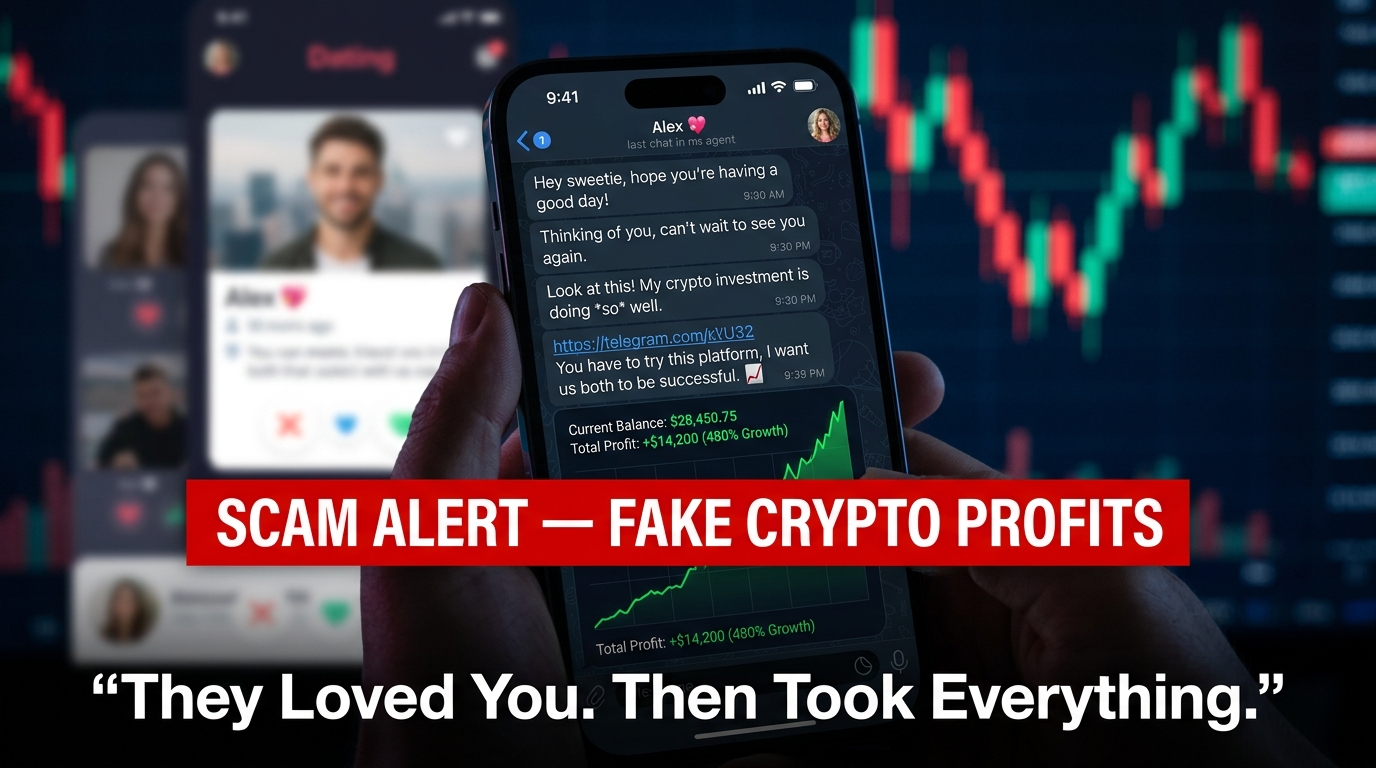
The pig butchering scam meaning is straightforward but alarming: it's a long-term fraud where criminals build a fake relationship with you online, earn your trust over weeks or months, then convince you to invest in a fraudulent cryptocurrency platform — and steal everything.
Quick answer:
| Term | Meaning |
|---|---|
| Pig butchering scam | A romance + investment fraud where scammers "fatten up" victims with trust before stealing their money |
| Origin | Chinese term Sha Zhu Pan (杀猪盘), meaning "killing pig plate" |
| How it starts | Unsolicited text, dating app message, or social media contact |
| What they steal | Crypto investments sent to fake trading platforms |
| Scale | Americans lost $5.7 billion to investment scams in 2024 alone |
This is not a simple "send me your bank details" phishing email. It's a sophisticated, slow-burn operation. Scammers may spend months chatting with you before they ever mention money.
And the numbers are staggering. Chainalysis estimated that cryptocurrency fraud hit $12.4 billion globally in 2024, with pig butchering scams growing year over year. A University of Texas study put total losses from these scams at over $75 billion.
The people most at risk? Anyone active on dating apps, social media, or who has ever received a "wrong number" text. In fact, 12% of Americans using dating apps reported exposure to this type of fraud in 2023 — up from just 5% in 2018.
If you've ever handed out your real email or phone number to sign up for a service, your contact details may already be in the hands of scammers.
This guide breaks down exactly how pig butchering scams work, the red flags to watch for, and what to do if you've been targeted.
What is the Pig Butchering Scam Meaning and Origin?

To truly grasp the pig butchering scam meaning, we have to look at the grim agricultural metaphor behind it. The term is a direct translation of the Chinese phrase Sha Zhu Pan (杀猪盘), which literally means "killing pig plate."
In this metaphor, the victim is the "pig." The scammer spends a significant amount of time "fattening up" the pig by building an intense emotional bond, providing a sense of companionship, and earning unwavering trust. Once the victim is emotionally invested and has "fattened" their fake investment account with real life savings, the scammer moves in for the "slaughter"—disappearing with every cent.
This isn't just a random name; it's a pig butchering scam explained by the very playbook the criminals use. Unlike a quick mugging or a standard phishing link, this is a "slow-burn" fraud. It relies on deep emotional manipulation and psychological grooming that can last for half a year or longer.
The Etymology of the Pig Butchering Scam Meaning
The roots of Sha Zhu Pan trace back to China around 2016. Initially, these syndicates targeted individuals on Chinese dating sites and social media platforms. However, during the COVID-19 pandemic, the operations shifted and expanded rapidly into Southeast Asia, particularly Cambodia and Myanmar.
As the world went digital, so did the scammers. They realized that the same tactics used for romance scams could be supercharged by the complexity of cryptocurrency. Today, these gangs are often run by organized crime syndicates that have turned fraud into a high-tech, multi-billion-dollar industry. Much like the ins and outs of quishing, where scammers hide malicious intent behind modern tech like QR codes, pig butchering hides behind the facade of "exclusive" crypto opportunities.
How the Pig Butchering Scam Meaning Differs from Traditional Fraud
Most of us are used to the "Nigerian Prince" style of fraud—an urgent, poorly written email asking for help. Pig butchering is the exact opposite.
- The Time Investment: Scammers are patient. They will talk to you about your day, your family, and your dreams for months without asking for a dime.
- The Pivot: The "ask" is subtle. They don't ask for money; they show you how much "profit" they are making on a specific app and offer to "teach" you how to do it.
- The Technology: They use professional-looking apps (sometimes even found on official app stores) that show fake real-time gains to keep you hooked.
According to scientific research on the economics of pig butchering, these scams are uniquely devastating because they combine the financial loss of an investment fraud with the deep emotional trauma of a broken romantic or social relationship.
The 7-Step Playbook: How These Scams Work
Understanding the pig butchering scam meaning requires looking at the "playbook" these criminals follow. They are often trained with actual manuals on how to mirror your personality and exploit your vulnerabilities.
| Feature | Legitimate Trading Platforms | Pig Butchering Scam Apps |
|---|---|---|
| Registration | Requires strict KYC (ID verification) | Easy sign-up, often via a "referral link" |
| Returns | Market-based, can go up or down | Always show massive, steady "gains" |
| Withdrawals | Standard processing times | Blocked by "taxes" or "fees" |
| Support | Official corporate channels | Only via the "friend" or a shady WhatsApp chat |
Initiating Contact via Social Media and Apps
It almost always starts with a "wrong number" text. You might get a message saying, "Hi David, are we still meeting for golf?" When you reply that they have the wrong number, they respond with something like, "Oh, I'm so sorry! You seem like such a kind person for letting me know. My name is Anna, by the way."
From here, they move the conversation to encrypted apps like WhatsApp or WeChat. They might also find you on Tinder or LinkedIn, posing as a successful entrepreneur or a glamorous investor. They are masters of the "hook." For instance, knowing how to identify Amazon refund text scams helps you spot one type of fraud, but pig butchering is harder because the initial conversation feels so human and accidental.
The Role of Fake Websites and Trading Platforms
Once trust is established, the scammer mentions their "uncle" or "expert friend" who has a secret strategy for crypto. They guide you to a professional-looking website or app.
These platforms are entirely controlled by the scammers. When you "deposit" $1,000, the app shows you now have $1,200. You might even be allowed to withdraw a small amount of money early on to prove the site is "legit." This is the "fattening" phase. You feel confident, so you invest $50,000—perhaps your entire retirement fund. If you're wondering is Finelo legit or a scam?, you're already asking the right questions. Always verify the platform through official regulators like the SEC or FINRA before sending a single cent.
Red Flags and Warning Signs of Investment Fraud
The best way to protect your wallet is to recognize the red flags before the "slaughter" begins. Scammers are good, but they almost always follow a pattern.
- Refusal to Video Call: They always have an excuse—their camera is broken, they are in a high-security meeting, or their "culture" forbids it.
- Guaranteed High Returns: In the real world, no investment is "guaranteed" to make 20% a week. If it sounds too good to be true, it is.
- High-Pressure Tactics: If you hesitate to invest more, they might get angry or try to make you feel guilty, saying you don't trust them.
- Isolation: They may encourage you not to tell your family about this "exclusive" opportunity until you've made your millions.
Identifying the "Wrong Number" Text Hook
We've all seen them: "Is this the tea shop?" or "I'm the assistant for the charity gala." These are rarely accidents. Scammers buy batches of leaked phone numbers and mass-text until someone bites.
If you've read our guide on the Texas DMV scam text explained, you know that unsolicited texts are the primary weapon for modern fraudsters. The safest move? Never reply to a "wrong number" text from a stranger. Even a polite "wrong number" confirms your phone line is active, making you a target for future attempts.
Recognizing Withdrawal Traps and "Taxes"
The moment you try to take your money out, the scammer's tone changes. Suddenly, the "platform" requires you to pay a 20% "personal income tax" or a "security deposit" before you can withdraw.
Spoiler alert: You will never get that money back. If you pay the tax, they will find a new "fee." This continues until you are completely drained. According to the latest research on crypto scam revenue growth, pig butchering revenue grew nearly 40% year-over-year because victims keep trying to "rescue" their initial investment by paying these fake fees.
The Dark Side: Human Trafficking and Global Impact
The pig butchering scam meaning has a darker side that many victims don't realize: the person on the other end of the phone might be a victim, too.
Hundreds of thousands of people have been trafficked into "scam factories" in countries like Cambodia, Myanmar, and Laos. These individuals are often lured by fake job ads for "call center" or "IT" positions, only to have their passports seized and be forced to scam people under threat of violence.
The scale of this is massive:
- $75 Billion: The estimated global loss to these scams according to a University of Texas study.
- Bank Failures: In a shocking 2024 case, the CEO of Heartland Tri-State Bank in Kansas was sentenced to 24 years in prison after embezzling $47 million of the bank's money to pay "fees" in a pig butchering scam he fell for. The bank collapsed entirely.
- 5.7 Billion: Lost by Americans to investment scams in 2024 alone.
This isn't just "internet drama"—it's a global crisis. The business email compromise scam losses show how much businesses lose, but pig butchering is where individuals lose their life savings, homes, and dignity.
How to Protect Yourself and Report the Crime
If you suspect you are in the middle of a scam, stop immediately. Do not try to "guilt" the scammer into giving your money back. Do not pay any "withdrawal fees."
- Cease All Communication: Block them on every platform.
- Document Everything: Take screenshots of your conversations, the fake website, and all transaction details.
- Note Technical Details: Save wallet addresses and "tx hashes" (transaction IDs). This is the only way authorities can trace the money on the blockchain.
- Report to the Authorities:
- File a report with the FBI's Internet Crime Complaint Center (IC3).
- Report the fraud at ftc.gov.
- Contact your bank and crypto exchange immediately.
One of the best ways to prevent your info from getting into these "scam batches" in the first place is to use temporary email for safe online sign-ups. When you use a proxy email, you prevent your real PII (Personally Identifiable Information) from being leaked in a data breach and sold to these syndicates.
Frequently Asked Questions about Pig Butchering
Why is it called a pig butchering scam?
It comes from the Chinese term Sha Zhu Pan. It refers to the practice of "fattening" a pig (building trust and fake account balances) before "butchering" it (stealing the money). It’s a cold, calculated metaphor for emotional and financial exploitation.
Can you get your money back from a pig butchering scam?
It is extremely difficult. Once cryptocurrency is sent to a private wallet, it is hard to claw back. However, reporting quickly to the IC3 and using specialized blockchain tracing can sometimes lead to the seizure of funds if they hit a regulated exchange. Never pay a "recovery agent" who claims they can get your money back for a fee—that is usually a secondary scam!
How do I know if I am talking to a pig butchering scammer?
If someone you met online—who refuses to meet in person or video chat—starts talking about a "guaranteed" crypto investment or a "wealthy uncle" with a secret strategy, you are talking to a scammer. Period.
Conclusion
The pig butchering scam meaning serves as a stark reminder of how dangerous the digital world can be when trust is weaponized. These criminals aren't just after your pocket change; they are after your life savings, and they are willing to spend months manipulating your emotions to get it.
At Tempo Mail USA, we believe that privacy is your first line of defense. Most scammers find their victims through leaked data—emails and phone numbers harvested from legitimate sites that suffered a breach. By using temporary email aliases, you act as your own firewall, keeping your real identity hidden from the "scam factories" of the world.
Stay skeptical, keep your financial details private, and always remember: if an investment opportunity comes from a "wrong number" text, the only thing you'll be investing in is a scammer's luxury lifestyle.
Protect your primary inbox and your peace of mind at https://tempomailusa.com.