

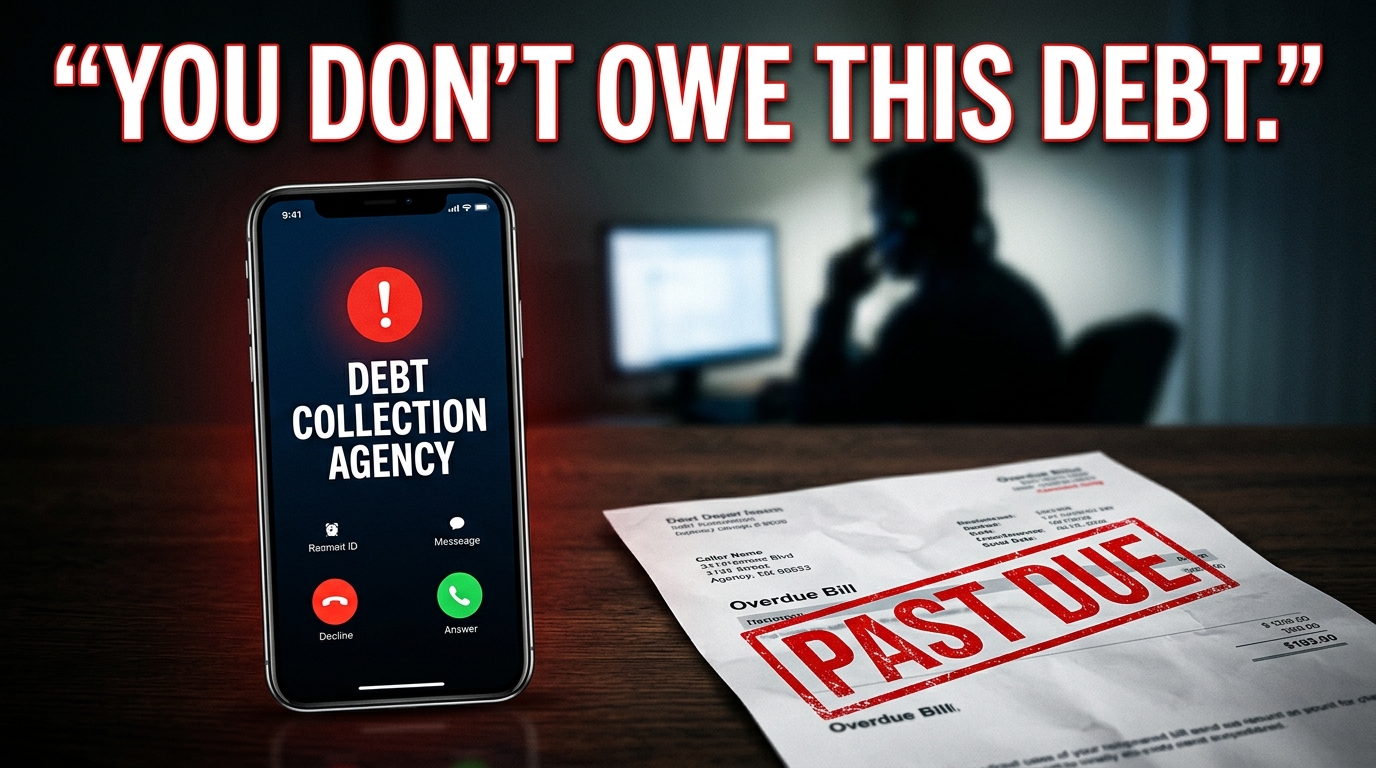

The Phantom Debt Collection Scam Is More Common Than You Think
A phantom debt collection scam is when a fraudster calls, emails, or sends letters claiming you owe money on a debt that either never existed or was already paid.
Here's what you need to know right now:
- What it is: Fake "debt collectors" demand payment for debts you don't owe
- How it works: They use threats, partial personal info, and urgency to pressure you into paying
- What to do: Never pay before getting written proof — request a validation notice first
- Your key right: Real debt collectors must send you a written validation notice within 5 days of first contact
- Where to report it: File a complaint with the FTC at ReportFraud.ftc.gov, your state Attorney General, or the CFPB
The scale of this problem is staggering. The FTC received over 53,000 complaints in a single year about debts people never owed. And it's no surprise scammers are circling — total U.S. household debt hit $18.59 trillion, giving criminals plenty of cover to fabricate believable-sounding claims.
One enforcement case alone — against a Georgia-based agency — revealed $7.6 million extracted from victims through fake debt demands. These aren't small-time hustlers. They are organized operations that know exactly how to exploit fear.
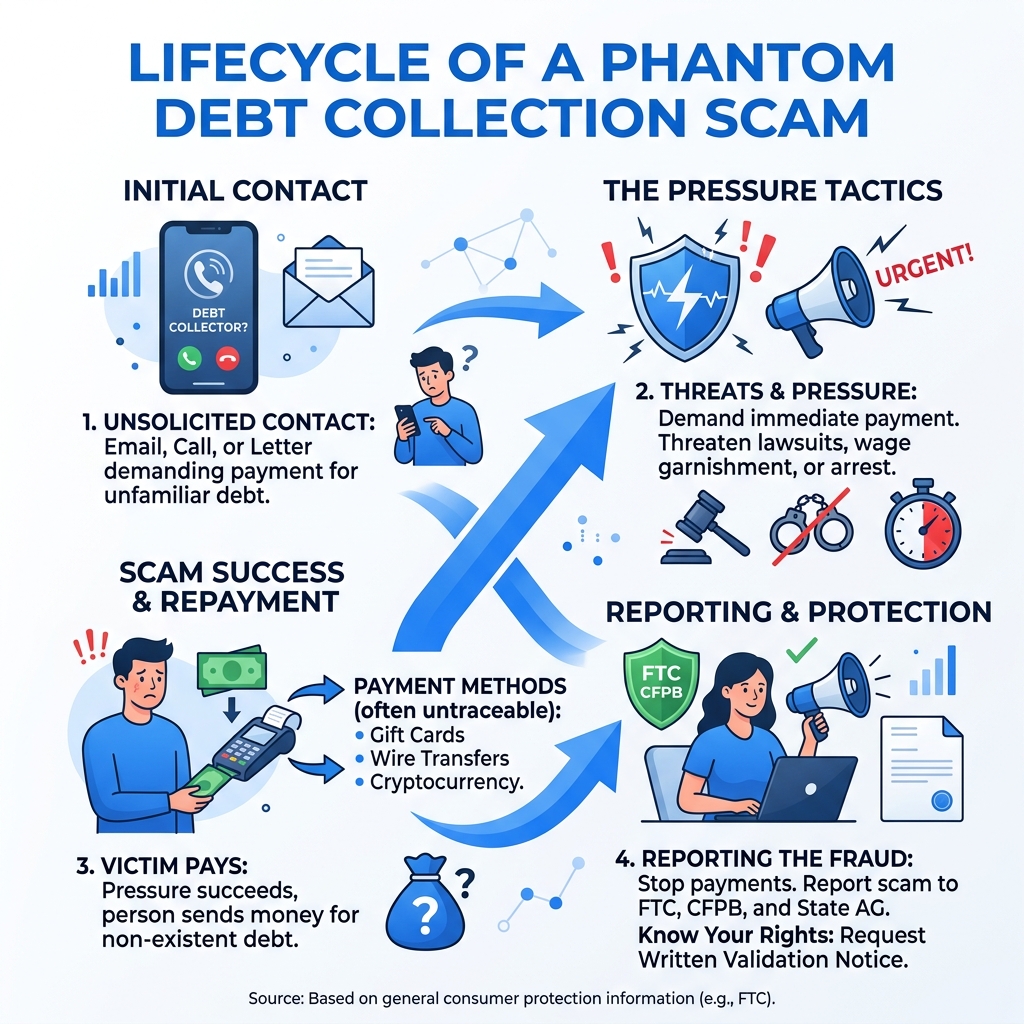
The playbook is simple but effective. A caller says you owe money. They know your name, maybe the last four digits of your Social Security number. They threaten lawsuits, wage garnishment, even arrest. You panic. You pay.
But here's the thing: that debt may not exist at all.
This guide breaks down exactly how these scams work, how to spot them, and what to do if one targets you.
What is a Phantom Debt Collection Scam?
At its core, a phantom debt collection scam involves a fraudster posing as a legitimate debt collector to squeeze money out of you for a debt that doesn't exist. These "phantom" debts are entirely fictitious, though they often sound plausible because scammers use small pieces of your real personal information to build a bridge of trust—or rather, a bridge of fear.
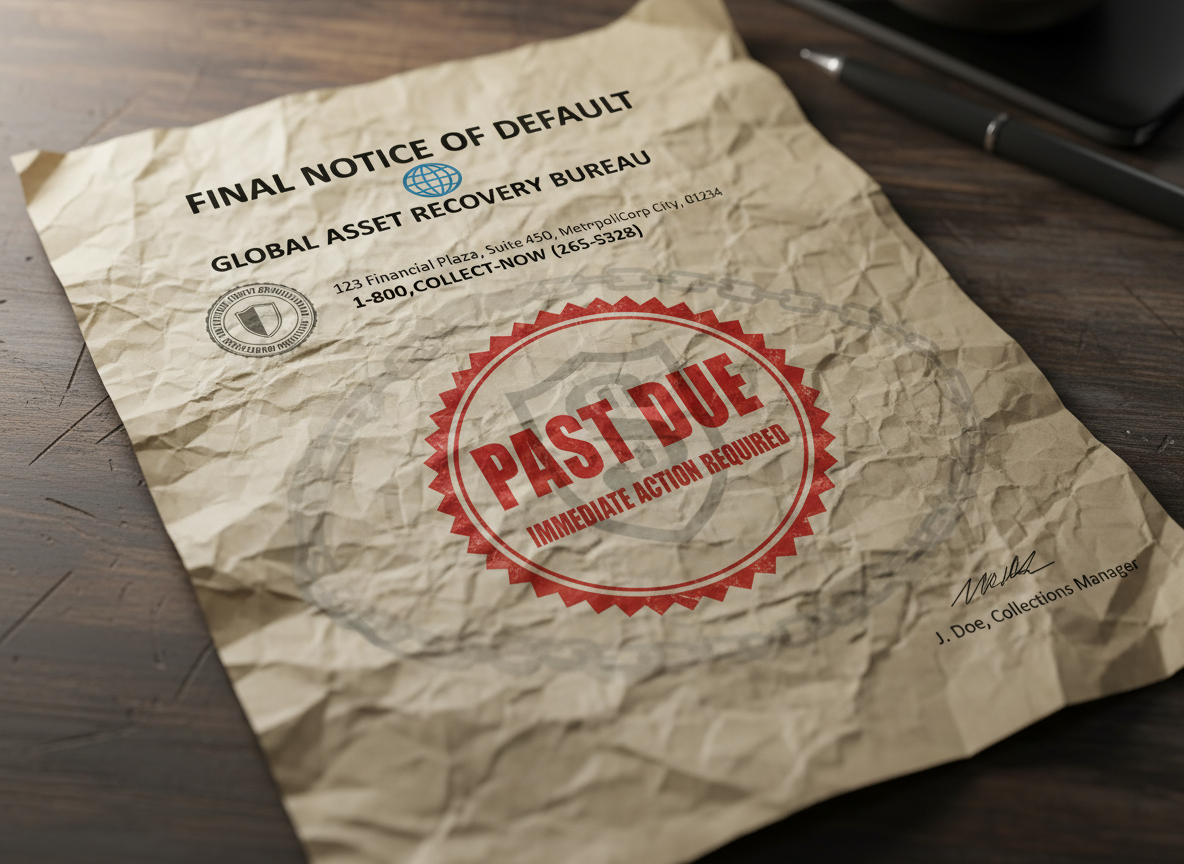
As we've seen in recent years, this isn't just a minor nuisance; it is a massive, multi-million dollar criminal industry. According to Beware of Phantom Debt Collectors, these scammers target everyone, including those who have already paid off their debts or never owed a dime in the first place.
The Different Faces of Fake Debt
Scammers don't always invent a debt from thin air. Sometimes they use "zombie debt." While a phantom debt is completely fake, zombie debt is a legitimate old debt that has long since expired due to the statute of limitations, been settled, or been discharged in bankruptcy. Scammers try to "reanimate" these debts, hoping you’ve forgotten the details and will pay just to make the calls stop.
Real-World Impact and FTC Enforcement
The scale of these operations is often hard to wrap our heads around. Consider these recent statistics and enforcement actions:
- The Blackstone Legal Case: In a major victory for consumers, the FTC Action Leads to Court Order Halting Phantom Debt Collection resulted in a judgment of over $8.2 million against a scheme that took millions from unsuspecting Americans. This group used fake law firm names and threatened to seize homes.
- The Georgia Fraud: In late 2024, the FTC accused a Georgia-based agency of bilking consumers out of $7.6 million.
- A Growing Industry: With approximately 2,500 debt collection agencies in the U.S. raking in $15 billion annually, scammers find it easy to hide in the shadows of the legitimate industry.
With U.S. household debt reaching $18.59 trillion in late 2025, the "target rich environment" for these criminals has never been larger. They rely on the fact that most of us have had a credit card, a medical bill, or a payday loan at some point, making their claims feel just "real" enough to cause a panic.
Common Red Flags of a Phantom Debt Collection Scam
Recognizing a phantom debt collection scam is easier when you know the "tells." Legitimate debt collectors have strict rules they must follow. Scammers, on the other hand, rely on breaking those rules to create a sense of emergency.
| Feature | Legitimate Debt Collector | Phantom Debt Scammer |
|---|---|---|
| Initial Contact | Provides company name and professional ID. | Often vague or uses "Official" sounding fake law firms. |
| Written Proof | Must send a validation notice within 5 days. | Refuses to send anything in writing; demands immediate pay. |
| Threats | Can explain legal options but cannot threaten arrest. | Threatens jail, "sheriff at your door," or job loss. |
| Payment Method | Check, bank transfer, or secure portal. | Gift cards, wire transfers, or cryptocurrency. |
| Language | Professional and firm. | Aggressive, uses obscenities or high-pressure tactics. |
The "Pay Now or Go to Jail" Tactic
One of the biggest red flags is the threat of arrest. In the United States, you cannot be arrested for failing to pay a consumer debt. If a caller claims they are an attorney or law enforcement officer and says you will be arrested at your workplace if you don't pay within the hour, you are dealing with a scam. According to Recognizing Scam Collection Calls for Phantom Debt, these criminals often use "spoofed" caller ID numbers to make it look like they are calling from a local courthouse or police station.
Unusual Payment Demands
If a caller asks you to pay a debt using a gift card, a wire transfer (like Western Union), or a digital payment app, hang up immediately. No legitimate business—and certainly no government agency—will ever ask for payment in iTunes or Amazon gift cards. These methods are preferred by scammers because they are nearly impossible to trace or reverse once the money is sent.
Small Scams Lead to Big Ones
Oftentimes, these debt scams start with smaller fraudulent charges. For example, the Vinclarity Scam: $1 VIN Report Then $25 Hits Your Card shows how scammers use low-cost "hooks" to get your credit card information. Once they have your details, they may sell your info to "debt collectors" who then call you claiming you owe thousands for services you never signed up for.
Your Rights Under the Fair Debt Collection Practices Act (FDCPA)
We have powerful legal protections on our side. The Fair Debt Collection Practices Act (FDCPA) is a federal law that dictates what collectors can and cannot do. Knowing these rules is your best defense against a phantom debt collection scam.
The 5-Day Validation Rule
Under the FDCPA, a debt collector is legally required to send you a written "validation notice" within five days of their first contact with you. This notice must include:
- The exact amount of the debt.
- The name of the current creditor.
- A statement explaining that you have 30 days to dispute the debt.
If a caller refuses to provide a physical mailing address or won't send you this notice, they are violating federal law. As noted in Don't Be Scammed By A 'Phantom Debt' Collector, you should never provide personal financial information until you have this letter in your hand.
Harassment and Contact Restrictions
The law also protects your peace of mind. Debt collectors are prohibited from:
- Calling you before 8 a.m. or after 9 p.m.
- Contacting you at work if they know your employer prohibits it.
- Using profane or abusive language.
- Misrepresenting the amount you owe.
- Contacting third parties (like your neighbors or boss) about your debt, except to find your contact information.
Sometimes, even real agencies cross the line. For instance, the Unifin Text Scam: Real Debt Collector or Fraud discussion highlights how aggressive texting tactics can blur the line between legitimate collection and harassment. Regardless of whether the debt is real or "phantom," you have the right to demand they stop calling you.
Immediate Steps to Take When Contacted by a Phantom Debt Collection Scam
If you receive a suspicious call, don't let your emotions take the driver's seat. Scammers want you to panic so you don't think clearly. Instead, follow these steps to protect your wallet and your identity.
1. Demand Proof (and Stay Silent)
The moment a collector calls, ask for their name, company name, street address, and professional license number. If they are legitimate, they will provide this. If they are part of a phantom debt collection scam, they will likely become aggressive or hang up. Do not confirm any personal details—if they ask, "Is this the last four of your SSN?" do not say yes or no. Simply state: "I will not discuss this until I receive a written validation notice by mail."
2. Check Your Credit Report
Legitimate debts that have gone to collection almost always appear on your credit report. You can get a free report from each of the three major bureaus (Equifax, Experian, and TransUnion) at AnnualCreditReport.com. If the debt isn't there, it’s a major red flag. For more on identifying these discrepancies, see CCSPayment Scam or Legit: How to Spot Fake Debt.
3. Contact the Original Creditor
If the caller claims you owe money to a specific bank or hospital, don't take their word for it. Find the official number for that institution on your own and call them directly. Ask if your account was ever sold to a collection agency. This is one of the fastest ways to debunk a phantom claim.
4. Send a "Cease and Desist"
According to Phantom Debt Scams: What to Do If a Collector Calls You, you can send a letter to the collection agency telling them to stop contacting you. Once they receive this, they are legally allowed to contact you only one more time to confirm they are stopping or to notify you of a specific legal action (like a lawsuit). If it's a scammer, they'll likely move on to an easier target who doesn't know the law.
5. Document Everything
Keep a log of every call: the date, time, the number on the caller ID, and what was said. Save any voicemails or text messages. This documentation is vital if you need to file a report with the authorities later.
How to Report and Recover from Debt Fraud
If you realize you’ve been targeted—or worse, if you’ve already paid a scammer—you need to act quickly to minimize the damage.
Reporting the Scam
Reporting isn't just about your own case; it helps federal agencies build "Operation Corrupt Collector" style takedowns.
- The FTC: Report at ReportFraud.ftc.gov.
- The CFPB: Submit a complaint to the Consumer Financial Protection Bureau.
- State Attorney General: Most states have a consumer protection division specifically for debt scams.
- Action Fraud (UK): If you are in the UK, How to Spot and Protect Yourself from Phantom Debts recommends reporting directly to Action Fraud and seeking advice from Citizens Advice.
Recovery Steps
If you shared your Social Security number or bank details:
- Place a Fraud Alert: Contact one of the three credit bureaus to place a free 1-year fraud alert on your file.
- Credit Freeze: This is the most effective way to prevent scammers from opening new accounts in your name. It's free and won't affect your credit score.
- Alert Financial Institutions: Tell your bank and credit card companies that your information may have been compromised. They can monitor for suspicious activity or issue new cards.
- Update Security: Change your passwords and enable Multi-Factor Authentication (MFA) on all financial and email accounts.
Frequently Asked Questions about Phantom Debt
Can I be arrested for a phantom debt collection scam?
No. This is perhaps the most common lie told by scammers. In the U.S., there are no "debtor's prisons." Failing to pay a credit card, medical bill, or payday loan is a civil matter, not a criminal one. A collector can sue you in civil court, but they cannot have you arrested. Anyone claiming to be a "sheriff" or "process server" demanding immediate payment to avoid jail is a fraudster.
How do scammers get my personal information for a phantom debt collection scam?
Scammers are resourceful. They often get your name, phone number, and partial SSN from:
- Data Breaches: Information leaked from major corporations.
- Shady Loan Apps: Online payday loan sites that sell your "lead" information to anyone with a checkbook.
- Public Records: Information from property records or court filings.
- Social Engineering: Tricking you into revealing info through "verification" questions.
What payment methods do phantom debt scammers prefer?
They prefer methods that are instant and irreversible. This includes:
- Gift Cards: (iTunes, Google Play, Target).
- Wire Transfers: (Western Union, MoneyGram).
- Cryptocurrency: (Bitcoin via ATMs).
- Prepaid Debit Cards: (Green Dot, etc.). If a collector insists on one of these, it is 100% a scam.
Conclusion
The phantom debt collection scam thrives on the intersection of our financial anxieties and our desire to be law-abiding citizens. By using aggressive tactics and just enough "real" data to be dangerous, these criminals have turned fake debt into a multi-billion dollar industry.
At Tempo Mail USA, we believe the best way to stop a scam is to prevent your information from reaching the scammers in the first place. Many of these "debt collectors" get your contact details because you provided your real email address to a "free" credit check site, a shady loan application, or a service that suffered a data breach.
Our temporary email aliases act as a privacy firewall. By using a proxy email instead of your primary one, you protect your permanent PII (Personally Identifiable Information) from being harvested and sold on the dark web. When you control your data, you control who can reach you—and you make it much harder for "phantoms" to find their way into your life.
Stay vigilant, demand written proof, and keep your private data private at tempomailusa.com.