
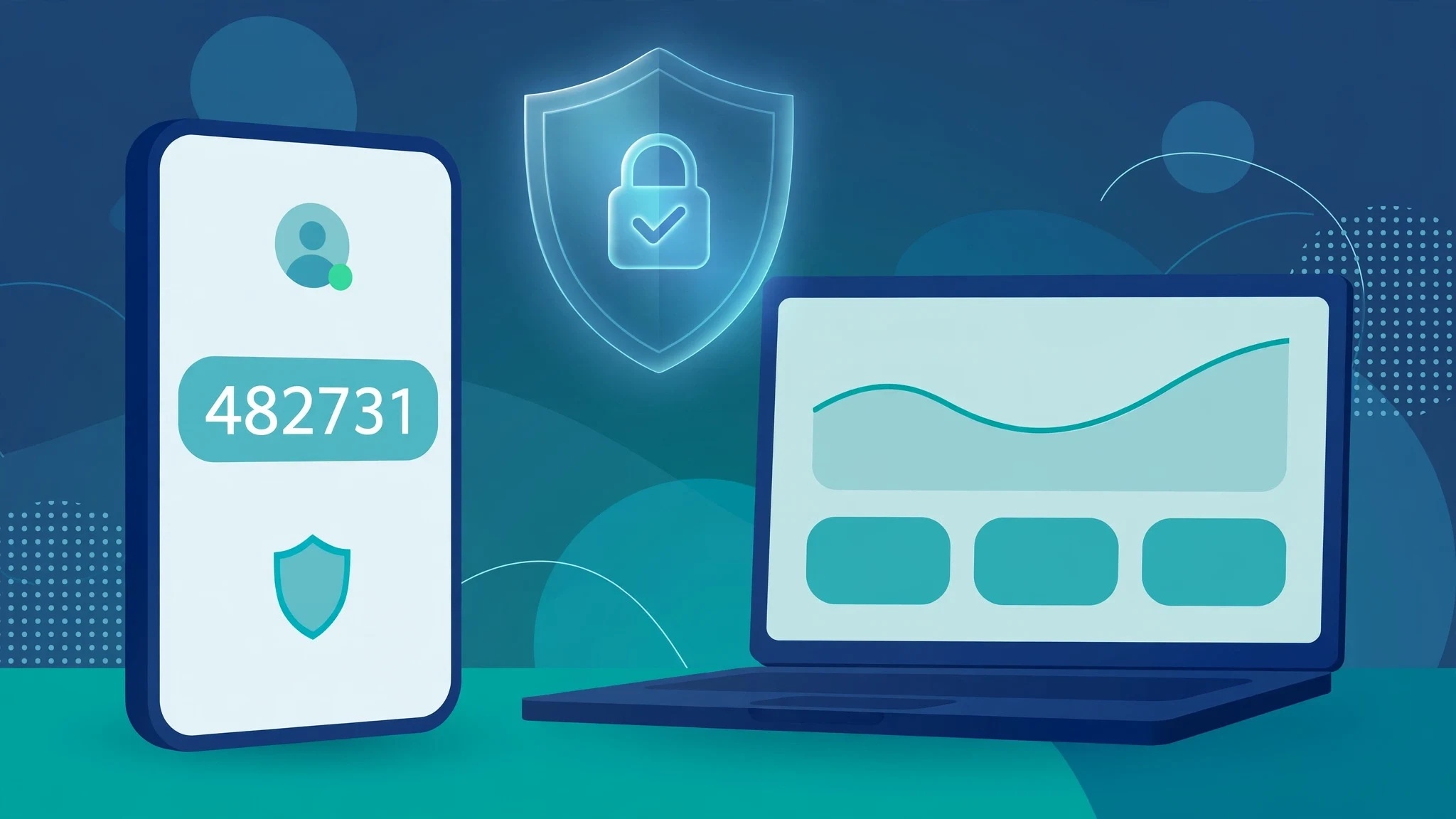
Free OTP Bot Telegram: I Checked What 'Free' Actually Gets You — and the Three Bots Hiding in One Search
Type "free otp bot telegram" into a search box and you get an answer to a question you did not ask. The results split three ways — a scam, a shop, and a developer tool — and none of them is what most searchers picture: a friendly bot that hands out working verification codes for free, no strings attached. That bot does not exist. I spent this morning checking what the search actually finds, what each kind of bot costs, and which of them is real, so you can stop clicking through channels that all promise the same free thing and mean three different things by it.
The honest summary, up front: if you want a bot to give you codes for accounts you do not own, the only bots offering that are either stealing from someone or stealing from you. If you want a bot to sell you verification numbers, the bot itself is free and the numbers are not. And if you want a bot to deliver codes to your own users, that one genuinely is free — but it is a tool for businesses and developers, not a shortcut for signups. There is also a fourth path, the one nobody searches for, which is email: a free temporary inbox receives email codes just fine, and I verified that path live this morning.
The three bots hiding inside one search
Every result for this keyword falls into one of three buckets, and telling them apart is the whole skill. They use the same words — free, OTP, Telegram, bot — and they sell different things.
Bucket one: the account-takeover bot. This is the one the search phrase was built for, and the one the safety reporting is about. It is a relay: an attacker who already has someone's password starts a login, the service sends a real code, and the bot talks the victim into handing that code over while it is still valid — by phone call, by a fake support chat, by manufactured urgency. The bot does not generate the code. It harvests it. Flare's reporting, cited in a recent safety writeup on this exact search, tracked Telegram search results for "OTP bot" growing from about 1,700 in 2022 to roughly 5.1 million by 2025. That is not a niche. That is a market, and its product is other people's accounts.
Bucket two: the reseller bot. This is a shop with a Telegram storefront. Services like Proxnum let anyone spin up a bot that sells SMS verification numbers — virtual numbers for WhatsApp, Instagram, Google, TikTok, PayPal, Discord and 900-plus other services across 200-plus countries. Creating the bot is free. The numbers are not: you fund the account with balance, buy wholesale, and resell at a markup. The "free" in the listing means zero setup cost, and the listings say so plainly if you read past the headline.
Bucket three: the delivery bot. This is the legitimate one. A business that needs to verify its own users can send one-time codes through Telegram instead of SMS, using Telegram's Bot API — which charges nothing per message. AkidOTP runs this as a service with a free tier of 1,000 verifications a month; Protectimus delivers codes through a free chatbot on Telegram, Viber and Messenger. Nobody is giving you a code for someone else's account here. The bot is plumbing for a business's own verification flow.
Three buckets, one search phrase. Every disappointment — and every hacked account — in this niche comes from walking into the wrong bucket while looking for another one.
What I actually checked this morning (and what I refused to test)
Method matters here, because the wrong kind of testing in this niche means handing your phone number or a login code to a stranger. So here is exactly what I did and did not do.
I read the pages currently ranking for the keyword — the safety writeup, the reseller guides, the business OTP guides — and cross-checked their claims against each other and against Telegram's own documented behaviour. I opened tempomailusa.com live and checked the free tier exactly as it is stated on the page: 468-plus domains free to try, first message free to read, no account, no card, one free domain (rover.info), Pro at $4.19 a month for every message. The live counters at the moment I looked read 480,966 emails created and 609,972 messages received. I also leaned on this site's own OTP test, published today, which ran the three-way test — email, SMS, and authenticator — and reported all three honestly, including the one that failed.
What I did not do: I did not start a conversation with any "free OTP bot", did not hand any bot a phone number, and did not type a login code anywhere except Telegram's own app. That is not a gap in the testing. It is the finding. A bot that needs your login code to demonstrate itself is demonstrating the scam, and the correct test result is a refusal. If a review tells you it "tested" a dozen of these bots by feeding them numbers and codes, that review either tested nothing or it tested the scam by participating in it.
Bot one: the "free" bot that steals accounts
Here is the mechanism, described at the level the safety literature already publishes it — enough to recognise it, not enough to run it.
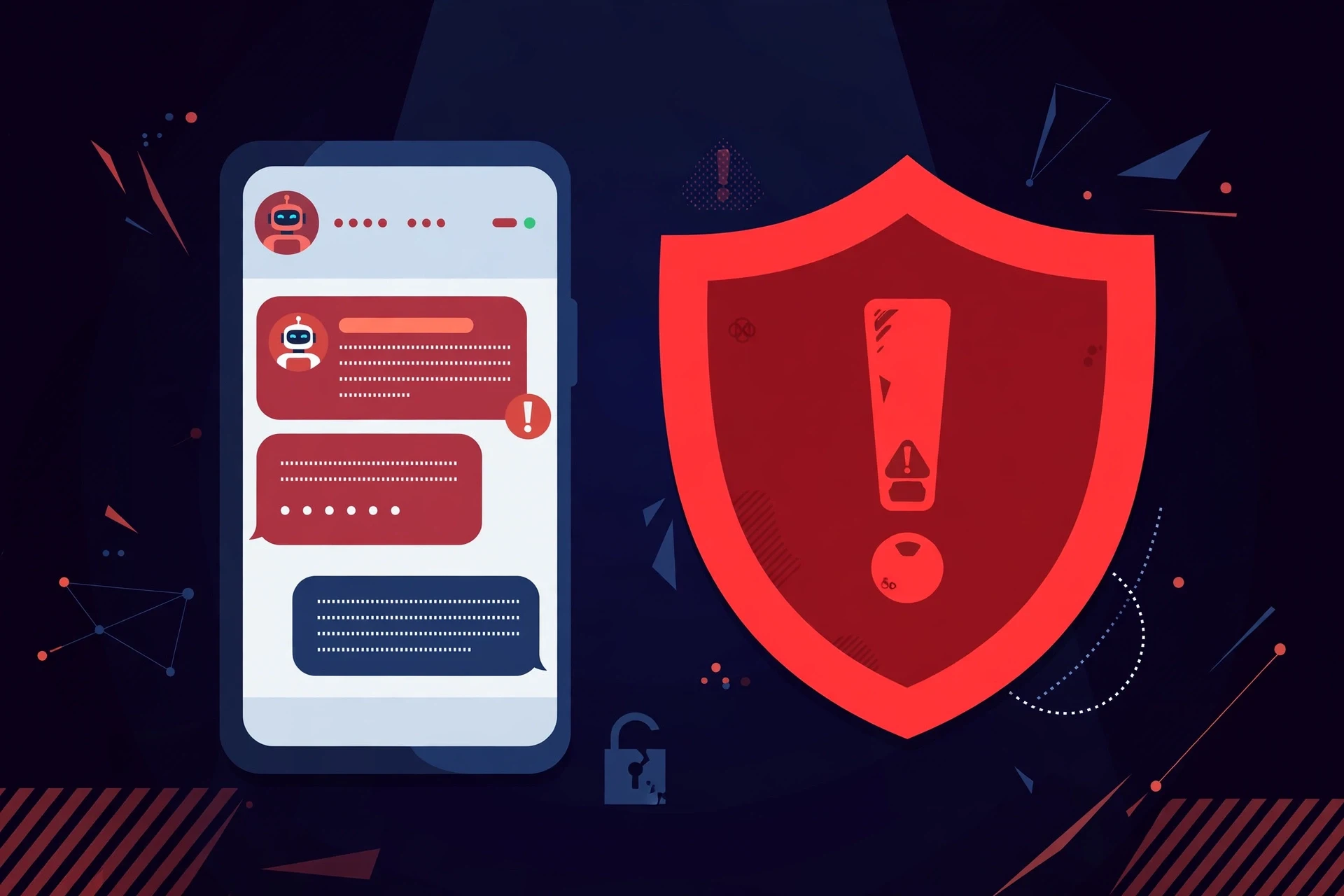
The attacker starts with a password, usually bought or phished. They start a login on the victim's account. The service does its job and sends a real one-time code to the victim's phone. Then the bot does its job: it calls or messages the victim, pretends to be support, a delivery company, a bank, a prize desk — any story that creates urgency — and asks for the code "to verify". The victim reads out a code that is genuine, current, and theirs. The attacker types it in within seconds, and the second factor falls. Nothing was hacked in the technical sense. The code was handed over by its owner.
The cost lands in two places. The victim loses the account, and from there usually more: email first, then password resets everywhere else, then money. The operator loses too, eventually — using one of these bots, even out of curiosity, means participating in credential theft, and that crosses into criminal conduct in most places fast. The safety writeup on this search puts it bluntly: the word "free" lowers suspicion, and in this market it should raise it.
How to spot one: it asks for your phone number and then the code Telegram sends you. It messages you first. It claims to be Telegram support, or a group admin, or a prize desk. It sends you to a login page outside Telegram. It wants payment outside Telegram to "speed things up". Any one of those is enough. Telegram's own advice, repeated by every safety guide I read this morning, is the same sentence: treat bots like strangers, and never give one your passwords, your Telegram codes, or your bank details. A real group anti-spam check never needs your login code. A real support desk never asks for it in a chat. There is no prize.
One more number to keep in mind: Telegram has over a billion monthly active users, and its groups run to 200,000 members. That scale is why the relay works — there is always another victim one message away — and why "free" bots advertising account access will keep appearing faster than they can be removed.
Bot two: the reseller bot that is free until it isn't
Now the shop. If what you actually want is a phone number that can receive a verification SMS — for a second account, a test signup, a service that insists on a number — the Telegram reseller bot is a real product, and its pricing is honest once you read it.
The setup really is free and fast. You message @BotFather, run /newbot, copy the token into a reseller dashboard like Proxnum's, and the bot configures its webhooks itself. Proxnum advertises a five-minute launch and a $0 platform setup fee, and its guides walk through tenant mode — where your customers sign up as sub-accounts, pay your marked-up price, and you keep the difference — in plain language. There is no website to build and no code to write.
But the product is the number, and numbers cost money. You fund the account with balance, buy wholesale SMS verification numbers, and sell them on. The free tier is the storefront, not the stock. If you are buying one code for one signup, you are paying retail for that code, and the price depends on the service and the country — popular services in popular countries cost more, obscure ones less. If you are reselling, your margin is the markup minus the wholesale price, and the guides are upfront that you need balance before a single customer can buy.
Is it legitimate? As a business, yes — selling virtual numbers for verification is a real, if grey, trade, and the platforms that do it publish their catalogues openly. Is it the "free OTP bot" the search promises? No. It is a shop that charges per code, wearing a free sign over the door. And the same vetting rules apply: a reseller bot that asks for your Telegram login code, your two-step verification password, or payment to a personal wallet outside the platform is not a reseller. It is bucket one with a price list.
Bot three: the business bot that actually is free
This is the bucket the search results are quietly full of, and it is the only one where "free" means what it says.
Telegram's Bot API charges nothing per message. A business registers a bot with BotFather, writes the backend logic that generates a time-limited code — typically expiring in 60 to 120 seconds — and sends it to the user's Telegram chat ID with a sendMessage call. The user needs a Telegram account and needs to have started a conversation with the bot at least once. That is the whole deal, and the cost is engineering time, not per-message fees.
The services built on top of this are priced the same way. AkidOTP's free tier includes 1,000 verifications a month, with flat monthly pricing above that and no per-message charges — its whole pitch is that SMS costs your users money from their carrier, while WhatsApp and Telegram cost nobody anything. Protectimus delivers one-time passwords through a free chatbot on Telegram, Facebook Messenger and Viber, using the standard HOTP and TOTP algorithms, and its setup is a 15-second /getid command in the chat.
The catches are real and the business guides name them. Telegram's Bot API gives you no delivery receipt: the API returns a 200 when its servers accept the message, not when the user sees it. There is no SLA, no delivery-status callback, and no fallback channel unless you build one. At small scale that does not matter; at scale, the conversions lost to undelivered codes cost more than a paid OTP API would have. And the user must already be on Telegram and must have started the bot — you cannot reach someone who has never talked to your bot.
None of that makes it a scam. It makes it a tool with a documented ceiling, which is the opposite of the other two buckets. If you are a developer or a small product team and your users are already on Telegram, this is the free OTP bot that exists. If you are an individual looking for a free code for a signup, this bucket is not for you — and recognising that is the point.
A quick word on the alternative in this bucket: a TOTP card or any authenticator app generates your codes on your own device, with no bot and no network involved. If the goal is receiving your own codes securely, an authenticator is free, offline, and has no stranger at the other end. It answers a different question than the search asked, but it is the question most searchers should be asking.
The free OTP path nobody searches for: email
Here is the path the search never finds, because nobody markets it under this keyword: a huge share of verification codes arrive by email, not SMS. And email codes have a free, legitimate receiver that needs no bot, no number, and no payment.

I checked it live this morning on tempomailusa.com. The homepage generates an address the moment it loads. The free tier is stated on the page: every domain free to try, first message free to read, no account, no card. One free domain, rover.info. Pro at $4.19 a month reads every message and adds 365-day inboxes. The counters — 480,966 emails created, 609,972 messages received — are at least a sign of a live service rather than a parked page. If you have never done it, the create a temp email address walkthrough on this site shows the two-minute version, including the one mistake that turns a working address into a dead one: losing the recovery key.
The limit is the same one this site's OTP test ran into this morning: email codes only work where the service sends codes by email. A signup that demands a phone number will not accept an inbox, however good the inbox is. And a free tier that reads one message is exactly enough for one code — a signup that sends a welcome mail and a code will eat your free read on the welcome mail. That is a real constraint, and it is disclosed on the homepage before you start, which is more than the reseller bots and the scam bots offer.
So the honest ranking of free OTP receivers, for an individual, is: email codes to a temp inbox are free and real; authenticator codes on your own device are free and real; Telegram delivery bots are free and real but built for businesses; reseller bots are shops, not free; and account-takeover bots are theft, not a tool.
The 60-second check before you trust any Telegram bot
Whatever brought you here, run this check before you start any bot, tap any link, or share any number. It takes a minute and it catches every variant above.
- Did it message you first? A bot cannot message you until you start it. If a bot or a "support" account contacts you out of nowhere, that is already the scam.
- Does it want your login code? Nobody legitimate ever needs the code Telegram sends when you sign in — not staff, not an admin, not a bot, not a friend. If it asks, close the chat.
- Does it want your two-step verification password? Same rule. That password exists precisely so a stolen code is not enough.
- Does the username match, character for character? Fake bots copy well-known names with one letter changed, an extra underscore, or a digit added. Check the exact username before you trust the display name.
- Does it send you to a login page outside Telegram? Telegram never needs you to sign in through a link someone sent you. That page is a session-hijack trap.
- Does it ask for money outside Telegram? Payment to a personal wallet or a number, to "speed up" a deposit or "unlock" the free tier, is the point where a shop becomes a theft.
- Is two-step verification on for your own account? Turn it on now, before you need it. Even if someone gets your SMS code, the extra password keeps them out.
If a bot passes all seven, it is probably a real tool — most likely a business delivery bot or a reseller storefront. If it fails even one, it is not a tool you should be using, whatever it promises.
So which one is yours?
| What you actually want | The bot you are looking for | What "free" really means | What to do |
|---|---|---|---|
| A code for an account you do not own | None — that is bucket one | There is no free version; the price is someone's account, possibly yours | Walk away; do not test it |
| A phone number to receive one SMS code | A reseller bot (e.g. Proxnum) | Bot setup free; each number costs money | Pay per code, vet the seller, never share a login code |
| Codes delivered to your own users | A business delivery bot (e.g. AkidOTP, Protectimus) | Bot API free; free tiers exist (AkidOTP 1,000/month) | Build on BotFather + Bot API; accept no delivery receipt |
| Your own codes, securely | An authenticator app or TOTP card | Free, offline, no bot | Set up TOTP; keep backup codes somewhere safe |
| An email code, right now | A temp inbox (e.g. TempoMailUSA) | First message free to read, no account | Generate an address, paste it, read the code, move on |
That table is the whole post in miniature. The search promises one thing and delivers three, and the only way to get what you actually want is to name which bucket you are in before you click anything. Most people searching this phrase are in bucket one without knowing it — they want a free code for a signup — and the honest answer for them is the bottom row of the table: the code they can actually get for free is the one that arrives by email, in an inbox that costs nothing to open.
FAQ
Is there really a free OTP bot on Telegram?
Yes and no, and the distinction is the point. There are free Telegram bots that deliver one-time codes — businesses use Telegram's Bot API, which charges nothing per message, and services like AkidOTP offer a free tier of 1,000 verifications a month. But there is no legitimate free bot that gives you working codes for accounts you do not own. Bots advertising that are either resellers charging per number, or account-takeover relays that steal codes from victims. The word "free" describes the setup, the delivery channel, or the first tier — never the code itself.
Can a Telegram OTP bot give me a WhatsApp or Instagram verification code?
A reseller bot can sell you a virtual number that receives the SMS for that service, and the code arrives in your Telegram chat — that is the whole reseller model, and you pay per number. A delivery bot cannot: it only sends codes to that business's own users. And an account-takeover bot does not give you a code at all; it tricks the real owner into handing theirs over, which is theft. If a bot promises a free code for any service with no payment, it is promising the third thing while pretending to be the first.
Is it safe to use a free OTP bot on Telegram?
It depends entirely on which bucket the bot is in. A business delivery bot from a verifiable company is as safe as any other bot. A reseller bot is as safe as the seller behind it — vet the username character by character and never pay outside the platform. An account-takeover bot is never safe: the moment it asks for your phone number and then the code Telegram sends you, it is trying to log in to your account. Telegram's own rule is the simplest version: treat bots like strangers, and never share your login code with one.
What is the safest free way to receive a verification code?
For email codes, a temporary inbox: generate an address on tempomailusa.com, paste it into the signup, and read the code — the first message is free, no account needed. For your own accounts, an authenticator app or a TOTP card generates codes on your device with no network and no stranger involved. For SMS codes, there is no free and safe shortcut: either use your own number, or pay a vetted reseller per code. Anything offering SMS codes for free is either a trial with a catch or a scam with a victim.
What should I do if I already gave a bot my Telegram login code?
Act immediately. If you can still sign in, change your password and turn on two-step verification, then check Settings → Devices and end every session you do not recognise. If you are locked out, use Telegram's account recovery and contact support from the official app or site — never through a link a bot sent you. Then warn your contacts: an attacker signed in as you will message them asking for money or for their codes, and the fastest way to limit the damage is to tell people first. A verification code is only ever meant to be typed into the app yourself, at a moment you chose — never sent in a chat, read out on a call, or typed into a bot.
Images
- Featured — file:
free-otp-bot-telegram-featured.webp(2048x1152), source:media-generation-free-otp-bot-telegram-featured-0-3309534d-de7a-4c22-a234-7863f25a9088.webp, placement: article hero, alt: "A Telegram chat window on a phone beside a laptop, with a one-time code message and a shield icon, in dark blue and teal tones". - In-content 1 — file:
free-otp-bot-telegram-in1-relay.webp(1920x1280), source:media-generation-free-otp-bot-telegram-in1-rela-0-e63201ca-7a2e-4a1b-8fc7-5f61a07c7216.webp, placement: under H2 "Bot one: the 'free' bot that steals accounts", alt: "A smartphone showing a Telegram chat with a suspicious bot asking for a login code, with a red warning shield beside it". - In-content 2 — file:
free-otp-bot-telegram-in2-email.webp(1200x675), source:media-generation-free-otp-bot-telegram-in2-emai-0-97ee2d3f-7304-409a-9fe5-67b621ccd032.webp, placement: under H2 "The free OTP path nobody searches for: email", alt: "A laptop showing a temporary email inbox with a verification code message open, beside a phone showing a Telegram chat". - Small thumbnail — real 640x360 resized copy of the featured image:
free-otp-bot-telegram-featured.webpunderuploads/content/small/.
Need a disposable temporary email?
Protect your real inbox from spam and promotional clutter instantly and free.
Received a suspicious email, text, or charge alert?
Verify whether the sender domain is disposable, spoofed, or unverified before clicking links.