


The Bear Suit Luxury Car Scam: What You Need to Know
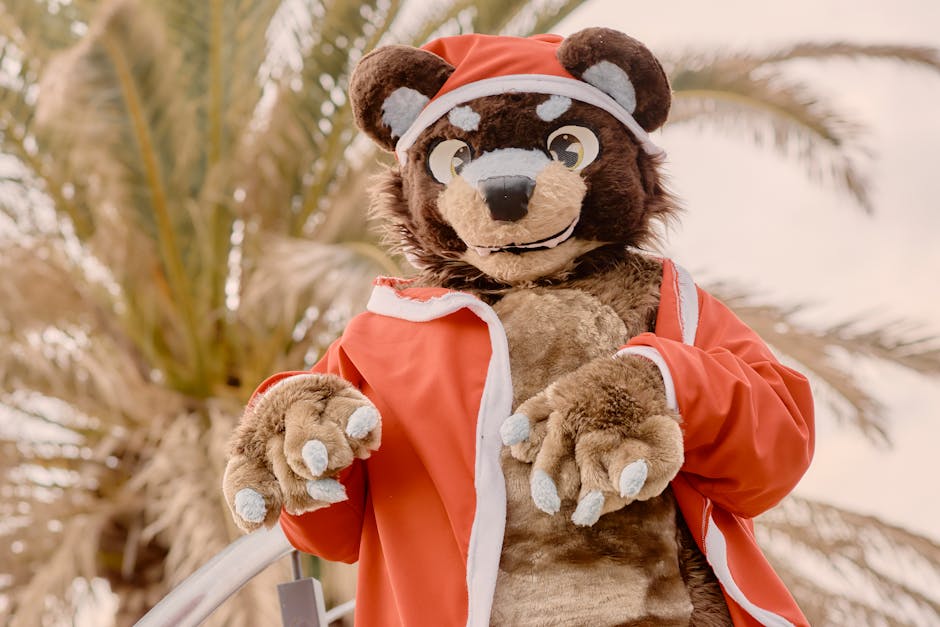
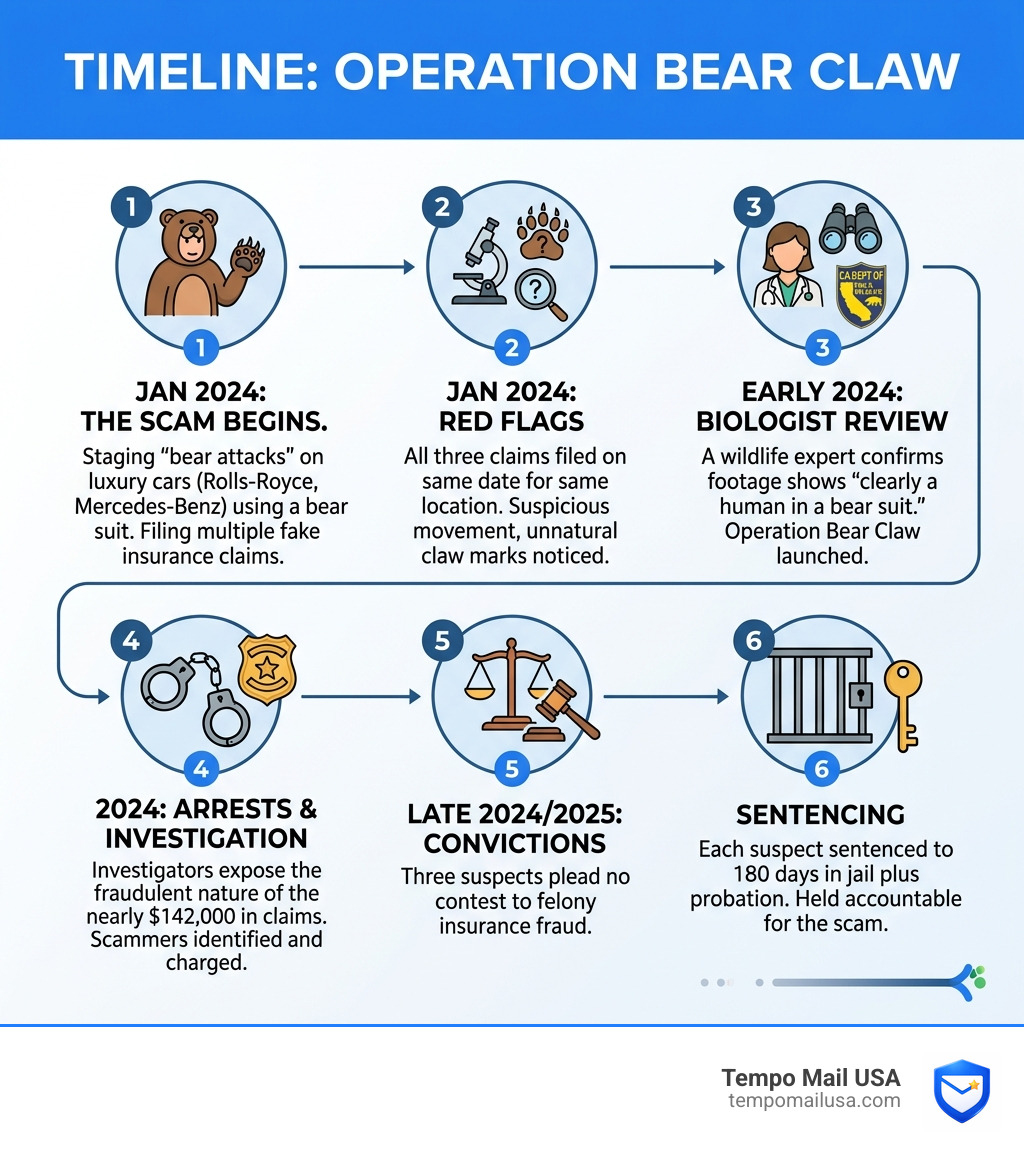
The bear suit luxury car scam was a 2024 California insurance fraud scheme in which a group of Los Angeles-area residents dressed a person in a bear costume, staged fake "bear attacks" on luxury vehicles, and filed fraudulent insurance claims totaling nearly $142,000.
Quick facts:
- What happened: A person in a bear suit was filmed damaging the interiors of three luxury cars in the San Bernardino Mountains
- Vehicles targeted: 2010 Rolls-Royce Ghost, 2015 Mercedes-Benz G63 AMG, 2022 Mercedes E350
- Total fraud amount: $141,839 claimed from three separate insurance companies
- How it was caught: A California Department of Fish and Wildlife biologist reviewed the footage and confirmed it was "clearly a human in a bear suit"
- Outcome: Three suspects pleaded no contest to felony insurance fraud and were each sentenced to 180 days in jail plus probation
California genuinely has tens of thousands of black bears, and real bear break-ins to cars and homes are a documented problem — especially in mountain communities. The scammers were banking on that fact.
But the plan fell apart fast. The bear moved wrong. The claw marks didn't match real bear anatomy. And all three claims were filed on the same date, for the same location, to different insurers. That combination of red flags triggered what investigators would later name Operation Bear Claw.
As California Insurance Commissioner Ricardo Lara put it, what looked unbelievable turned out to be exactly that — and the people behind it were held accountable.
What Was the Bear Suit Luxury Car Scam?
At its core, the bear suit luxury car scam was an attempt to exploit a very real environmental phenomenon in California: the interaction between hungry black bears and human property. Lake Arrowhead, a picturesque community in the San Bernardino Mountains, is no stranger to bears raiding trash cans or even opening unlocked car doors in search of a snack.
In January 2024, the perpetrators staged what they claimed were multiple bear attacks on high-end vehicles. They submitted video footage to three different insurance companies, hoping the graininess of the night-vision surveillance would mask the truth. The footage showed a "bear" entering the vehicles and thrashing about, supposedly leaving behind shredded leather and deep gouges in the door panels.
According to reports from ‘Bear attack’ on luxury cars was person in costume, the scheme relied entirely on the insurers believing that a wild animal had caused the damage. However, the "bear" in the video displayed movements that were far more human than ursine. Instead of the heavy, lumbering gait of a 400-pound mammal, the figure moved with the agility and upright posture of a person in a costume.
The fraudulent claims were filed simultaneously, but the sheer audacity of the damage patterns and the suspicious timing of the incidents led investigators to take a much closer look at the "animal" in question.
| Feature | Real Bear Damage | Scammer "Bear" Damage |
|---|---|---|
| Claw Count | 5 distinct claw marks | 6 claw marks (from meat tools) |
| Movement | Heavy, low center of gravity | Upright, human-like thrashing |
| Entry Method | Usually forceful (broken glass/pried doors) | Often "conveniently" left unlocked |
| Interior Damage | Chewed plastic, food scents, hair/scat | Clean, parallel scratches on leather |
The Targeted Vehicles and Financial Impact
This wasn't a scam targeting old beaters. The suspects aimed for high-payout totals by using luxury vehicles with expensive interior repair costs. The fleet involved in the bear suit luxury car scam included:
- A 2010 Rolls-Royce Ghost: A vehicle where a single seat replacement can cost as much as a compact car.
- A 2015 Mercedes-Benz G63 AMG: Known for its rugged exterior but plush, expensive interior.
- A 2022 Mercedes E350: A modern luxury sedan with sophisticated upholstery.
The total financial hit attempted against the insurance companies was a staggering $141,839. As noted in Car owners claimed a bear trashed their Rolls-Royce, the scammers likely chose these specific models because the "cost to cure" the interior damage would naturally push the claims into the six-figure range.
The Role of Wildlife Biologists in the Bear Suit Luxury Car Scam
One of the most fascinating aspects of this case was the involvement of the California Department of Fish and Wildlife. Insurance investigators aren't always animal experts, so they called in the professionals to review the "bear" footage.
A state wildlife biologist reviewed the recordings and quickly pointed out several "painfully obvious" flaws. First, the bear's movements were entirely inconsistent with how a black bear behaves. Second, and perhaps most damningly, the biologist noticed the claw marks. Real bears have five claws. The marks left in these luxury cars frequently showed six parallel scratches.
According to Tearing Up Luxury Cars In A Bear Suit To Scam Insurance “Really Stupid”, the biologist noted that the "bear" was clearly a human in a costume. The "claws" used to tear the leather were actually common kitchen tools—metal meat-shredding claws typically used for pulling pork. This level of expert scrutiny turned a "bizarre claim" into a criminal investigation.
Operation Bear Claw: How Investigators Uncovered the Fraud
The investigation, aptly named Operation Bear Claw, was a collaborative effort between the California Department of Insurance and local law enforcement. Once the biological evidence suggested fraud, detectives shifted their focus to the suspects' residences.
The breakthrough came when search warrants were executed at the homes of the suspects. Inside, detectives didn't find a grizzly, but they did find the "smoking gun": a life-sized, brown bear costume complete with a headpiece, paws, and those infamous metal meat-pulling claws.
The digital trail was equally important. Just as we warn people to be careful of digital footprints in our guide on the Docusign Email Scam: How to Spot It, these scammers left a trail of coordinated claims that suggested a pre-planned conspiracy rather than a random act of nature. By filing three different claims for the same date and location across three different insurance companies, they essentially invited the fraud departments to compare notes.
Broader Impacts of the Bear Suit Luxury Car Scam on Consumers
While the bear suit luxury car scam sounds like a plot from a comedy movie, the implications for everyday drivers are quite serious. Insurance fraud is a massive drain on the economy, costing the U.S. over $300 billion annually.
When people stage fake bear attacks or use other tricks like the ones we highlight in our Cash App Scam Alert: 7 Tricks Draining Accounts Right Now, insurance companies don't just eat the loss. They pass those costs on to consumers in the form of higher premiums. In 2024, motor vehicle insurance costs rose by roughly 14%, and a portion of that increase is directly attributable to the high volume of fraudulent claims being processed.
Furthermore, these scams force insurance companies to implement more rigorous (and often slower) verification processes. This means that honest car owners who actually have their vehicles damaged by real bears in the San Bernardino Mountains may face more skepticism and longer wait times for their payouts because of the actions of a few "costumed" criminals.
Legal Consequences of the Bear Suit Luxury Car Scam
The law eventually caught up with the "bears." Three primary suspects—Alfiya Zuckerman (39), Ruben Tamrazian (26), and Vahe Muradkhanyan (32)—faced the music in a California court.
By April 2026, the legal proceedings had reached a conclusion for the main trio. They pleaded no contest to felony insurance fraud. The sentences handed down included:
- 180 days in jail: To be served by each of the three defendants.
- Two years of formal probation: Ensuring they remain under court supervision.
- Heavy Restitution: Alfiya Zuckerman was ordered to pay $55,360, while Ruben Tamrazian was ordered to pay $52,268 to compensate the defrauded insurers.
These harsh penalties serve as a warning. Much like the red flags we discuss in our article on Identity Theft Warning Signs in Email Most People Ignore, the legal system is becoming increasingly adept at spotting and punishing sophisticated fraud.
Frequently Asked Questions about the Bear Scam
Who were the individuals arrested in Operation Bear Claw?
The suspects were all residents of the Los Angeles area. The primary individuals convicted were Alfiya Zuckerman, Ruben Tamrazian, and Vahe Muradkhanyan. A fourth suspect, Ararat Chirkinian, also faced charges related to the conspiracy. The investigation required a multi-agency collaboration, proving that even "creative" scams cannot escape the combined resources of state insurance departments and wildlife experts.
How common are real bear intrusions in California?
They are surprisingly common! California is home to an estimated 25,000 to 35,000 black bears. In mountain regions like Lake Arrowhead and Big Bear, these animals have become "food-conditioned," meaning they associate humans and vehicles with easy meals. Real bears have been known to open car doors, smash windows, and even enter homes to reach refrigerators. This reality is exactly what the scammers tried to exploit—they took a common occurrence and tried to "manufacture" it for profit.
What evidence was found during the house searches?
The most significant evidence was the physical bear suit found in one of the suspects' homes. Along with the costume, detectives recovered the metal "claws" used to scratch the leather interiors. They also found the recording equipment used to film the staged attacks. The physical evidence was so overwhelming that it left the suspects with little choice but to enter no-contest pleas.
Conclusion
The bear suit luxury car scam stands as one of the most bizarre chapters in the history of California insurance fraud. It serves as a reminder that while scammers are always coming up with new, creative ways to steal money, experts—from biologists to digital forensic teams—are equally dedicated to stopping them.
At Tempo Mail USA, we believe that protection starts with awareness. Whether it's a person in a bear suit trying to trick an insurance company or a digital scammer trying to harvest your personal data through a suspicious email, the goal is the same: deception.
Protecting your identity is the first step in staying safe in a world full of scams. By using temporary email aliases, you can create a firewall between your private information and the services you use, making it harder for scammers to target you.
Stay vigilant, stay informed, and always double-check the "claws" on any deal that seems too good to be true.