
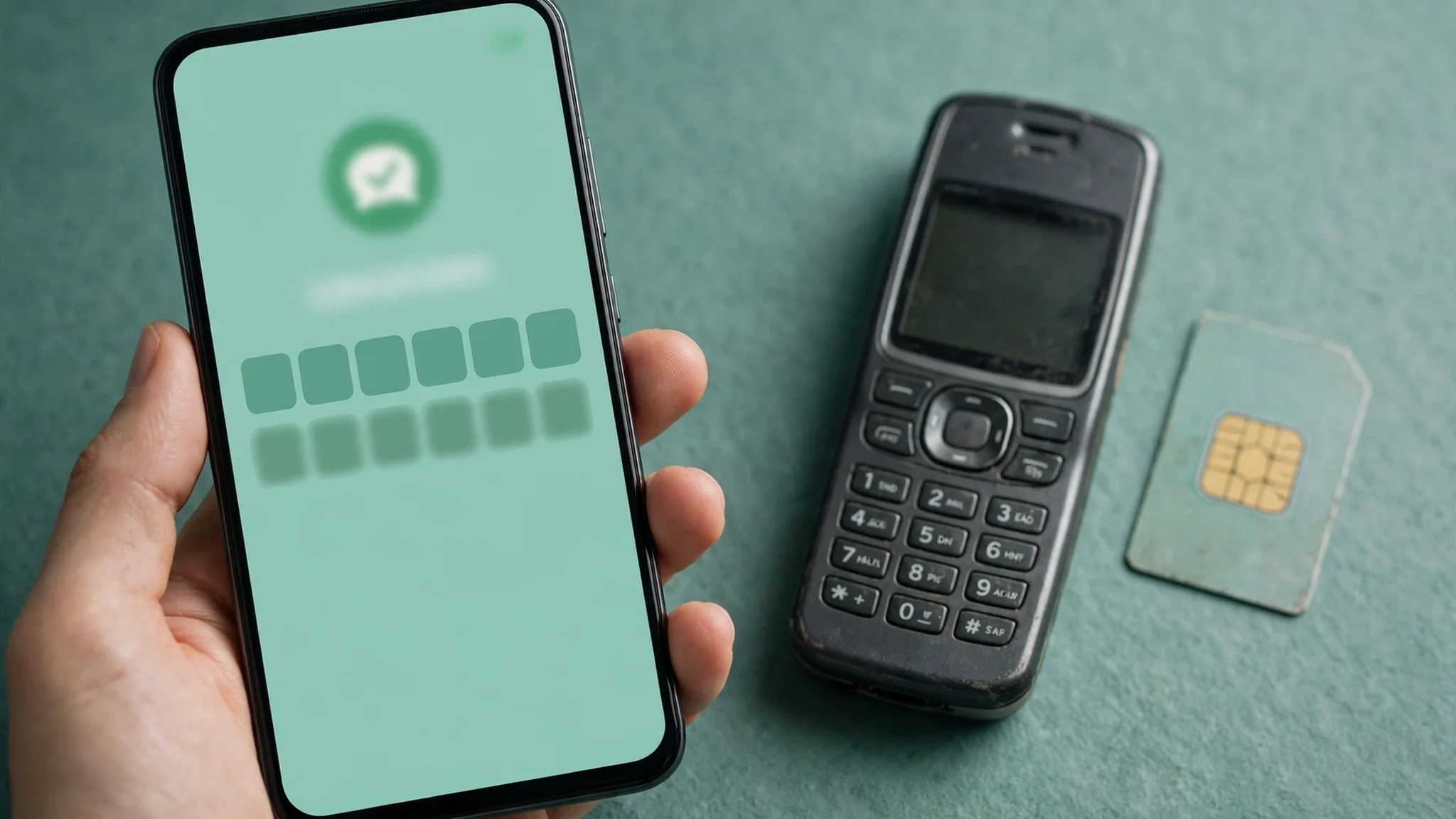
Temporary Phone Number for WhatsApp Verification: Free vs Paid, and the Recovery Risk
Most guides about temporary phone numbers for WhatsApp stop at the same sentence: enter the number, wait for the code, type it in, done. That sentence is true and it is also the least important part of the story. Getting a code is easy. Keeping the account afterwards is the part that bites people, usually months later, when the number they verified with belongs to someone else.
WhatsApp is different from almost every other signup people use temporary contacts for. An email signup asks for an inbox you can abandon. WhatsApp asks for a phone number, and that number stays attached to the account as its identity, its login, and its recovery path. Lose control of the number and you do not just lose a way to get codes. You lose the account itself, or at least your claim to it, to whoever gets the number next.
This guide is the phone side of the verification story. It is not a seller page, and it does not end with a buy button. It covers how free public numbers work, what paid private numbers and rentals actually buy you, why WhatsApp rejects some numbers outright, and the recovery risk that decides whether any of this is worth doing for your particular account.
The question nobody asks before typing the number
Before you pick a number, answer one question honestly: how long does this WhatsApp account need to live?
A throwaway account for a one-evening group chat, a test account for checking how a business profile looks, or a second account you genuinely do not care about losing — those are short-life jobs. The number only has to work for ten minutes, and what happens to it afterwards barely matters.
An account tied to your business, your customers, a community group you run, or years of chat history is a long-life job. For that account, the number has to stay yours. Not just today, but on the day you switch phones, reinstall the app, or get logged out and asked to prove who you are again. That second scenario is where temporary numbers fail, and it fails quietly: everything works until the one day it does not.
My rule is blunt. If losing the account would cost you real money, real customers, or real history, do not verify it with a number you do not control. Use your own number, or a number on a plan you pay for and can keep. Everything below explains why that rule exists, and where the exceptions are.
Free public numbers: a shared inbox with your name on it
Free temporary number sites publish phone numbers on public web pages, and anyone who opens the page can see the SMS codes that arrive on them. That is the whole product. There is no account, no password, and no private inbox. The number on the screen is being used by dozens or hundreds of strangers at the same time, and every code sent to it is visible to all of them.
For WhatsApp, this creates three problems that the seller-style pages never mention.
First, the number may already be registered. WhatsApp allows one account per number, so if a stranger verified WhatsApp on that public number yesterday, your attempt will either fail or, worse, offer to take over an account that is not yours. Some people treat that as a shortcut. It is not. It is someone else's account, and WhatsApp's own security steps, including two-step verification PINs, exist precisely to stop this.
Second, your code is public. A six-digit SMS code on a public page is not a secret. Anyone watching the page at the right moment can read it, and if they are faster than you, they can use it. For a throwaway test account that hardly matters. For anything with contacts or conversations attached, it matters a lot.
Third, free numbers get burned fast. WhatsApp watches for numbers that register and abandon accounts in bulk, and public numbers are the most obvious pattern there is. A number that worked on Monday's list may be blocked by Friday, and the site will simply rotate in a new one without telling you what changed. When we checked the free-number pages ranking for this topic, that churn was the norm, not the exception: lists of numbers with no history, no ownership, and no promise the number will exist next week.
None of this makes free numbers useless. It makes them single-use tools. Use one to test something, to see a signup flow, or to join a conversation you can walk away from. Do not build anything on one.
Free public numbers vs paid private numbers: what the money actually buys
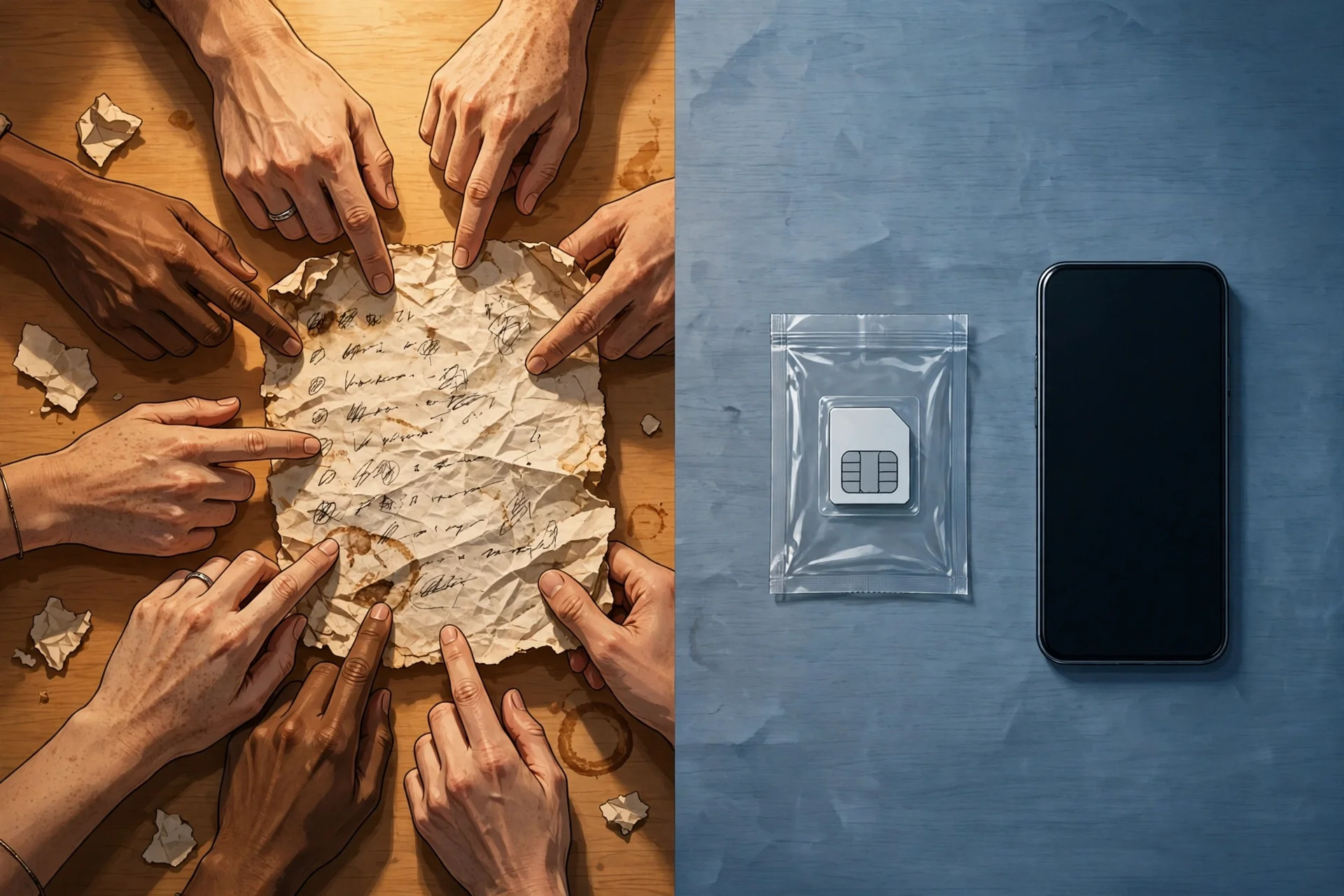
Paid services sell two different things, and confusing them is the most common way people waste money.
A one-time private number is sold to you alone for a single verification. You receive the code, the job is done, and the number typically goes back into circulation after a short window. This is better than a public number in one specific way: nobody else saw your code. It is not better in the way that matters most, because you still do not control the number afterwards. If WhatsApp asks you to re-verify in three months, that number is gone, and whoever holds it next can request a code for your account.
A rental number is different. You pay to keep the same number for a week, a month, or longer, and during that rental nobody else can use it. That is the only temporary-number product that addresses the recovery problem, and only for as long as you keep paying. Stop the rental and you are back to the same risk, just delayed.
So the honest way to read the price tags is this: a free number buys you a code. A one-time private number buys you a private code. A rental buys you time. None of them buys you ownership, because ownership of a phone number comes from a carrier contract, not from a verification website. If a seller promises you a number "forever" for a one-time fee, read that as marketing, not as a contract. Numbers get recycled by carriers, and no reseller can promise otherwise.
That distinction also explains the price spread. One-time codes are cheap because the seller's cost ends after one SMS. Rentals cost more because the seller is holding inventory — a real number, reserved for you — for the whole rental period. When a price looks too good for a rental, it usually means the number is shared, short-lived, or both.
Why WhatsApp rejects some numbers before you even get a code
People who try a temporary number and get no code usually blame the seller. Sometimes the seller deserves it. Often, though, WhatsApp itself said no, and it did so for reasons that have nothing to do with that particular website.
WhatsApp has long refused many internet-based numbers — the kind issued by apps rather than mobile carriers. These numbers are cheap to create in bulk, which makes them the first choice for spam and fake accounts, so WhatsApp treats them as suspect by default. A number from a well-known virtual-number app may fail every time, while a real carrier number from the same country goes through on the first try. The seller page will not tell you which kind it is selling. That is worth asking before you pay.
Country and format matter too. WhatsApp expects a valid number for the country you select, and some services sell numbers whose country does not match the account's usual location. That mismatch alone does not block verification, but combined with a virtual number or a number with a history of abuse, it adds to a risk score you never see.
Then there is the number's past life. Phone numbers get recycled. Carriers hand a disconnected number to a new customer after a quiet period, and verification services do the same with their inventory. A number that was used for spam, scams, or mass account creation carries that history with it. WhatsApp may block it, rate-limit it, or let it through today and flag the account later. There is no public way to check a number's reputation before you use it, which is itself a reason to avoid building anything important on a rented number.
If a number fails repeatedly, switching to another number from the same seller rarely helps, because the underlying problem — virtual range, abused history, or blocked pool — is usually shared across the seller's stock. A different seller with real carrier numbers in a different range is a better next step than ten retries on the same list.
The recovery risk: the part everyone skips
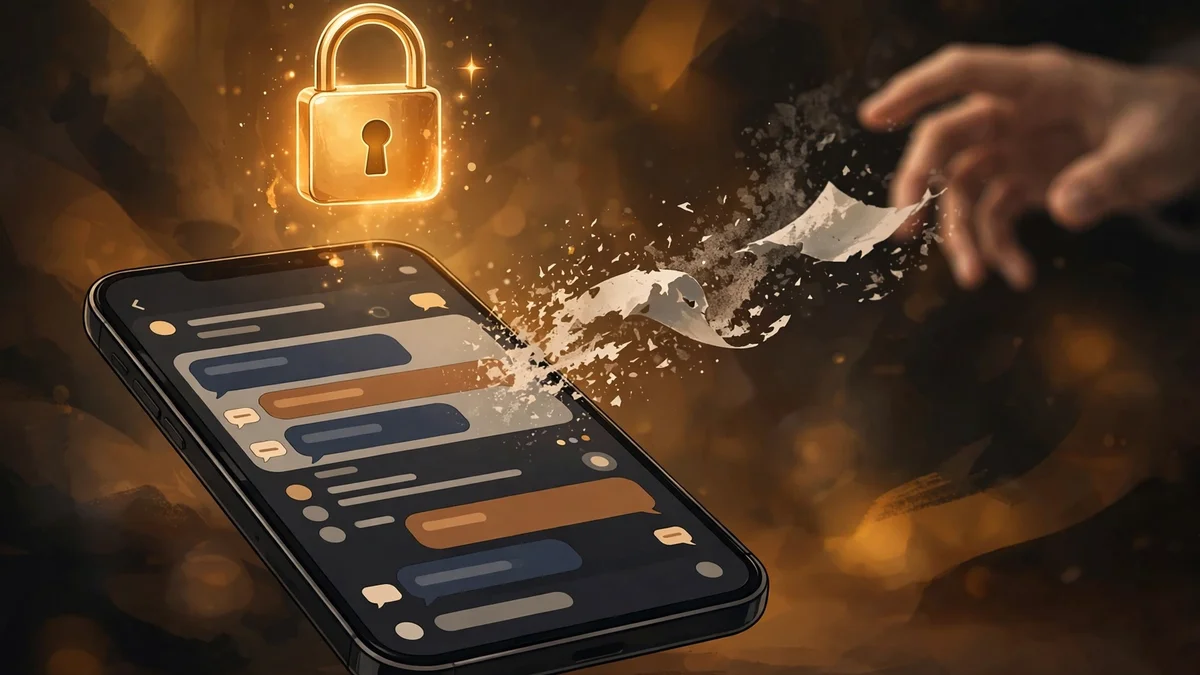
Here is the scenario that decides everything, stated plainly.
You verify a WhatsApp account on a temporary number. Months pass. You get a new phone, or the app logs you out, or you need to move the account to a second device. WhatsApp asks you to verify the number again. A code goes to the number on the account — the temporary number. You no longer have it. Someone else might. If that person requests a code and passes the checks WhatsApp runs, they can register the number and take over the account, including its profile, its groups, and its ability to message your contacts as you.
Two-step verification helps, and you should turn it on for any account you care about. It adds a PIN that a stranger with your old number would also need. But it is a mitigation, not a cure: PINs get forgotten, and WhatsApp's own recovery flow for a forgotten PIN eventually falls back to the phone number. The number remains the root of trust.
The same risk runs in the other direction. If you verify an account on a recycled number that previously belonged to someone else, their old contacts may still message that number expecting them, and in some cases their old account recovery options may still point at it. You inherit a stranger's loose ends along with the digits.
This is why the crypto and banking guides on this site keep returning to the same warning from different angles. A verification step that looks harmless — an email code for a Coinbase signup, a phone code for a WhatsApp account — becomes a security decision the moment the account holds money, customers, or history. The code is not the risk. Losing the channel is.
Which number for which job: a decision table
Use this table as a shortcut, but read the row that matches your account, not the cheapest row.
| Job | Number type | Why |
|---|---|---|
| Testing a signup flow, one evening | Free public number | Nothing to lose; code privacy does not matter |
| A second account you can abandon | One-time private number | Your code stays private; loss is acceptable |
| A business or community account you run | Your own carrier number | Only real ownership survives re-verification |
| A short project with a known end date | Rental, for the project's full length | Keeps the number yours until the project ends, then shut the account down |
| Anything holding money or customer data | Your own carrier number, full stop | No rental or one-time product survives the recovery test |
Two rows deserve emphasis. The rental row works only if you set a calendar reminder for the rental's end date and close or migrate the account before it lapses. The number of people who rent a number for a project, forget the renewal, and discover the loss months later is the quiet majority of the complaints in this space. And the last row is not caution for its own sake: if an account can move money or message customers as you, the recovery path must be something you control through a carrier, not through a reseller's dashboard.
If you already verified on a number you no longer control
This section exists because a large share of readers will arrive here after the fact. If that is you, do these things in order, today, not when the account next asks for a code.
First, turn on two-step verification inside WhatsApp and write the PIN somewhere you will actually find it. This buys you a layer that does not depend on the number alone.
Second, if WhatsApp still lets you into the account, change the number to one you control, using the app's own Change Number feature. That feature moves your chats, groups, and account info to the new number. Do it while you still have access, because after access is lost, the same feature is no longer available to you.
Third, export anything that matters — important chats, business conversations, media you cannot replace — while you can. An export is not a backup of the account, but it preserves the content if the account itself is lost.
Fourth, if the account is tied to a business, tell your regular contacts through another channel that the old number is no longer yours. A stranger who inherits that number can message your contacts as you, and a short warning from you first is worth more than any after-the-fact explanation.
Finally, accept the sunk cost honestly. If access is already gone and the number belongs to someone else, WhatsApp's support cannot simply hand the account back on your word, because from their side the new holder has the number and you do not. That asymmetry is the whole lesson of this guide, and it is why the decision has to be made before verification, not after.
The honest verdict
Temporary phone numbers are good tools for short, low-stakes jobs and bad foundations for anything you want to keep. Free public numbers are fine for tests and worthless for anything else. One-time private numbers protect a single code and nothing after it. Rentals protect you for exactly as long as you pay, and then the risk returns on schedule.
The sellers ranking for this topic will not tell you that, because their pages end at the code. An independent guide should start where they stop: with the question of who owns the number in six months, and what happens to your account when the answer is not you.
If your WhatsApp account is disposable, a temporary number is a reasonable shortcut. If it is not disposable, treat the number like the key it is, and keep the key yourself. That single distinction — disposable versus durable — answers nearly every question people ask about temporary numbers for WhatsApp, including the ones they ask too late. For the email side of the same problem, the rules rhyme: when not to use a temporary email covers the accounts that should never be verified with a throwaway contact, and is temp mail safe explains what a disposable inbox can and cannot protect. The Airbnb signup guide shows the same pattern on a platform where the email step is easy and the identity step is not.
Frequently asked questions
Can I verify WhatsApp with a free temporary phone number?
Sometimes, for a throwaway account. Free public numbers are shared, their codes are visible to everyone viewing the page, and many are already registered or blocked by WhatsApp. They work best for tests you can abandon, and they are a poor choice for any account you want to keep.
Is a paid private number safer than a free one?
For the code itself, yes: nobody else sees it. For the account's future, not much: a one-time private number still leaves your control after verification, so re-verification later can fail or hand the account to the number's next holder. Only a rental keeps the number yours, and only while you keep paying.
Why does WhatsApp reject my temporary number?
Usually because the number is internet-based rather than carrier-issued, because its range has a history of abuse, or because it was recently used for bulk registrations. Retrying the same seller's pool rarely helps; the block is typically on the number range, not on your attempt.
Can someone take over my WhatsApp account with my old temporary number?
Yes, that is the central risk. WhatsApp accounts are tied to phone numbers, so whoever controls the number can request a verification code for it. Two-step verification adds a PIN barrier, but the number remains the root of trust, which is why durable accounts belong on numbers you own.
What should I do if my rental number expires?
Before it expires, change the WhatsApp number to one you control using the app's Change Number feature, or shut the account down cleanly. After expiry, your options narrow fast: the number may be reassigned, and recovery then depends on whoever holds it next.
Is using a temporary number for WhatsApp against the rules?
WhatsApp expects a real phone number you control, and accounts verified on abused or bulk-created numbers can be restricted or banned. A temporary number for a genuine test account is a different risk from bulk account creation, but neither is as safe as verifying with your own number.
Need a disposable temporary email?
Protect your real inbox from spam and promotional clutter instantly and free.
Received a suspicious email, text, or charge alert?
Verify whether the sender domain is disposable, spoofed, or unverified before clicking links.