
Temp Mail for Coinbase: The Honest Truth About Crypto Exchange Signups
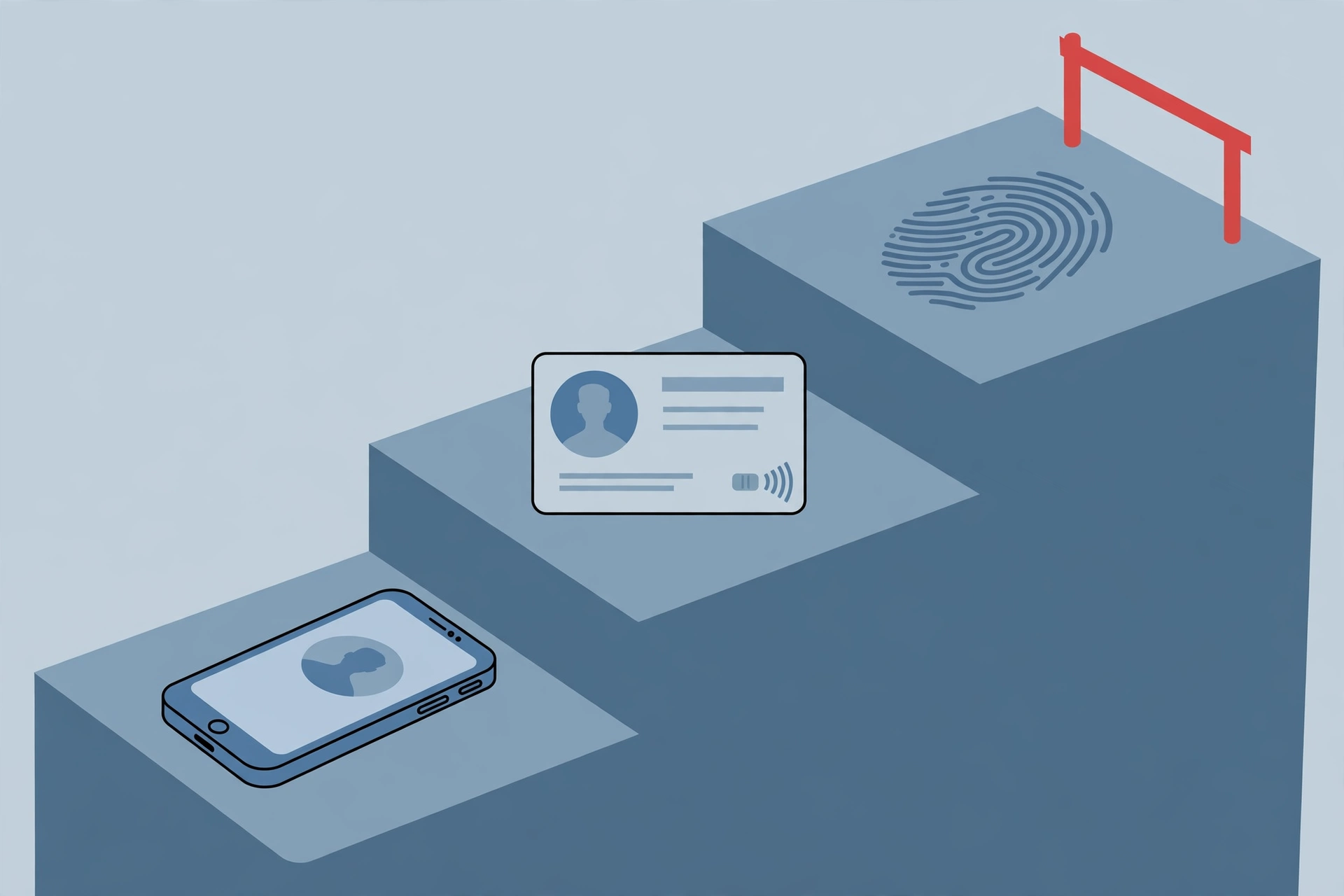
Every week, somebody types a version of the same question into a search box: can I sign up for Coinbase with a temporary email? The question sounds simple. The answer is not, because "signing up for Coinbase" is not one action. It is a staircase with five gates, and a disposable inbox gets you through exactly one of them. Everything after that is where people get stuck, locked out, or — in the worst case — separated from their own money with no way back in.
This guide walks the whole staircase honestly. If you only want the short version, here it is: temp mail works for the email confirmation step and fails, by design, at everything that makes a Coinbase account a money account. Use it to look around. Never use it as the address on an account that holds funds.
First, what Coinbase actually asks for
Coinbase is not a newsletter signup. It is a publicly traded American company (Nasdaq: COIN, listed in April 2021) that operates under US financial regulation, which means it must know who its customers are. Before you can buy, sell, or withdraw anything, the signup flow asks for five things, in roughly this order:
- An email address — confirmed by a link or code sent to the inbox.
- A phone number — confirmed by SMS code, and later used for two-factor authentication.
- Your legal name and date of birth — matched against your identity document.
- A government-issued photo ID — passport, driver's licence, or national ID card, photographed front and back.
- A selfie or live photo — matched against the ID photo, to prove the document belongs to the person holding the phone.
There are also quieter checks running underneath: device recognition, IP and location signals, and payment-method verification if you link a bank account or card. None of these are optional extras. They are the product. Coinbase cannot legally let an anonymous account move money, and it built its onboarding around that fact.
Understanding the staircase matters because most "does temp mail work for X" articles only test the first step. They confirm the email arrives, declare victory, and never mention the four gates behind it. That is how readers end up creating accounts they cannot use and cannot recover.
The email gate is the only one temp mail passes
Let us give temp mail its fair win first. The email confirmation step is genuinely easy with a disposable address. You generate an address, paste it into the signup form, open the temporary inbox, and click the confirmation link. The code arrives in seconds, because Coinbase's mail servers do not block most temporary domains at this stage — the email step is a deliverability check, not an identity check.
So if your goal is narrow — you want to see the Coinbase dashboard, browse prices, read the learn pages, or check whether the platform is even available in your country before committing a real address — a temporary email does that job. It costs nothing, it exposes nothing, and you can walk away without a second thought.
But notice what "looking around" means in practice: an unverified Coinbase account cannot deposit funds, cannot buy crypto, and cannot withdraw anything. You have a window into the shop, not a wallet inside it. The moment you want the account to do anything a money account does, the staircase continues — and temp mail stops being useful.
The phone gate: where most attempts quietly die
The second gate is the phone number, and it is the one that surprises people. Coinbase requires a mobile number for SMS verification and for ongoing two-factor authentication. A temporary email service gives you an email address, not a phone number, so it cannot help here at all.
Some readers then reach for the parallel product — a temporary or virtual phone number — and this is where the search results get dishonest. When we checked the top results for Coinbase signup help, the first page was dominated by SMS-number sellers, not guides: pages selling rented numbers for verification codes, with no independent explanation of what happens next. Here is the part those pages skip:
- VoIP and virtual numbers are frequently rejected. Coinbase, like most financial platforms, distinguishes between real mobile carrier numbers and internet numbers. A rented VoIP number often fails the check outright.
- A rented number is recycled. When your rental ends, that number goes back into a pool and gets assigned to someone else — someone who can then receive your future verification codes.
- The number becomes a recovery method. If your account is ever locked, Coinbase will try to reach you by SMS. A number you no longer control is worse than no number at all, because it gives you false confidence.
So the phone gate cannot be passed with a disposable anything, and trying to pass it with a rented number trades a small privacy gain for a real account-takeover risk. A real mobile number you control is the only sensible answer here.
The identity gate: KYC is the real wall
Even if you clear the email and phone gates, the identity gate is absolute. Coinbase requires government ID verification — known in the industry as KYC, "know your customer" — before an account can transact. There is no disposable version of a passport. There is no temporary identity document. The selfie match exists specifically to defeat the idea of borrowing or faking one.
This is also where the honest answer diverges from what the old guides imply. Some older articles suggest temp mail as a way to stay anonymous on crypto exchanges. That advice was already shaky years ago; today it is simply wrong for any regulated exchange. Anonymity and a functioning Coinbase account are mutually exclusive by law, not by Coinbase's preference. If privacy is the goal, the honest path is not a fake identity — it is choosing what you share, with whom, and through which channels, which we cover below.
One more detail people miss: Coinbase re-checks identity. Accounts can be asked to re-verify after long inactivity, after a device change, after a large transaction, or when documents expire. An account built on disposable credentials does not just fail once; it fails repeatedly, at the worst moments — usually when you are trying to move money.
The lockout trap: why a money account is different
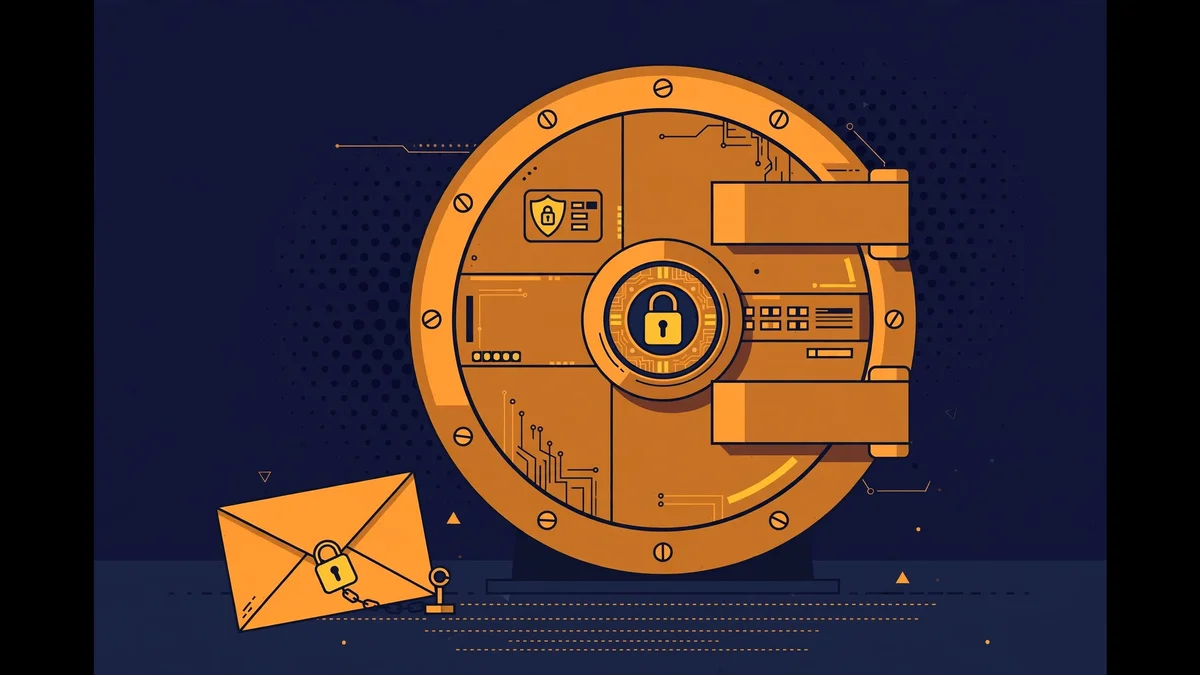
Here is the scenario nobody warns you about, and it is the core reason this guide exists. Suppose you somehow get an account running with a temporary email — maybe verification was lax that day, maybe you only completed part of the flow. Months later, something ordinary happens: you get a new phone, you forget your password, Coinbase flags an unusual login, or a withdrawal needs email confirmation. Every one of those recovery paths runs through the email address on file.
A temporary inbox expires. When it does, the address is gone — often permanently, sometimes recycled to another user. Password reset links go nowhere. Security alerts go nowhere. Withdrawal confirmations go nowhere. And Coinbase support, reasonably, will not hand account access to someone who cannot prove ownership through the registered email and phone. The money is not stolen; it is stranded behind a door whose key you threw away.
This is categorically different from losing access to a throwaway forum account or a newsletter subscription. Those cost you nothing. A money account costs you whatever is inside it, plus the time and documents needed to prove you are you — if proof is even possible without the original email. We have written before about why banks block temp email, and the logic is the same: financial platforms treat the email address as a load-bearing part of account security, not as a formality.
The rule is simple: never attach a disposable address to an account that will hold money, payment methods, or assets you cannot afford to lose. No exceptions for "just a small amount" — small amounts grow, and the lockout does not care how much is inside.
What you actually wanted: privacy, done safely
Most people searching for temp mail for Coinbase are not trying to break rules. They want privacy. They do not want their main inbox flooded with marketing, they do not want their primary address tied to a crypto account, or they are testing the waters before committing. All of those are legitimate wants, and all of them have safer answers:
- A dedicated real inbox. Create a second, permanent email address used only for financial accounts. It stays private, it never expires, and it receives your recovery emails forever. This is the single best move on this whole page.
- An email alias. Services like Apple's Hide My Email or SimpleLogin forward mail to your real inbox from a unique alias per service. If Coinbase ever leaks or spams, you disable one alias without touching your real address.
- An authenticator app, not SMS, for two-factor authentication. Coinbase supports authenticator apps, which are harder to intercept than text messages and do not depend on keeping a phone number forever.
- A password manager. The most common "I lost my account" story is not a hacker; it is a forgotten password on an account whose recovery email is dead. A manager removes that failure mode entirely.
- Temp mail for the browsing stage only. Use a disposable address to explore, compare exchanges, and read onboarding requirements. When you decide to create a real account, switch to the permanent address before depositing anything.
Notice what this list does: it gives you the privacy you wanted without building your financial life on an address designed to disappear. That is the whole trick — match the tool's lifetime to the account's lifetime.
The verdict, in plain language
| Your goal | Temp mail? | Why |
|---|---|---|
| Browse Coinbase, see prices and features | Yes | Email confirmation is all you need |
| Create an account you will actually use | No | Phone and ID verification are mandatory |
| Keep your main inbox private from Coinbase | Use an alias instead | Permanent, private, and recoverable |
| Stay anonymous while trading | No | Regulated exchanges require verified identity |
| Test signup before committing a real address | Yes, then switch | Explore with temp mail, register for real |
If you take one sentence from this guide, take this one: temp mail is a scouting tool, not an identity. Use it to look, never to live.
Frequently asked questions
Can I sign up for Coinbase with a temp email?
You can complete the first step — email confirmation — with a temporary address. You cannot complete a usable Coinbase account that way, because phone verification and government ID verification are mandatory before buying, selling, or withdrawing.
Will Coinbase accept a disposable email address?
Delivery of the confirmation email usually works, since the email step checks deliverability rather than identity. But acceptance at signup is not the same as a working account, and Coinbase may reject disposable domains at any point, including during later security checks.
What happens if my temp email expires after I create a Coinbase account?
You lose the recovery channel for that account. Password resets, security alerts, and withdrawal confirmations all go to the dead address. If you also lose phone access, recovering the account becomes very difficult, and any funds inside may be stranded until you can prove ownership another way.
Can I use a virtual phone number for Coinbase verification?
It is unreliable and risky. VoIP and rented numbers are often rejected, and rented numbers get recycled to other people who could then receive your verification codes. Use a real mobile number you control.
Is it illegal to use temp mail for Coinbase?
Using a temporary email is not illegal in itself, and using one to browse is harmless. But providing false identity information to a financial platform, or trying to evade its identity checks, can violate the platform's terms and, in some cases, financial regulations. The safe line is simple: browse with temp mail if you like, but verify a real account with real details.
What is the safest private way to sign up for Coinbase?
Create a second permanent email address used only for financial accounts, or use an email alias that forwards to your real inbox. Add an authenticator app for two-factor authentication and store the password in a password manager. You get privacy without building on an address that expires.
The bottom line
Temp mail for Coinbase is a half-answer to a five-gate question. It opens the first door and leaves you standing in front of four more, one of which — identity verification — cannot be opened with any disposable tool. The people who get hurt are not the ones who read that and shrug; they are the ones who build a money account on an expiring address and discover the problem months later, when the inbox is gone and the funds are not reachable.
So scout with temp mail if you want. Then, when you are ready for a real account, give Coinbase a real address — one you will still own in five years. Your future self, trying to log in from a new phone at an inconvenient hour, will be grateful.
Need a disposable temporary email?
Protect your real inbox from spam and promotional clutter instantly and free.
Received a suspicious email, text, or charge alert?
Verify whether the sender domain is disposable, spoofed, or unverified before clicking links.