

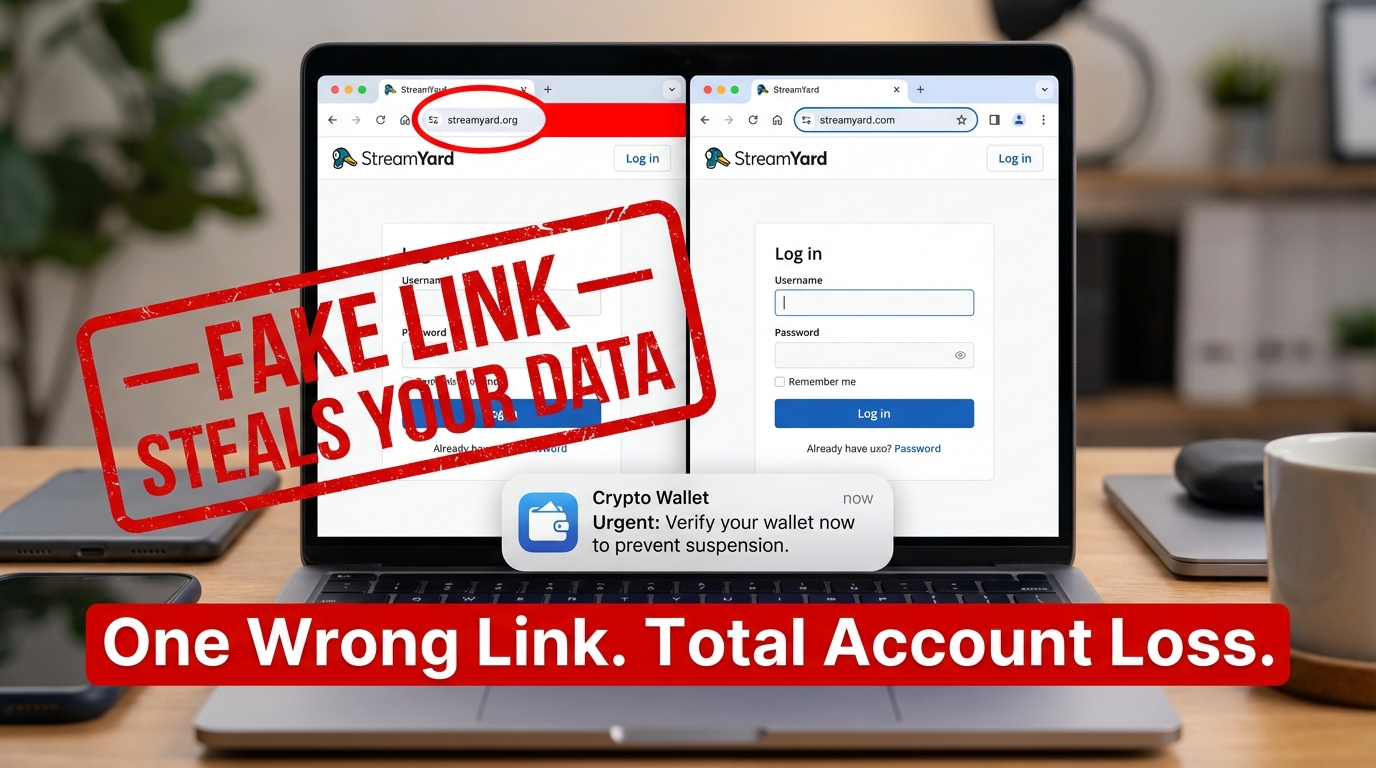

Is the StreamYard Scam Real? Here's What You Need to Know First
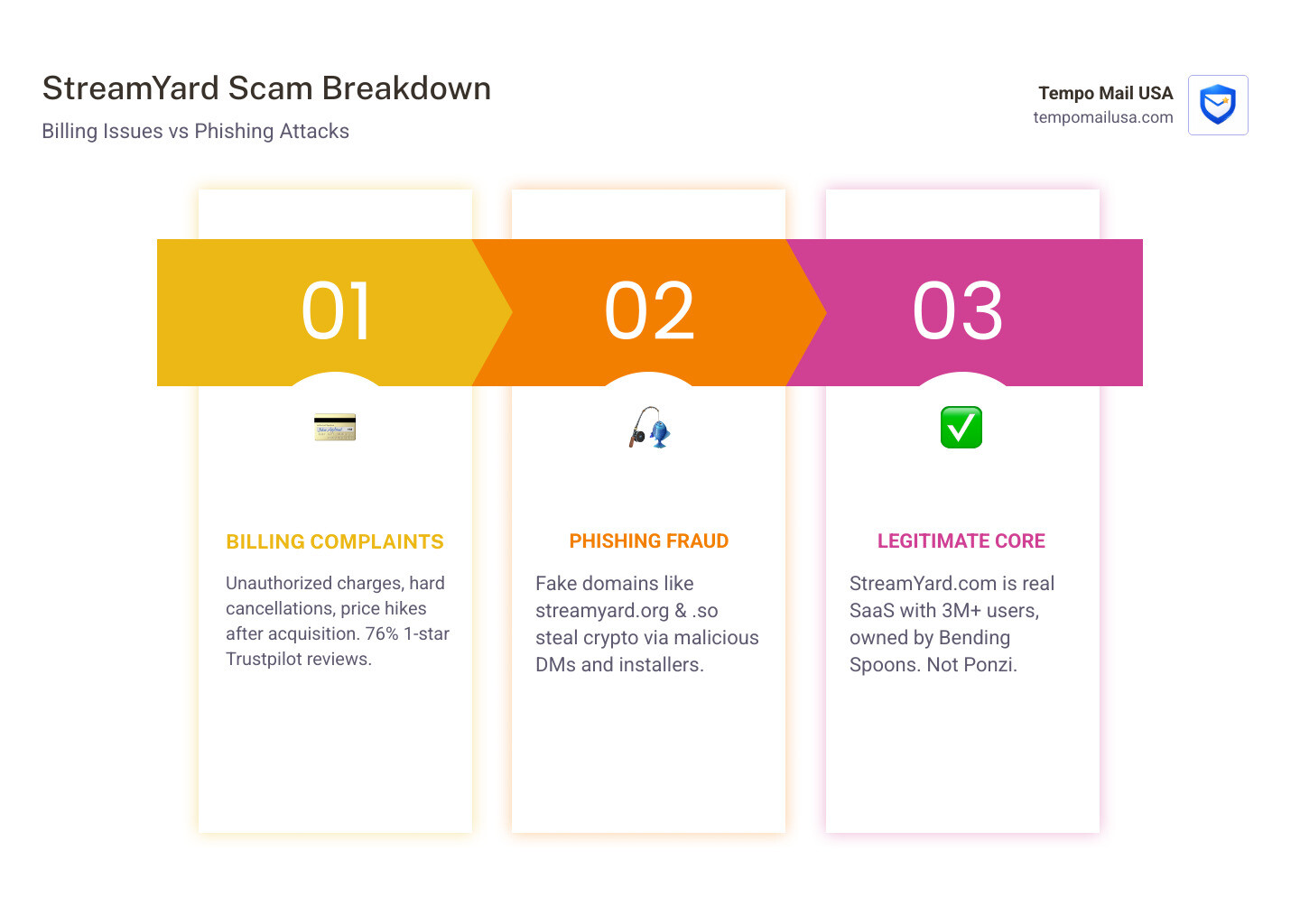
The StreamYard scam is not one single thing — it's two separate problems that often get confused.
Here's a quick breakdown before we go deeper:
| Type | What It Is | Who's at Risk |
|---|---|---|
| Billing complaints | Unauthorized charges, hard cancellations, price hikes after Bending Spoons acquisition | StreamYard subscribers |
| Phishing fraud | Fake domains (streamyard.org, streamyard.so) impersonating StreamYard to steal crypto or passwords | Crypto users, developers, general public |
StreamYard itself is a legitimate company. It's a real live streaming platform with over 3 million users, now owned by Bending Spoons. It is not a Ponzi scheme or MLM.
However, two serious concerns are well-documented:
- Widespread billing complaints — multiple Trustpilot review pages show ratings as low as 1.6 to 2.4 out of 5, with users reporting charges continuing months after cancellation
- Active phishing campaigns — cybercriminals are registering fake StreamYard domains to target crypto users and developers with malware
One case from early 2026 stands out. Ethereum developer Zak Cole received a direct message posing as a podcast invitation. The link looked like streamyard.com but actually pointed to streamyard.org — a fake site that served a malicious macOS installer designed to steal crypto wallets, passwords, and personal files.
That's the scale of what's happening here.
Whether you're worried about your subscription charges or a suspicious link you just received, this checklist covers both.
Investigating the StreamYard Scam: Billing Issues vs. Phishing Attacks
As we move through April 2026, the term streamyard scam has become a trending search for two very different groups of people: frustrated customers and cybercrime victims. To understand why a legitimate SaaS platform is being dragged through the mud, we have to look at its recent history.
StreamYard was acquired by Bending Spoons, a company some users have described as "ruthless" regarding monetization. Since the acquisition, user sentiment has plummeted. On Trustpilot, the platform currently holds a "Poor" rating, with a staggering 76% of reviewers awarding it just one star. The primary grievances aren't about the software's code, but about how the company handles your money.
Common complaints include:
- Unauthorized Charges: Users reporting monthly or weekly hits to their credit cards despite never finalizing a signup.
- The "Zombie" Subscription: Charges that continue for 6–7 months after a user successfully clicked "cancel."
- Aggressive Upselling: Sudden price hikes, such as a leap from $44/month to $299/month, justified by "usage policies" that catch small creators off guard.
However, there is a darker side to the streamyard scam narrative that involves actual criminals. While the billing issues are a corporate dispute, the phishing attacks are a criminal enterprise.
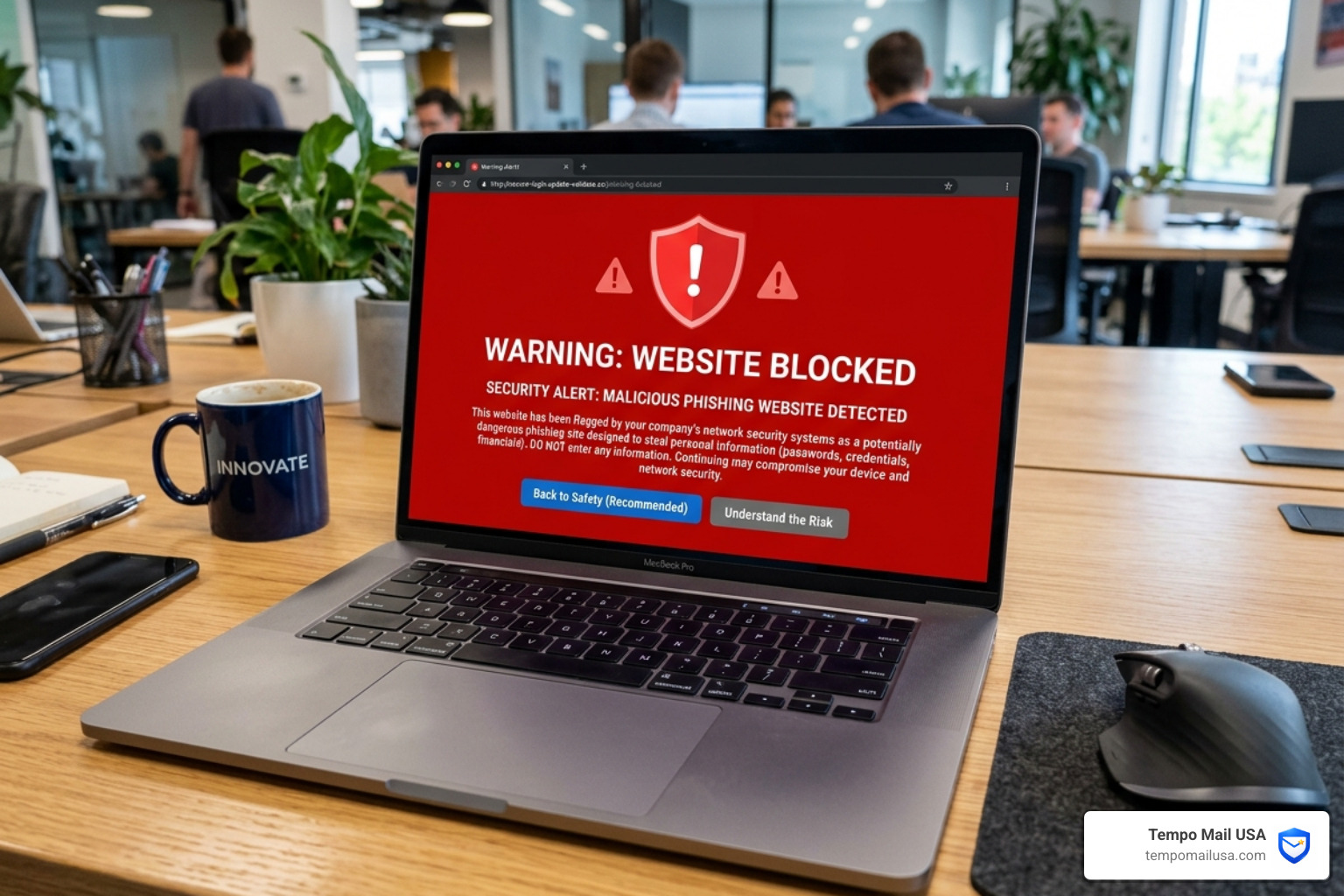
Identifying Fake Domains to Avoid a StreamYard Scam
If you receive an invitation to appear on a podcast, your first instinct is likely excitement. Scammers count on this. They are currently using sophisticated brand impersonation to lure high-value targets—specifically crypto developers and influencers—to fake domains.
Recent data shows that domains like streamyard.so (registered in March 2026) and streamyard.org were created specifically to mimic the legitimate streamyard.com. These sites are "pixel-perfect" clones. They often lead to a fake error page claiming your browser is incompatible and prompting you to download a "Desktop App."
Red Flags for Fake StreamYard Domains:
- The Extension: StreamYard's official home is
.com. Be extremely wary of.so,.org,.studio, or.xyz. You can check the safety of specific domains using tools like Scamvoid. - The Download Prompt: StreamYard is browser-based. If a site asks you to download a
.dmgor.exefile to "connect to the studio," it is almost certainly malware. - The Crypto Connection: If a "streaming" site asks you to connect a MetaMask or hardware wallet, close the tab immediately.
To stay ahead of these evolving threats, it is vital to Master How to Spot Phishing Emails before clicking any link in a DM or "invite."
The Rise of Cybercrime-as-a-Service in Streaming
The technical sophistication of these attacks is rising because of "Cybercrime-as-a-Service." In the case of the fake streamyard.org domain, the attacker admitted to renting a phishing kit for approximately $3,000 a month. This kit provided the infrastructure, the malicious malware loader (a "Russian nesting doll" of encrypted scripts), and the fake website template.
These scammers aren't necessarily master hackers; they are social engineers. They spend weeks building rapport with a victim before sending the "invite." This highlights why it's so important to What is a Phishing Scam? Protect Yourself by verifying the identity of anyone reaching out with "business opportunities."
Subscription Traps and Dark Patterns: Why Users Feel Exploited
Beyond the malware, many people use the term streamyard scam to describe "dark patterns"—user interface designs intended to trick you into doing things you didn't mean to do, like subscribing to an expensive annual plan.
The LinkedIn post by Seha Okudan highlights a common experience: subscribing for a single session, canceling immediately, yet still being billed weekly. When users try to resolve this, they often hit a wall of unresponsive support. One user on Trustpilot's UK page reported being charged nearly $3,000 because they lost access to their email and could not stop the automated billing.
Protecting Your Financial Data from a StreamYard Scam
If you decide to use StreamYard—or any SaaS platform with a history of billing issues—you need a defensive strategy. Relying on the company's "cancel" button might not be enough.
- Use Virtual Cards: Services like Privacy.com allow you to create "burner" cards with a fixed spending limit. If the company tries to charge you more than $20, the transaction is automatically declined.
- Document Everything: Take screenshots of your cancellation confirmation page. If you are charged later, this is your primary evidence for a bank chargeback.
- Monitor Your Statements: Don't wait six months to check your "other" charges. Set up real-time transaction alerts on your banking app.
When dealing with these platforms, you are essentially handing over your financial keys. It’s part of a broader need for Stop Phishing: Effective Strategies to Prevent Attacks that target your bank account through "legitimate" subscriptions.
Advanced Defense: Implementing a PII Firewall for SaaS Security
The core of the streamyard scam problem—whether it's the billing or the phishing—is the exposure of your Personally Identifiable Information (PII). When you give a service your real email and real credit card, you lose control. If that service's billing department is aggressive, or if a scammer impersonates that service, your real identity is at risk.
We recommend building a "PII Firewall." This means never giving your primary, "real-life" data to a third-party service unless absolutely necessary.
Strategic Use of Temporary Email Aliases
At Tempo Mail USA, we provide the tools to create this firewall. By using a temporary email alias for your StreamYard trial, you achieve three things:
- Spam Prevention: If the company sends endless "re-subscribe" emails, you simply delete the alias.
- Phishing Protection: If a scammer gets a list of StreamYard users and tries to phish you, they will be sending the email to an alias that isn't connected to your bank or crypto accounts.
- Identity Proxying: You are essentially using a secure proxy for your identity, ensuring that a data breach at a streaming company doesn't lead to a breach of your entire digital life.
For those concerned about malicious links, using an AI Phishing Detector alongside your alias provides a double layer of security. Furthermore, if you are browsing high-risk sites or clicking links from strangers, we strongly suggest using NordVPN Advanced Malware Protection to block malicious domains before they can load. You should also explore the Best Phishing Detection Tools for Ultimate Security to keep your system clean.
Frequently Asked Questions about StreamYard Security
Is StreamYard a legitimate company or a scam?
StreamYard is a legitimate live streaming platform owned by Bending Spoons, but it currently holds a "Poor" rating on Trustpilot due to widespread complaints regarding unauthorized billing and difficult cancellation processes. While the software works, the business practices have led many to label it a streamyard scam in the context of customer service and billing.
How can I tell if a StreamYard link is a phishing attempt?
Always verify the domain; the official site is streamyard.com. Be wary of .org, .so, or .studio extensions, especially if they prompt you to download a desktop application or connect a crypto wallet. Legitimate StreamYard sessions happen entirely within your web browser.
What should I do if I have unauthorized charges from StreamYard?
Immediately contact your bank to initiate a chargeback and cancel the recurring payment authorization. Document all cancellation attempts as evidence for your financial institution. Do not rely solely on StreamYard's support tickets, as many users report they go unanswered for weeks.
Conclusion: Verifying Legitimacy in a High-Risk Digital Era
The saga of the streamyard scam serves as a vital lesson for the modern internet user. Legitimacy is not a permanent status—a company can be "real" but still engage in practices that feel like a "scam" to its customers. Simultaneously, the fame of legitimate brands provides the perfect cover for malicious actors to launch phishing campaigns.
To protect yourself, you must move beyond basic passwords. Implementing a PII Firewall, using virtual credit cards, and leveraging temporary email aliases are no longer "optional" for the security-conscious. By maintaining strict digital hygiene and using tools to proxy your identity, you ensure that even if a service fails you, your primary security remains intact.
Ready to build your firewall? Protect your identity with Tempo Mail USA and take control of your data today.