

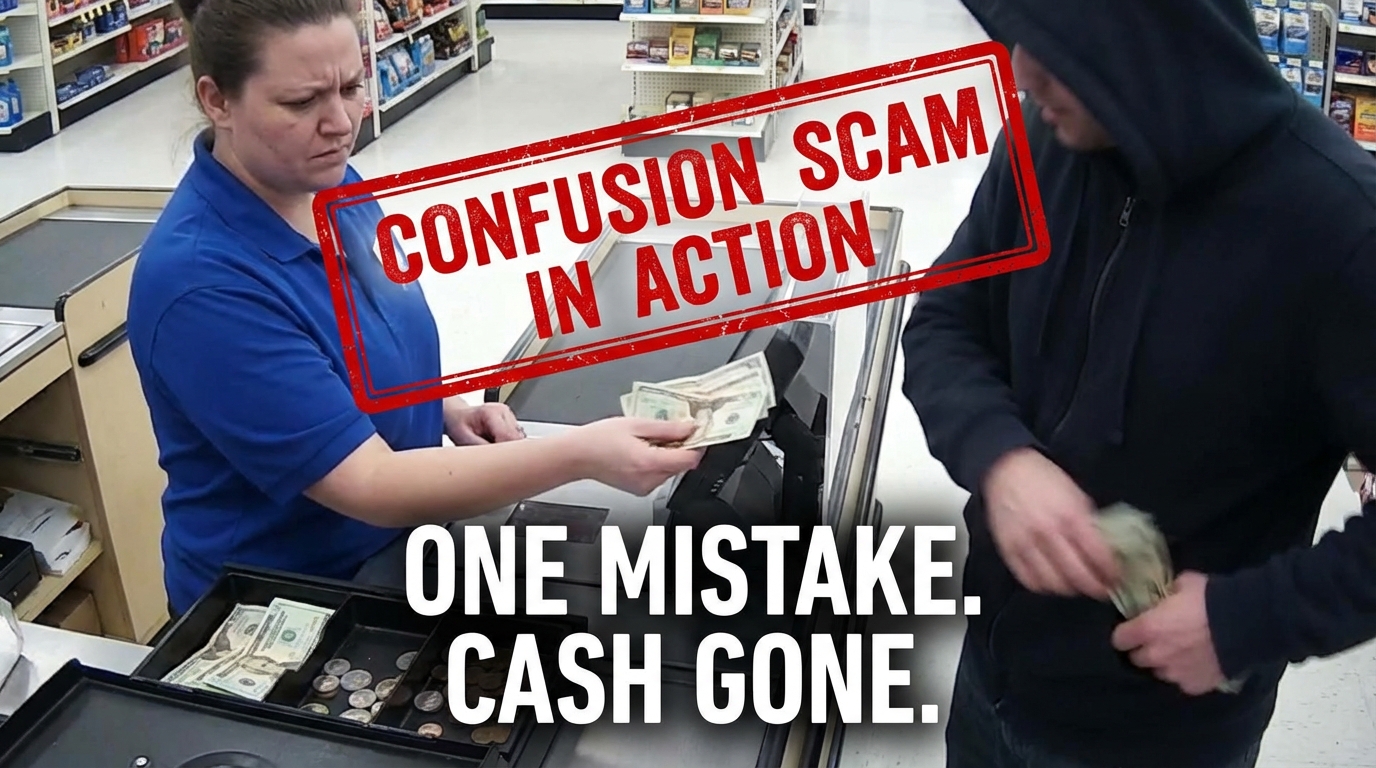

Understanding the Quick Change Scam and Physical Fraud
A quick change scam is a type of in-person theft where a scammer deliberately confuses a cashier during a cash transaction to walk away with more money than they're owed.
Here's what you need to know at a glance:
- What it is: A scammer pays for a cheap bill with a large bill, then rapidly requests multiple bill exchanges to confuse the cashier into giving too much change
- Who gets targeted: Inexperienced or distracted cashiers, often during busy periods or end-of-shift rushes
- Two main types: Rapid-dialogue confusion and sleight-of-hand bill palming
- How much it costs: Real incidents range from $125 stolen at a single restaurant to one scammer caught with $18,000 in cash after hitting multiple mall retailers
- How to stop it: Close the register after each transaction, handle one sale at a time, and call a manager if anything feels off
These scams aren't new. They predate the internet by decades. But they're still working.
While most fraud warnings today focus on phishing emails and data breaches, in-person cash scams quietly drain thousands of dollars from retail businesses every year. One duo stole $1,800 from an Ohio retailer. Another pair in Tennessee convinced a cashier to accept $1,000 for merchandise worth $3,200. Four incidents at three Georgia restaurants netted a single suspect over $375 in just two days.
The reason these scams keep working is simple: they exploit human psychology, not technology. Speed, confusion, and social pressure are the only tools required.
Traditional Quick Change Scam Mechanics
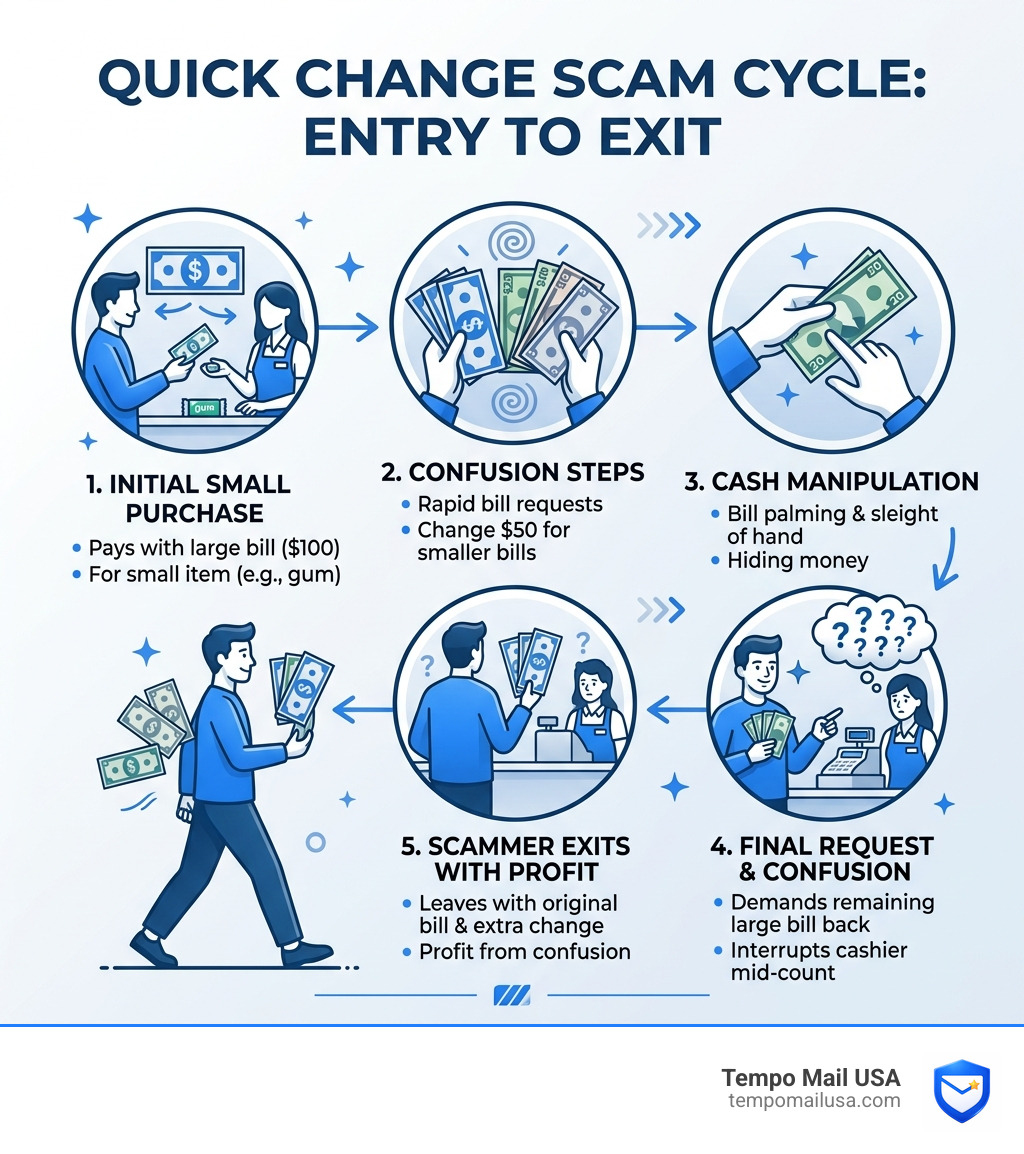
The traditional quick change scam relies on a high-velocity "verbal shell game." A scammer typically enters a busy retail environment and selects an inexpensive item—perhaps a pack of gum or a soda. They pay with a large denomination, usually a $50 or $100 bill.
As the cashier opens the register to provide change, the scammer begins a rapid-fire series of requests. They might ask to "break" other bills, trade five $20s for a $100, or suddenly claim they found a smaller bill to pay for the original item. By interrupting the cashier mid-count and constantly changing the "deal," the scammer creates mental fatigue. According to Quick Change Scam - How it Works?, the goal is to trick the cashier into handing back the original large bill while also keeping the change from the transaction.
Sleight-of-Hand Quick Change Scam Variations
While some scammers use "quick talk," others are professional magicians of the worst kind. The sleight-of-hand variation involves "palming" or folding bills during the exchange.
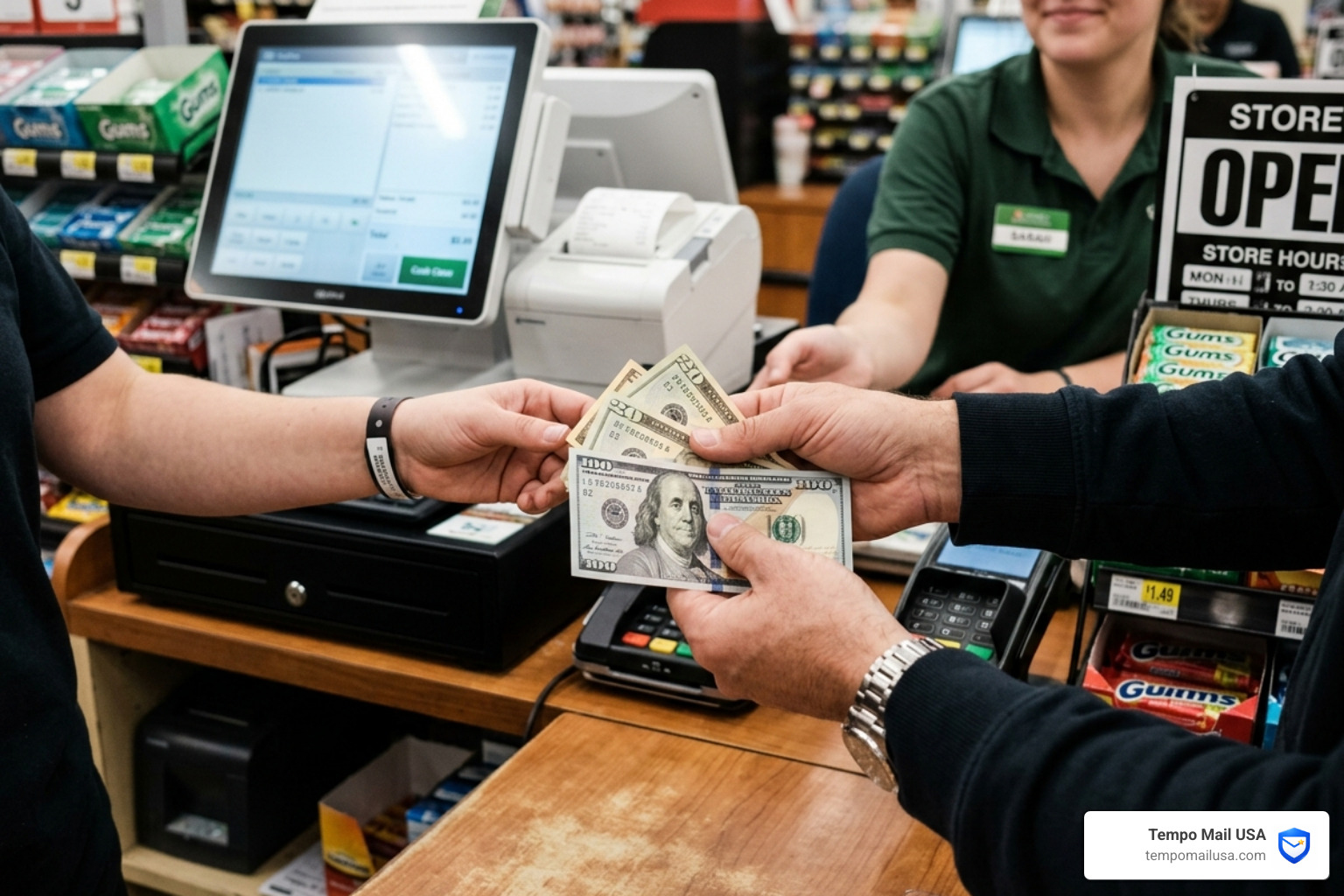
In these cases, a scammer might count out a stack of bills in front of the cashier, then secretly pull one or two bills into their palm before handing the stack over. They then claim the cashier short-changed them, forcing the employee to provide extra cash to "fix" the error. These professionals often work in pairs; while one person manipulates the money, the accomplice acts as a distraction, asking the cashier questions about store hours or product locations to ensure the employee's eyes aren't on the money.
How the Quick Change Scam Impacts Retailers
The financial toll of a quick change scam can be devastating for small businesses. In Smyrna, Tennessee, two scammers conned a cashier into accepting only $1,000 for $3,200 worth of merchandise. In Suffolk County, New York, a single restaurant lost $125 in a matter of minutes.
Beyond the immediate loss of cash, these incidents cause significant cashier stress and can lead to disciplinary action or even termination for employees who were simply trying to be helpful. As noted in 5 Ways to Protect Yourself From 'Quick Change' Scam, the psychological impact on staff can lead to a "fear of the register," slowing down legitimate transactions and hurting customer service.
Preventing the Quick Change Scam at the Register
To protect your business, we recommend a strict "One Transaction" policy. Cashiers should be trained to complete the initial sale, provide the correct change, and close the register drawer before entertaining any requests to break larger bills.
| Feature | Physical Quick Change Scam | Digital Fraud / Phishing |
|---|---|---|
| Primary Tool | Social Engineering & Confusion | Malicious Links & Spoofing |
| Target | Retail Cashiers | All Employees / PII |
| Prevention | Closing the Register / Manager Help | Advanced Malware Protection / Tempo Mail USA |
| Financial Risk | Hundreds to Thousands per incident | Millions in Data Breach Costs |
If a customer becomes pushy or confusing, employees should be empowered to stop the transaction and call for manager assistance. Setting limits on bill denominations—such as refusing $50s or $100s for purchases under $10—is another highly effective deterrent.
Beyond the Register: Identity Theft Protection Services and Financial Security
While physical scams like the quick change scam target your cash drawer, digital threats target your entire identity. If a scammer can trick a cashier in person, imagine what a professional hacker can do with your leaked PII (Personally Identifiable Information).

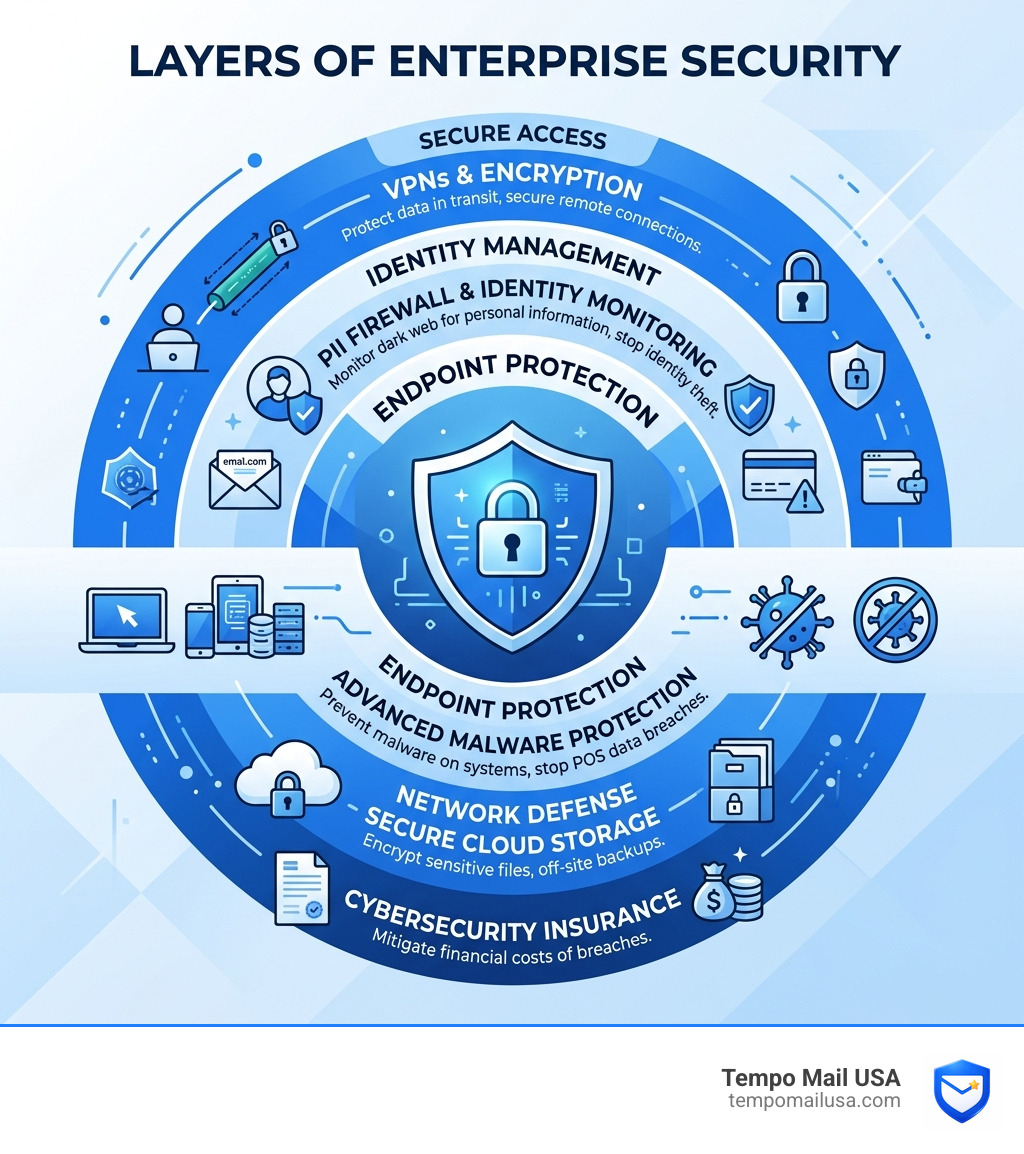
To truly protect your business and personal assets, you must look beyond the physical register. Investing in identity theft protection services is no longer optional; it is a fundamental layer of modern financial defense. These services monitor the dark web for your data and provide credit monitoring software that alerts you the moment a scammer attempts to open a fraudulent account in your name.
Furthermore, businesses should carry cybersecurity insurance. Just as a retailer might have insurance for a physical robbery, cybersecurity insurance protects against the catastrophic costs of data breaches and ransomware. According to Everything You Need to Know About the Quick Change Scam, scammers are becoming more sophisticated, often using the proceeds from physical scams to fund larger digital operations.
Securing Business Assets with Advanced Malware Protection
Retailers are increasingly targeted by digital variants of the "quick change." Hackers use advanced malware protection bypasses to infect Point-of-Sale (POS) systems, scraping credit card data in real-time. To combat this, businesses must implement secure cloud storage for business to keep sensitive financial records encrypted and off-site.
Preventing Phishing with Disposable Email Infrastructure
The most common entry point for digital scams is your inbox. Just as a quick change scam artist uses "quick talk" to confuse a cashier, phishing emails use "urgent" language to trick employees into clicking malicious links.
At Tempo Mail USA, we provide a PII firewall through our temporary email infrastructure. By using a temporary alias instead of your real business or personal email, you prevent your primary address from being scraped by scammers and sold on the dark web. This is the ultimate defense against Business Email Compromise.
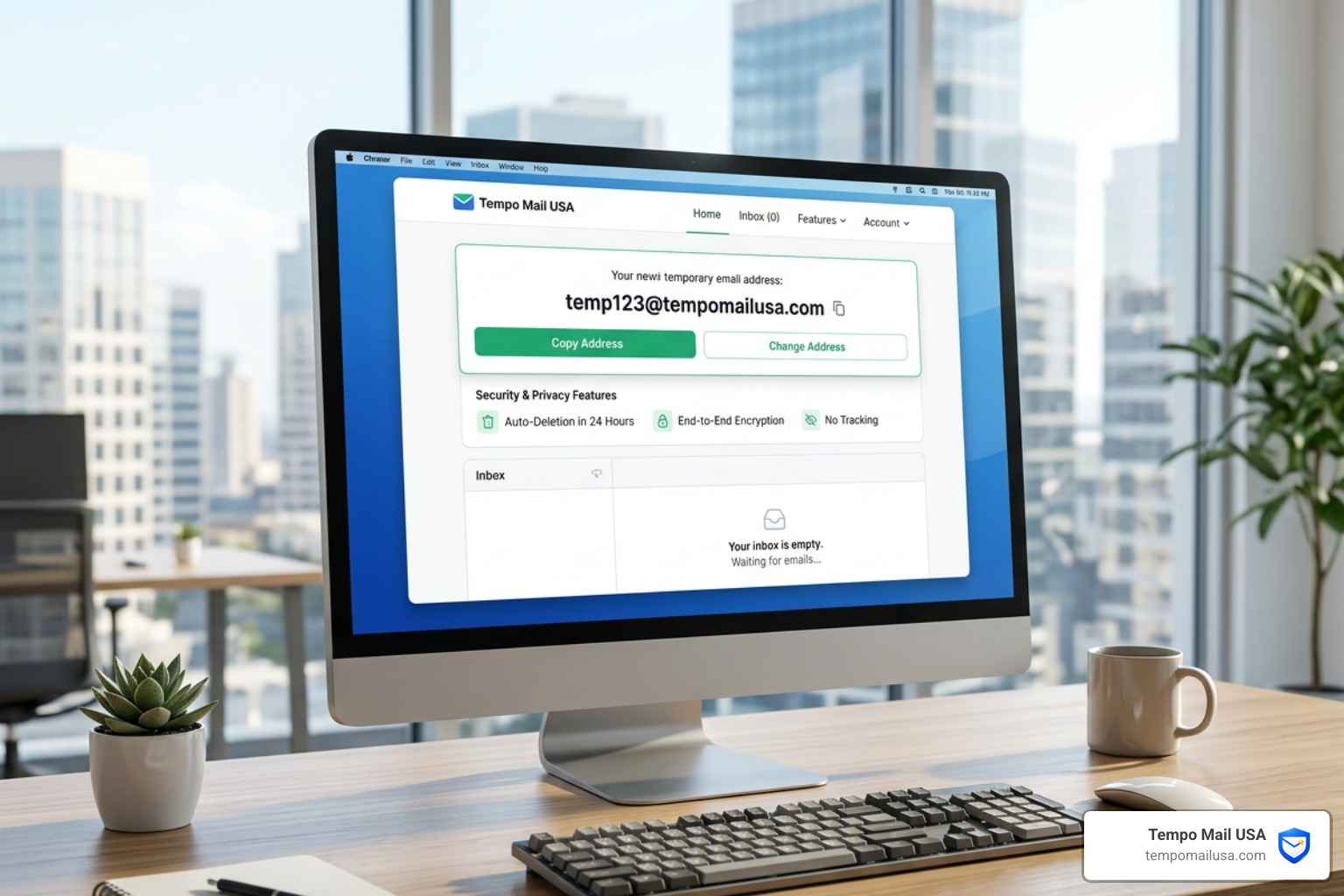
When you use our service, you are essentially "quick-changing" the scammers. They think they have your data, but they actually have a disposable alias that you can delete at any time. This effectively blocks tracking, spam, and the malicious payloads described in our guide on How to Report Phishing Emails in 5 Easy Steps.
Why Temporary Aliases are Essential for Privacy
Identity proxying is the future of digital safety. Every time you sign up for a newsletter or a retail discount with your real email, you are leaving a breadcrumb for hackers. If that retailer suffers a data breach, your real identity is exposed.
Using Tempo Mail USA prevents this. Our aliases act as a shield, ensuring that even if a site is compromised, your real PII remains safe. This is especially critical given that PayPal Scam Emails are on the rise, and Business Email Compromise has cost businesses over $55 Billion.
Enterprise Cybersecurity Software and Data Privacy Compliance
For B2B operations and larger retailers, protecting the network is just as vital as protecting the cash drawer. Enterprise VPN solutions ensure that all employee connections are encrypted, preventing "man-in-the-middle" attacks where scammers intercept sensitive data.
Maintaining data privacy compliance (such as GDPR or CCPA) requires more than just a firewall; it requires a culture of security. This includes knowing What to Do If You Receive a Ransomware Email and ensuring that all customer data is housed within secure cloud storage for business.
Security Checklist for Modern Businesses
- Implement advanced malware protection on all POS terminals and office computers.
- Utilize enterprise VPN solutions for all remote staff and mobile devices.
- Deploy identity theft protection services for all executive and high-access staff.
- Ensure data privacy compliance by using encrypted secure cloud storage for business.
- Use Tempo Mail USA for all third-party registrations to keep your primary PII hidden.
Frequently Asked Questions about Quick Change Scams
What is the most effective way to stop a quick change scam?
The most effective defense is cashier training. Employees must be instructed to handle only one transaction at a time, count change back clearly, and close the register drawer immediately after the transaction is complete. If a customer asks to "break a bill" after the sale, the cashier should politely decline or call a manager to perform the exchange.
How do digital privacy tools prevent physical fraud?
While tools like identity theft protection services and credit monitoring software don't stop a scammer at the register, they are essential for detecting the fallout. Many "quick change" artists are part of larger organized crime rings that use stolen cash to purchase PII. Monitoring your financial health ensures that if your data is used elsewhere, you can stop the fraud before it escalates.
Why should businesses use disposable email infrastructure?
Tempo Mail USA provides a critical layer of defense against phishing. By using temporary aliases, businesses ensure that their real email addresses—and the PII attached to them—are never exposed to potential scammers, significantly reducing the risk of a successful digital "quick change" or phishing attack.
Conclusion
Whether it's a quick change scam artist at your counter or a hacker in your inbox, the goal of fraud is always the same: to exploit confusion for financial gain. By strengthening your physical cybersecurity posture and investing in identity theft protection services, you can build a resilient business that is difficult to target.
We encourage you to use Tempo Mail USA as your PII firewall and to equip your staff with advanced malware protection and cybersecurity insurance. In an era of increasing fraud, total identity protection is the only way to ensure long-term financial survival. Stay alert, stay slow at the register, and keep your real email private.