



Tailgating is a common—but often overlooked—security gap that can expose sensitive systems and data. In this piece we define tailgating, explain why it matters for access control, and lay out practical prevention steps. At its core, tailgating happens when an unauthorized person follows an authorized individual into a restricted area, exploiting courtesy and human error. Understanding how it works helps organizations strengthen both physical and digital defenses to reduce breach risk.
What Is Tailgating in Cyber Security? Definition and Key Concepts
In cybersecurity, tailgating describes an unauthorized entry into a secured space by someone who follows an authorized person through a controlled access point. This method takes advantage of social norms—holding doors open, assuming someone belongs—so access control policies and employee awareness are essential to stop it and keep sensitive information secure. What is tailgating in cyber security risks and solutions.
How Does Tailgating Occur in Physical Security Contexts?
Tailgating most often appears where physical controls are weak or human behavior is predictable. Common targets include office buildings, data centers, and restricted facilities where staff may let strangers in out of politeness or distraction. A brief lapse—being on a call, rushing between meetings, or carrying equipment—can let an intruder slip past authentication and into secure areas.
What Is the Difference Between Tailgating and Piggybacking?
Though used interchangeably, tailgating and piggybacking differ in intent. Tailgating is when an unauthorized person follows an authorized person without their awareness. Piggybacking happens when an authorized person knowingly allows someone else to enter with them. Distinguishing the two helps shape policy, training, and incident response.
What Are the Risks and Consequences of Tailgating Attacks?

Tailgating can lead to serious outcomes: data theft, unauthorized installation of malware, physical theft, and regulatory exposure. Beyond immediate losses, these incidents harm reputation and can trigger costly investigations and remediation efforts that strain budgets and customer trust.
How Does Tailgating Lead to Data Breaches and Information Theft?
When an intruder gains physical access, they can reach servers, workstations, or storage devices that contain sensitive data. From there they can copy information, introduce malicious software, or pivot to other systems. Research shows a meaningful share of breaches begin with physical security failures, so addressing tailgating is a practical cybersecurity priority.
What Financial and Reputational Damages Can Result from Tailgating?
Financial fallout from tailgating can include regulatory fines, legal costs, and remediation expenses. Equally damaging is the erosion of client and partner trust—recovering reputation and market position often takes longer than fixing the technical gaps that allowed the breach.
How Does Social Engineering Facilitate Tailgating Attacks?
Social engineering is a key enabler of tailgating: attackers manipulate human instincts to gain entry. By imitating legitimate roles or creating urgency, they make it more likely people will grant access without verification.
In What Ways Is Human Behavior Exploited in Tailgating?
Attackers use impersonation, charm, or urgency—posing as delivery staff, contractors, or new employees—to prompt staff to open doors or bypass checks. Training that highlights these tactics helps employees spot suspicious scenarios instead of defaulting to politeness. Protect yourself from phishing attacks effectively.
How Can Reducing Digital Footprint Mitigate Social Engineering Risks?
Limiting publicly available personal and company information reduces the material attackers use to build convincing stories. Policies that guide employees on privacy settings and what to share online make social-engineering attempts harder to execute successfully.
What Are Effective Physical Access Control Measures to Prevent Tailgating?
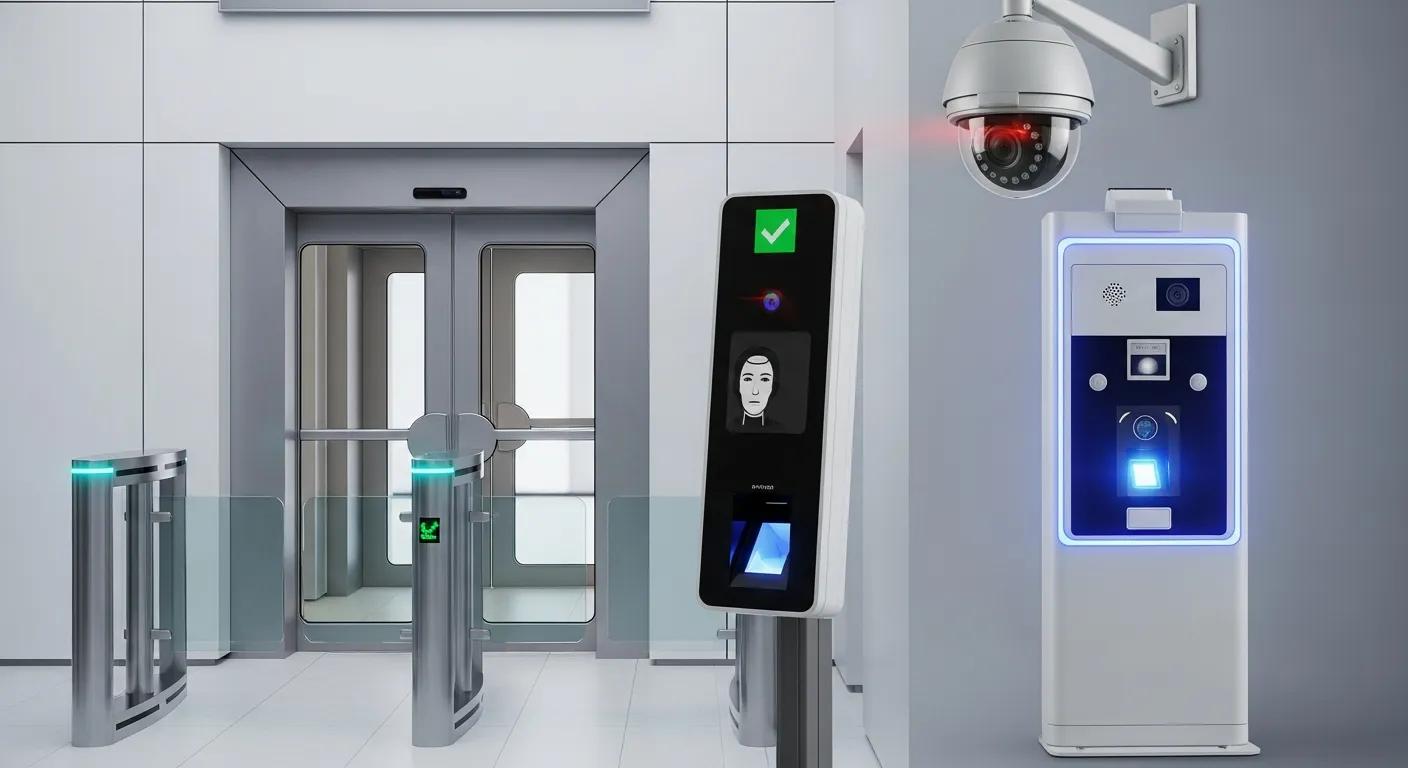
Robust physical controls are the first line of defense. Combine technology with clear procedures so only authenticated people enter sensitive areas, and make it easy for employees to follow those procedures without slowing business operations.
Which Technologies Enhance Physical Security Against Tailgating?
Technologies that reduce tailgating risk include biometric readers, controlled turnstiles, smart keycard systems, and high-quality surveillance with analytics. Biometric and proximity systems make unauthorized entry harder, while cameras and analytics help detect and investigate suspicious patterns.
How Does Employee Security Awareness Training Support Prevention?
Training turns policy into practice. Teach staff to verify IDs, report unusual behavior, and refuse entry to unknown individuals—politely but firmly. Reinforce these behaviors with regular drills and clear, non-punitive reporting channels so employees feel empowered to act.
What Digital Security Practices Help Prevent Tailgating and Related Attacks?
Physical access controls are necessary but not sufficient. Digital protections limit the damage if an attacker reaches a workstation or network device, keeping sensitive systems segmented and harder to access.
How Do Multi-Factor Authentication and Session Management Reduce Digital Tailgating?
Multi-factor authentication (MFA) adds verification layers, so stolen credentials or physical presence alone won’t grant access. Session controls—automatic timeouts and device locks—help prevent someone from using an unattended terminal to escalate access. Understanding insider threats
What Role Does Password Hygiene Play in Cybersecurity Access Control?
Good password practices remain a foundational control. Encourage unique, strong passwords and use password managers to ease adoption. Regular rotation policies and breach monitoring further reduce the chance that compromised credentials enable deeper access. Enhance your email security.
Frequently Asked Questions
What Are the Legal Implications of Tailgating Incidents?
Legal exposure varies by region and industry but can include fines, regulatory penalties, and lawsuits if unauthorized access leads to data loss. Organizations may also face claims for failing to implement reasonable security measures. Understanding applicable laws and documenting compliance steps helps mitigate legal risk.
How Can Organizations Assess Their Vulnerability to Tailgating?
Start with a security audit that reviews entry points, badge systems, visitor flows, and staff practices. Conduct controlled tailgating tests and tabletop exercises to reveal weak spots. Use findings to prioritize fixes—both technical and behavioral.
What Role Does Visitor Management Play in Preventing Tailgating?
Visitor management systems control and log who enters facilities. Requiring sign-ins, issuing temporary badges, escort policies, and clear visitor routes all reduce the chance that unvetted individuals reach sensitive areas.
How Can Organizations Foster a Culture of Security Awareness?
Make security part of daily routines—regular, short training sessions, visible reminders at entry points, and positive recognition for vigilant behavior. Encourage reporting and act on feedback so employees see security as a shared responsibility, not an imposition.
What Are the Best Practices for Reporting Tailgating Incidents?
Provide a simple, well-publicized reporting process—hotline, app, or email—and train employees on when and how to use it. Ensure reports are handled promptly, confidentially, and without blame so staff feel safe raising concerns.
How Can Technology Be Used to Monitor and Prevent Tailgating?
Combine cameras, access logs, and analytics to flag suspicious entry patterns in real time. Integrating alerts with security teams enables faster response. AI-based detection can spot repeated door propping or multiple people entering on a single badge, helping prevent incidents before they escalate.
What Are Common Examples of Tailgating in Cybersecurity?
Common instances include strangers following employees into secure buildings, someone using a lost or stolen access card, or attackers exploiting social engineering to bypass checks. Each highlights the need for layered defenses and alert staff.
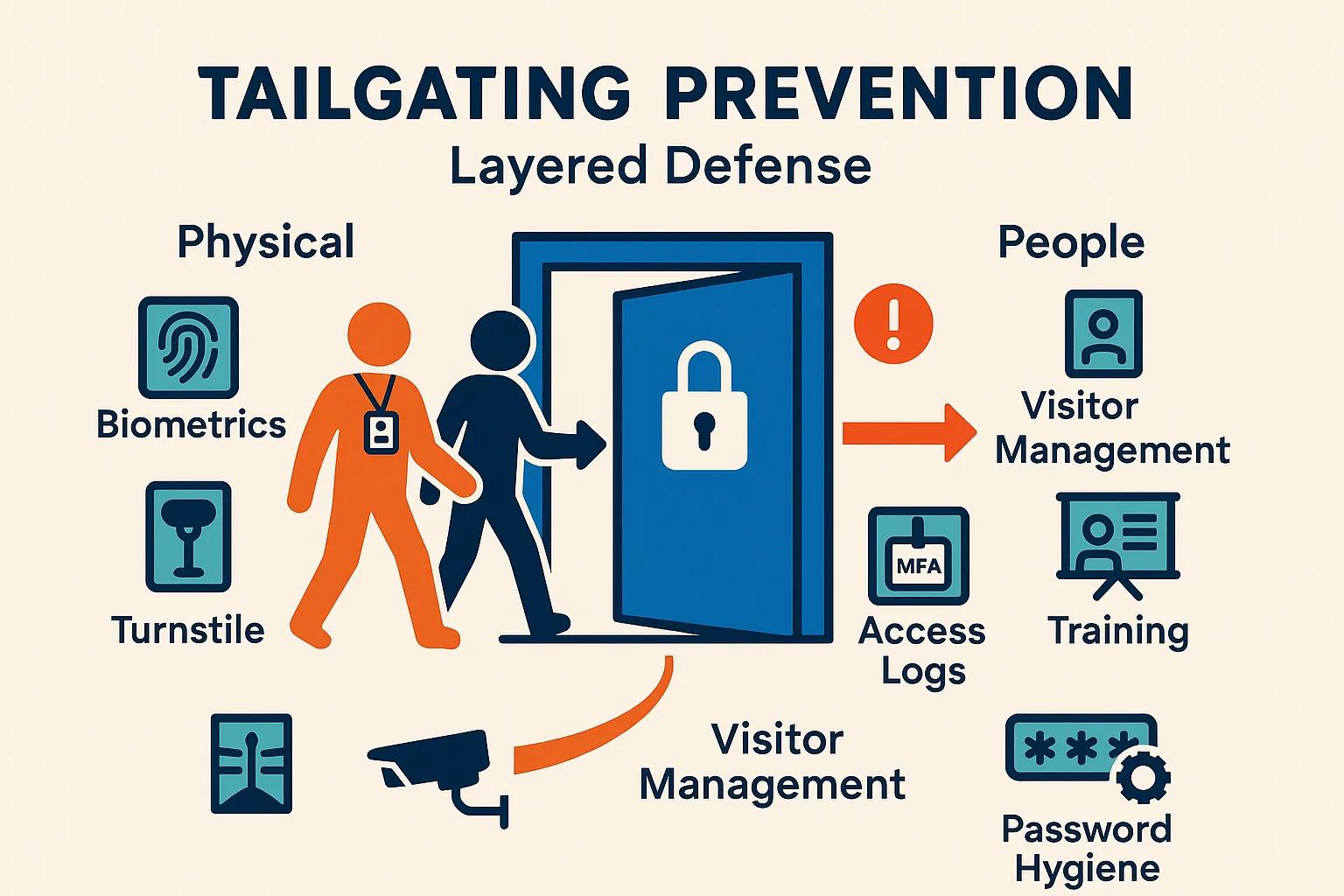
How Can Organizations Implement Comprehensive Tailgating Prevention Strategies?
Effective programs combine strong access controls, targeted training, regular audits, and technology that enforces policies. Prioritize fixes based on risk, measure results with tests and incident data, and keep messaging consistent so security practices become routine.
Conclusion
Tailgating is a tangible risk that bridges physical and digital security. By applying layered controls—technology, process, and people—organizations can dramatically lower the chances of unauthorized access. Invest in clear policies, practical training, and the right tools to build a vigilant security culture that protects your data and reputation.
About Mo Waseem
Mo Waseem is a distinguished cybersecurity expert with over 15 years of experience in developing and implementing robust security strategies for organizations across various sectors. His deep understanding of both physical and digital security vulnerabilities, coupled with his innovative approach to risk mitigation, has made him a trusted authority in the field. Mo is passionate about empowering businesses and individuals with the knowledge and tools to defend against evolving cyber threats, ensuring data integrity and operational resilience. His insights are regularly sought after for their practical applicability and forward-thinking perspective.