



Tailgating is a common—but often overlooked—security gap that blends physical vulnerabilities with social engineering. This piece breaks down what tailgating is, why it’s dangerous, and which prevention steps actually work. In short, tailgating happens when an unauthorized person follows an authorized individual through a secured entry, typically relying on politeness or a convincing story. As businesses tighten their digital defenses, it’s just as important to close physical access gaps that could expose sensitive systems and data. Below, we cover core concepts, the risks, practical defenses, the role social engineering plays, and how privacy tools from TempoMailUSA can reduce the information attackers use to build believable pretexts.
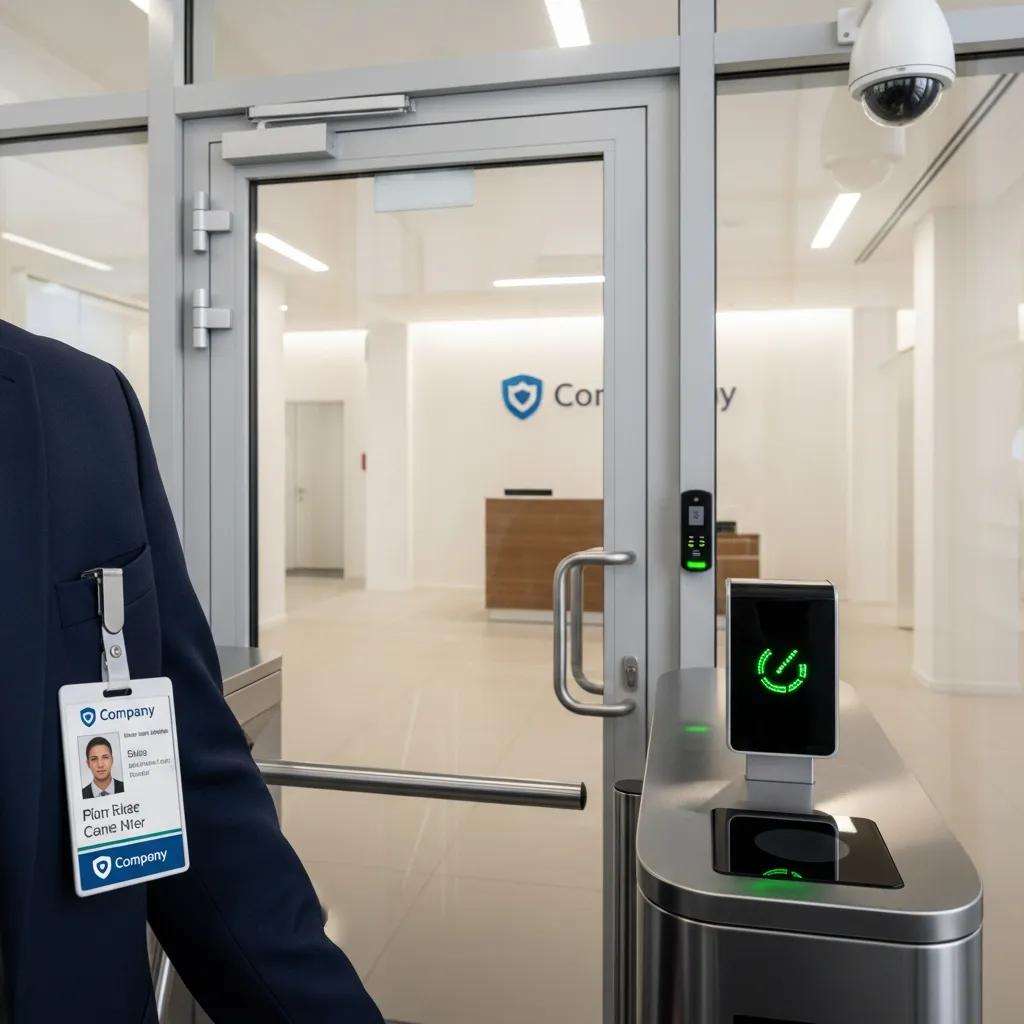
What Is Tailgating in Cyber Security? How It Works and Practical Ways to Stop It
What Is Tailgating in Cyber Security? Definition and Core Concepts
In cybersecurity terms, tailgating is unauthorized physical entry gained by following someone with legitimate access. Attackers exploit human courtesy and weak physical controls to bypass security checkpoints. Common tactics include posing as staff, carrying bulky items to prompt assistance, or timing entry when doors are propped open. Recognizing how tailgating works helps organizations shape better access controls, training, and physical design that close these obvious loopholes.
How Does Tailgating Exploit Human Behavior and Physical Security Weaknesses?
Tailgating succeeds by leaning on social norms—politeness, helpfulness, and assumptions of trust. For example, an employee might hold the door open for a person carrying boxes or wearing what looks like a contractor’s uniform. Traditional access systems assume individual compliance, not human interaction, so gaps remain. Poor surveillance, awkwardly placed entryways, and lax visitor policies all make tailgating easier. Identifying these weak points is the first step toward meaningful mitigation.
What Distinguishes Tailgating from Piggybacking and Pretexting?
These tactics often get mixed up, but there are clear differences. Tailgating is unauthorized entry by following an authorized person. Piggybacking involves someone with permission deliberately letting another in. Pretexting is a broader social-engineering technique where an attacker invents a plausible story to extract access or information. Each requires a different response—technical controls for tailgating, policy and accountability for piggybacking, and verification practices for pretexting.
What Are the Risks and Consequences of Tailgating Attacks?
Tailgating can lead to severe outcomes: stolen intellectual property, exposed customer records, system tampering, and major compliance headaches. When an intruder gains physical access to sensitive areas—server rooms, research labs, or employee workspaces—the potential for data theft or disruption rises sharply. Beyond direct financial loss from breach response and fines, organizations face reputational damage that can undermine customer trust and future business.
How Can Tailgating Lead to Data Breaches and Financial Loss?
Unauthorized physical access creates direct pathways to critical assets. An intruder in a server room or operations area can copy data, introduce malware, or manipulate equipment. Industry reports show a meaningful share of breaches stem from physical security failures, underlining that digital protections alone aren’t enough. The downstream costs—incident response, legal exposure, and lost revenue—make preventing tailgating a cost-effective security priority.
What Are Real-World Examples of Tailgating Incidents?
Real incidents highlight how quickly a single lapse can become a breach. In one case, an assailant followed an employee into a corporate office and accessed systems that contained customer data, triggering a costly remediation. Another event involved an intruder entering a secure facility and extracting confidential records. These examples show that seemingly small failures—an unattended door, a distracted employee—can have outsized consequences.
How To Prevent Tailgating Attacks? Comprehensive Physical Security and Awareness Solutions
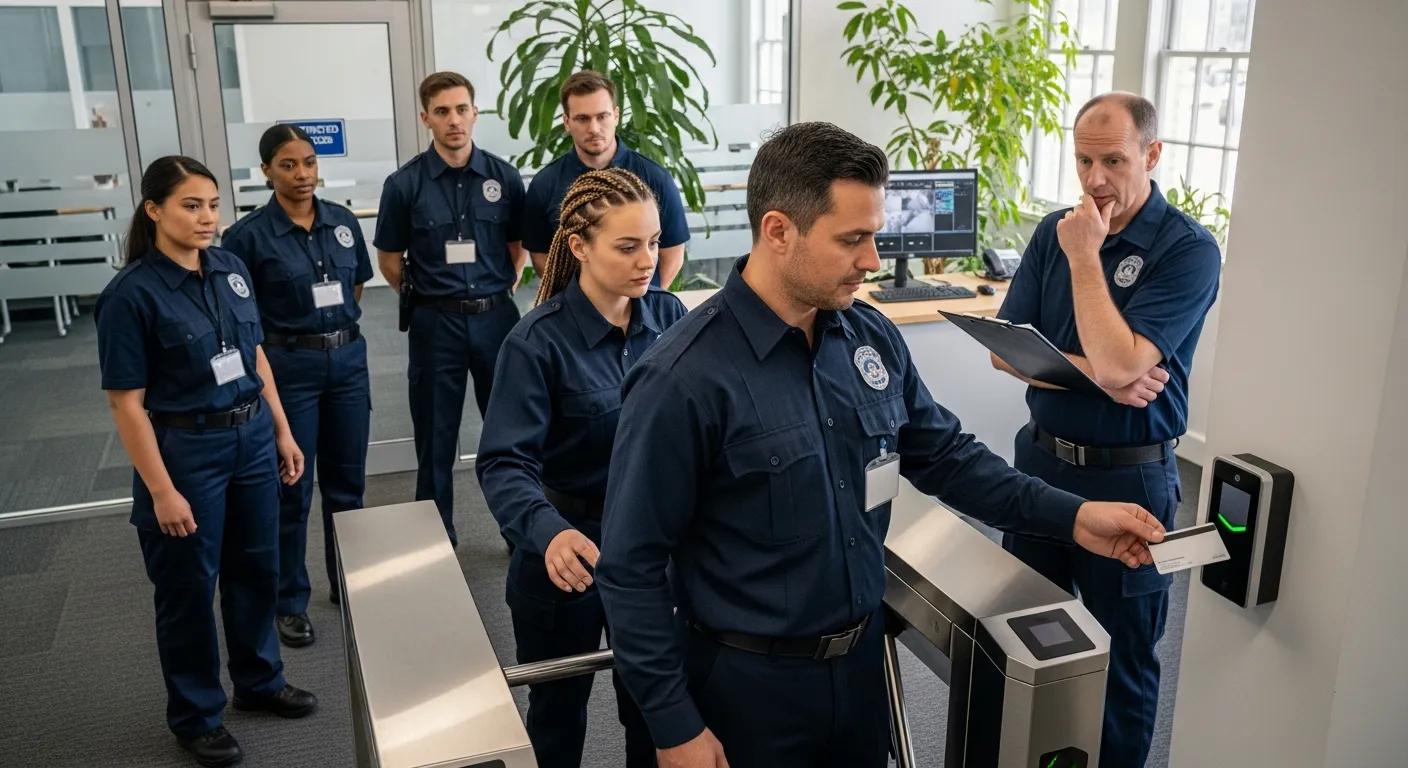
Stopping tailgating requires both technical controls and a security-minded workforce. Combine reliable access systems, clear visitor processes, and focused employee training to create layered defenses. No single solution eliminates the risk, but a coordinated program—policy, tools, and human awareness—substantially reduces opportunities for unauthorized entry.
What Physical Security Measures Effectively Mitigate Tailgating?
- Access Control Systems: Use credential-based entry that verifies individuals one at a time—badges, PINs, or biometrics—to limit unauthorized passage.
- Surveillance Measures: Place cameras at entry points and integrate them with monitoring or automated alerts to catch suspicious behavior in real time.
- Visitor Protocols: Require sign-ins, visible visitor badges, and escorts for guests to make unauthorized access harder and easier to audit.
Layering these measures—technical checks, monitoring, and strict visitor handling—creates a practical barrier against most tailgating attempts.
How Does Employee Training and Security Culture Reduce Tailgating Risks?
Training turns employees into the first line of defense. Practical programs teach staff to spot suspicious behavior, politely verify identities, and report anomalies. Role-play, clear escalation paths, and visible leadership support build a culture where security-minded actions are normalized and rewarded. When employees know what to look for and feel empowered to act, tailgating incidents drop significantly.
What Role Does Social Engineering Play in Tailgating Attacks? Psychological Tactics and Defense
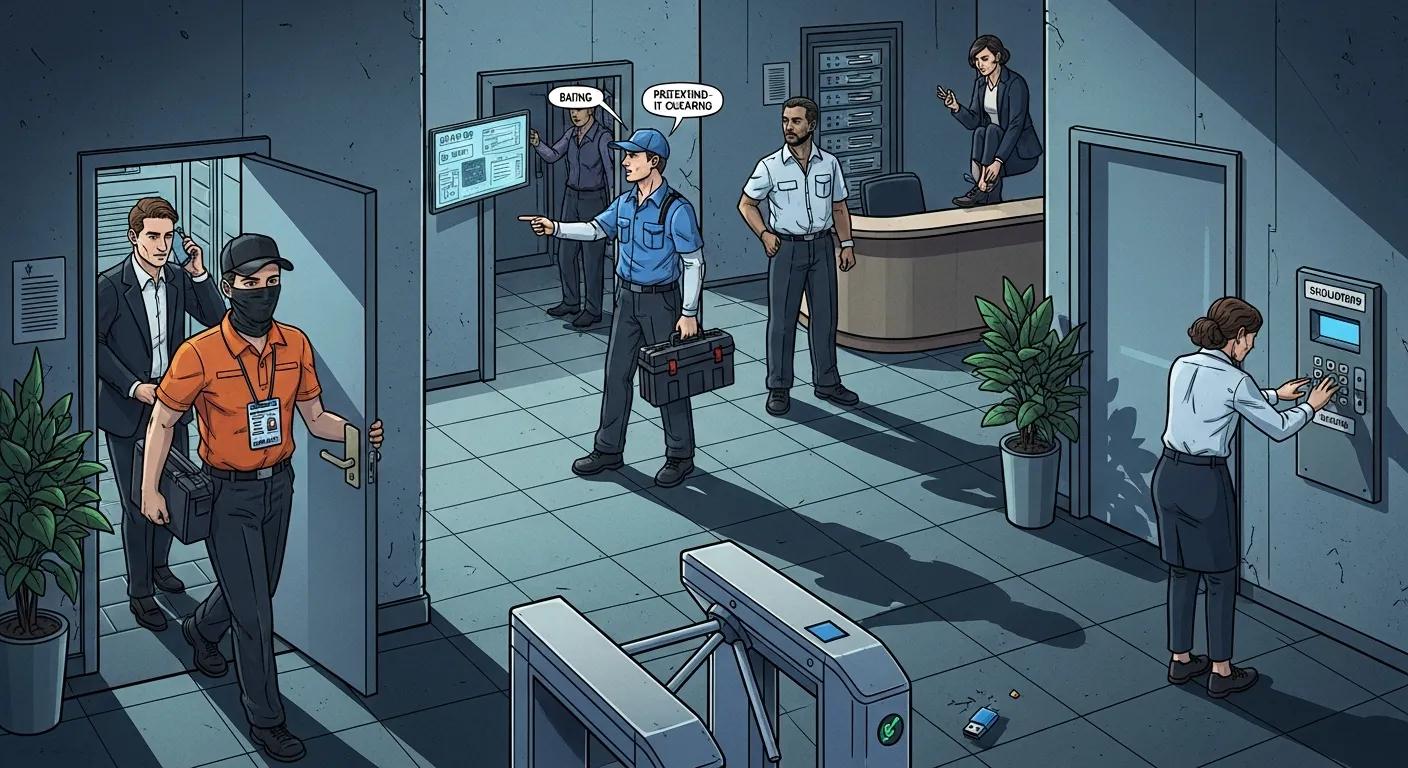
Social engineering is the psychological engine behind most tailgating. Attackers design believable scenarios—impersonation, urgent requests, or helpful-looking appearances—to trigger automatic, helpful responses. Understanding these manipulations lets organizations design verification steps that interrupt attackers’ scripts.
How Do Attackers Use Trust and Courtesy to Bypass Security?
Attackers rely on trust and social norms: they dress the part, ask for a favor, or claim they’re late for a delivery. These cues prompt quick, polite responses that override verification. Countering this requires simple tips employees can follow without feeling rude—check IDs, insist on badge scans, or direct unknown visitors to reception.
How Can Verification and Vigilance Counter Social Engineering in Tailgating?
Verification and vigilance blunt social-engineering strategies. Enforce identity checks, use badge readers, and train staff to follow standardized scripts when confronted with unknown people. Encouraging curiosity—asking why someone needs access—and providing clear reporting channels makes it easier for employees to act when something feels off.
How Does TempoMailUSA Help Mitigate Social Engineering and Tailgating Risks?
TempoMailUSA supports anti-pretexting efforts by reducing the personal data attackers can harvest online. Our services don’t stop physical access on their own, but they limit the information attackers use to create convincing stories for tailgating or other social-engineering attacks.
By offering privacy-first temporary email addresses, TempoMailUSA helps users keep verification details and personal contacts off public profiles—making it harder for attackers to assemble believable pretexts.
How Does Temporary Email Reduce Digital Footprint to Prevent Pretexting?
Disposable email addresses let users interact with services and verify accounts without exposing their primary inbox or personal identifiers. That reduces the pool of data attackers can use for pretexting. Fewer public traces mean fewer clues an attacker can tailor into a convincing approach at a facility gate or front desk. Email protection is essential.
Why Is Reducing Online Information Critical to Physical Security?
Online oversharing fuels social engineering. Details from social media, public profiles, or leaked data help attackers craft tailored lies that gain trust at physical entry points. Encouraging employees to limit what they publish and to use privacy-focused tools closes an important information channel attackers exploit.
What Are the Latest Trends and Statistics on Tailgating and Cybersecurity Threats?
Physical security weaknesses still show up in breach reports: a measurable portion of incidents trace back to unauthorized physical access. Staying current on these trends helps security teams allocate budget and attention to the areas that matter most—like entry controls and staff training.
How Is AI Influencing Social Engineering and Tailgating Attacks?
AI tools can help attackers personalize pretexts quickly by scanning public data and drafting believable messages or scripts. That makes social engineering more scalable. Defenders must respond with stronger verification, better training, and systems that don’t rely solely on human judgment at critical access points.
What Are the Global Costs and Prevention Investments Related to Tailgating?
The cost of a breach caused by physical access can include incident response, legal fees, regulatory fines, and lost business. Many organizations now invest in layered prevention—upgraded access systems, visitor management, and continuous training—because these measures reduce both risk and potential recovery costs.
| Security Measure | Mechanism | Benefit |
|---|---|---|
| Access Control Systems | Require individual authentication | Prevent unauthorized entry |
| Surveillance Cameras | Monitor entry points | Deter potential tailgaters |
| Visitor Protocols | Establish clear access guidelines | Ensure proper identification |
Tailgating combines human trust with physical gaps—and that makes it preventable. By pairing thoughtful access controls, monitoring, and ongoing employee awareness, organizations can reduce exposure and make unauthorized entry much harder. Using privacy-minded tools like TempoMailUSA further reduces attackers’ ability to craft credible pretexts.
Frequently Asked Questions
What are the signs that someone may be attempting to tailgate?
Watch for people lingering near doors, someone waiting for an authorized person to open an entrance, or individuals who seem evasive about showing ID. Large packages or items that hide identification, hurried behavior, or anyone trying to slip through when doors are propped open are red flags. Train staff to notice these cues and report them promptly.
How can organizations create a culture of security awareness among employees?
Make security regular and relatable: short trainings, scenario-based exercises, and open conversations about real incidents. Appoint security champions, publish clear guidance, and recognize employees who report suspicious activity. Practical, repeated messaging and leadership support turn good intentions into consistent behavior.
What technology can help prevent tailgating incidents?
Biometric readers, RFID badges, turnstiles, and mantraps physically limit entry to one person at a time. When combined with integrated surveillance and real-time alerts, security teams can detect and respond faster. Technology works best when paired with policies that require use and define escalation steps.
What role do visitor management systems play in preventing tailgating?
Visitor systems formalize guest access: check-ins, ID capture, printed badges, and escort requirements reduce the chance a visitor slips through unvetted. They also create audit trails that help investigate incidents and enforce accountability at entry points.
How can organizations assess their vulnerability to tailgating?
Conduct security audits that examine physical layouts, entry controls, and staff behavior. Simulated tailgating tests reveal real-world responses and policy gaps. Pair tests with employee feedback and update procedures based on findings—regular reassessment keeps defenses aligned with evolving threats.
What are the legal implications of tailgating incidents for organizations?
If a tailgating incident leads to a data breach, organizations may face regulatory fines, lawsuits, and contractual liabilities depending on applicable laws like GDPR or HIPAA. Demonstrating reasonable security measures—regular audits, training, and documented policies—helps show due diligence and can mitigate legal exposure.
Conclusion
Tailgating is a manageable risk when organizations take a layered approach: strengthen access controls, improve monitoring, and build a vigilant workforce. Reducing the online information attackers use for pretexts—through privacy practices and tools like TempoMailUSA—adds another defensive layer. Start with clear policies and consistent training today to keep your people, spaces, and data safer tomorrow.