


Why the CCSPayment Scam Is Targeting Thousands of Americans
The ccspayment scam involves fraudsters impersonating Credit Collection Services (CCS), a legitimate debt collection agency, to trick victims into paying fake debts or revealing sensitive personal information. Here's what you need to know right now:
Quick Answer: Is CCSPayment Legit or a Scam?
| Aspect | Legitimate CCS | Scam Impersonation |
|---|---|---|
| Website | www.ccspayment.com (official) | Slightly altered URLs or fake login pages |
| Payment Methods | Standard credit/debit cards, checks | Gift cards, cryptocurrency, wire transfers |
| Communication | Professional, provides written validation | Threatening, urgent, refuses documentation |
| Contact Hours | 8 AM - 9 PM local time | Any time, including late night |
| Verification | Willing to provide debt validation letter | Refuses details, pressures immediate payment |
Answer: CCSPayment itself is a legitimate payment portal operated by Credit Collection Services, a real debt collection agency established in 1966. However, scammers frequently impersonate this service to steal money and personal data.
An unexpected message from a debt collection agency like CCSPayment can leave you feeling panicked. The Federal Trade Commission received over 200,000 debt collection scam reports in 2024 alone, with losses estimated at $48 billion globally from online payment fraud in 2023.
The confusion is intentional. Scammers exploit the fact that CCS is a real company to make their fake demands seem more credible. They'll send urgent texts, emails, or make aggressive phone calls claiming you owe money for medical bills, credit cards, loans, or even toll violations you don't recognize.
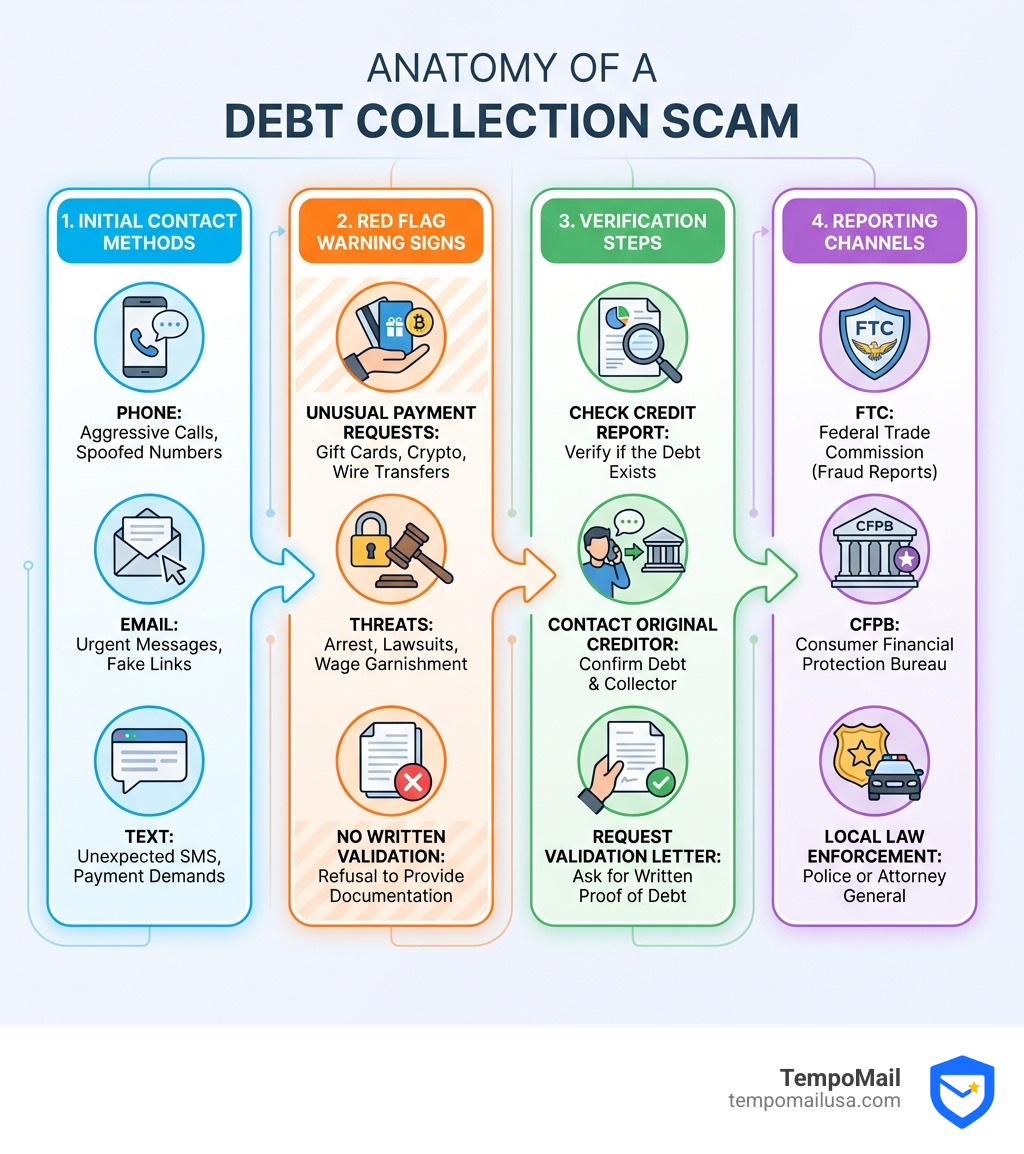
Common scam tactics include:
- Demanding payment via untraceable methods (gift cards, crypto, wire transfers)
- Threatening arrest, lawsuits, or wage garnishment
- Refusing to provide written debt validation
- Contacting you outside legal hours (before 8 AM or after 9 PM)
- Using fake websites that mimic the official CCSPayment portal
I'm Mohammad Waseem, and through building online tools and managing platforms focused on digital security, I've analyzed numerous ccspayment scam reports and helped users identify fraudulent communications. My work in cybersecurity and online privacy has given me direct insight into how these scams operate and how to protect against them.
Is CCSPayment Legit? Understanding the Real Service
Before we dive into the murky waters of the ccspayment scam, we need to talk about the real company. CCS Companies, also known as Credit Collection Services (CCS), is a legitimate, large-scale debt collection agency headquartered in Norwood, Massachusetts. Founded in 1966, they aren't some fly-by-night operation; they are recognized as a major U.S. debt collector with clients across banking, healthcare, insurance, and utilities.
If you receive a legitimate notice, it’s usually because a company you did business with—like a hospital, a credit card issuer, or a toll authority—turned over an unpaid balance to them for collection. Their official online portal is located at www.ccspayment.com.
However, legitimacy doesn't always equal a spotless reputation. If you check their Better Business Bureau (BBB) page, you'll see over 3,700 complaints. Most of these involve disputes over debt validity or communication tactics. This "noise" of complaints actually helps scammers; when you search for "CCS complaints" and see thousands of results, you might assume the aggressive scammer calling you is just a "bad" legitimate collector rather than a criminal.
Common Red Flags of Debt Collection Fraud
Scammers are excellent actors, but they usually trip up on the details. Because they want your money fast and without a paper trail, they often ignore the strict rules that legitimate collectors must follow.
1. The "Panic" Language
If the caller or email uses high-pressure tactics, it’s a massive red flag. Legitimate collectors want to get paid, but they are prohibited by U.S. law from threatening you with arrest or jail time. If someone claims the "police are on their way" because of an unpaid lab bill, hang up.
2. Unconventional Payment Requests
This is the "smoking gun" of the ccspayment scam. A real debt collector will accept checks, bank transfers, or standard credit card payments through their official portal. They will never ask you to pay via:
- Gift cards (iTunes, Google Play, etc.)
- Cryptocurrency (Bitcoin)
- Wire transfers (Western Union or MoneyGram)
- Prepaid debit cards
3. Suspicious Digital Footprints
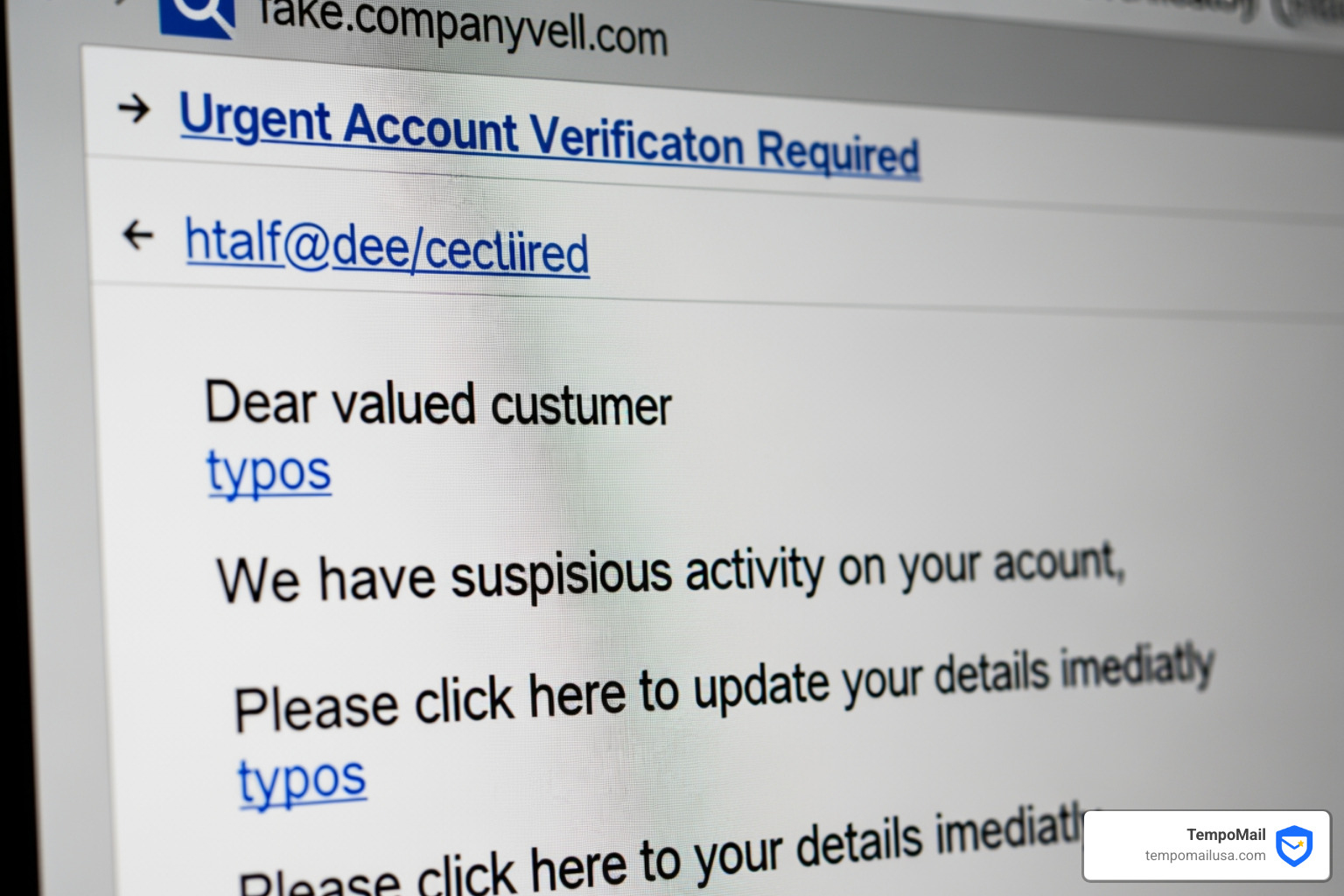
Always inspect the links. Scammers often use URLs like ccs-payment-notice.com or pay-ccs-debt.net instead of the official www.ccspayment.com. If you receive an email, hover your mouse over the "Pay Now" button to see the actual destination URL. If it doesn't match the official site, it's a trap.
4. Illegal Contact Times
According to the Federal Trade Commission, debt collectors cannot call you before 8:00 a.m. or after 9:00 p.m. in your local time zone. Scammers, often operating from different countries, frequently ignore these boundaries.
Step-by-Step Guide to Verifying a CCSPayment Scam
If you've been contacted, don't reach for your wallet yet. Follow this verification "firewall" to protect your finances.
Step 1: Request a Written Validation Notice
Under the Fair Debt Collection Practices Act (FDCPA), you have the right to know your rights. Within five days of contacting you, a collector must send a written notice including:
- The exact amount owed
- The name of the original creditor
- Instructions on how to dispute the debt
If they refuse to send this or claim they "don't have to," you are likely dealing with a scam.
Step 2: Check Your Credit Report
Legitimate debts that have gone to collections almost always show up on your credit history. You are entitled to a free credit report weekly from the three major bureaus via AnnualCreditReport.com. Look for "Credit Collection Services" or the original creditor's name. If the debt isn't there, be extremely skeptical.
Step 3: Contact the Original Creditor Directly
If the notice says you owe money to "General Hospital" or "State Toll Authority," don't call the number in the suspicious email. Find the official number for that hospital or agency on your own. Ask them if they have actually sold your account to CCS.
Step 4: Use the Official Portal Only
If you want to check if a notice is real, go to the Credit Collection Services website by typing the address manually into your browser. Never use the link provided in a suspicious text or email. Legitimate portals will allow you to enter a reference number to see your account itemization.
What to Do If You Fall Victim to Fraud
If you realized too late that you were caught in a ccspayment scam, every minute counts. Here is your recovery checklist:
- Call Your Bank Immediately: If you paid via credit card or bank transfer, your bank might be able to stop or reverse the transaction. If you provided your bank account details, you may need to close the account and open a new one.
- Report to the FTC: File a formal complaint at reportfraud.ftc.gov. This helps authorities track scam patterns and shut down fraudulent servers.
- Place a Fraud Alert or Credit Freeze: Contact the major credit bureaus (Equifax, Experian, and TransUnion). A credit freeze is the strongest move; it prevents scammers from opening new lines of credit in your name using the info they stole.
- Contact Your State’s Attorney General: Many states have specific task forces for debt collection fraud. You can find your state’s attorney general to report the local impact.
- File with the CFPB: If a legitimate company is harassing you or violating FDCPA rules, submit a complaint to the Consumer Financial Protection Bureau.
Frequently Asked Questions about CCSPayment
Is CCSPayment a scam?
No, the portal itself is a legitimate service for Credit Collection Services. However, because it is a well-known name, it is a primary target for impersonation. Always verify the URL and the debt before paying. You can always check the Credit Collection Services website directly to see if they have a record of you.
What happens if I ignore a CCSPayment scam message?
If it's a scam, nothing happens—except the scammer eventually gives up and moves to a different target. However, if the debt is legitimate and you ignore it, your credit score could drop significantly, and the agency could eventually pursue legal action or wage garnishment. This is why verification is better than just ignoring the message.
How can I tell if a CCSPayment scam caller is real?
Check the "vibe" and the facts. Real collectors are professional (even if firm). They must follow U.S. law regarding call times and harassment. If they refuse to provide a validation notice or their name and employee ID, they are likely a scammer.
Conclusion: Protecting Your Identity in a Digital World
The ccspayment scam works because it targets our fear of financial instability. At TempoMail USA, we believe the best defense is a strong offense. We operate in the cybersecurity and privacy industry, providing identity proxying services that act as a digital firewall for your life.
By using our secure aliases, you can protect your Personally Identifiable Information (PII) from being scraped by the data brokers that scammers use to find their victims. When you give a "proxy" email or phone number to online services, you're ensuring that if that service is breached, your real identity remains hidden.
Don't let scammers use your own data against you. Protect your data with our AI phishing detector and stay one step ahead of the fraudsters. Stay safe, stay skeptical, and always verify before you pay.