



Understanding Shein's Business Model and Reputation
Is Shein a scam? No, Shein is not a scam in the traditional sense—it's a legitimate, registered business that has operated since 2008 and successfully delivers products to millions of customers worldwide. However, it carries significant risks related to data privacy, product quality, and ethical practices that every shopper should understand before making a purchase.
Quick Answer:
| Question | Answer |
|---|---|
| Is Shein legitimate? | Yes, it's a real company valued at $15 billion |
| Will you receive your order? | Usually yes, though shipping can be slow |
| Is your data safe? | Questionable—major breach in 2018, fined $2M in 2022 |
| Is the quality good? | Highly inconsistent; many report poor materials and sizing |
| Are there ethical concerns? | Yes—labor practices, environmental impact, design theft |
Shein has become one of the world's most downloaded shopping apps by offering incredibly cheap clothing—think $5 t-shirts and $10 dresses. The company adds 500 to 2,000 new products daily, making it the ultimate destination for ultra-fast fashion.
But those rock-bottom prices come with hidden costs. The 2018 data breach exposed nearly 39 million users' personal information. Workers in Shein's supply chain reportedly work 75-hour weeks for low pay. And the company faces ongoing accusations of stealing designs from independent creators and small businesses.
For privacy-conscious shoppers, Shein poses particular risks. The app requests extensive permissions to access your phone's storage, location, and camera. The company collects detailed personal data including your browsing behavior and location. And phishing scams disguised as fake Shein promotions regularly target customers.
The reality is that Shein operates in a gray area—legally legitimate but ethically questionable, with real risks to your personal information and financial security.
Is Shein a Legitimate Company or an Elaborate Scam?
Many of us, captivated by the endless scroll of trendy, affordable clothing, have found ourselves asking, "Is Shein a scam?" The short answer is no, it's not a scam in the traditional sense. Shein is a legitimate business, a global fast-fashion giant known for its affordable, on-trend clothing. It's a registered company that has been operating since 2008, shipping products to customers in over 150 countries worldwide. Millions of shoppers successfully order from the platform daily, and the company has grown into a formidable online retailer, with Forbes putting its valuation at a staggering $15 billion.
You typically will receive the products you order, which is a fundamental aspect of a legitimate e-commerce business. However, the term "scam" can also imply deceptive practices, and this is where Shein's reputation becomes more complex. While it delivers products, the journey from factory to your doorstep, and the ethics behind it, are rife with controversies and risks that we’ll explore in detail.

Why is Shein so cheap?
The incredibly low prices are arguably Shein's biggest draw, but they also raise questions. How can a company sell dresses for under $10 and t-shirts for $5? It boils down to a highly optimized, ultra-fast fashion business model:
- On-Demand Production: Shein operates on a sophisticated, data-driven system. Its business model relies on finding new products, mass-producing them extremely quickly, selling them as fast as possible, and then moving on to the next trend. This agile approach minimizes waste from unsold inventory.
- Direct-to-Consumer Model: By selling directly to consumers through its website and app, Shein cuts out traditional retail third parties and their associated overheads. There are no physical stores, which significantly reduces costs.
- Low-Cost Labor: A substantial portion of Shein's manufacturing operations are handled from China, where production costs, including labor, are generally lower. This allows the company to produce in bulk at a fraction of the cost of Western manufacturers.
- Social Media Marketing: Instead of expensive traditional advertising, Shein relies heavily on social media marketing and influencer promotions. This cost-effective strategy leverages platforms like Instagram and TikTok to reach its target audience of young, fashion-forward consumers.
- AI Trend-Spotting: Shein uses AI to identify emerging fashion trends almost in real-time. This allows them to quickly design and produce items that are currently in demand, maximizing sales and minimizing the risk of creating unpopular stock.
- Rapid Inventory Turnover: SHEIN’s inventory turns over at an incredible pace—somewhere between 500 and 2,000 new SKUs (stock-keeping units) are added daily. This constant refresh keeps customers engaged and coming back for more.
This combination of factors allows Shein to churn out thousands of new products each day at staggeringly low prices, making trendy fashion accessible to millions.
What do customer reviews say?
Customer reviews for Shein are, to put it mildly, mixed. On one hand, many shoppers praise the platform for its trendy and affordable fashion, frequent sales, and the sheer volume of choices. It allows consumers to experiment with styles and refresh their wardrobes without breaking the bank.
However, a significant portion of reviews highlight serious concerns, particularly regarding product quality, inconsistent sizing, and occasional issues with shipping or returns. Many customers report receiving items that don't match the photos online, with flimsy fabrics, poor stitching, or unexpected color variations.
On review platforms like Trustpilot, Shein has a substantial number of negative reviews. Audits have even suggested that many positive reviews on such platforms may originate from Shein employees, leading Trustpilot to add a consumer alert advising caution. This raises questions about the authenticity of some feedback, making it harder for us to gauge genuine customer satisfaction. Fortunately, Trustpilot offers verification processes that can help ensure real people are writing the reviews you read, but it's always wise to look for independent reviews on social media or blogs. For instance, 48% of over 20,000 reviews on Trustpilot rank Shein as "poor" or "bad."
The Real Risks: Data Privacy, Product Quality, and Safety Concerns
Beyond the question of whether Shein is a traditional scam, we need to consider the very real risks associated with shopping on the platform. These risks span from the security of our personal and financial data to the reliability of the products we receive, and even the safety of the website and app itself.
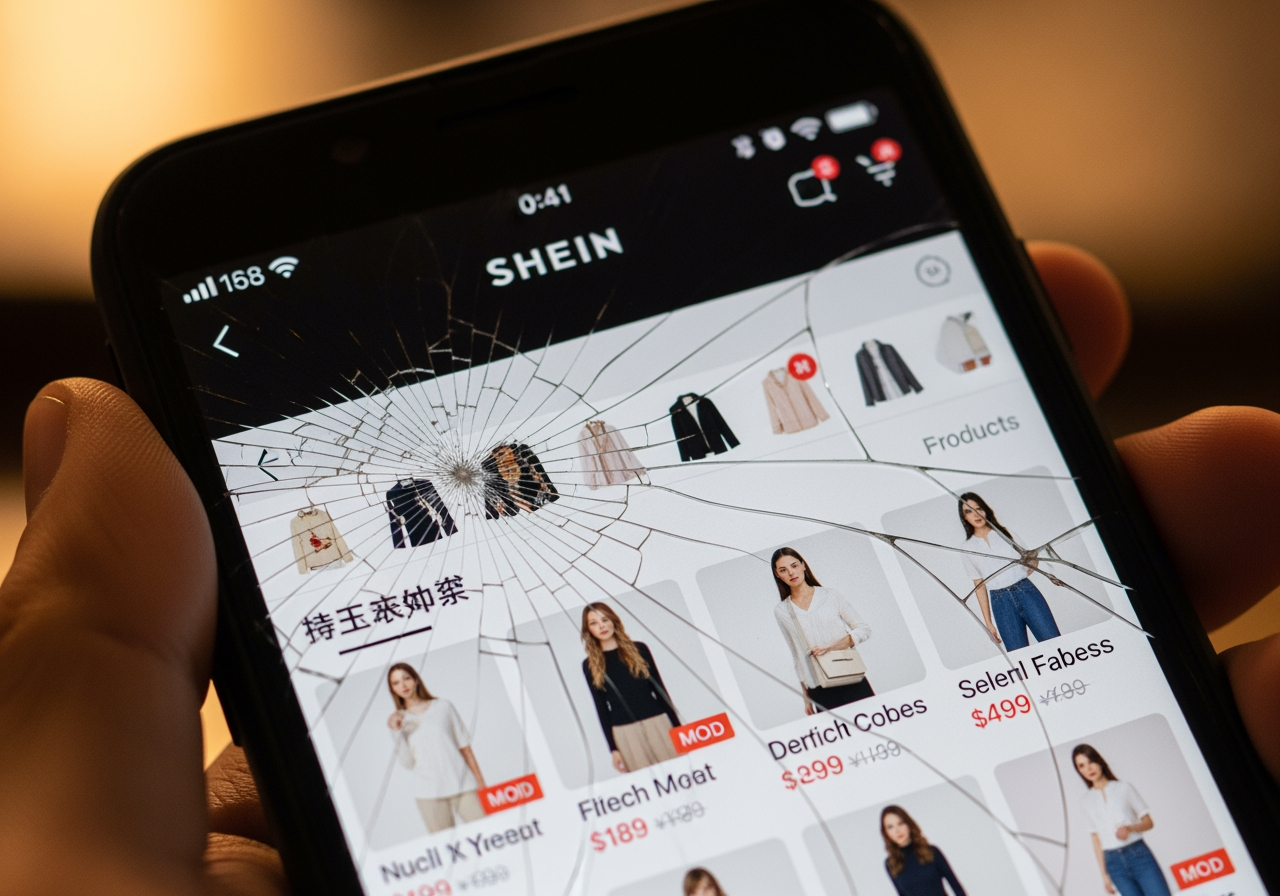
How safe is your personal and financial data with Shein?
This is a critical concern for many of us. While Shein's official website and app are generally secure, employing SSL technology to encrypt data during transactions, the company has a troubling history with data privacy.
- 2018 Data Breach: In 2018, Shein’s parent company, Zoetop, experienced a major breach that compromised the login details, email addresses, and credit card information of nearly 39 million Shein users. This incident was a significant red flag for data security.
- 2022 New York Fine: Following the 2018 breach, Shein was hit by an almost $2 million fine by the New York State Attorney General. The company was accused of not doing enough to repair the breach and inform customers that their details were potentially exposed.
- App Permissions: The Shein app may request extensive permissions on your phone, such as access to your storage, location, and camera. While some permissions are standard for shopping apps (like camera for image search), extensive access increases your vulnerability if the company suffers another data breach.
- Data Collection Policy: Shein collects personal data and payment information, including your browsing behavior and location, to personalize the shopping experience. While their privacy policy states that the company does not sell or share customer data with third parties, past incidents naturally make us cautious. It’s important to understand how your data is collected and shared. Shein does have a Privacy Center page that might help you manage your account better.
- Phishing Scams: Beyond internal security, we must be vigilant about external threats. There have been cases of phishing scams disguised as fake Shein promotions or giveaways. These scams try to trick you into revealing personal information or login credentials. Always be careful before clicking links in emails or messages claiming to be from Shein.
Is Shein a scam when it comes to product quality?
When we talk about whether Shein is a scam, product quality is often at the forefront of customer complaints. While you generally receive something for your money, the quality can be highly inconsistent and often falls short of expectations.
- Inconsistent Quality: Shein often sells items that customers perceive to be low-quality. Many products feature flimsy fabrics, poor stitching, and inconsistent sizing. What looks great in the professional photos online might arrive looking noticeably different.
- "Shein Fails": Social media platforms, especially TikTok, are full of humorous videos of users comparing the garment they ordered with the one they received. These "Shein fails" often show ill-fitting clothes, items that are completely different from their description (like a "pocket tee" that doesn’t actually have a pocket), or even garments so poorly made that a user had to cut herself out of it.
- Dye Bleeding: A common complaint involves dye bleeding from clothes. One viral video showed a Gen Z-er tossing a Shein bikini in a bathroom sink, instantly turning the water the same shade of bright pink as her new swimsuit. This indicates poor dye fixation and can ruin other garments if washed together.
While many shoppers are thrilled with their cheap hauls, it's crucial to manage our expectations. The low prices often mean that quality control isn't the top priority, and we might receive items that are only suitable for a few wears or don't quite match the product image.
How can you shop safely and protect your information?
Given the risks, how can we steer Shein's offerings more safely? Here are some actionable tips:
- Use Secure Payment Methods: Always opt for secure payment options like PayPal or credit cards. These methods often offer buyer protection and can help you dispute unauthorized charges or issues with your order. Consider using virtual cards if your bank offers them, or a service like Privacy for an added layer of security.
- Enable Two-Factor Authentication (2FA): If Shein offers it, enable 2FA on your account. This adds an extra layer of security by requiring a second verification step (like a code sent to your phone) in addition to your password.
- Read Third-Party Reviews: Don't rely solely on reviews on Shein's website. Look for independent product reviews on platforms like Trustpilot, Reddit, or YouTube. Pay attention to how Shein responds to customer comments, and look for real people verification where available.
- Use a Secure Email Alias: When signing up for new accounts or making purchases, especially from services with a "checkered past," consider using a secure email alias. Tempo Mail USA provides identity proxying services, generating secure email aliases that act as a "firewall" to protect your Personally Identifiable Information (PII). This way, your primary email address remains private, reducing exposure to spam or phishing attempts.
- Monitor Bank Statements: Regularly check your credit card and bank statements for any unusual or unauthorized activity after shopping online. Promptly report any suspicious charges to your bank or card provider.
- Beware of Suspicious Links and Giveaways: Avoid clicking on suspicious links or giveaway offers that seem too good to be true, especially those received via email or text message. These are often phishing scams designed to steal your information.
- Understand Privacy Policies: Take the time to understand Shein's privacy policy and how your data is collected and shared. Transparency is key when sharing personal details online.
- Use a VPN on Public Wi-Fi: When shopping on Shein or any online platform, protect your data, especially if you're on public Wi-Fi, by using a Virtual Private Network (VPN).
- Keep the App Updated: Ensure the Shein app is always updated to the latest version. Updates often include security patches that fix vulnerabilities.
- Verify Website URLs: Always double-check the URL of the Shein website to ensure it starts with 'https://' and includes the official domain. Impostor sites can mimic legitimate ones to trick you.
The Ethical Dilemma: Labor, Sustainability, and Design Theft
Beyond personal risks, shopping on Shein comes with a significant ethical dilemma. The incredibly low prices often mask a hidden cost, raising serious questions about labor practices, environmental impact, and intellectual property rights. For many of us, understanding these issues is crucial for making informed consumer choices.
Is Shein a scam from an ethical standpoint?
This is where Shein faces some of its most severe criticism. While the company is working to "clean up its act" in preparation for a potential IPO, its past and ongoing practices raise deep ethical concerns.
- Labor Practices: Shein has faced ongoing criticism for its labor practices, including poor working conditions, long hours, and low pay in its supply chain. Investigative reports have detailed factory workers in Guangzhou (often referred to as the "Shein village") working around 75 hours a week, with most having only one day off a month. The basic wage, without overtime, has been reported as significantly below a "living wage."
- Forced Labor Allegations: The company has been accused of using forced labor, including reports involving the Uyghur minority group in China. U.S. lawmakers have called on Shein to prove that forced labor is not used to make its products, a significant hurdle for its U.S. IPO aspirations. Shein denies these allegations, stating it has a zero-tolerance policy for forced labor.
- Child Labor: Disturbingly, in 2024, Shein uncovered two instances of child labor in its supply chain. In response, it suspended orders from these suppliers, terminated contracts with those employing underage workers, and updated its policies. While addressing the issue, the findy itself points to challenges in supply chain oversight.
These issues highlight that Shein is severely lacking when it comes to ethical and moral business practices, prompting many to question the true cost of their cheap fashion.
Does Shein steal designs from other brands?
Shein has faced repeated and widespread accusations of intellectual property (IP) theft, leading to numerous lawsuits and significant backlash from designers and artists.
- Copying Small Designers: Many independent designers and small businesses have accused Shein of systematically copying their original creations, often just days after their launch, and selling them at a fraction of the price. For instance, designer Ho has called out Shein for stealing several of her designs, including activewear pieces.
- Lawsuits from Major Brands: It's not just small creators. Shein has faced legal disputes with major fashion brands like Ralph Lauren and Deckers (which owns UGG). In one notable case, Coach filed a lawsuit in March 2025 alleging trademark infringement and the sale of counterfeit Coach items. Oakley, the sunglasses brand, also accused Shein of stealing its designs. These allegations have even led to US federal charges in some instances, with a RICO (Racketeer Influenced and Corrupt Organizations Act) lawsuit filed in 2023.
These accusations suggest a pattern of design copying, raising serious questions about Shein's respect for creative ownership and innovation within the fashion industry.
What is Shein's environmental impact?
The ultra-fast fashion model, by its very nature, has a massive environmental footprint, and Shein, as a leader in this space, is no exception.
- Massive Carbon Footprint: Shein's business model of rapidly producing thousands of new, cheap items daily contributes significantly to environmental degradation. In 2023, Shein emitted 16.7 million metric tons of carbon dioxide—more than what four coal power plants release annually, making it one of the highest-emitting brands in the fashion industry.
- Polyester and Microplastics: Most of Shein's fabrics come from polyester, a synthetic material derived from fossil fuels. Polyester production is energy-intensive, and the material itself is a major contributor to microplastic pollution in our oceans and ecosystems when washed.
- Disposable Clothing Culture: The incredibly low prices encourage a "disposable" approach to fashion. Customers buy items for a few wears, or even a single photo opportunity, before discarding them. This fuels a cycle of overconsumption and textile waste, with countless garments ending up in landfills.
- Skepticism on Pledges: While Shein has pledged to cut carbon emissions by 25% by 2030 and reach net zero by 2050, experts remain skeptical about the effectiveness of these efforts given the company's fundamental need for rapid production and high volume. These Environmental concerns are a serious consideration for any environmentally conscious shopper.
The allure of cheap, trendy clothes comes with a steep environmental price tag, contributing to pollution and resource depletion on a global scale.
Navigating Shein's Policies and Customer Service
Understanding Shein's return and refund policies, as well as the reliability of its customer service, is crucial for any shopper, especially given the potential for inconsistent product quality.
Shein's Return and Refund Policies: Shein allows returns on most items within 30 days of delivery, provided they are in new, unworn condition with original tags. This 30-day window is fairly standard in e-commerce.
- Return Shipping Fees: The first return per order is usually free. However, subsequent returns from the same order incur a $7.99 shipping fee. This fee is significant, as it's roughly what the average Shein item costs in the first place, potentially making it uneconomical to return very cheap items.
- Non-Returnable Items: Like many retailers, certain items are typically non-returnable for hygiene or safety reasons, such as lingerie, bodysuits, jewelry, and cosmetics (if opened). Final sale products are also usually excluded.
- Refund Process: If you return an eligible item, refunds are generally processed within 5 to 10 business days after the returned items are received by Shein. You have the option to receive your refund either back to your original payment method or as store credit in your Shein Wallet. Some customers have reported delays or difficulties in the refund process, so follow their return instructions carefully.
Customer Service Reliability: Shein's customer service has received mixed reviews. While some customers find the support team helpful and responsive, especially when utilizing live chat or email, others report delays in responses, difficulty resolving issues, or limited support for complex problems like refunds or returns. This inconsistency means that while you might have a smooth experience, there's also a chance you could encounter challenges if a problem arises. It's always a good idea to keep records of your communication and order details.
The Final Verdict on Shein
So, after delving into the depths of Shein's operations, business model, and controversies, what's our final verdict on the question, is Shein a scam?
In the strictest sense of the word, no. Shein is a legitimate, albeit controversial, global online retailer. It’s a registered business that processes millions of orders daily and, for the most part, delivers products to its customers. You will likely receive what you ordered, which distinguishes it from outright fraudulent schemes.
However, the picture is far more nuanced. Shein operates in a significant gray area, where the pursuit of ultra-low prices and rapid trend cycles often comes at a substantial cost:
- Questionable Product Quality: While you might get lucky with a few items, the overall quality is inconsistent, with many products being cheaply made, poorly sized, or not matching their online appearance. You truly get what you pay for, and sometimes, even less.
- Significant Data Privacy Risks: The company's past data breach and subsequent fine, coupled with extensive app permissions and the prevalence of phishing scams, mean that shopping on Shein carries a higher-than-average risk to your personal and financial data.
- Profound Ethical Concerns: The allegations of poor labor practices, including 75-hour work weeks and instances of child labor, along with persistent accusations of intellectual property theft from designers, paint a picture of a business model that prioritizes profit over people and creative rights.
- Massive Environmental Impact: Shein's ultra-fast fashion model is a major contributor to carbon emissions, textile waste, and microplastic pollution, fostering a disposable clothing culture that is unsustainable.
Shein presents a complex trade-off. For those prioritizing extreme affordability and trendy styles above all else, it might seem appealing. But for us, as informed consumers, it's crucial to weigh the low prices against the significant data security vulnerabilities and the profound ethical and environmental costs. The true cost of that $10 dress extends far beyond its price tag.
We believe in empowering you with the knowledge to make informed decisions. Understanding these risks allows you to shop more cautiously, protect your personal information, and consider the broader impact of your purchases. To help you further safeguard your digital life, we encourage you to explore tools that protect your identity online.