

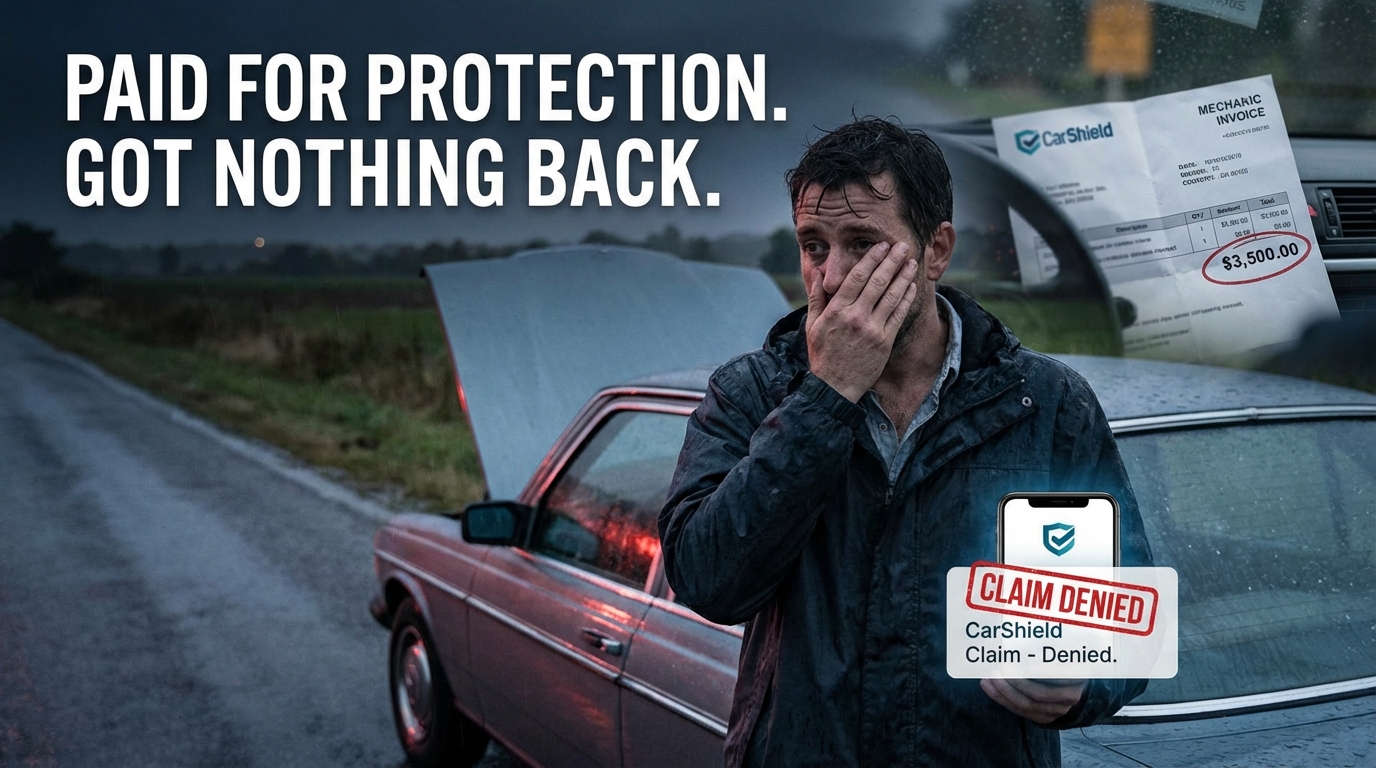

Is CarShield a Scam? Here's What You Need to Know First
Is CarShield a scam is a fair question — and the short answer is: not technically a scam, but with serious red flags you should know about before spending a dollar.
Here's the quick version:
| Factor | What You Need to Know |
|---|---|
| Legitimacy | CarShield is a real, registered company operating since 2005 |
| FTC Action | Ordered to pay $10 million in April 2025 for deceptive advertising |
| BBB Rating | 'F' rating with over 3,300 complaints in the last three years |
| Claim Denials | Many customers report repairs denied due to hidden exclusions |
| Verdict | Legitimate business, but with a documented history of misleading consumers |
CarShield has been selling vehicle service contracts for over two decades. But "legitimate" doesn't mean "trustworthy." The Federal Trade Commission found that the company's ads promised things the contracts didn't actually deliver — like the ability to use any repair shop, or coverage for major repairs without major asterisks buried in a 25-30 page contract.
One frustrated customer described paying $144 per month for two years — more than $3,400 total — and receiving zero coverage when repairs were needed.
That's the kind of gap between promise and reality that the FTC took seriously enough to act on.
Is CarShield a Scam? Analyzing the $10 Million FTC Settlement
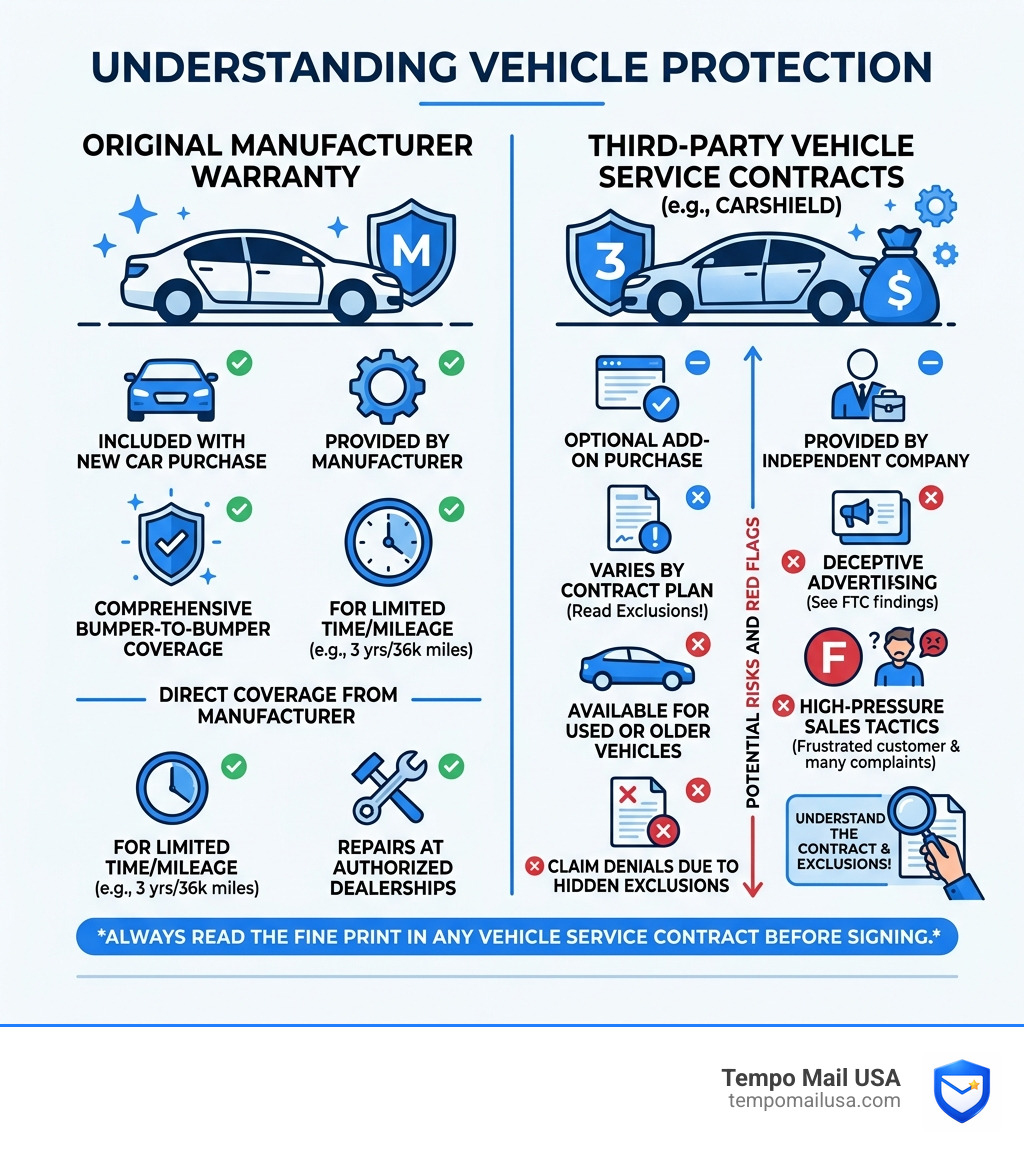
To understand if is carshield a scam, we have to look at the massive legal hammer that recently dropped. In April 2025, the Federal Trade Commission (FTC) ordered CarShield to pay a staggering $10 million settlement. This wasn't just a slap on the wrist; it was a response to years of deceptive advertising and misleading consumers about what their "warranties" (which are actually vehicle service contracts) really covered.
According to the FTC says CarShield didn't cover car repairs as advertised, the company used high-pressure sales tactics and celebrity endorsements to paint a picture of "worry-free" driving. Superstars like Ice-T and Allen Iverson appeared in commercials, implying they were actual customers who used the service to save thousands. The reality? Many of these endorsements were paid promotions that didn't reflect the actual user experience.

Is CarShield a scam according to the FTC?
While the FTC doesn't use the word "scam" in a criminal sense, their charges paint a picture of systemic deception. The primary issues included:
- Deceptive Marketing: Ads promised "unlimited" coverage while the actual contracts contained dozens of pages of exclusions.
- Hidden Exclusions: Claims were frequently denied for "pre-existing conditions" or "lack of maintenance," even when the owner had service records.
- Telemarketing Sales Rule Violations: The company was accused of using aggressive scripts that misrepresented the terms of the contracts during inbound and outbound calls.
- Repair Shop Rejections: Despite ads saying you can go to "any ASE-certified mechanic," many shops actually refuse to work with CarShield due to payment delays and disputes over labor rates.
The $10 million fine is earmarked for consumer redress, meaning the government is attempting to get money back into the pockets of those who were misled. However, for many, the damage to their finances and their vehicle's reliability had already been done.
Why High-Mileage Vehicle Owners Need Identity Theft Protection Services
When you start looking into extended warranties, you aren't just looking for a repair plan; you are entering a high-risk data ecosystem. Automotive marketing is a primary driver for data harvesting. Once you provide your VIN, phone number, and email to a service like CarShield, that data is often shared with third-party administrators, marketers, and lead generators.
This is why we strongly advocate for identity theft protection services. High-mileage vehicle owners are often targeted by "warranty expiration" robocalls and phishing emails. These scammers use your vehicle data to appear legitimate, hoping to steal your credit card info or Social Security number.
To stay safe, you should utilize credit monitoring software to ensure no unauthorized accounts are opened in your name following a data leak. Furthermore, protecting your Personally Identifiable Information (PII) is no longer optional; it is a necessity for financial survival.
Data Privacy Risks in the Automotive Sector:
- Lead Generation Sales: Your contact info is sold to multiple "warranty" brokers.
- Phishing Targets: Scammers use your specific car model to craft believable bait.
- Data Breaches: Third-party administrators often lack the advanced malware protection needed to secure customer databases.
Preventing Phishing with Disposable Email Infrastructure
One of the most effective ways to shield yourself from the fallout of the "is carshield a scam" ecosystem is to use a PII firewall. When you are shopping for quotes, do not give out your primary email address. This is where Tempo Mail USA becomes an essential tool in your cybersecurity arsenal.
By using temporary email aliases, you can receive quotes and contract samples without exposing your real identity to trackers and spam lists. If a company begins bombarding you with aggressive marketing or if their database is compromised, you simply delete the alias. Your real inbox remains clean and secure.

This approach is a cornerstone of data privacy compliance. Whether you are an individual or a business owner, implementing disposable email infrastructure acts as a primary defense against phishing. Scammers cannot target what they cannot see.
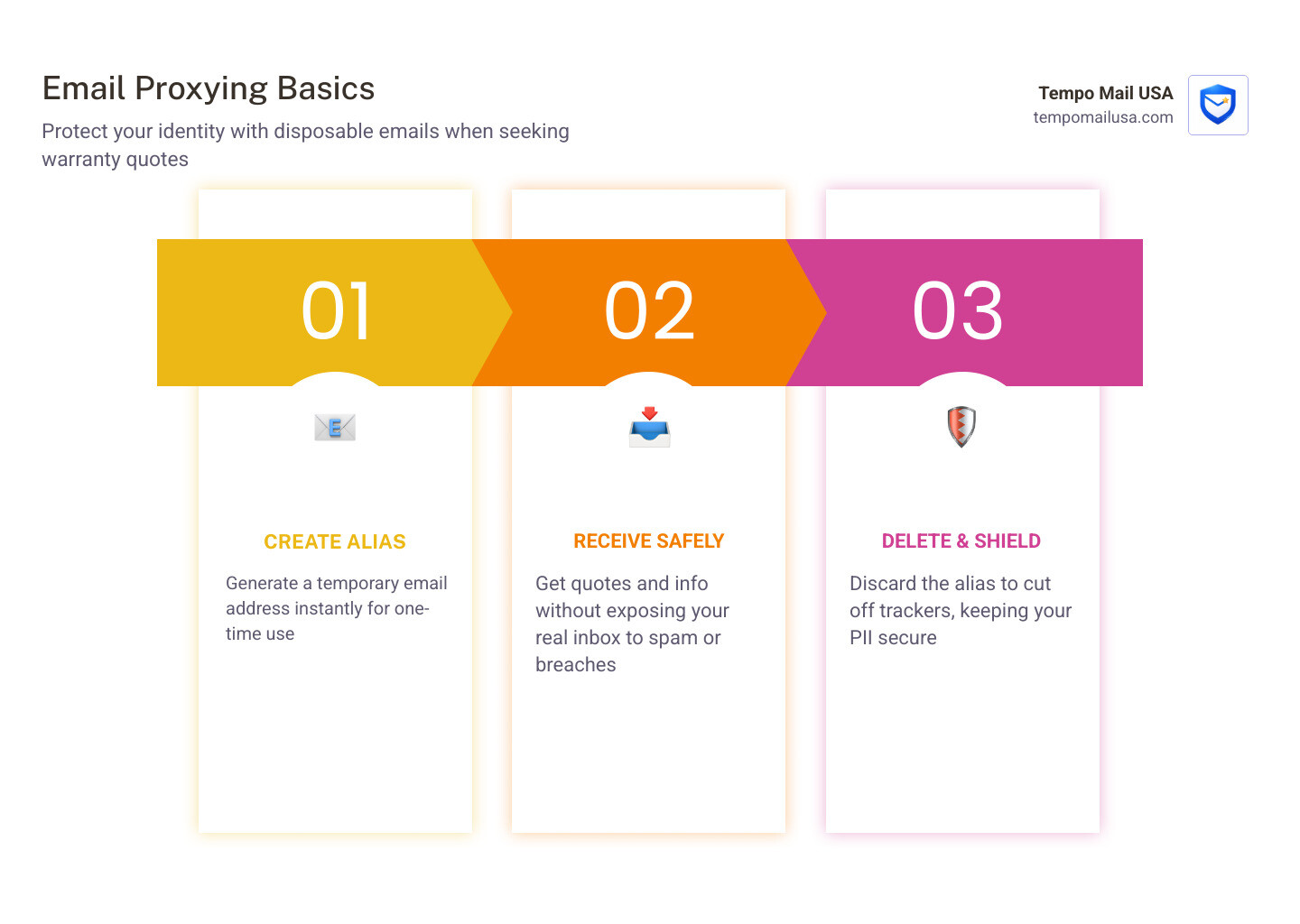
Using a proxy service like ours ensures that your financial and automotive data isn't linked to your permanent digital footprint. This is the "advanced malware protection" for your identity—preventing the threat before it ever reaches your computer or smartphone.
Financial Risks: Is CarShield a Scam or a Data Privacy Nightmare?
Beyond the legal headlines, the financial reality of CarShield is reflected in its Better Business Bureau (BBB) 'F' rating. With over 3,300 complaints in the last three years, the pattern is clear: consumers feel trapped by contracts that are designed to deny claims.
While CarShield is a legitimate business in the sense that they have offices and pay some claims, the structure of the industry often prioritizes profit over protection. This is why many corporations are now turning to cybersecurity insurance and enterprise VPN solutions to protect their broader financial interests, rather than trusting third-party service contracts for their fleets.
| Feature | Vehicle Service Contract (e.g., CarShield) | Cybersecurity Insurance / Financial Protection |
|---|---|---|
| Primary Goal | Mechanical Repair Coverage | Financial Loss & Data Breach Recovery |
| Reliability | Low (High denial rates) | High (Regulated insurance standards) |
| Data Privacy | Poor (Data often sold/shared) | High (Regulated data handling) |
| Trust Factor | BBB 'F' Rating | Industry Standard Compliance |
Frequently Asked Questions about Is CarShield a Scam
Why does CarShield have an 'F' rating with the BBB? The rating is a result of a massive volume of complaints—over 2,645 in three years—concerning misleading sales, difficulty canceling contracts, and denied claims.
What are the most frequent reasons for claim denials? CarShield often cites "pre-existing conditions," "lack of maintenance records," or "non-covered parts" (like a specific bolt or seal that isn't explicitly listed in the contract).
Does CarShield actually pay claims? Yes, they do pay some claims. However, research suggests that the payout ratio is often lower than competitors. For example, in some states, they pay out significantly less of the total claim dollar than other top-rated providers.
Enterprise-Grade Solutions for Protecting Your Automotive and Financial Data
If you are managing a business or simply want the highest level of personal security, you need to look beyond basic consumer tools. Enterprise VPN solutions are vital when accessing financial portals or reviewing sensitive contracts online. These tools provide end-to-end encryption, ensuring that your interaction with any warranty provider isn't intercepted by malicious actors.
Furthermore, secure cloud storage for business is where you should keep your vehicle maintenance logs. As we've seen in the Is CarShield A Rip-Off? discussions, having digital, timestamped proof of every oil change and inspection is often the only way to fight a denied claim.
Essential Security Protocols for Consumers:
- Data Encryption: Never submit financial info to a site without HTTPS and a verified certificate.
- Identity Proxying: Use Tempo Mail USA to prevent your PII from entering marketing databases.
- Multi-Factor Authentication (MFA): Always enable MFA on your banking and automotive portals.
- Secure Tunneling: Use a VPN when shopping for car insurance or warranties on public Wi-Fi.
Frequently Asked Questions about Cybersecurity and Financial Privacy
What are the best identity theft protection services for car owners?
The best services offer triple-bureau credit monitoring, dark web scanning for your VIN and email, and PII removal services. Look for providers that include "white glove" identity restoration in case your data is leaked by a third-party administrator.
How does enterprise VPN solutions protect my financial transactions?
An enterprise-grade VPN creates an encrypted tunnel for your data. This prevents "man-in-the-middle" attacks where hackers intercept your credit card details or login credentials while you are paying your monthly warranty premiums or insurance bills.
Why is data privacy compliance critical when dealing with third-party warranties?
Companies like CarShield handle vast amounts of sensitive data. Data privacy compliance (like GDPR or CCPA) ensures they have a legal obligation to protect your info. If a company isn't transparent about their data sharing, they are a high-risk vendor for your personal information.
Can advanced malware protection prevent automotive-related phishing?
Yes. Advanced malware protection uses behavioral analysis and AI to identify "warranty" phishing emails that contain malicious links or attachments. By filtering these at the gateway, you prevent the initial infection that leads to financial theft.
Conclusion
So, is carshield a scam? Legally, no. Financially and ethically? It's a minefield. With a $10 million FTC settlement and a BBB 'F' rating, the risks are clear. The best way to protect yourself isn't just by reading the fine print of a 30-page contract—it's by securing your digital identity.
At Tempo Mail USA, we believe that your privacy is your best defense. By using our secure identity proxying and PII firewall technology, you can explore the market, get the quotes you need, and keep your real identity safe from the aggressive marketing and data harvesting that defines the third-party warranty industry. Don't let your car's breakdown lead to a total breakdown of your financial privacy.