

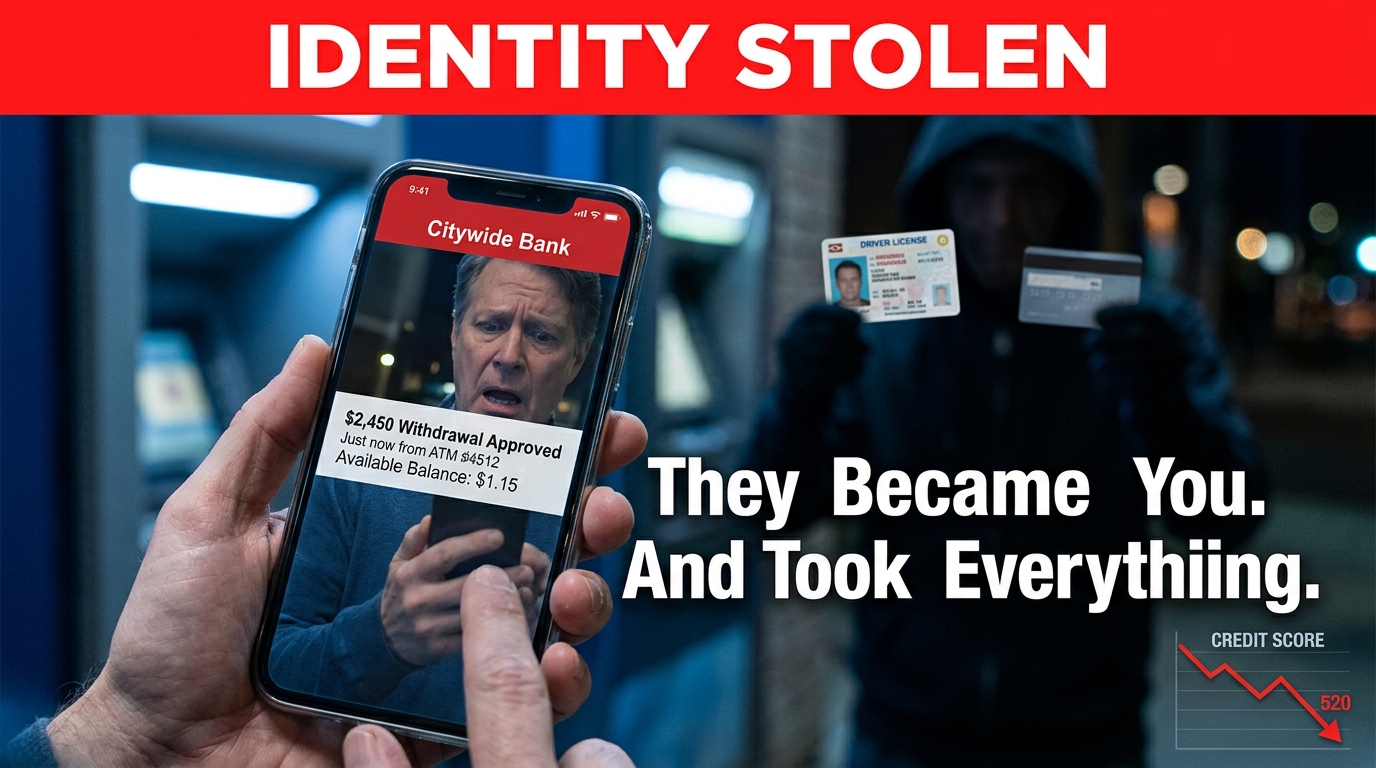

Identity Theft Is More Common Than You Think — Here's How to Stay Protected
To avoid id theft, start with these high-impact steps:
- Freeze your credit at all three bureaus (Equifax, Experian, TransUnion)
- Enable multi-factor authentication (MFA) on every account that supports it
- Use a unique, strong password for each online account
- Shred sensitive documents before disposal
- Monitor your credit reports weekly at AnnualCreditReport.com
- Never share your Social Security number unless absolutely necessary
- Use a temporary or alias email when signing up for third-party services
- Report any suspected theft immediately at IdentityTheft.gov
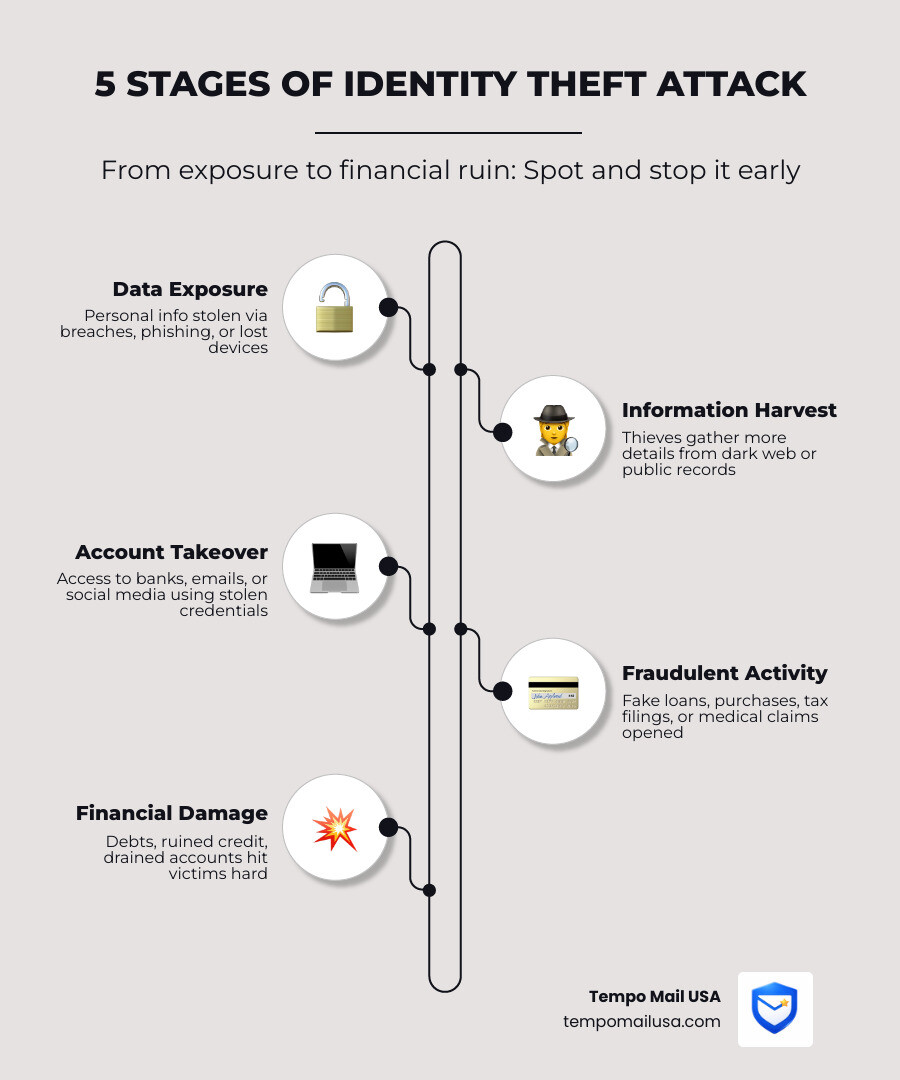
Identity theft happens when someone uses your personal information — your name, Social Security number, or financial account details — without your permission to commit fraud or other crimes.
The scale of the problem in 2026 is hard to ignore. More than a million people reported identity theft to the FTC last year alone. Thieves aren't just stealing wallets anymore. They're filing fraudulent tax returns in your name, opening new credit accounts, using your health insurance for unauthorized medical care, and draining bank accounts — sometimes before you even notice anything is wrong.
What makes this especially unsettling is how quietly it happens. Many victims only discover the damage when they're denied credit, receive an unexpected collection notice, or get a letter from the IRS about a return they never filed.
The good news? Most identity theft is preventable. A combination of smart digital habits, credit monitoring tools, and a little awareness goes a long way. This guide walks you through exactly what to do — both to prevent identity theft before it happens and to respond fast if it does.
Recognizing the Red Flags of Modern Fraud
In our current 2026 landscape, identity thieves have become incredibly sophisticated, but they almost always leave a trail. The key to avoid id theft escalation is catching these breadcrumbs before they turn into a full-scale financial avalanche.

One of the most common warning signs is seeing unrecognized transactions on your bank or credit card statements. Even a "test" charge of $1.00 can indicate that a thief has successfully skimmed your card data. Other red flags include:
- Collection Notices: Receiving calls or letters about debts you don't owe.
- Missing Mail: If your regular bills or bank statements stop arriving, a thief may have filed a fraudulent change-of-address form.
- Medical Billing Anomalies: Receiving a bill for a medical procedure you never had or finding that you've reached your benefit limit unexpectedly.
- Data Breach Notifications: If a company you do business with notifies you of a breach, consider your PII (Personally Identifiable Information) compromised.
To help you decide on the best defensive posture, we’ve put together a comparison of the two primary credit protection tools available to every American.
Credit Freezes vs. Fraud Alerts: Which Do You Need?
| Feature | Credit Freeze | Fraud Alert |
|---|---|---|
| Primary Function | Stops lenders from accessing your credit report to open new accounts. | Notifies lenders they must verify your identity before granting credit. |
| Impact on Score | None. | None. |
| Duration | Permanent until you lift it. | 1 year (can be renewed). |
| Best For | Maximum security; preventing "new account" fraud. | Those who suspect they are at risk but plan to apply for credit soon. |
| Ease of Use | Must be manually "thawed" for each application. | Contact one bureau; they notify the other two. |
How to avoid id theft through early detection
Early detection is your best friend. We recommend checking your credit reports weekly. While federal law traditionally guaranteed one free report per year, the major bureaus (Equifax, Experian, and TransUnion) now offer free weekly online reports via AnnualCreditReport.com.
Beyond credit, keep a sharp eye on your relationship with the government. If you receive an IRS CP2000 notice for "unreported income" from an employer you’ve never worked for, you are likely a victim of employment identity theft. Similarly, check your Social Security wage history annually to ensure no one else is using your SSN to secure a job. For more details on staying ahead of these threats, check out our guide on the Best Identity Theft Protection Services - Top Picks.
Strengthening Your Digital Perimeter Against Phishing
Phishing remains the "gateway drug" for identity thieves. According to recent data, phishing attacks account for over 36% of all data breaches and have increased by 31% year-over-year. These scams arrive via email, SMS (smishing), or phone calls (vishing), often masquerading as a trusted bank, government agency, or even your employer.
To effectively avoid id theft in the digital realm, you must implement a "Defense in Depth" strategy:
- Multi-Factor Authentication (MFA): This is non-negotiable. Microsoft research shows that MFA can prevent over 99% of account compromise attacks. Even if a thief steals your password, they can't get in without that second factor (like a hardware key or an authenticator app code).
- Password Managers: Stop reusing passwords! A password manager allows you to generate and store complex, unique strings for every site. If one site is breached, your other accounts remain secure.
- Public Wi-Fi Encryption: Never access financial accounts on public Wi-Fi without protection. We recommend using a secure tool like NordVPN to encrypt your traffic, preventing "man-in-the-middle" attacks where hackers "sniff" your data in coffee shops or airports.
- Verify, Don't Trust: If you get an urgent email from your bank, don't click the link. Go directly to the bank's official website or call the number on the back of your card.
For a deeper dive into these technical defenses, explore our resources on Email Privacy & Cybersecurity and the official FTC guide on Online Security.
Using a PII firewall to avoid id theft
The most effective way to protect your data is to not give it away in the first place. This is called "Data Minimization." Every time you sign up for a newsletter, a discount code, or a new app, you are expanding your digital footprint. If that company is breached, your primary email address and name end up on the Dark Web.
At Tempo Mail USA, we advocate for a "PII Firewall." By using temporary email aliases for privacy, you create a buffer between your real identity and the services you use.
- Masking Your Inbox: Instead of giving your real email to a random retail site, use a secure alias.
- Stopping Leaks at the Source: If you start receiving phishing emails to a specific alias, you know exactly which company leaked or sold your data. You can simply "delete" that alias, and the threat disappears instantly.
- Breach Recovery: If a service you use is hacked, the hackers only get a proxy email, not your real credentials.
Implementing this habit is one of the smartest ways to protect yourself from data breaches and stop spam and phishing instantly.
Proactive Strategies to avoid id theft Offline and Online
While we spend a lot of time on digital threats, old-school "dumpster diving" and mail theft are still very much alive in 2026. Your physical mailbox is a goldmine for identity thieves looking for pre-approved credit offers or bank statements.
Physical Document Security
To avoid id theft in the "real world," follow these best practices:
- Shred Everything: Use a cross-cut shredder for any document containing your name, address, or account numbers. This includes "junk" mail like credit card solicitations.
- Secure Your Mail: Use a locking mailbox that conforms to USPS regulations. If you’re going on vacation, have the post office hold your mail.
- Limit What You Carry: Leave your Social Security card and Medicare card at home in a secure safe. You rarely need them for daily transactions.
- Ask "Why?": When a doctor's office or business asks for your SSN, ask why they need it, how they protect it, and if you can provide just the last four digits instead.
Digital Hygiene and Social Media
Online, your "oversharing" habits can be a liability. Thieves use social media to find answers to security questions (like your mother's maiden name or the street you grew up on).
- Privacy Controls: Set your accounts to "Private" and only accept requests from people you know in real life.
- Wipe Devices: Before selling or donating an old phone or laptop, use a professional data-wiping tool to ensure your PII isn't recoverable.
- Account Verification: Regularly audit your Account Security Verification & Digital Hygiene to see which apps still have access to your data.
Protecting vulnerable family members and dependents
Identity theft isn't just an "adult" problem. In fact, children and seniors are often targeted because their credit is a "blank slate" or they are less likely to monitor their accounts.
- Child Identity Theft: Thieves use a child's SSN to apply for government benefits or open accounts. Since children don't check their credit until they turn 18, the fraud can go undetected for over a decade. You can contact the credit bureaus to see if a file exists for your child and request a freeze.
- Senior Exploitation: Seniors may be more susceptible to "grandparent scams" or tech support fraud. Help the seniors in your life set up fraud alerts and simplified account monitoring.
- Deceased Individuals: Thieves often scan obituaries to steal the identities of the recently departed. To prevent this, send a copy of the death certificate to the credit bureaus and the IRS immediately.
- The IRS IP PIN: One of the most powerful tools for any family member is the IRS Identity Protection PIN. This 6-digit number prevents anyone else from filing a tax return using your SSN. It is a mandatory firewall for your tax refund.
Immediate Response: What to Do if You Are Targeted
If you suspect you've been hit, don't panic—but do act fast. The first 24 to 48 hours are critical for minimizing financial damage.
- Contact Affected Companies: Call the fraud department of any bank or credit card issuer where you see suspicious activity. Close or freeze those accounts immediately and change your login credentials.
- Report to the FTC: Go to IdentityTheft.gov. This is the official government portal that will help you create a personalized recovery plan. It will even help you pre-fill the necessary affidavits to dispute fraudulent charges.
- Place a Fraud Alert or Freeze: If you haven't already, contact one of the three bureaus (Equifax, Experian, or TransUnion) to place a fraud alert. By law, the bureau you contact must notify the other two.
- File a Police Report: While not always required for every dispute, having a police report can be helpful when dealing with sophisticated cases of "synthetic" identity theft or government benefit fraud.
- Audit Your Online Presence: Change passwords for your email and financial accounts. If you used the same password elsewhere, change those too. This is a great time to evaluate Best Identity Theft Protection Services in the USA to help automate future monitoring.
Frequently Asked Questions about Identity Protection
What is the difference between a credit freeze and a fraud alert?
A credit freeze is the most "aggressive" option; it completely blocks lenders from seeing your credit report, which stops identity thieves from opening new accounts in your name. You must "unfreeze" it manually when you want to apply for a loan. A fraud alert is a "yellow light"—it tells lenders they should take extra steps to verify your identity (like calling you) before issuing credit.
How does an IRS IP PIN protect my tax refund?
The IP PIN (Identity Protection Personal Identification Number) acts as a second password for your Social Security Number at the IRS. Even if a thief has your name and SSN, the IRS will automatically reject any tax return that doesn't include your specific 6-digit IP PIN. This effectively stops "tax refund theft" in its tracks.
Can using a temporary email really prevent identity theft?
Absolutely. Most identity theft starts with a data breach. When you use a temporary email alias from a service like Tempo Mail USA, you are practicing "identity proxying." The website gets a working email address, but they don't get your real email. If that site is hacked, your primary inbox—and the identity linked to it—remains untouched and invisible to the hackers.
Conclusion
As we navigate the complexities of 2026, the responsibility for our data privacy rests largely on our own shoulders. To avoid id theft, you don't need to be a cybersecurity genius; you just need to be more difficult to rob than the next person. By freezing your credit, using MFA, and being cautious about what you share online and offline, you significantly lower your risk profile.
One of the easiest transitions you can make today is adopting a "privacy-first" mindset for your email. Every time you refuse to give out your primary PII, you are building a wall around your financial future. At Tempo Mail USA, we provide the tools to help you maintain that "PII Firewall" without sacrificing convenience.
Stay vigilant, keep your software updated, and remember that protecting your online identity is a marathon, not a sprint. For more tips on staying safe, visit us at tempomailusa.com and take control of your digital footprint today.