



Google Dark Web Report Discontinued: What It Means and Practical Alternatives
When Google retired its Dark Web Report in 2023, lots of people were left wondering what changes for their online safety. This guide walks through why Google pulled the report, how that affects personal data monitoring, and practical alternatives you can use today. As privacy risks keep growing, knowing how the dark web fits into your security picture — and how temporary email tools can help — is more important than ever. We’ll explain realistic steps you can take to limit exposure and recommend the kinds of services that actually help.
Why Was the Google Dark Web Report Discontinued in 2023?
Google’s decision to stop the Dark Web Report came down to feedback from users and operational realities that made the tool less useful over time.
What Were the Main Reasons Behind Google's Shutdown Decision?
Many users wanted clear, practical next steps after receiving a report — guidance the product didn’t consistently deliver. At the same time, the dark web’s landscape kept changing, and keeping a reliable, actionable service required resources and approaches Google chose not to continue. In short: users wanted more than alerts, and Google shifted away from a product that couldn’t meet that need at scale.
How Does the Discontinuation Affect Personal Data Monitoring?
For people who relied on Google’s alerts, the shutdown created a coverage gap. Without that single-source notification, you should consider other tools that offer continuous monitoring, faster alerts, and clearer remediation steps. The good news: an expanding market of dedicated monitoring services and preventive tools can fill that role if you know what to look for.
Knowing how stolen data moves online—especially on the dark web—makes it easier to judge risk and choose protection.
Dark Web Data Breaches: Identity Theft & How Stolen Data Circulates
The dark web sits below the surface of the open web and is reachable only with special software. It’s often used for illegal markets and anonymous activity powered by tools like Tor and cryptocurrencies. As a result, identity theft and large-scale data breaches have found fertile ground there. Research that looks at breaches such as Equifax and Anthem illustrates how stolen names, emails, credit card numbers, Social Security numbers and other personal details are traded across marketplaces and forums. That circulation is why monitoring and preventive steps matter for both individuals and organizations.
Identity Theft and Data Breaches How Stolen Data Circulates on the Dark Web: A Systematic Approach, H Khan, 2025
What Are the Best Alternatives to Google Dark Web Monitoring in 2024?

If you need continuous protection now that Google’s report is gone, several specialist services offer mature monitoring and clearer recovery paths. These tools focus on fast alerts, identity restoration, and actionable guidance — the exact gaps users complained about before.
Choose tools that combine detection with a clear plan for what to do next — not just another alert in your inbox.
Dark Web Monitoring Tools: Detection, Prediction, and Protection
Review papers on the deep and dark web highlight the value of proactive monitoring. Modern solutions use analytics and machine learning to find leaked data early, predict likely risks, and provide evidence that can support law enforcement or recovery efforts. In practice, a good monitoring service offers both detection and practical steps to limit damage.
Unveiling Challenges and Solutions with Intelligence in the Dark and Deep Web, A Tubaishat, 2024
How Do Dedicated Dark Web Monitoring Services Compare?
Dedicated monitoring services typically bundle continuous scans, real-time alerts, identity-theft protection, and recovery support. Below is a simple comparison to help you weigh options:
| Service | Features | Pricing |
|---|---|---|
| LifeLock | Real-time alerts, identity theft protection | $9.99/month |
| Experian IdentityWorks | Comprehensive data monitoring, credit monitoring | $19.99/month |
| IdentityForce | Family plan options, insurance against identity theft | $17.99/month |
Each service has trade-offs in coverage and support. Look for fast alerting, clear recovery help, and coverage that matches your risk level.
Can Temporary Email Services Prevent Dark Web Exposure?
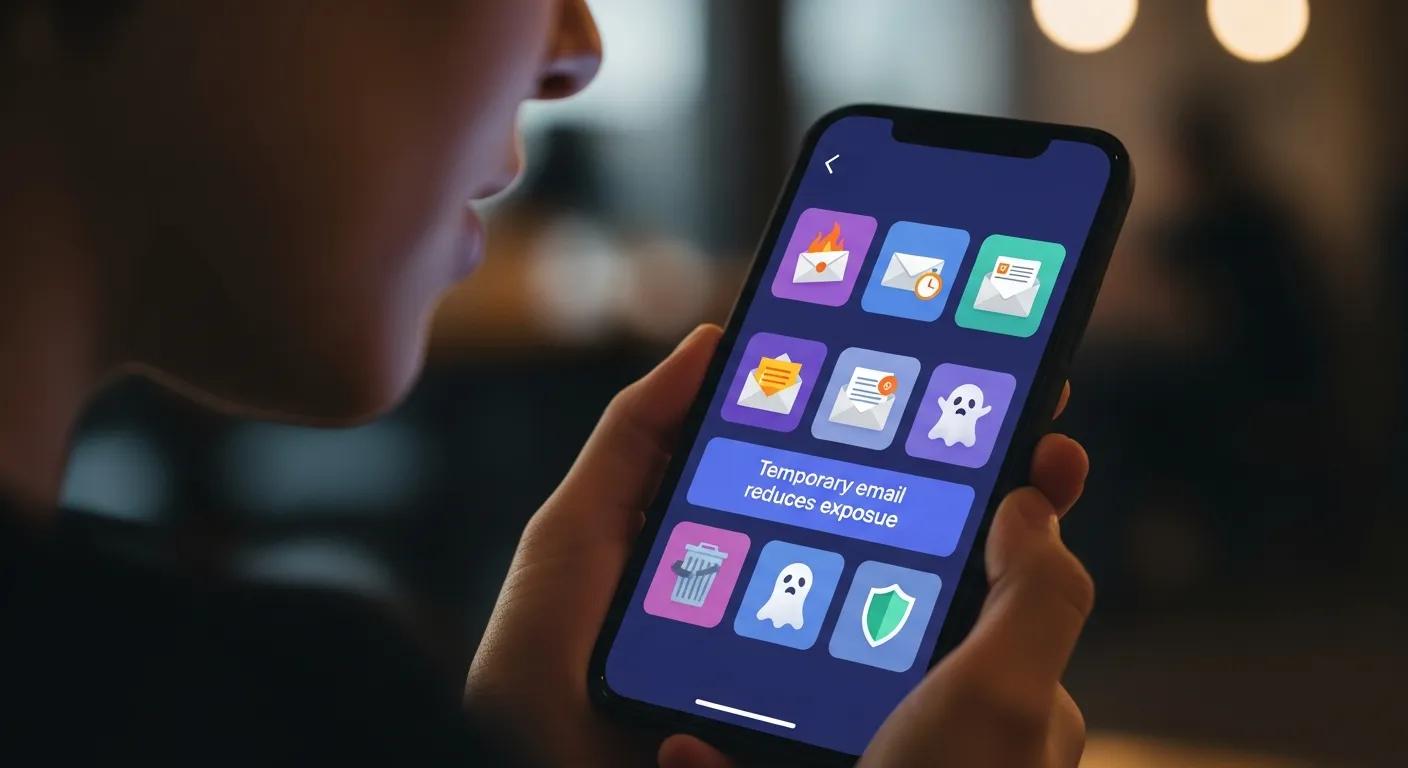
Yes. Temporary email services — including tools like TempoMail — reduce the chance your primary address ends up in breach lists. Disposable addresses keep your main inbox private, cut spam, and limit what attackers can tie back to you.
How Does Temporary Email Protect Personal Data from Dark Web Leaks?
Temporary email is a straightforward, preventive layer that stops many exposure paths before they start.
What Is Temporary Email and How Does It Work?
Temporary email gives you a throwaway address you can use for a short period. Use it when signing up for sites, trials, or services you don’t fully trust. When that temp address expires, any messages or lists tied to it fall away — keeping your main email out of potential leaks.
How Does Using Disposable Email Reduce Data Breach Risks?
Disposable addresses limit how much of your real contact data ends up in company databases or marketing lists. Since a large share of breaches involve exposed email accounts, separating your primary inbox from risky signups reduces the chance your credentials will appear on the dark web.
What Actionable Steps Can Users Take to Protect Their Data Post-Google Report?
After Google’s report ended, you can take several practical steps to keep your accounts safer.
Which Proactive Measures Enhance Online Privacy and Security?
- Use strong, unique passwords: Combine letters, numbers, and symbols and avoid reusing passwords across sites.
- Enable two-factor authentication (2FA): Add a second verification step to prevent unauthorized access.
- Monitor financial and account activity: Check bank and credit accounts regularly for anything unusual.
These basics block most common attacks and limit damage if data does leak.
How Can Identity Proxying and Recovery Keys Improve Data Protection?
Two advanced tools worth considering:
- Identity proxying: Masks your real contact info so services see a proxy address instead of your personal details.
- Recovery keys: Provide a secure, offline way to regain account access if you lose a password or your account is compromised.
Used together, these features help you stay in control even after a breach.
How Do Free Dark Web Scans Compare to Preventative Email Privacy Solutions?
Free scans can be useful for a quick check, but they’re reactive. Preventive tools like disposable email addresses reduce the chances you’ll need a scan in the first place.
What Are the Benefits and Limitations of Free Dark Web Scanning Tools?
Free scans offer basic awareness but have clear limits.
- Benefits:No cost.Simple alerts if your data appears in a scan.
- Limitations:Often lack real-time monitoring or recovery support.Limited scope compared with paid, continuous services.
Why Is Prevention with Temporary Email Often More Effective?
Stopping exposure before it happens is usually more reliable than chasing breaches later. Disposable email reduces your footprint on company databases and marketing lists — lowering the odds your information ends up on the dark web.
| Service Type | Feature | Benefit |
|---|---|---|
| Free Dark Web Scan | Basic alerts | Awareness of potential breaches |
| Temporary Email Service | Disposable addresses | Proactive data protection |
| Paid Monitoring Service | Comprehensive monitoring | Real-time alerts and identity theft protection |
In practice, combine prevention (temporary email) with monitoring (paid or trusted services) for the broadest protection.
Frequently Asked Questions
What are the key features to look for in dark web monitoring services?
Prioritize real-time alerts, identity recovery support, and clear action steps. Look for services that monitor emails and credentials continuously and offer easy-to-follow remediation when they find a problem.
How can I assess the effectiveness of a dark web monitoring service?
Check reviews and independent tests, evaluate response time for alerts, and see whether the service includes identity restoration. Trial periods or guarantees make it easier to test effectiveness without a long commitment.
Are there any free alternatives to dark web monitoring services?
Yes — free scans exist, but they’re limited. They can tell you if data shows up in a snapshot scan, but they usually won’t offer continuous monitoring or recovery assistance.
What should I do if I find my information on the dark web?
Act quickly: change affected passwords, enable 2FA, watch your financial accounts, and consider a fraud alert on your credit report. Professional identity-recovery services can help if you need hands-on support.
How often should I check for dark web exposure?
Regular checks are smart — many people review every few months. Better yet, use a continuous monitoring service so you get alerts automatically rather than relying on manual checks.
Can I use dark web monitoring services for my business?
Absolutely. Businesses benefit from tailored monitoring that watches employee credentials, customer data, and company assets. Choose solutions built for organizations if you need team-wide coverage or regulatory support.
Conclusion
Google’s Dark Web Report may be gone, but you don’t have to be exposed. Combine preventive tools like temporary email with a monitoring service that gives fast alerts and clear recovery help. Small, consistent steps — strong passwords, 2FA, disposable addresses, and ongoing monitoring — deliver the most protection. Ready to take the next step? Explore monitoring options and privacy tools that match your needs and give you real control over your data.