



By Mo Waseem, Cybersecurity Expert
Tailgating in cybersecurity describes a physical security breach where someone without permission slips into a restricted area by following an authorized person. This is a classic social engineering tactic and a real worry for organizations of every size. Below, we clarify what tailgating is, why it matters, and practical steps to stop it. Understanding tailgating helps teams prevent unauthorized access to sensitive spaces, documents, and systems. We’ll also compare tailgating to related tactics and explain how employee training and physical controls work together to reduce risk.
What Is a Tailgating Attack in Cyber Security?
A tailgating attack happens when an unauthorized person follows an authorized employee into a secure area, bypassing access controls. Attackers rely on human behavior—politeness, assumptions, and routine—to blend in. A common example is waiting for someone to badge in, then slipping through the door immediately after. Recognizing how these attacks work is the first step to designing defenses that actually stop them.
How Does Tailgating Differ from Piggybacking?
Although people often use the terms interchangeably, there’s a key difference: tailgating is when an unauthorized person gains entry without the knowledge or consent of the authorized individual. Piggybacking is when an authorized person knowingly lets someone else in—holding the door for a stranger, for example. Distinguishing the two helps organizations set clearer policies and responses for each scenario.
What Are the Common Social Engineering Tactics Used in Tailgating?
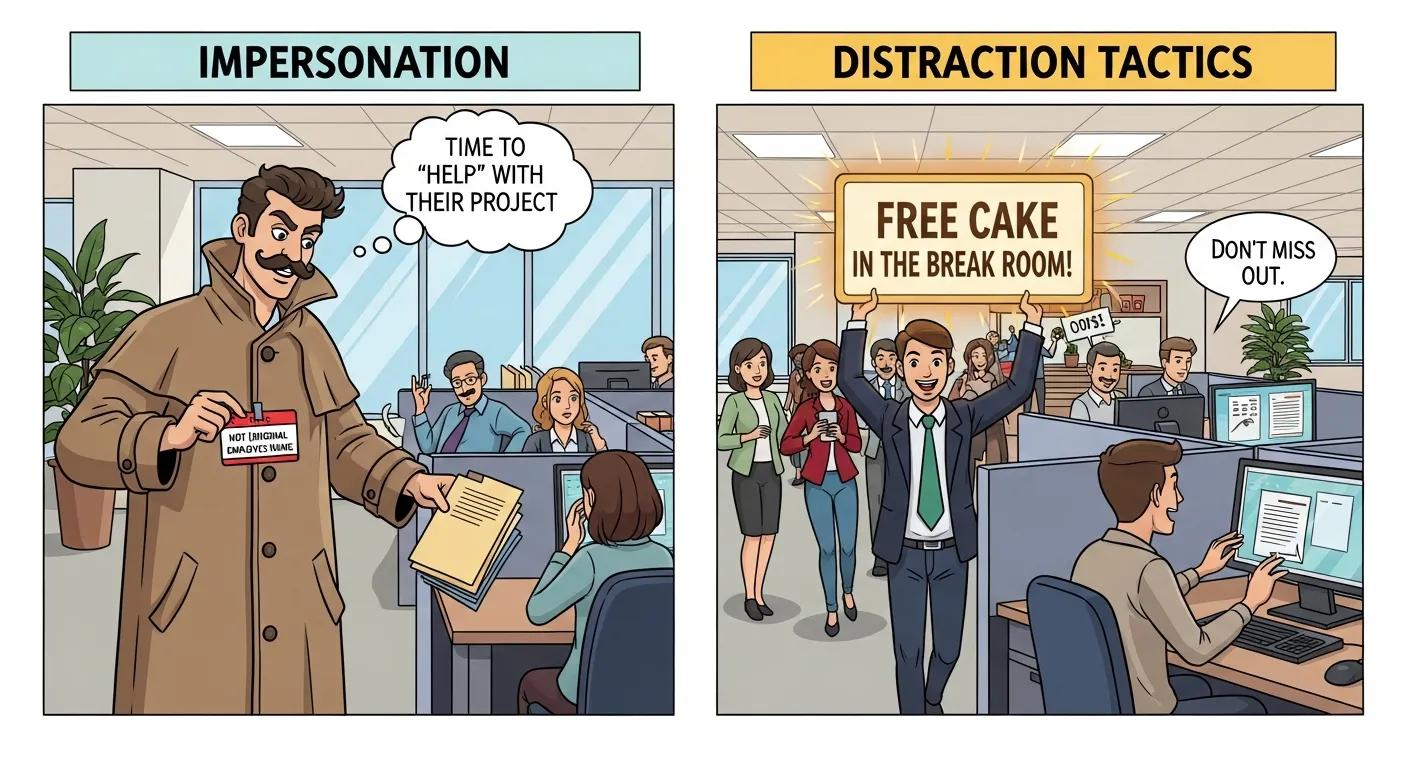
Attackers use familiar social tricks to get inside. Typical tactics include: protect your inbox.
- Impersonation: Pretending to be staff, a contractor, or a delivery driver to lower suspicion.
- Distraction Techniques: Causing a scene or asking questions to divert attention while someone enters.
- Psychological Manipulation: Leveraging social norms—like politeness—to encourage people to hold doors or look away.
When employees know these patterns, they’re far more likely to spot and stop a tailgating attempt before it succeeds.
What Are the Risks and Consequences of Tailgating Attacks?
Tailgating opens the door—literally—to many downstream risks. Once inside, an attacker can access sensitive data, tamper with systems, or install malicious devices. The fallout can include data loss, regulatory penalties, and lasting reputational damage.
How Does Unauthorized Physical Access Lead to Data Breaches?
Physical access removes many technical barriers. An intruder who reaches a secure area can steal documents, plug in malware-laden devices, or access unlocked terminals and servers. Those actions can trigger full-scale data breaches that are costly and time-consuming to remediate.
What Financial and Reputational Damages Can Result from Tailgating?
The costs of a breach tied to physical access go beyond immediate recovery: incident response, legal fees, fines, and customer remediation add up quickly. Public disclosure of a breach also harms trust—customers and partners may rethink their relationship with an organization that failed to protect its premises.
How Can Physical Security Measures Prevent Tailgating?
Layered physical controls make tailgating much harder. Combine access hardware, process controls, and human oversight to close the gaps attackers exploit.
What Are Effective Access Control Systems Against Tailgating?
Strong access systems include:
- Keycard Entry Systems: Enforce individual credentials for entry and log access events.
- Turnstiles: Permit one person at a time, physically preventing someone from slipping through.
- Mantraps: Two-door airlocks that confirm a single authorized person before granting access to the next area.
- Biometric Scanners: Fingerprint or facial recognition adds a higher-assurance check that’s hard to bypass.
Using these controls where appropriate reduces opportunities for unauthorized entry.
How Do Security Personnel and Surveillance Enhance Physical Security?
Human and camera oversight are powerful deterrents. Trained security staff can challenge suspicious behavior, while cameras provide both real-time awareness and a forensic record after an incident. Together they help detect attempts early and support investigations when breaches occur.
What Role Does Employee Security Awareness Training Play in Tailgating Prevention?
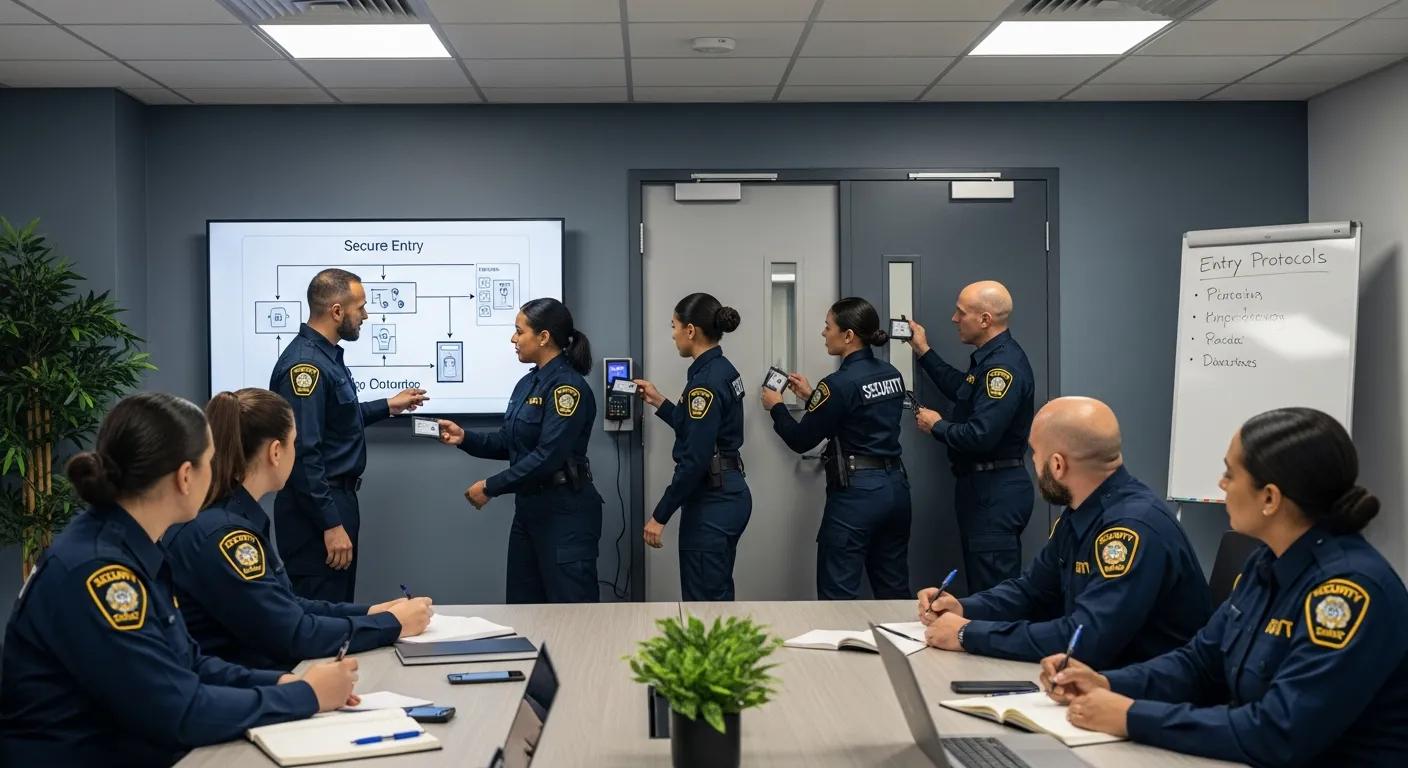
People remain the most important line of defense. Regular, practical training equips staff to notice and respond to tailgating attempts and other social engineering threats.
Which Training Methods Improve Employee Vigilance Against Tailgating?
Effective programs use a mix of approaches:
- Workshops and Seminars: Hands-on, scenario-based sessions that show what real attempts look like.
- E-Learning Modules: On-demand courses that reinforce key behaviors and policies.
- Regular Drills: Simulated tailgating tests that let employees practice stopping or reporting an incident.
Combining these methods builds muscle memory and confidence across the team.
How Does a Strong Security Culture Reduce Social Engineering Risks?
A security-first culture encourages employees to follow protocols and to speak up when something feels off. When people feel supported for asking questions or challenging unknown visitors, the organization becomes resilient to manipulation—and attackers lose their easiest targets.
How Does TempoMailUSA’s Temporary Email Service Help Mitigate Tailgating Risks?
TempoMailUSA’s temporary email offering can reduce the personal data attackers use to build convincing pretexts. Less exposed information makes it harder for social engineers to impersonate staff or craft believable stories used in physical intrusion attempts.
How Does Reducing Digital Footprint Lower Social Engineering Attack Surface?
When employees limit what’s publicly available—using disposable emails for registrations, for example—attackers have fewer details to exploit. That reduces the odds an attacker can convincingly impersonate someone to gain physical access.
Can Temporary Email Prevent Pretexting in Physical Security Breaches?
Temporary email isn’t a silver bullet, but it helps. By minimizing online traces, employees make pretexting harder: an attacker with limited information is less likely to mount a credible approach to staff or security.
Mo Waseem's Expert Take: Beyond the Basics
As a cybersecurity expert, I've seen firsthand how easily even well-protected organizations can fall victim to social engineering tactics like tailgating. It's not just about technology; it's about fostering a culture of vigilance and empowering every employee to be a frontline defender. My advice? Don't just implement controls—test them, train on them, and constantly reinforce the message that security is everyone's responsibility. A proactive, human-centric approach is the ultimate deterrent.
— Mo Waseem
Frequently Asked Questions
What are the signs of a potential tailgating attempt?
Watch for people loitering near entry points, individuals without visible credentials, or anyone who seems overly eager to enter without following access procedures. Distraction tactics—someone creating a scene or asking odd questions—can also signal an attempt. If something feels off, report it to security.
How can organizations assess their vulnerability to tailgating?
Start with a security audit that reviews access controls, visitor policies, and staff training. Run simulated tailgating tests to see how employees and systems respond, and collect feedback to pinpoint weak spots. Regular assessments keep defenses aligned with changing risks.
What role does technology play in preventing tailgating?
Technology strengthens physical security through reliable access control, biometric checks, and integrated surveillance with real-time alerts. Alarms and analytics can flag unusual entry patterns, helping teams respond before an incident escalates. Technology works best when paired with policy and people.
How often should organizations conduct security training related to tailgating?
At minimum, run training annually—but more frequent refresher sessions, scenario drills, and updates after policy changes keep awareness high and help employees internalize safe behaviors.
What should employees do if they suspect a tailgating attempt?
Report concerns immediately to security or a supervisor. Stay calm and avoid direct confrontation if it could be unsafe. When appropriate, politely ask the person for identification or the purpose of their visit and escort them to reception. Quick reporting lets security act before unauthorized access causes harm.
Can tailgating occur in virtual environments?
Yes—while tailgating usually refers to physical entry, similar social engineering techniques appear online. Phishing or impersonation can let attackers “follow” trusted communications to access systems or data. Training and layered defenses should address both physical and digital social engineering risks.
Conclusion
Tailgating is a straightforward but effective way attackers gain entry—and its impacts can be serious. As a cybersecurity expert, I emphasize that the best defense combines robust physical controls, clear policies, and ongoing employee training. Tightening access systems, encouraging a security-aware culture, and reducing unnecessary data exposure all help protect your people, property, and information. Start with small, practical steps today to strengthen your organization’s security posture and make tailgating far less likely.