



Tailgating in physical security happens when someone without authorization slips into a restricted area by following closely behind an authorized person. It’s a straightforward tactic — but one that can cause major problems, from data theft to physical harm. This article breaks down what tailgating looks like, common techniques used by intruders, the role social engineering plays, how tailgating differs from piggybacking, and practical prevention steps organizations can take. Armed with these basics, teams can harden their sites and reduce avoidable risk.
What Is Tailgating in Physical Security? Definition and Common Methods
Tailgating is the act of gaining access to a secured space by closely trailing an authorized person through an entry point. It relies on everyday social habits and assumptions — people holding doors open or not questioning another person who appears to belong. Typical methods include slipping in right after someone swipes an access card, following a group through a door, or using quick distractions to avoid notice.
How Does Tailgating Occur? Typical Scenarios and Techniques
Tailgating most often happens in busy settings where people are focused on getting where they need to go. In offices, an intruder might linger near a turnstile or card reader and enter immediately after an employee. Other techniques use diversion: asking for directions, dropping items, or posing as a delivery or maintenance worker to encourage someone to let them through. Those everyday moments of courtesy are exactly the gaps attackers exploit — which is why awareness matters.
What Is the Role of Social Engineering in Physical Tailgating?

Social engineering is often the backbone of successful tailgating. Attackers rely on persuasion — friendly chat, plausible uniforms, or urgent stories — to encourage staff to bend rules. A person pretending to be a courier or a technician can use believable details to lower suspicion. Recognizing these tactics lets organizations design training that teaches staff how to verify identities and respond without being rude or confrontational.
How Does Tailgating Differ from Piggybacking? Key Distinctions Explained
Tailgating and piggybacking both result in unauthorized entry, but the difference is consent. Tailgating is when the authorized person is unaware that someone slipped in behind them. Piggybacking is when an authorized person knowingly lets someone through — intentionally granting access to a visitor who lacks credentials.
What Is Piggybacking in Physical Security?
Piggybacking occurs when an employee or visitor intentionally allows another person to enter a secure area with them, often to be polite or because they assume the person belongs. Examples include holding a door open for someone who claims to be a colleague or escorting a friend into a building without checking their credentials. Even well-meaning actions like these create security gaps if the newcomer isn’t authorized.
How to Identify Authorized Consent in Access Breaches?
Spotting whether access was authorized requires clear protocols and employee awareness. Organizations should define what counts as legitimate accompaniment and train staff to verify unfamiliar faces. Visual IDs, badge checks, and a culture that supports polite verification help. When everyone understands the rules, it becomes easier to distinguish genuine consent from risky behavior.
What Are the Physical Security Tailgating Risks? Impact on Organizations
Consequences from tailgating can be severe. Unauthorized access may lead to stolen data, equipment theft, physical harm, or sabotage. Beyond immediate losses, breaches can trigger costly recovery, regulatory penalties, and long-term reputational damage. Treating tailgating as a real threat helps prioritize sensible prevention measures.
How Can Tailgating Lead to Data Breaches and Theft?
Tailgating can directly enable data breaches when an intruder accesses areas where sensitive information or systems are stored. For example, an unauthorized person in a server room or records area can copy data, plant devices, or remove hardware. Studies show a meaningful share of security incidents start with physical access failures, underscoring the need for layered defenses.
What Are the Financial and Compliance Consequences of Tailgating?
The financial fallout from a tailgating-related incident can include fines, legal costs, system restoration, and business interruption. If regulated data is exposed, organizations may face penalties under laws like GDPR or HIPAA. Beyond direct costs, customers and partners can lose trust — making prevention both a legal and business priority.
How To Prevent Tailgating? Effective Anti-Tailgating Solutions and Strategies
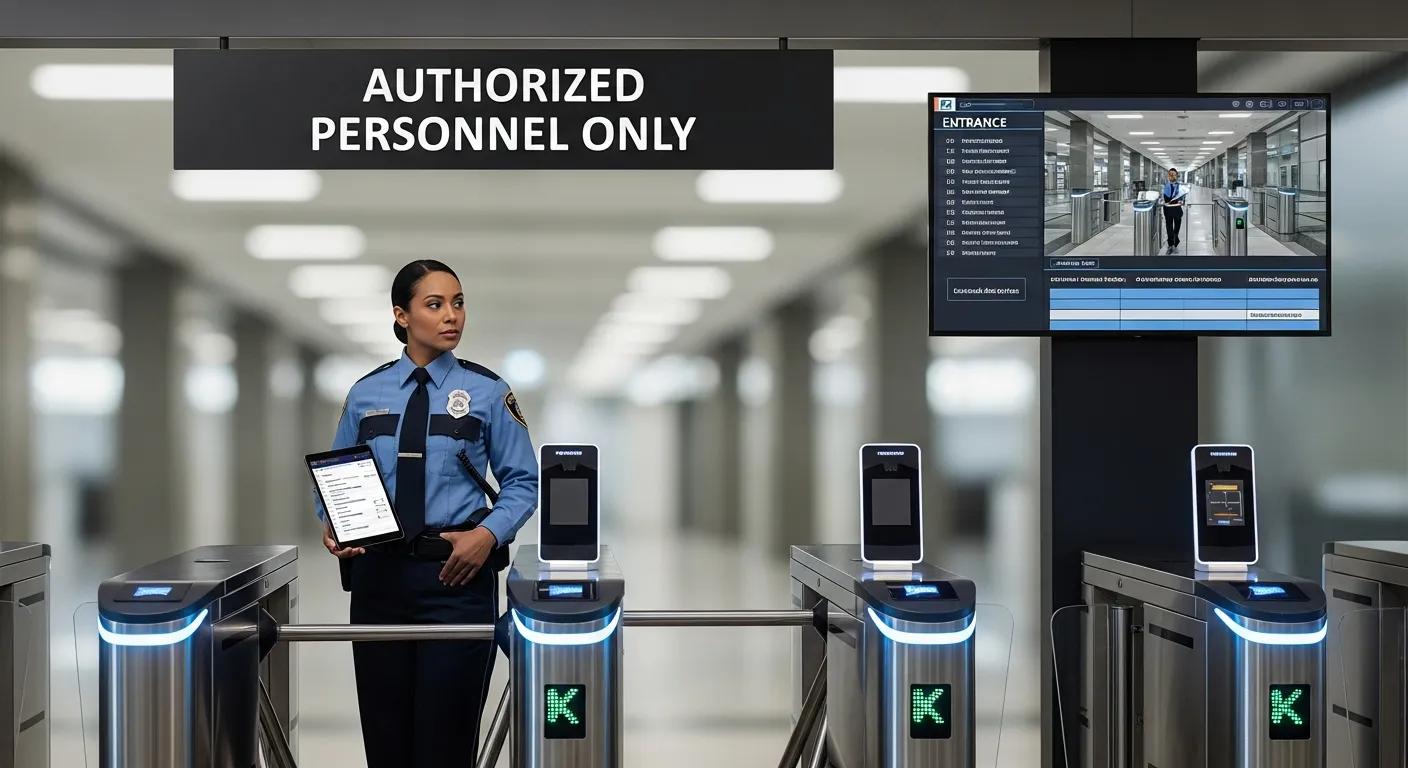
Stopping tailgating takes a mix of physical controls, thoughtful processes, and people-focused training. No single measure is foolproof; layered controls and clear expectations create the strongest defense. Below are practical measures that balance security with day-to-day operations.
What Physical Access Control Systems Help Stop Tailgating?
Several access-control options reduce tailgating risk. Turnstiles and single-person gates control flow and prevent groups from entering at once. Biometric readers tie access to unique traits like fingerprints or facial recognition. Mantraps — two-door entry systems — ensure only verified individuals move through. Choosing the right combo depends on budget, traffic, and the level of protection required.
How Does Employee Training Reduce Tailgating Risks?
Training turns technology into effective protection. Regular, scenario-based training helps staff spot suspicious behavior, verify identities politely, and escalate concerns. Role-playing and short refreshers reinforce habits like checking badges and not holding doors for unknown people. When employees feel supported by clear policies, they’re more likely to act consistently.
How Does Access Control Tailgating Prevention Work? Technologies and Best Practices
Access control systems form the practical backbone of tailgating prevention. When paired with policies and monitoring, these technologies help enforce single-person entry and trace who accessed sensitive spaces. Best practices include regularly reviewing access rights, maintaining hardware, and integrating alarms with monitoring teams.
What Are the Roles of Turnstiles, Biometrics, and Mantraps?
Each control serves a purpose: turnstiles enforce one-at-a-time passage, biometrics verify identity with low risk of credential sharing, and mantraps create a controlled checkpoint where individuals are authenticated before proceeding. Used together, they reduce the chance that an unauthorized person can slip through unnoticed.
How Do Security Personnel and Surveillance Enhance Prevention?
Security staff and cameras strengthen technical controls. Trained personnel can intervene when behavior looks suspicious, assist with verification, and respond to alarms. Surveillance systems act as both a deterrent and an investigative tool, providing footage to review incidents and improve procedures.
How Can Digital Footprint Reduction Support Physical Tailgating Prevention?
Reducing what attackers can learn about employees online makes social engineering harder. If less personal information is publicly available, it’s more difficult for an attacker to craft convincing stories or impersonate someone the staff would trust.
What Is the Connection Between Social Engineering and Physical Access?
Social engineering often begins with information gathered from social profiles, company pages, or online directories. Attackers use those details to appear legitimate and trigger helpful responses. Encouraging staff to limit publicly visible personal details and to be cautious with verification requests helps close that gap.
How Does Using Temporary Email Services Like TempoMailUSA Help?
Temporary email services such as TempoMailUSA reduce exposure during online sign-ups and limit phishing risk. Disposable inboxes can prevent spam and help stop attackers from collecting usable contact details. As part of a broader privacy strategy, these tools reduce the information available to someone planning a social-engineering attack that could lead to tailgating.
| Access Control System | Description | Benefits |
|---|---|---|
| Turnstiles | Physical gates that allow one person through at a time | Controls traffic flow and discourages multiple people entering together |
| Biometric Scanners | Readers that verify identity using unique biological traits | Reduces shared-credential risk and improves authentication accuracy |
| Mantraps | Two-door entry areas that authenticate occupants before release | Adds a controlled verification step for higher-security spaces |
Combining these systems with policy, training, and monitoring significantly lowers the chance of successful tailgating and strengthens overall site security.

To sum up, understanding how tailgating works — and taking layered, practical steps to stop it — helps organizations protect people, data, and assets. Start with clear policies, reinforce them with training, and back them up with appropriate access-control technology.
Frequently Asked Questions
What are the signs that someone may be attempting to tailgate?
Watch for people lingering near entry points, trying to match their pace to someone entering, or creating distractions like asking for directions. Hesitant behavior, carrying suspicious items to block badge readers, or wearing unofficial uniforms can also be red flags. Train staff to trust their instincts and report anything that feels off.
How can organizations create a culture of security awareness among employees?
Build awareness through short, regular training sessions, clear policies, and open communication. Share real incidents (anonymized) to make risks relatable, recognize employees who report problems, and make verification feel routine rather than confrontational. A culture that rewards vigilance is more effective than one that relies on punishment.
What role does technology play in preventing tailgating incidents?
Technology provides reliable controls: turnstiles, biometrics, mantraps, alarms, and cameras all limit opportunities to tailgate. But technology works best when combined with procedures and trained staff who know how to respond to alerts and suspicious behavior.
Are there specific industries more vulnerable to tailgating incidents?
Industries that handle sensitive data or have high foot traffic are more exposed — financial services, healthcare, tech, research labs, and large corporate campuses are common examples. Any environment with valuable assets or dense access points should prioritize anti-tailgating measures.
How can organizations assess their vulnerability to tailgating?
Conduct a security audit that reviews entry points, access procedures, visitor handling, and staff behavior. Simulate tailgating scenarios, inspect access control hardware, and consider a third-party assessment to spot blind spots. Repeat assessments regularly as staff and layouts change.
What are the legal implications of tailgating incidents for organizations?
If tailgating leads to a breach of regulated data, organizations may face fines, lawsuits, and reporting obligations under laws like GDPR or HIPAA. Beyond legal exposure, breaches can damage reputation and customer trust. Preventive measures and documented compliance efforts help mitigate both legal and business risks.
Conclusion
Tailgating is a simple tactic with big consequences — but it’s also manageable. By combining clear policies, regular training, and practical access controls, organizations can greatly reduce the likelihood of unauthorized entry. Start with small, consistent steps: review access rules, train staff on polite verification, and invest in the controls that fit your environment. A proactive approach keeps people and data safer.