



Stop Unwanted Spam Calls Now
Spam calls are more than a nuisance — they raise real concerns about privacy and fraud. Knowing what a "potential spam" label means and how carriers flag these calls helps you decide when to pick up, block, or report a number. Below we explain how detection works, why robocalls and spoofing make the problem worse, and practical steps you can take today. We’ll also cover how a disposable email service like TempoMailUSA can reduce your exposure to the data leaks that often start the spam cycle.
What Does 'Potential Spam' Mean on Your Phone?
When your phone shows "potential spam," your carrier or a call‑filtering service has flagged the incoming number as likely unwanted. That label is a warning — not a guarantee — based on patterns, reports and reputation data. Treat it as a cue to be cautious: you can let it go to voicemail, screen the caller, or block the number if it looks suspicious.
How Do Mobile Carriers Identify Potential Spam Calls?
Carriers combine a few tools to spot likely spam: caller‑ID databases, reports from users, and automated systems that analyze calling patterns. Machine‑learning models look for signs like high call volumes from a single source, short call durations, or known scam numbers. Over time, carrier systems learn which behaviors usually mean the call is unwanted and flag similar future calls.
What Are the Differences Between Spam Risk and Scam Likely Labels?
Different labels communicate different levels of concern. "Spam risk" usually points to telemarketing or nuisance calls, while "scam likely" indicates a higher chance of fraud. Use these labels to prioritize caution: answer trusted contacts, send unknown numbers to voicemail, and block repeat offenders.
Why Am I Getting So Many Potential Spam Calls?
There are a few drivers behind the rise in flagged calls. More personal data is available to marketers and fraudsters than ever before. Data leaks and lists sold by brokers give callers a steady supply of phone numbers. Combined with automated calling tools, that creates a flood of unwanted calls for many people.
How Do Data Leaks and Data Brokers Contribute to Spam Calls?
When services or databases get exposed, phone numbers and email addresses can end up in broker lists that telemarketers and scammers buy. That’s how a single breach can trigger waves of unsolicited calls. Limiting where you share your primary email and using disposable addresses for sign‑ups can help reduce your footprint and cut down on follow‑up calls.
Research highlights the real risk from data collection and leaks — the kind of exposure that fuels spam and unwanted outreach.
Protecting User Data & Preventing Leaks in Communication Systems
This research examines how user data flows through modern communication systems and why protecting that information matters. It outlines how stationary and mobile devices exchange data with digital services, the basic principles of secure data handling, and the ways large tech companies gather information from communication devices.
Research of potential data leaks in information and communication systems, О Zadereyko, 2022
What Role Does Spoofing Play in Potential Spam Calls?
Spoofing lets callers fake the number that appears on your screen, making fraudsters look like a local business or a number you already know. That makes it harder to trust caller ID alone. When you get a suspicious call from a familiar number, hang up and call back using a number you trust from your contacts.
What Are Robocalls and How Do They Relate to Potential Spam Calls?
Robocalls are automated calls that use pre‑recorded messages. They’re a common form of spam because they let scammers and telemarketers reach thousands of people quickly. Many robocalls get flagged as potential spam because of their automated, repetitive nature.
What Types of Robocalls Should You Watch Out For?
Watch for telemarketing pitches, scam attempts that ask for money or personal details, and intrusive political messages. While some political calls are legal, others can still be unwanted. If the call pressures you for information or payment, treat it as suspicious and hang up. fraud.
How Does Spoofing Affect Robocall Identification?
Spoofing makes automated calling campaigns harder to track because the displayed number may be stolen or forged. That’s why carriers and blocking apps look at calling behavior and reputation, not just the number shown on your screen.
How Can You Block Potential Spam Calls Effectively?

Blocking works best when you combine tools: carrier filters, trusted third‑party apps, and a few personal rules for handling unknown calls. Below are practical steps to reduce interruptions and protect your information.
What Are the Best Call Blocking Apps and Carrier Tools?
Popular apps like Truecaller and Hiya help ID and block likely spam. Many carriers also include built‑in spam protection you can turn on. Try a combination: carrier filtering for broad protection plus an app for extra cleanup and manual blocking of repeat numbers.
How Does Using a Temporary Email Service Like TempoMailUSA Help Reduce Spam Calls?
Disposable email addresses limit how often your real inbox appears in data lists. TempoMailUSA gives you short‑term addresses for sign‑ups and one‑time confirmations, which reduces the chance your primary email (and linked phone number) gets leaked or sold. TempoMailUSA notes that "most spam calls start with a leaked email address" — cutting that exposure makes a big difference.
What Are the Risks of Answering Potential Spam Calls?
Picking up a spam call can open the door to phishing, identity theft, and financial fraud. Scammers use social pressure and deceptive tactics to extract information or payments. When in doubt, hang up and verify independently.
How Can Answering Spam Calls Lead to Identity Theft?
Scammers often try to trick you into sharing personal details like Social Security numbers or bank account info. Even a small piece of data can be used to impersonate you. Staying silent and reporting suspicious calls helps protect your identity.
What Is Voice Cloning and How Does It Relate to Spam Calls?
Voice‑cloning tech can mimic familiar voices, making scam calls feel more convincing. If a caller sounds like someone you trust but the conversation is unexpected or asks for money, pause, verify their identity through another channel, and don’t act on emotion alone.
How to Report Spam Calls and Use Additional Protection Measures?
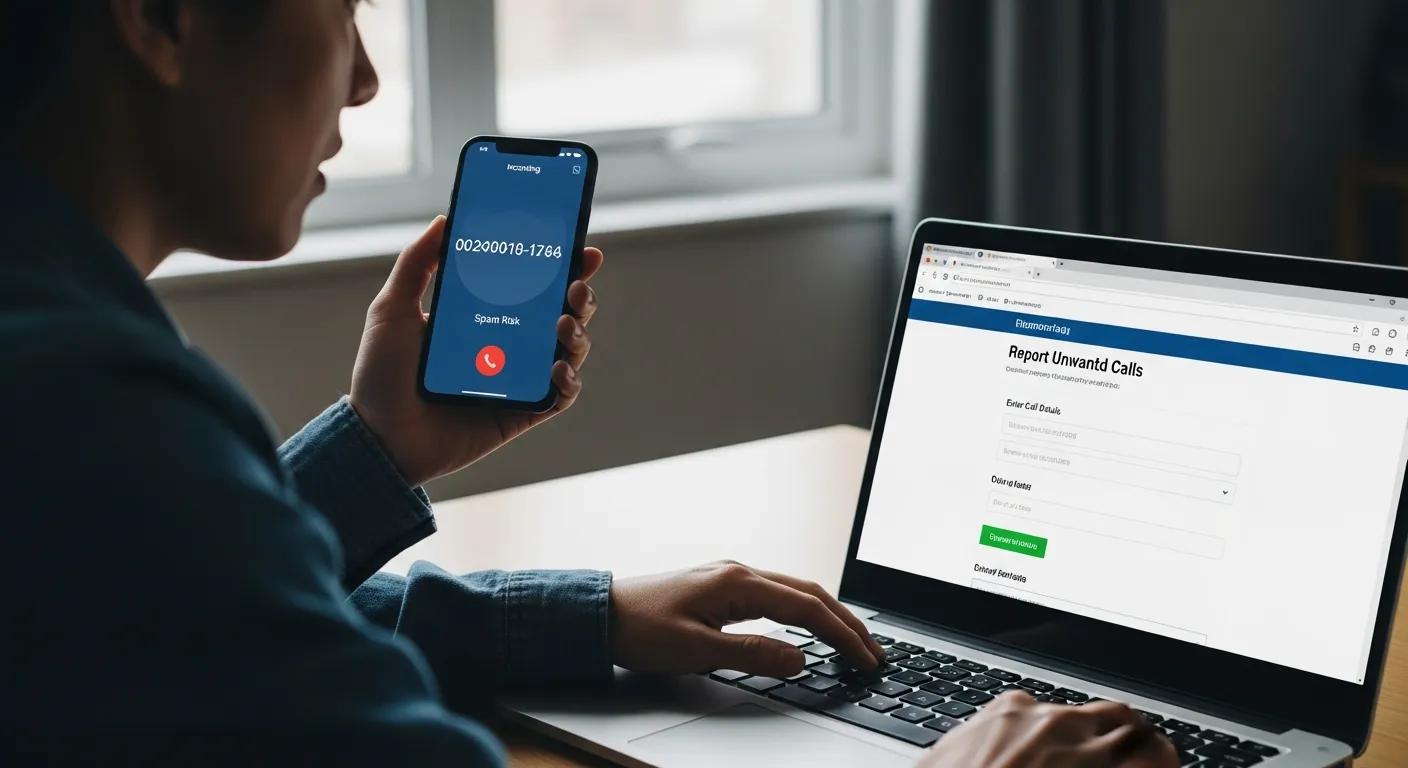
Reporting helps carriers and regulators track bad actors. Filing complaints and sharing details of suspicious calls makes detection systems smarter and protects other people from the same scams.
How Do You Report Spam Calls to Authorities and Carriers?
Report unwanted calls to your carrier using their spam reporting tools, and file a complaint with the Federal Trade Commission (FTC). Many carriers also accept spam reports through their apps or by forwarding the suspicious SMS to a short code — check with your provider for specifics.
What Is the Effectiveness of the National Do Not Call Registry?
The National Do Not Call Registry reduces calls from legitimate telemarketers but can’t stop scammers or illegal callers who ignore the rules. It helps, but it’s only one part of a broader set of protections you should use.
Frequently Asked Questions
What should I do if I accidentally answer a potential spam call?
Stay calm and don’t share personal or financial details. If the caller asks for sensitive information, hang up. Then block the number and report it to your carrier or the FTC to help prevent others from getting the same call.
Can potential spam calls lead to financial loss?
Yes. Some spam calls are designed to trick you into sending money or revealing account info. Never provide financial details to an unexpected caller, and avoid rush decisions pressured by threats or limited‑time offers.
How can I educate others about the risks of spam calls?
Talk about real examples, share simple safety tips, and recommend blocking and reporting tools. Encourage friends and family to use call filters and temporary emails, and point them to trusted resources on how to spot scams.
Are there legal actions against companies making spam calls?
Yes. The Telephone Consumer Protection Act (TCPA) and Do Not Call rules offer legal avenues against unlawful telemarketing. Consumers can file complaints with the FTC or state attorneys general, and in some cases pursue legal action for violations.
What technology is being developed to combat spam calls?
New tools include improved caller‑ID frameworks, AI‑driven detection models, and network‑level authentication systems that make spoofing harder. These solutions analyze calling patterns and reputation to block bad calls before they reach you.
How can I protect my personal information from being leaked?
Use strong, unique passwords, enable two‑factor authentication, and think twice before sharing your email or phone number. Use disposable emails for online sign‑ups and periodically review privacy settings on your accounts.
What should I do if I receive a call from a number I recognize but suspect is spam?
Hang up and call the number back using the contact info you already have saved — don’t call the number shown on the incoming call. If it was spam, block it and report the incident to your carrier.
Conclusion
Understanding what "potential spam" means and how calls get flagged gives you the power to handle them safely. Use carrier filters, reputable blocking apps, and tools like TempoMailUSA to reduce your exposure. Stay cautious, report suspicious callers, and you’ll cut down on interruptions and the risk of fraud. Take a few simple steps now to make your phone far less inviting to scammers.