



Spot and Stop Debt-Collection Scams
The Unifin text scam involves fraudsters impersonating a legitimate debt collection agency, Unifin, to deceive individuals into divulging money or personal information. These scams exploit urgency and fear, often leveraging stolen data to appear credible. This guide provides essential strategies to identify, prevent, and respond to such fraudulent debt collection attempts.
What is the Unifin Text Scam and How Can You Recognize It?
The Unifin text scam uses messages that look like they come from a real debt collection agency named Unifin. Scammers rely on urgency and fear to push people into acting before they check the facts. Learning the typical signs makes it much easier to avoid financial loss.
Who is Unifin and What is Their Role in Debt Collection?
Unifin is a legitimate financial-services company based in Mexico that offers factoring, leasing, and debt-collection services. Scammers sometimes misuse their name to make fake messages seem real. Knowing what a genuine Unifin communication looks like — and that you can verify claims through official channels — helps you tell real notices from fakes. Legitimate collectors should clearly identify themselves and give ways to confirm the debt.
What Are the Common Signs of a Unifin Text Scam?
Spotting a Unifin text scam becomes easier once you know what to watch for. Common red flags include:
- High-pressure language: The message demands immediate action or threatens dire consequences to force a quick response.
- Requests for sensitive data: Legitimate collectors rarely ask for Social Security numbers, full bank details, or passwords over text.
- Odd or unfamiliar sender info: Check the number or sender ID. Legitimate firms typically use recognizable numbers or official short codes — not random personal numbers.
Recognizing these clues helps you pause and verify before responding.
How Do Data Breaches Contribute to Unifin Text Scams and Identity Theft?
Data breaches expose names, emails, phone numbers, and other details that scammers reuse to make texts look authentic. Understanding how scammers gather and use that data is key to preventing fraud.
How Do Scammers Obtain Personal Information for Text Scams?
- Phishing: Fake emails or texts that trick people into entering credentials or personal details.
- Social engineering: Scammers manipulate people into revealing confidential information.
- Public sources: Information scraped from social media, public records, or leaked databases.
These methods show why limiting what you share online and keeping accounts secure matters.
What is the Connection Between Data Leaks and Phishing Attempts?
When a breach exposes personal details, scammers can craft phishing texts that look much more convincing — using real names, account numbers, or other facts. After big leaks, phishing campaigns often spike. Staying alert and updating passwords after a breach lowers your risk.
How Can Temporary Email Services Help Prevent Unifin Text Scams?
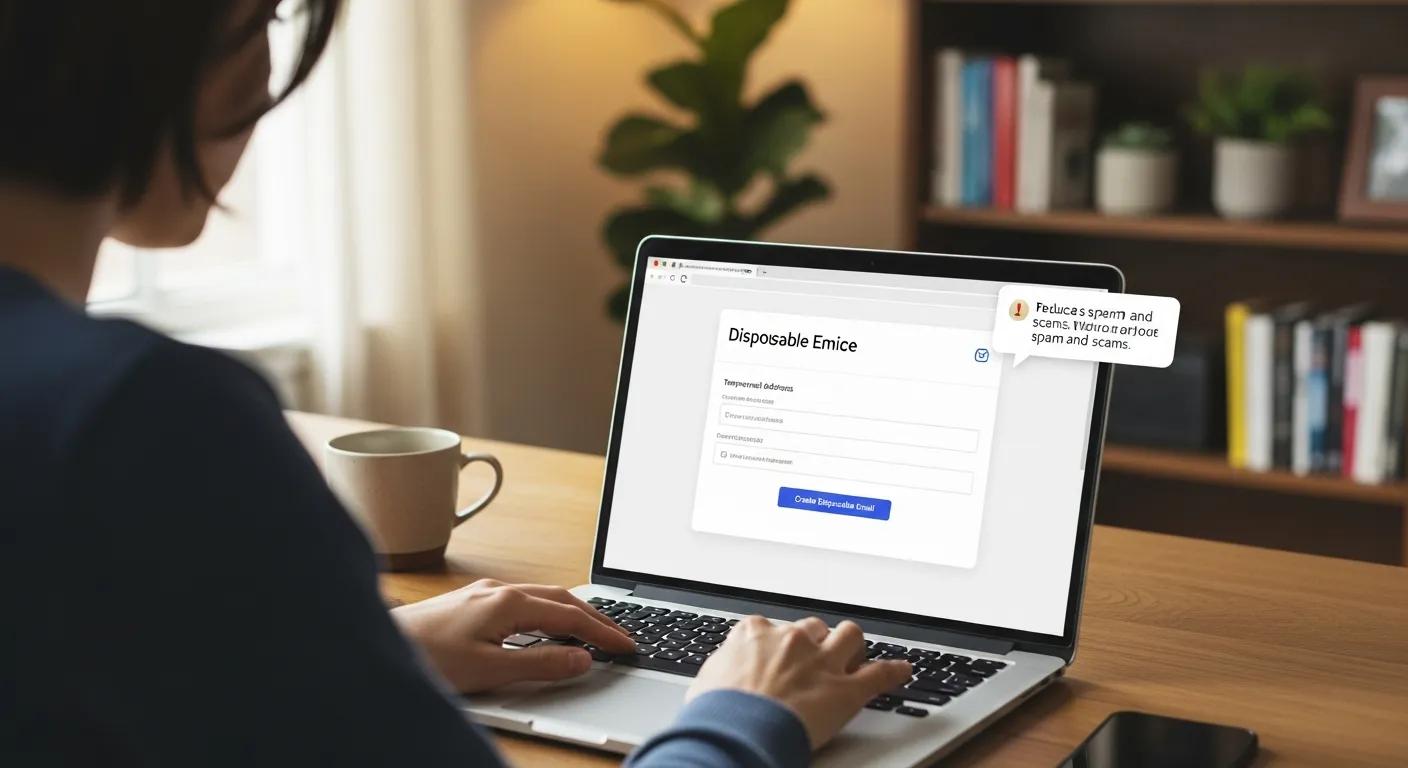
Temporary email services reduce how much of your personal contact information is exposed. Use them when you don’t want to give out your main email — it’s a simple way to cut down on targeted scams and spam.
What is a Temporary Email and How Does It Protect Your Privacy?
A temporary email gives you a disposable address that works for short-term sign-ups and verifications. That keeps your primary inbox cleaner and limits the data tied to your real identity. Fewer public or repeated email addresses means less material for scammers to use.
How Can You Use Temporary Emails to Stop Debt Collector Texts and Phishing?
- Create a temporary email: Sign up with a temporary email service and get a disposable address quickly.
- Use it for one-off sign-ups: Give that address when a site asks for your email — especially on sites you don’t fully trust.
- Watch for suspicious messages: If messages come to that temp address claiming debts or urgent charges, treat them as suspect and verify independently.
Using temporary emails this way reduces the chance scammers can link your contact details to your identity.
What Steps Should You Take If You Receive a Suspicious Unifin Text Message?
Getting a suspicious text can be stressful. Follow these steps to check its authenticity and protect yourself.
How Can You Verify the Legitimacy of Unifin Text Messages?
- Contact Unifin directly: Use phone numbers or contact details from Unifin’s official website — don’t use numbers or links in the text.
- Look for professional cues: Legitimate messages are usually clear, properly formatted, and free of spelling mistakes or odd phrasing.
- Search for reports: A quick web search can reveal if others have reported similar scam texts.
These checks will help you confirm whether a message is legitimate before you act.
What Are the Best Practices for Reporting and Responding to Scam Texts?
If a message looks like a scam, take these actions:
- Report it: File a complaint with the FTC and your state consumer protection office.
- Keep a record: Save screenshots or copies of the message and any replies.
- Limit future contact: Block the sender, use a spam filter, or use a temporary email for risky sign-ups.
Reporting helps authorities track scam patterns and prevents others from getting targeted.
What Are Your Rights Under the Fair Debt Collection Practices Act (FDCPA)?
The Fair Debt Collection Practices Act (FDCPA) gives you protections when debt collectors contact you. Knowing your rights helps you respond confidently and safely.
How Does the FDCPA Protect Consumers from Debt Collection Scams?
The FDCPA bans deceptive and abusive tactics by debt collectors. That includes:
- No harassment: Collectors can’t threaten or harass you.
- No false statements: They can’t lie about the amount owed or legal consequences.
- No unfair practices: Collectors must follow clear, lawful procedures when pursuing debts.
These rules give you a framework to challenge suspicious or abusive collection attempts.
How Can You Request Debt Validation and Protect Your Credit?
If you doubt a debt’s legitimacy, request validation — here’s how:
- Send a written request: Within 30 days of first contact, ask the collector in writing to validate the debt.
- Review their documents: The collector must provide proof that the debt is yours and the amount is correct.
- Monitor your credit: Check your credit reports regularly to spot unexpected accounts or errors.
Following these steps helps you dispute false claims and protect your credit history.
How Can You Stop Unifin Text Messages and Protect Yourself from Identity Theft?
Stopping unwanted texts and tightening your digital habits are the best defenses against identity theft.
What Are Effective Methods to Block or Report Unwanted Debt Collector Texts?
Try these practical steps to reduce unwanted messages:
- Use your phone’s block feature: Most phones let you block specific numbers or report spam.
- Install spam-filter apps: Trusted third-party apps can filter and block suspicious texts automatically.
- Report to your carrier: Forward spam texts to your carrier (e.g., forwarding to 7726 in the U.S.) so they can act.
Combined, these tactics cut down on nuisance messages and make scam campaigns less effective.
How Can You Monitor and Safeguard Your Digital Identity Against Scams?
Protecting your identity takes a mix of vigilance and tools:
- Use identity-monitoring services: These services alert you to suspicious activity tied to your personal information.
- Check credit reports regularly: Review reports from major bureaus to catch fraudulent accounts early.
- Keep learning: Stay current on scam trends so you recognize new tactics quickly.
These steps reduce your exposure and help you react fast if fraud appears.
Frequently Asked Questions
What should I do if I accidentally respond to a scam text?
If you replied to a scam text, stop communicating with the sender immediately and don’t share any more personal details. Check your bank and credit accounts for unauthorized activity, change passwords on affected accounts, and enable two-factor authentication where possible. Report the incident to your state consumer protection office and the FTC, and consider placing a fraud alert with the credit bureaus if sensitive information was shared.
Can I take legal action against a scammer?
You can report scammers to the FTC and your state attorney general, and you may pursue civil action in some cases. Because scammers often hide behind anonymous or overseas accounts, recovering money can be difficult. If you’ve suffered significant loss, consult a consumer-protection attorney to review your options.
How can I educate others about the Unifin text scam?
Share clear examples and warning signs on social media, community groups, or with friends and family. Host a short talk or send a simple checklist of red flags (urgent language, requests for sensitive data, strange sender IDs). Point people to official resources like the FTC and your state consumer office for reporting and guidance.
What are the consequences of ignoring a legitimate debt collector's message?
Ignoring a real debt collector can lead to escalation, including potential legal action that affects your credit and finances. If you think a message might be legitimate, verify the collector’s identity using official contact details and, if needed, request debt validation in writing before making any payments.
How can I differentiate between a legitimate debt collector and a scammer?
Verify who’s contacting you: check the company name, phone number, and official website independently. Legitimate collectors will provide written validation if requested and won’t pressure you for immediate payment or ask for sensitive details over text. Trust your instincts — if something feels off, verify before you act.
What resources are available for reporting scams?
Report scams to the Federal Trade Commission (FTC) at reportfraud.ftc.gov, contact your state attorney general’s consumer protection office, and file complaints with the Better Business Bureau. Your mobile carrier can also help block or investigate spam messages.
How can I protect my children from falling victim to scams?
Talk to your children about not sharing personal information online and how to spot suspicious messages. Encourage them to check with you before responding to unknown contacts, and use parental controls or family-safe settings on devices to limit exposure to risky sites and apps.
Conclusion
To protect yourself from scams like the Unifin text fraud, remain vigilant for warning signs, utilize privacy tools such as temporary email addresses, and understand your rights under the FDCPA. Always verify suspicious communications independently, avoid immediate action under pressure, and promptly report any fraudulent attempts to relevant authorities. These proactive steps are crucial for safeguarding your finances and personal identity.