



The Integris data security incident settlement refers to a $30 million fund established to resolve claims arising from a cyberattack that affected approximately 2.39 million individuals and involved Integris Health systems. This guide explains what happened, who is covered, the benefits available (including credit monitoring and identity theft insurance), and the concrete steps you can take to check eligibility and submit a claim. Readers will learn the timeline of the November 2023 incident, the types of patient data potentially exposed, the settlement’s structure and distribution mechanics, and how to enroll in offered services. The article maps the claim process with exact deadlines and required documentation, then provides practical protection steps for affected people. If you think your data was impacted, this resource will help you determine eligibility, prepare evidence, and meet filing timelines to pursue compensation or services under the Integris settlement.
What Happened in the Integris Health Data Breach?
The Integris Health data breach was a cybersecurity incident detected in November 2023 that exposed electronic protected health information (ePHI) and personally identifiable information (PII) for roughly 2.39 million individuals. The incident led to internal investigations and public disclosures and ultimately resulted in class-action litigation that produced a $30 million settlement fund. Understanding the scope of the breach is critical for deciding whether to file a claim and what evidence you will need. The next subsections outline when the attack occurred and the specific categories of data that may have been affected, which informs both risk and remediation steps for individuals.
When and How Did the Integris Cyberattack Occur?
The breach was first identified in November 2023 when Integris Health detected unauthorized activity on its systems and began an investigation. After discovery, Integris initiated forensic analysis and notification procedures to determine affected records and to notify potentially impacted individuals. That investigation and remediation process involved securing systems, engaging outside cybersecurity experts, and coordinating with legal counsel, which led to subsequent litigation and settlement negotiations. These procedural steps eventually culminated in the $30 million settlement intended to address harms and services for those affected, and they set the stage for claims administration and enrollment timelines.
What Patient Data Was Exposed in the Breach?
The incident compromised categories of electronic protected health information and personally identifiable information commonly held by healthcare systems. Affected data types may include names and contact information, dates of birth and patient identifiers, clinical and medical treatment information, and health insurance or billing records. In some cases where records contained them, data fields may have included financial or government identifiers such as Social Security numbers; the exact fields vary by individual record. Understanding these exposed categories clarifies the specific identity and medical risks you face and guides the documentation you would gather to support a claim.
- Names and contact details, which enable targeted fraud and phishing.
- Dates of birth and patient identifiers, which can be used to match records.
- Medical diagnoses, treatment notes, and billing or insurance information.
- Financial or government identifiers where present, increasing identity-theft risk.
These categories underline why monitoring and protective actions are recommended for affected individuals and help determine which documentation will substantiate losses for claim submissions.
What Are the Details of the $30 Million Integris Settlement?
The $30 million settlement was negotiated to compensate affected individuals and provide services to mitigate identity and medical fraud risks resulting from the Integris Health cyberattack. The fund covers several recovery categories, including reimbursement for documented losses, pro rata cash distributions when appropriate, and enrollment in services such as credit monitoring and identity theft insurance. A claims administrator will evaluate submitted claims, apply caps and rules defined in the settlement, and allocate funds after administrative costs and any approved fees. The following subsections explain who benefits from the fund and the specific compensation and services that are part of the settlement structure.
Who Are the Beneficiaries of the Settlement Fund?
Primary beneficiaries are individuals whose Integris Health records were impacted by the November 2023 incident, which the settlement identifies as approximately 2.39 million affected patients or individuals. Beneficiaries may include current and former patients whose ePHI or PII was contained in compromised files; in some cases, authorized representatives or estates may submit claims for deceased individuals when permitted by the settlement criteria. Geographic or temporal limits—such as dates of service—may apply to eligibility, so claimants should check the settlement notice language to confirm inclusion. Establishing beneficiary status is the first step before gathering documentation to support reimbursement or service enrollment.
Before reviewing proof requirements, it helps to see how settlement components are organized and valued.
| Fund Component | Attribute | Notes |
|---|---|---|
| Documented-loss reimbursement | Purpose | Compensates verified out-of-pocket losses tied to the breach |
| Pro rata cash payments | Allocation method | Remaining fund distributed proportionally after documented-loss payments and admin costs |
| Services offered | Enrollment | Credit monitoring and identity theft insurance provided to eligible claimants |
| Administration & fees | Oversight | Claims administrator evaluates claims and distributes funds per settlement terms |
What Compensation and Benefits Does the Settlement Provide?
The settlement offers two primary monetary paths and non-monetary services to mitigate identity and medical fraud. Documented-loss reimbursement covers eligible out-of-pocket expenses directly attributable to the breach, subject to proof and any per-claim caps set by the settlement. Pro rata cash payments provide an alternative recovery stream for claimants without substantial documented losses; these amounts are calculated after documented-loss claims and administrative costs are accounted for. In addition, eligible individuals will be offered credit monitoring and identity theft insurance to help detect and respond to fraudulent activity. Enrollment procedures, coverage limits, and claim processes for insurance will be governed by the settlement administrator and the service providers selected for program delivery.
Key takeaways on benefits and enrollment:
- Documented-loss claims require receipts or denials to substantiate out-of-pocket costs.
- Pro rata payments vary and depend on total claims and remaining fund balance.
- Credit monitoring and identity-theft insurance are included and have defined enrollment windows.
- The claims administrator oversees eligibility determination and benefit distribution.
These benefit options balance immediate remediation services with monetary recovery paths for affected people, and the next section explains eligibility criteria in detail.
Who Is Eligible for the Integris Data Breach Settlement?
Eligibility centers on whether an individual’s Integris Health records were part of the data exposed in the November 2023 incident and whether the claimant can demonstrate their relationship to those records. The settlement defines affected individuals by service dates, record identifiers, or notice status, so confirming inclusion typically requires reference to the settlement notice or documentation received from Integris. Eligibility rules also address special cases—such as minors, deceased individuals, or legal representatives—by specifying how claims may be filed on behalf of others. The paragraphs below break down filing criteria and how eligibility influences potential recovery amounts.
What Are the Criteria for Filing an Integris Data Breach Claim?
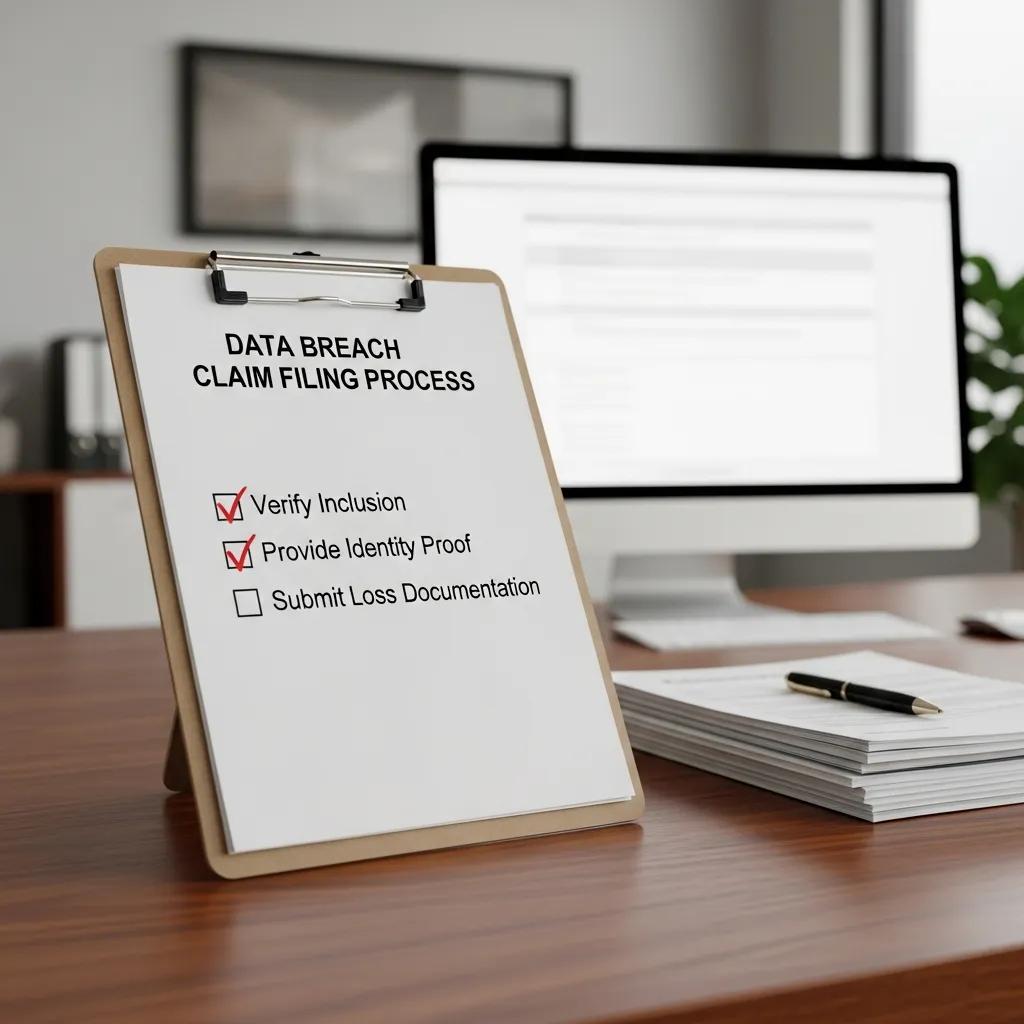
To file a valid claim, claimants generally must establish that their Integris Health record was included in the breach within the settlement’s defined timeframe and provide acceptable proof of identity and impact. Typical acceptable documentation includes billing statements, explanation-of-benefit notices, account numbers, or notification letters indicating affected status. Claim forms often request dates of service and an explanation of losses; supporting documents should clearly tie those losses to misuse or fraud resulting from the breach. Common pitfalls include submitting unsigned forms, incomplete proof, or failing to demonstrate that losses were a direct result of the incident, which can lead to denial or reduced awards.
- Confirm inclusion: Verify that your records fall within the settlement’s covered timeframe or notice list.
- Provide identity proof: Include government ID or comparable evidence linking you to the compromised records.
- Submit loss documentation: Attach receipts, billing statements, or other documentation to support documented-loss claims.
Documenting eligibility correctly improves the likelihood of a favorable claim review, and the EAV table below maps categories to examples of required proof.
| Eligibility Category | Required Proof | Example / Required Proof |
|---|---|---|
| Affected patient | Proof of service or patient ID | Billing statement with account number and date of service |
| Representative filing | Authorization or legal proof | Power of attorney, letters testamentary, or similar documents |
| Documented-loss claimant | Receipts or denial letters | Bank statements, refund receipts, or insurance denial showing expense |
| Deceased person claims | Estate documentation | Death certificate plus executor documentation demonstrating authority |
How Does Eligibility Affect Compensation Amounts?
Eligibility type and the strength of supporting documentation determine whether a claimant recovers under the documented-loss stream or receives a pro rata allocation. Claimants with clear, itemized proof of out-of-pocket losses tied to identity or medical fraud are prioritized for documented-loss reimbursement, which typically yields higher recoveries when validated. In contrast, those without detailed proof may receive a smaller pro rata payment once the administrator divides remaining funds among eligible non-documented claims. Partial documentation may qualify a claimant for partial reimbursement or require additional verification, so thorough evidence collection improves both approval chances and recovery magnitude.
Example scenarios that illustrate differences:
- Strong documentation: Full receipts and bank records supporting a fraud-related charge increase likelihood of documented-loss payout.
- Limited proof: General statements without itemized losses are more likely to be treated as pro rata claims.
- Representative claims: Claims filed by authorized representatives must include legal paperwork to secure full recovery on behalf of another person.
Preparing stronger evidence therefore directly affects potential compensation outcomes under the settlement.
How Do You File a Claim for the Integris Settlement?
Filing a claim involves verifying eligibility, gathering evidence, completing the official claim form, and submitting materials to the claims administrator within the required deadlines. The administrator will provide procedures for online or mailed submissions, document formats accepted, and how to obtain confirmation of receipt. Preparing documentation in advance—identity proof, billing statements, and any records of suspicious activity—speeds the process and reduces the chance of an incomplete filing. The subsections below outline a step-by-step approach and list the specific documents typically required to support either documented-loss or pro rata claims.
What Is the Step-by-Step Process to Submit a Claim?
- Check eligibility: Confirm you are included as an affected individual under the settlement definitions.
- Gather documentation: Collect identity proof, billing statements, receipts, and any fraud-related records that substantiate losses.
- Complete the claim form: Fill in required fields accurately and attach supporting documents in the formats accepted by the administrator.
- Submit and confirm: Send the claim via the administrator’s prescribed submission channel and retain confirmation or proof of mailing.
- Monitor status: Track communications from the administrator and respond promptly to any requests for additional information.
These steps simplify the submission workflow and improve the odds that a claim will be processed efficiently, and the next subsection details the specific documents to include.
What Documentation Is Required for the Claim Process?
Successful claims typically require documents that prove identity, establish affected status, and substantiate financial losses when claiming documented reimbursement. Acceptable identity documents include government-issued photo ID or comparable verification that matches settlement form details. Proof of affected status can include notices from Integris or account/billing records showing service dates within the breach window. For documented-loss claims, include itemized receipts, denial letters from insurers, bank or credit-card statements showing fraudulent charges, and any correspondence with creditors or collection agencies. When submitting documents, follow the administrator’s formatting instructions and redact unrelated sensitive details while preserving evidentiary value.
Common documents to prepare:
- Billing statements tied to Integris services showing account identifiers.
- Receipts or invoices demonstrating expenses incurred due to misuse.
- Insurance EOBs or denial letters corroborating out-of-pocket losses.
- Government or other official ID linking the claimant to the affected records.
Organizing these materials before beginning the form reduces delays and the likelihood of follow-up requests for additional proof.
What Are the Important Deadlines and Legal Timelines?
The settlement sets specific dates for claim submission, final approval hearings, and enrollment windows for services like credit monitoring, which are critical to meet in order to receive benefits. The claims submission deadline and the date for final approval are the two most important milestones for claimants to track, along with any post-approval processing windows for distributing funds or activating services. Missing deadlines typically forecloses recovery opportunities, so timely action—especially confirming postmark rules for mailed claims and understanding the administrator’s receipt confirmation process—is essential. The timeline table below summarizes key events and required actions.
| Event | Date | Impact / Required Action |
|---|---|---|
| Final approval hearing | December 16, 2025 | Approval triggers fund distribution and enrollment windows for services |
| Claim submission deadline | December 22, 2025 | Claims must be postmarked or received by this date to be considered |
| Service enrollment window | Post-approval period | Claimants must enroll in credit monitoring/insurance within announced windows |
| Appeals / objections period | As set by court notices | Timely filings required to object or appeal settlement terms |
When Is the Deadline to Submit Your Claim?
The claim submission deadline is December 22, 2025; claims must be received by or postmarked on that date according to the administrator’s rules, which determine whether mailed submissions meet the cutoff. Missing this deadline generally means your claim will not be considered for distribution from the settlement fund, though individual circumstances can vary and the administrator’s notice will specify any limited exceptions. It is therefore crucial to confirm the administrator’s mailing or electronic receipt policies well ahead of the deadline to ensure timely delivery. Preparing and submitting claims early reduces the risk of late filing and allows time to supply any supplemental documents the administrator may request.
What Are the Dates for Final Settlement Approval?
A final approval hearing is scheduled for December 16, 2025, which is the court date where the settlement terms are considered for final authorization. If the court grants final approval, that decision authorizes the claims administrator to begin processing distributions and activating enrollment for services such as credit monitoring and identity-theft insurance. After approval, the administrator will notify claimants about enrollment windows, expected timelines for payouts, and how to check claim status. Understanding this approval milestone helps claimants anticipate when services and monetary distributions may commence and what subsequent administrative steps will follow.
How Can Affected Individuals Protect Themselves After the Breach?

Affected individuals should combine settlement-provided services with proactive identity-protection measures to reduce the risk of fraud and financial or medical identity theft. Enrolling in the credit monitoring and identity-theft insurance offered through the settlement provides a baseline of detection and remediation support, while additional steps—such as freezing credit, enabling multi-factor authentication, and routinely reviewing medical and financial statements—further limit exposure. The subsections below describe the settlement services and a practical checklist of immediate and ongoing actions to secure personal data effectively.
What Credit Monitoring and Identity Theft Insurance Are Offered?
The settlement explicitly includes access to credit monitoring and identity-theft insurance for eligible claimants, with enrollment windows and coverage details to be managed by the claims administrator and the selected service providers. Credit monitoring typically alerts users to new accounts, inquiries, and changes on credit reports, helping detect suspicious activity early. Identity-theft insurance provides reimbursement for certain recovery expenses and professional remediation services up to policy limits defined by the provider. Claimants should watch for administrator communications that explain the duration of monitoring, coverage limits, and the procedure for filing identity-theft insurance claims once enrollment opens.
This approach aligns with common practices where entities experiencing data breaches offer similar protective services to affected individuals.
Data Breach Identity Theft Services & Credit Monitoring
Private-sector and government entities that experience data breaches often provide affected consumers with identity theft services, which typically include credit monitoring, identity monitoring, identity restoration, and identity theft insurance.
Identity theft services: Services offer some benefits but are limited in preventing fraud, 2017
These services are designed to detect misuse of personal information and to help cover remediation costs, and taking immediate additional protective steps strengthens overall security posture.
What Additional Steps Can You Take to Secure Your Data?
Beyond settlement services, affected individuals can take specific actions to reduce ongoing risk and respond effectively to suspicious activity. Freezing credit at the major credit bureaus prevents new credit accounts from being opened in your name and is recommended as an immediate protective measure. Enable multi-factor authentication on financial and health portal accounts to add a layer of access control and change passwords to strong, unique phrases where possible. Regularly review medical statements, insurance EOBs, and credit reports for unfamiliar charges or treatments, and report any suspected identity theft to appropriate authorities and the claims administrator. These steps, combined with enrollment in monitoring and insurance, form a comprehensive approach to mitigation after a health data breach.
Recommended immediate actions:
- Freeze credit with major bureaus to block new credit openings.
- Enable MFA and update passwords on health and financial accounts.
- Monitor statements and credit reports regularly for anomalies.
- Report fraud promptly to law enforcement and relevant agencies.
Taking these actions quickly reduces the chance of long-term damage and complements the protections offered by the settlement.
Frequently Asked Questions
What should I do if I missed the claim submission deadline?
If you missed the claim submission deadline of December 22, 2025, your options may be limited. However, you can still check the settlement administrator's website or contact them directly to inquire about any potential exceptions or late filing procedures. In some cases, individuals may be allowed to submit claims after the deadline if they can provide a valid reason. It's essential to act quickly and gather any necessary documentation to support your case if you plan to pursue this route.
How can I monitor the status of my claim?
You can monitor the status of your claim by contacting the claims administrator directly or checking their official website. Most administrators provide a claim tracking feature where you can enter your claim number and receive updates on its status. Additionally, keep an eye on your email for any communications from the administrator regarding your claim, as they may request further information or provide updates on processing timelines.
What happens if my claim is denied?
If your claim is denied, you will typically receive a notification explaining the reasons for the denial. You may have the option to appeal the decision, which usually involves submitting additional documentation or clarifying information that supports your claim. Review the denial notice carefully to understand the specific issues and follow the appeal process outlined by the claims administrator. Timely action is crucial, as there may be strict deadlines for submitting an appeal.
Can I file a claim on behalf of someone else?
Yes, you can file a claim on behalf of someone else, such as a minor or a deceased individual, but specific documentation is required. For minors, you will need to provide proof of guardianship. For deceased individuals, you must submit legal documentation, such as a death certificate and proof of your authority to act on behalf of the estate. Ensure that you follow the claims administrator's guidelines for representative claims to avoid delays or denials.
What should I do if I suspect identity theft after the breach?
If you suspect identity theft following the breach, take immediate action to protect yourself. Start by placing a fraud alert on your credit report with the major credit bureaus, which will make it harder for identity thieves to open accounts in your name. Additionally, consider freezing your credit to prevent new accounts from being opened. Monitor your financial statements and credit reports closely for any unauthorized activity, and report any suspicious transactions to your bank and local authorities.
Are there any tax implications for receiving settlement compensation?
Receiving compensation from a settlement may have tax implications, depending on the nature of the payments. Generally, compensation for personal injury or emotional distress is not taxable, while reimbursement for out-of-pocket expenses may not be taxable if you did not previously deduct those expenses. It's advisable to consult a tax professional to understand how the settlement may affect your tax situation and to ensure compliance with IRS regulations regarding any reported income.
Conclusion
Understanding the Integris settlement provides crucial insights into the benefits available for those affected by the data breach, including financial compensation and identity protection services. By taking timely action to verify eligibility and submit claims, individuals can secure their rightful benefits and mitigate potential risks. We encourage you to explore the details of the settlement and prepare your documentation to ensure you don’t miss out on these important protections. For further assistance, visit our resource page to guide you through the claims process.