



Tailgating is a physical security risk that’s often missing from digital security conversations. In this guide we explain what tailgating is, how it’s used as a social engineering technique, and practical steps organizations can take to stop it. Tailgating happens when an unauthorized person gains entry to a restricted area by following someone who’s authorized. Knowing how this works is essential for protecting people, devices, and sensitive data. Below we cover the definition of tailgating, the risks it creates, the social engineering tricks attackers use, and concrete prevention measures. We also explain how tools like TempoMailUSA can help reduce information attackers use to build social-engineering pretexts.
What Is Tailgating in Cybersecurity and Why It Threatens Physical Security
Tailgating refers to someone entering a secured area by closely following an authorized person instead of using their own credentials. This relies on ordinary social behaviors—like holding the door for someone—and can lead to serious security incidents. Beyond simply gaining access to a space, tailgating can enable data theft, sabotage, or even physical harm. Identifying the common traits of tailgating helps organizations design better defenses.
How Is Tailgating Defined and What Are Its Key Characteristics?
At its core, tailgating is an unauthorized person slipping into a controlled area without authenticating themselves. It can happen at office buildings, data centers, labs, or any controlled entry point. Typical features of tailgating include:
- Close Proximity: The intruder stays immediately behind an authorized person to enter with them.
- No Identity Check: Security staff or employees don’t verify the follower’s credentials.
- Abuse of Trust: Attackers rely on people’s helpfulness or politeness to gain entry.
Real incidents show why layered defenses and clear procedures are necessary to stop unauthorized access.
What’s the Difference Between Tailgating and Piggybacking?
People often mix up tailgating and piggybacking, but there’s an important distinction. Tailgating happens when an unauthorized person follows an authorized person without that person’s knowledge or consent. Piggybacking is when an authorized person knowingly lets someone in. Understanding the difference helps shape the right policies and responses.
| Term | Definition | Key Difference |
|---|---|---|
| Tailgating | Entering by following someone without permission | No consent from the person being followed |
| Piggybacking | Entering with permission from an authorized person | Authorized person allows the entry |
Distinguishing these behaviors makes it easier to train staff and enforce access rules effectively.
How Do Tailgating Attacks Use Social Engineering?

Tailgating is a form of social engineering that manipulates normal social interactions and exploits weak physical controls. When organizations understand the human factors attackers use, they can reduce opportunities for intrusion.
Which Human Behaviors and Security Gaps Enable Tailgating?
Common behaviors and vulnerabilities that open the door to tailgating include people’s instinct to help, limited staff training, and weak access controls. For example, an employee may hold a door open for someone who looks like they belong there, and a faulty entry system may not prevent a second person from slipping through.
- Helpful Instincts: Employees often assume the person behind them is permitted to enter.
- Poor Training: Without clear guidance, staff may not know how to challenge unknown individuals.
- Weak Controls: Outdated or poorly configured access systems make unauthorized entry simpler.
Addressing these issues reduces the chances an attacker will succeed.
How Does Tailgating Fit into Broader Social Engineering Campaigns?
Tailgating can be one step in a larger social engineering plan. Attackers may collect information about staff or routines online to make their approach seem credible, then use physical access to escalate—copying data, installing malware, or stealing devices. Treat tailgating as part of the wider threat landscape.
What Risks and Consequences Does Tailgating Create?
Unauthorized physical access carries real, often expensive consequences for organizations.
How Can Physical Access Lead to Data Breaches and Financial Damage?
If an intruder reaches sensitive spaces—server rooms, workstations, or filing areas—they can steal data, install malicious hardware or software, or cause operational disruptions. These incidents can trigger regulatory penalties, costly remediation, and reputational harm. Physical breaches have led organizations to spend millions recovering systems and rebuilding trust.
- Data Theft: Sensitive records and credentials can be copied or removed.
- Financial Impact: Cleanup, fines, and lost business can be expensive.
- Reputation Harm: Customers and partners may lose trust after a breach.
What Real-World Cases Show the Danger of Tailgating?
There are documented cases where poor physical security contributed to major incidents. For example, breaches have sometimes involved unauthorized physical access that allowed attackers to reach internal networks or systems. These examples highlight why physical security deserves the same attention as digital security.
Which Physical Security Measures Stop Tailgating Most Effectively?
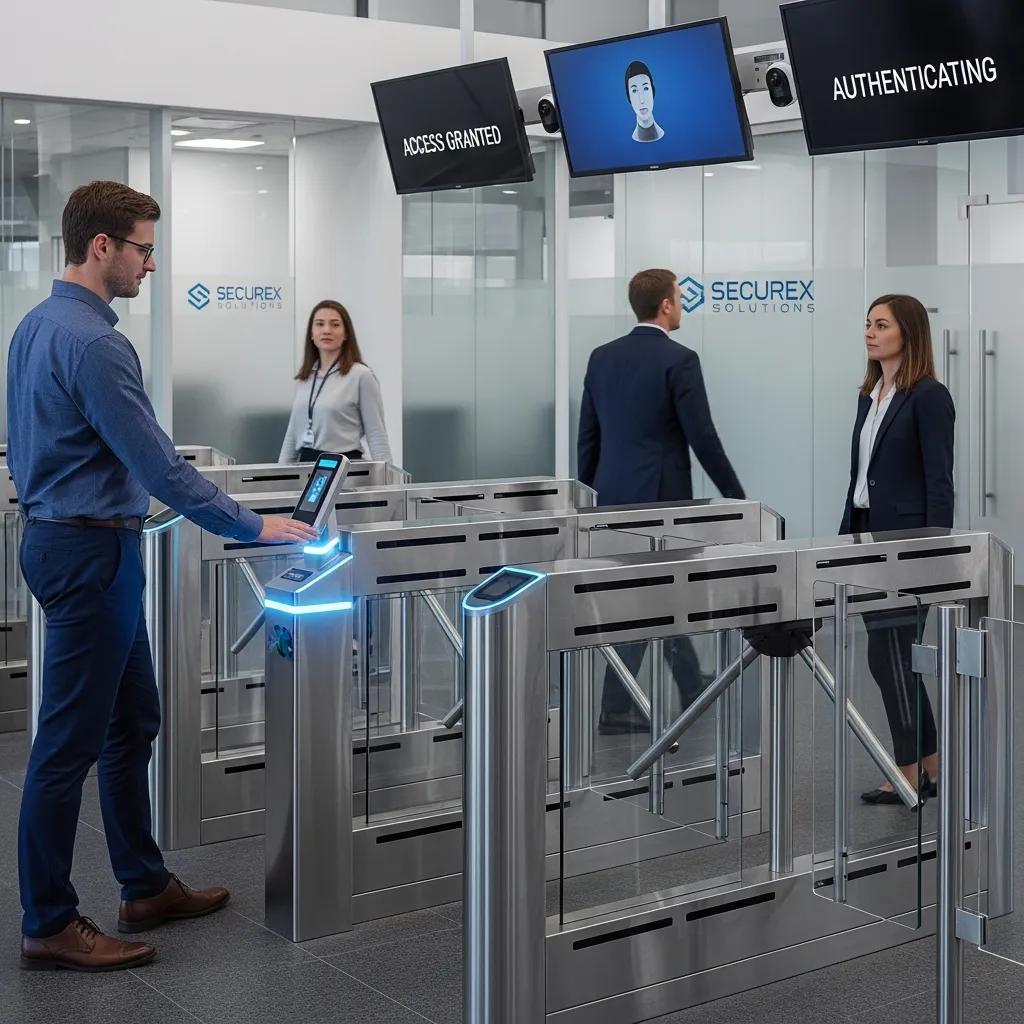
Layered physical controls make tailgating much harder. Combining hardware, monitoring, and clear policies reduces risk and improves the chance of detecting intrusions quickly.
How Do Biometrics, Turnstiles, and Access Systems Help Prevent Tailgating?
Modern access controls force individual authentication and can physically prevent a second person from entering at the same time. When paired with monitoring, these systems significantly lower the likelihood of unauthorized access.
- Biometric Readers: Use unique biological traits to confirm identity, raising the bar for impostors.
- Turnstiles: Limit entry to one person at a time and visibly prevent tailgating.
- Key Card Systems: Provide individual authentication and can be configured to log and control access.
What Role Do Surveillance and Policy Play in Prevention?
Cameras and strong policies are essential complements to access hardware. Cameras deter intruders and supply evidence, while clear rules and enforcement ensure employees understand how to respond when they see suspicious activity.
- Surveillance: Deters misuse and records incidents for investigation.
- Security Policies: Define expected behaviors and escalation paths for staff.
- Ongoing Training: Keeps awareness high and practices fresh.
How Do Digital Security Practices and Training Reduce Tailgating Risk?
Physical and digital security work best together. Tightening online defenses and training staff on social engineering reduces both the chance of a successful tailgating attempt and its potential impact.
Which Digital Measures Support Physical Security?
Digital protections help limit damage even if someone gains physical access. They also reduce the information attackers can use to create believable pretexts.
- Two-Factor Authentication: Adds an extra verification step for sensitive systems.
- Regular Updates: Patch software to close vulnerabilities attackers might exploit.
- Network Monitoring: Detects unusual activity fast so teams can respond.
Why Is Employee Awareness Essential Against Social Engineering?
People are the frontline for spotting social-engineering attempts. Training teaches staff to recognize suspicious behavior, follow access rules, and report incidents without hesitation.
- Security Awareness: Helps employees identify red flags and act confidently.
- Routine Drills: Reinforce correct responses under realistic conditions.
- Clear Reporting: Makes it easy and safe to escalate concerns.
How Can TempoMailUSA’s Temporary Email Service Help Reduce Social Engineering Risk?
TempoMailUSA reduces the digital information attackers can collect about people and organizations. By limiting exposed email addresses and minimizing an individual’s online footprint, temporary emails make it harder for attackers to build believable stories that lead to physical access attempts like tailgating.
How Does Shrinking Your Digital Footprint Weaken Social-Engineering Pretexts?
Using temporary emails keeps personal contact details off public lists and marketing databases, reducing the data attackers use to impersonate or research targets. That smaller online profile makes targeted social-engineering tactics less effective.
- Privacy: Temporary addresses obscure your primary contact details.
- Lower Exposure: Less public information means fewer hooks for attackers.
- Disposable: Temporary accounts can be discarded after use to limit long-term risk.
When Is TempoMailUSA Most Helpful for Security?
Temporary email works well when you need to interact online without exposing a long-lived address. Use cases include event sign-ups, trial or one-time service registrations, and any situation where you want to reduce the chance of your contact details being scraped or reused.
- Event Sign-ups: Register without sharing your main inbox.
- Online Accounts: Create low-risk verification addresses for short-term needs.
- One-off Transactions: Protect sensitive exchanges with disposable contact points.
| Security Measure | Description | Effectiveness |
|---|---|---|
| Biometric Scanners | Require unique biological traits to confirm identity | High |
| Turnstiles | Limit entry so only one person passes at a time | Medium |
| Temporary Email Services | Reduce the amount of public contact information | Medium |
Tailgating is preventable when organizations combine thoughtful physical controls, solid digital practices, and ongoing staff training. Addressing both the human and technical sides of security gives you the best chance of stopping unauthorized access and related social-engineering threats.
Frequently Asked Questions
What are the signs that someone may be attempting a tailgating attack?
Watch for people lingering near secure entrances, someone moving eagerly to slip in behind an employee, individuals who avoid eye contact, or anyone without visible credentials. Repeatedly following others through restricted doors is another red flag. Train staff to notice these behaviors and report them quickly.
How can organizations foster a culture of security awareness among employees?
Create regular training that explains risks and shows clear, practical steps employees should take. Run interactive drills, encourage open reporting of concerns, and recognize staff who follow security best practices. Making security part of everyday routines helps keep everyone alert without creating fear.
What role does visitor management play in preventing tailgating?
Visitor systems that require sign-ins, ID checks, and temporary badges help control who enters sensitive areas. Clear escort policies and visible visitor credentials reduce the chance a guest slips in unmonitored, and tracking visitor movement improves accountability.
How can technology enhance physical security against tailgating?
Technology enhances detection and control: biometric readers and smart cards verify identity, turnstiles limit entry, cameras provide real-time monitoring and evidence, and alarms can notify security teams instantly when unauthorized access is detected.
What are the legal implications of tailgating incidents for organizations?
If tailgating leads to a data breach or regulatory violation, companies can face fines, litigation, and reputational damage. Failing to meet industry security standards may also have legal consequences. Maintaining documented security policies and controls helps reduce legal risk.
How can organizations assess their vulnerability to tailgating attacks?
Perform regular security audits and risk assessments that evaluate entry points, access controls, and employee behavior. Use third-party penetration testers to probe weaknesses, gather staff feedback, and schedule follow-up actions to strengthen weak spots.
Conclusion
Tailgating is a simple yet effective tactic attackers use to bypass protections. The best defense mixes physical barriers, smart policies, employee awareness, and thoughtful digital hygiene. Services like TempoMailUSA can reduce the personal information attackers rely on, making social-engineering pretexts harder to build. Start by assessing your entry points, training your people, and layering controls to keep your spaces—and your data—safe.