



How to Report USPS Scam Email — A Practical Guide to Spotting and Acting on USPS Phishing and Fraud
As more of our lives move online, email scams that pretend to be the United States Postal Service (USPS) are becoming common — and costly. In 2023 alone, the Federal Trade Commission (FTC) reported over 360,000 cases of phishing, with many impersonating trusted brands like USPS. This guide shows you how to spot fake USPS messages, report them, and protect your accounts. Learn the typical scam types, how to tell a real message from a fake one, the exact steps to report phishing, what to do if you clicked a malicious link, and practical measures to tighten your email security.
What Are USPS Scam Emails and How Do They Threaten You?
USPS scam emails are fake messages designed to look like they come from the United States Postal Service. Scammers rely on USPS branding and official-sounding language to trick you into giving up personal data or money. The consequences can include identity theft, financial loss, and unauthorized access to online accounts. The United States Postal Inspection Service (USPIS) reports thousands of postal-related fraud cases every year — with over 17,000 complaints related to mail fraud and identity theft in 2023 alone — which is why awareness and reporting matter.
"Phishing attacks, especially those impersonating trusted entities like the USPS, are a persistent threat because they exploit human trust and urgency," states a cybersecurity expert. "Vigilance and verification are your strongest defenses against these sophisticated schemes."
Which Common Types of USPS Email Scams Should You Know About?
Watch for these common USPS-related scams:
- Fake delivery notifications: Messages claim a package is waiting or undeliverable and push you to click a link that steals your information. These are among the most prevalent, accounting for a significant portion of reported phishing attempts.
- Payment-request scams: These demand fees or taxes for a package or service — often with urgent, pressuring language. Scammers often leverage fear of package delays or additional charges.
- Impersonation tactics: Scammers pose as USPS staff asking you to “verify” personal details or login credentials. This can extend to requests for sensitive financial information.
Recognizing these formats makes it far easier to avoid falling for them.
How Do Phishing and Social Engineering Tactics Work in USPS Scams?
Phishing tricks you into sharing sensitive information by pretending to be a trusted sender. Scammers use social engineering — emotional cues like urgency or fear — to push you into quick decisions. For example, a message might claim you must act now to avoid a fine or to receive a package. The Cybersecurity and Infrastructure Security Agency (CISA) consistently highlights social engineering as a primary vector for cyberattacks. Knowing these tactics helps you pause and double‑check before responding. See our piece on social engineering for more context.
How Can You Identify a Fake USPS Email or Delivery Notification?
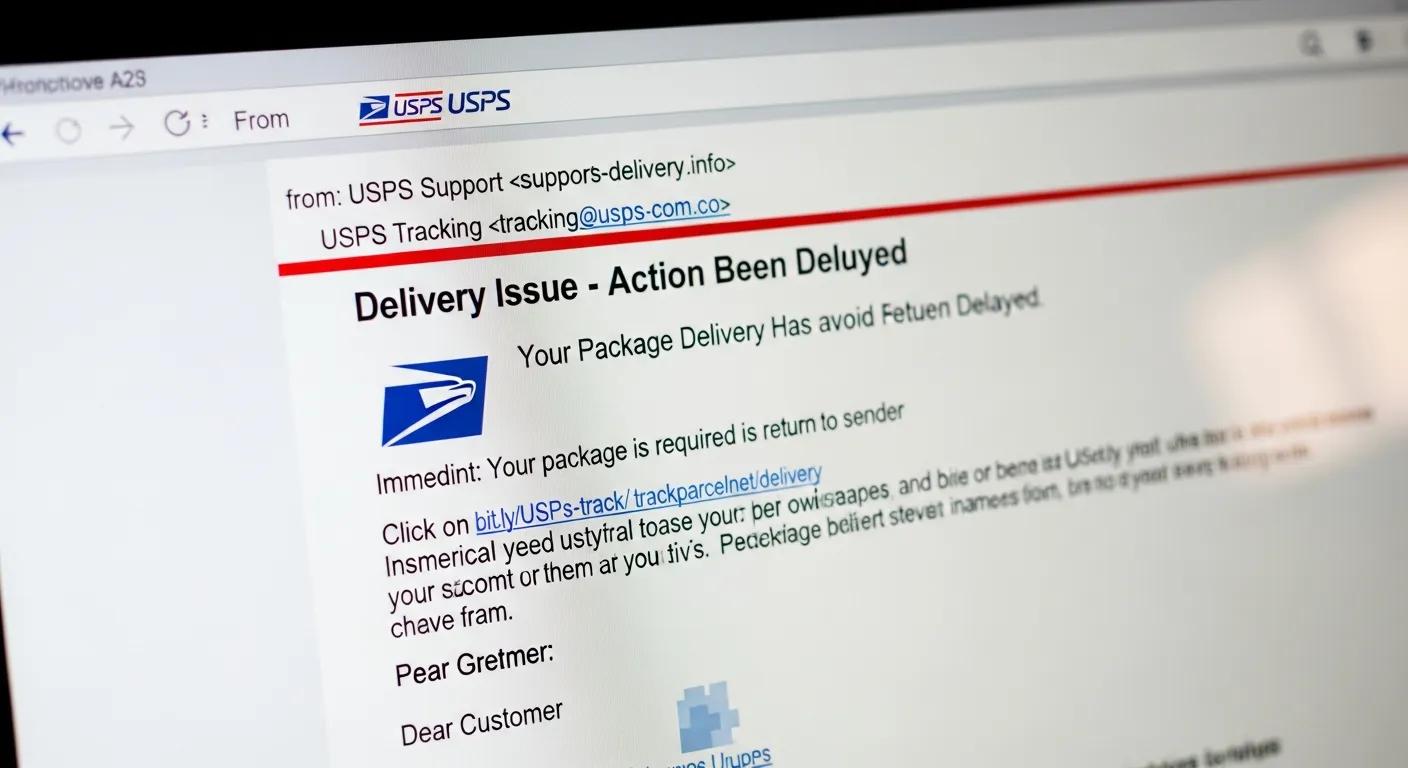
Catching a fake USPS message comes down to checking a few clear signs. Look closely at the sender, the links, and the tone of the message before you act.
What Are the Key Signs of a Fake USPS Email or Text Message?
When you inspect a USPS email or text, check for these red flags:
- Generic greetings: Real USPS notices usually include your name. “Dear Customer” is a common scam giveaway.
- Urgent language: Phrases that demand immediate action or threaten consequences are designed to rush you.
- Suspicious links: Hover over links to reveal the real URL. If it doesn’t point to an official USPS domain (e.g., `usps.com` or `tools.usps.com`), don’t click.
Spotting these signs early helps you avoid clicking malicious links or handing over details.
How to Spot Suspicious Sender Addresses, Links, and Urgent Language?
Dig a little deeper when something feels off:
- Analyzing sender email addresses: Official USPS messages come from `usps.com` domains or specific official subdomains. Misspellings (e.g., `usp-s.com`) or odd domains (e.g., `package-delivery.info`) are a clear warning.
- Identifying malicious links: Hover (or long-press on mobile) to check where a link actually goes. If it isn’t a USPS site, don’t follow it. Malicious links often use URL shorteners or deceptive subdomains.
- Recognizing urgent language cues: Scammers use panic to short‑circuit your judgment. Step back, verify, and then act. Official communications rarely demand immediate action without providing clear, verifiable alternatives.
These quick checks greatly reduce your risk of becoming a victim.
What Is the Step-by-Step Process to Report USPS Scam Emails Effectively?
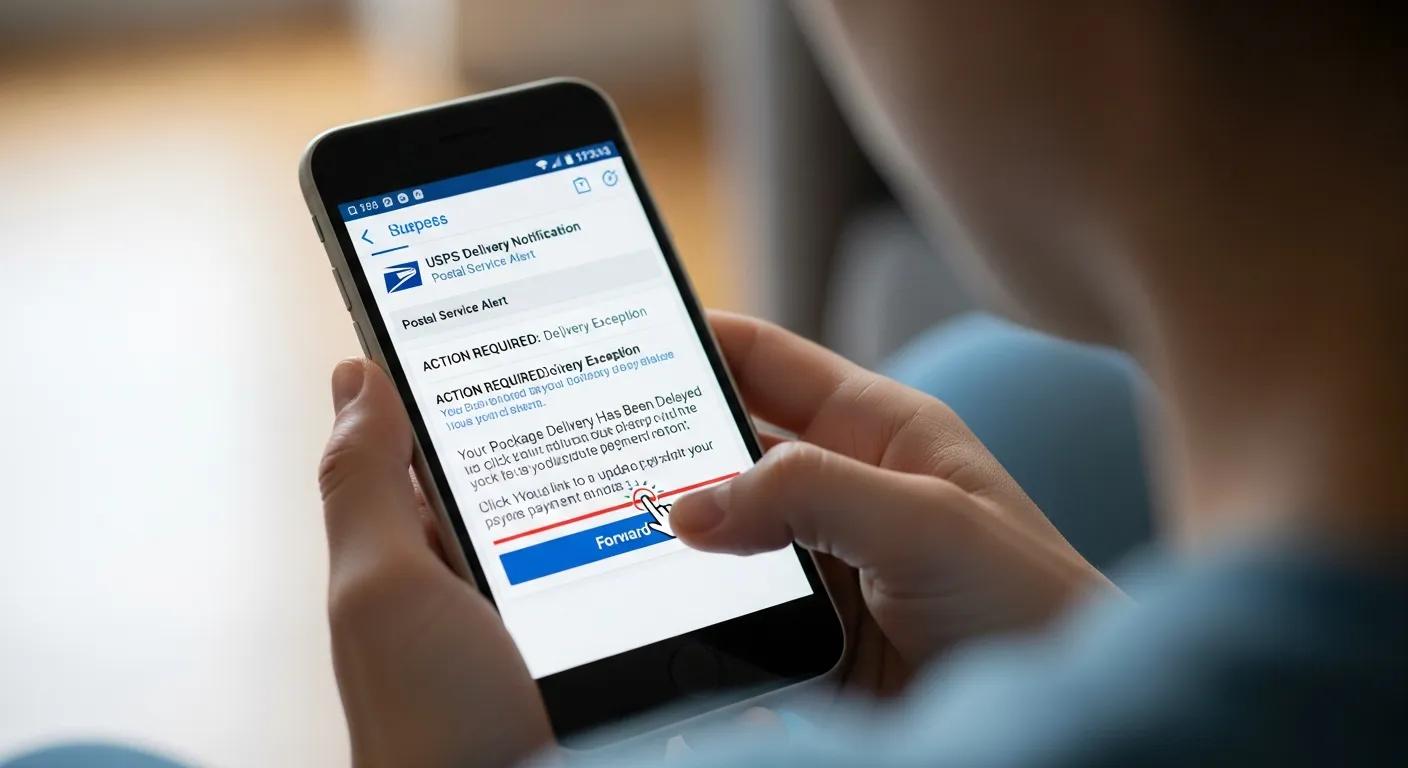
Reporting scam emails helps authorities shut down fraud and protects others. The USPIS emphasizes that every report contributes to their intelligence gathering, leading to more effective investigations and prevention efforts. Follow these clear steps to report a suspicious USPS message.
Where and How Do You Forward Suspicious USPS Emails for Reporting?
If you get a suspicious USPS email, forward it to the United States Postal Inspection Service (USPIS) at [email protected]. That lets investigators analyze the message and trace the sender. You can also file a report with the Federal Trade Commission at reportfraud.ftc.gov. For text message scams, forward the message to 7726 (SPAM).
Which Official Agencies Handle USPS Fraud and Phishing Reports?
These agencies handle reports and investigations:
- United States Postal Inspection Service (USPIS): The law enforcement arm of the USPS, responsible for investigating postal crimes, including mail fraud, identity theft, and email scams that leverage USPS branding.
- Federal Trade Commission (FTC): Collects consumer fraud reports and coordinates consumer protection efforts across various sectors. The FTC's data helps identify trends and issue public warnings.
- Internet Crime Complaint Center (IC3): A partnership between the Federal Bureau of Investigation (FBI) and the National White Collar Crime Center (NW3C), accepting reports about internet-based crimes, including phishing incidents and other cyber fraud.
Knowing who to contact speeds up the response and improves outcomes.
What Should You Do If You Clicked a Malicious USPS Scam Email Link?
If you clicked a suspicious link, act fast to limit damage. The sooner you respond, the easier it often is to contain the problem. According to cybersecurity experts, immediate action can significantly reduce the risk of data compromise or financial loss.
How to Protect Yourself After Potential Exposure to USPS Email Fraud?
After clicking a bad link, take these steps right away:
- Disconnect from the internet: Temporarily disconnect your device to prevent further data transmission or malware spread.
- Change your passwords: Update passwords for any accounts that might be affected, starting with email and financial accounts. Use strong, unique passwords for each service.
- Monitor your accounts: Watch bank and credit statements for unusual activity and report unauthorized transactions immediately to your financial institutions.
- Run antivirus scans: Use reputable security software to perform a full scan of your device for malware and remove any detected threats.
- Backup important data: If possible, back up critical files to an external drive or cloud service after ensuring your system is clean.
Quick action can prevent further harm and limit what attackers can do.
What Are the Immediate Steps to Prevent Identity Theft and Data Breaches?
To strengthen your protection after possible exposure, consider these measures:
- Set up credit monitoring and fraud alerts: Credit alerts flag suspicious activity on your reports so you can respond fast. Consider placing a fraud alert or credit freeze with the three major credit bureaus (Equifax, Experian, TransUnion).
- Alert financial institutions: Let your bank and card issuers know about the incident so they can watch for fraud and potentially issue new cards.
- Review credit reports: Regularly check your reports for unfamiliar accounts or inquiries and dispute anything suspicious. You are entitled to a free credit report annually from each bureau.
- Enable multi-factor authentication (MFA): If you haven't already, enable MFA on all critical accounts (email, banking, social media) to add an extra layer of security.
These steps help reduce the chance of long-term identity theft.
How Can You Prevent Future USPS Email Scams and Enhance Your Email Security?
Stopping scams before they reach you is the best defense. Adopt consistent habits that make you a harder target.
What Best Practices Help Secure Your Email Against USPS Phishing?
Follow these straightforward best practices:
- Use strong, unique passwords: Pick unique, complex passwords for each account and consider using a password manager. Change them periodically, especially for critical services.
- Enable multi-factor authentication (MFA): Add a second verification step (like a code from your phone) for critical accounts. This is one of the most effective security measures.
- Be cautious with unsolicited emails: Verify unexpected requests before clicking links or sharing personal data. If in doubt, contact the sender directly using official contact information, not the details provided in the suspicious email.
- Keep software updated: Ensure your operating system, web browser, and security software are always up to date to patch known vulnerabilities.
Small changes in how you manage accounts go a long way toward keeping you safe.
How Can Temporary Email Services Reduce Your Risk of Scam Emails?
Disposable or temporary email services let you use throwaway addresses for registrations and one‑time transactions. That keeps your primary inbox cleaner and limits how much of your contact info ends up in databases that scammers can target. By compartmentalizing your online identity, you reduce the attack surface for phishing attempts directed at your main email address.
What Are the Latest USPS Scam Alerts and Trends You Should Be Aware Of?
Scammers adapt quickly. Staying informed about recent tactics helps you recognize new threats before they catch you off guard. The USPIS regularly issues alerts to inform the public about emerging threats.
Which Recent USPS Scam Email Examples Highlight Emerging Threats?
Recent scams often pretend to offer tracking updates but redirect you to phishing sites that harvest personal data. For example, a common scam involves messages claiming "Your package is awaiting delivery – confirm your details here" or "Delivery failed – pay a small fee." Scammers are good at copying USPS layouts and logos to look convincing — so always verify links and sender addresses. The USPIS has specifically warned about text message scams (smishing) that mimic package delivery notifications, often leading to fake payment portals.
How Are USPS Scam Tactics Evolving in 2025 and Beyond?
As tech changes, fraudsters are branching out to social media, SMS, and chat platforms in addition to email. That means vigilance across all channels matters — not just your inbox. The integration of AI in generating more convincing scam messages and deepfake technology for voice or video impersonation are emerging threats. Keep learning and share alerts with friends and family so others don’t fall prey.
| Reporting Method | Agency | Description |
|---|---|---|
| Forward Email | USPIS | Forward suspicious messages to [email protected] for investigation. |
| Online Report | FTC | Submit a detailed complaint at reportfraud.ftc.gov to contribute to consumer protection data. |
| Internet Crime | IC3 | Report online crimes, including phishing, at ic3.gov for FBI investigation. |
| Forward Text | Mobile Carrier | Forward suspicious text messages to 7726 (SPAM) to alert your carrier. |
This table sums up the main reporting channels you can use when you spot USPS scams — forwarding, online complaint forms, and internet crime reporting.
Frequently Asked Questions
What should I do if I receive a suspicious email that appears to be from USPS?
Don’t click any links or share personal information. Forward the message immediately to the United States Postal Inspection Service at [email protected]. You can also file a report with the FTC at reportfraud.ftc.gov. Reporting helps authorities investigate and warn others, contributing vital intelligence to combat these crimes.
How can I educate others about USPS email scams?
Share clear examples and red flags on social media or in community groups. Walk people through signs like odd sender addresses, generic greetings, and urgent language. Point them to official resources from USPS and USPIS (e.g., uspis.gov/news/scam-alerts) for further guidance. Emphasize that a proactive, informed community is the best defense.
Are there any specific tools or software that can help detect phishing emails?
Yes. Utilize email security features like robust spam filters provided by your email service, antivirus tools with phishing detection capabilities, and browser extensions that flag unsafe sites. Many modern browsers also include built-in phishing warnings. For businesses, advanced threat protection (ATP) solutions offer enhanced email security.
What are the legal consequences for scammers who target USPS customers?
Scammers can face severe federal charges such as mail fraud, wire fraud, identity theft, and computer fraud and abuse. The United States Postal Inspection Service actively pursues criminal cases, and convictions can lead to substantial fines, lengthy prison sentences, and restitution orders. Your reports are crucial in building these cases against offenders.
How can I stay updated on the latest USPS scam alerts?
Check the official USPS site (usps.com) and the United States Postal Inspection Service’s consumer alerts page (uspis.gov/news/scam-alerts) regularly. Subscribe to newsletters from reputable cybersecurity organizations and follow trusted consumer-protection accounts on social media to get timely warnings and insights into evolving scam tactics.
What steps can businesses take to protect themselves from USPS email scams?
Businesses should implement robust email security solutions, conduct regular employee training on phishing recognition, and enforce clear reporting procedures for suspicious emails. Require multi-factor authentication for all accounts, verify any request involving payments or account changes through official, out-of-band channels, and maintain up-to-date cybersecurity policies.
Conclusion
Knowing how to spot and report USPS scam emails protects you and your community. Learn the signs, report suspicious messages, and take immediate steps if you think you’ve been exposed. The collective effort of informed citizens reporting these incidents is vital for law enforcement agencies like the USPIS to combat fraud effectively. Share what you learn — staying alert and informed is one of the best defenses against phishing and fraud. For more tips and step‑by‑step guides, explore our other resources.