

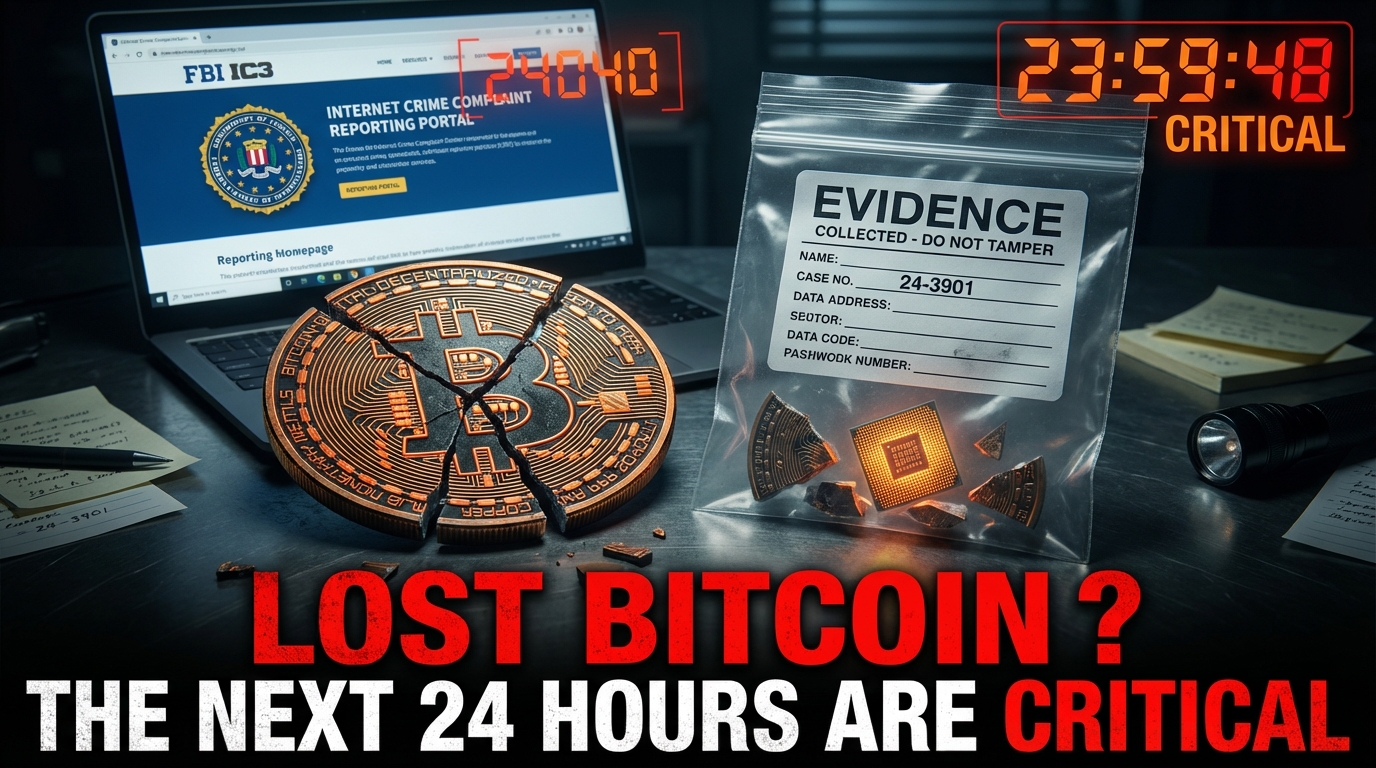

What to Do When You've Been Targeted: How to Report Bitcoin Scam Fast
If you need to report Bitcoin scam activity right now, here are the five key steps:
- Gather evidence - Save all transaction IDs, wallet addresses, screenshots, and communications
- Contact your crypto exchange - Report the fraud to the platform you used immediately
- File with official agencies - Submit to IC3 (ic3.gov), the FTC at ReportFraud.ftc.gov, and your local police
- Protect your accounts - Change passwords, revoke remote access, and freeze credit if needed
- Call the Elder Fraud Hotline - If you or someone you know is 60+, call 1-833-372-8311
The numbers are staggering. In 2025, an estimated $17 billion was stolen through crypto scams and fraud. That's not a typo. Americans aged 60 and older alone lost $2.8 billion to cryptocurrency-related scams in 2024. And the average payment sent to scammers jumped 253% in a single year - from $782 to $2,764.
These aren't just statistics. They represent real people who got a convincing message, made a split-second decision, and lost life-changing sums of money - often to organized criminal networks operating overseas.
The worst part? Most victims don't know where to turn after it happens. And every hour of delay makes recovery less likely.
Whether you just realized you've been scammed, suspect something is wrong, or simply want to know what to do before it happens to you - this guide walks you through exactly what to do, step by step.
Understanding the Modern Landscape of Cryptocurrency Fraud
To effectively report Bitcoin scam incidents, we first need to understand the beast we are fighting. According to the 2026 Crypto Crime Report: Scams, digital fraud has shifted from amateur hackers to highly organized, industrial-scale operations.
We are seeing a massive surge in "Pig Butchering" (long-term confidence schemes) and AI-enabled scams. In fact, AI-enabled scams are nearly 4.5 times more profitable than traditional ones, extracting an average of $3.2 million per operation. These criminals use deepfakes and sophisticated scripts to build trust before "slaughtering" the victim’s life savings.
Impersonation tactics have seen an explosive 1400% growth. Whether it’s a fake E-ZPass text message or a scammer pretending to be from a major exchange like Coinbase, the goal is the same: create a sense of urgency that bypasses your rational thinking.
The Targeted Demographics
While anyone can be a victim, organized crime groups increasingly target elderly demographics. Individuals aged 60 and older lost nearly $4.9 billion to financial exploitation in 2024—more than any other age group. These scams are often run out of "scam compounds" in Southeast Asia, where forced labor is used to message thousands of potential victims daily.
Immediate Actions: Securing Your Digital Identity
If you suspect you are in the middle of a scam, every second counts. You must move to protect your remaining assets and your personal identifiable information (PII).

1. Stop All Communication
The moment you realize something is wrong, cut the cord. Do not tell the scammer you know they are a scammer. They are professional manipulators and will try to guilt-trip you or threaten you into sending "withdrawal fees" or "taxes" to get your money back. Spoiler alert: you will never get that extra money back.
2. Secure Your PII and Accounts
If you gave the scammer remote access to your computer (via apps like AnyDesk or TeamViewer), disconnect your internet immediately.
- Change Passwords: Update passwords for your email, bank, and crypto exchanges.
- Enable MFA: Use hardware keys or authenticator apps, not just SMS-based codes.
- Freeze Your Credit: Contact major credit bureaus to prevent identity theft.
3. Preserve the Evidence
Follow the FBI Guidance for Cryptocurrency Scam Victims and do not delete anything. Screenshots of chats, copies of emails, and records of the websites you visited are all vital for law enforcement.
The 5-Step Protocol to Document and Report Fraud
Reporting isn't just about trying to get your money back; it’s about providing the "DNA" of the crime so authorities can dismantle the networks.
Step 1: Gather Technical Evidence
You cannot simply say "I lost two Bitcoin." You need the specifics. We need to document:
- The scammer’s wallet addresses.
- The transaction hashes (TXIDs).
- The exact dates and times of the transfers.
- The URLs of the fake investment sites.
Step 2: Contact the Involved Exchange
If you sent money from a platform like Coinbase or Kraken, notify their fraud department immediately. While they cannot "reverse" a blockchain transaction, they can flag the recipient's address and potentially prevent other victims from sending money to the same place.
Step 3: Use Official Portals to Report Bitcoin Scam
This is the most critical step for legal action. Depending on your location, you should use the following:
- In the US: File a complaint at ic3.gov.
- In Canada: Use the Canadian Anti-Fraud Centre (CAFC).
- General Fraud: Report to the FTC at ReportFraud.ftc.gov.
Step 4: Notify Local Police
While local police may not have the tools to trace a blockchain, you need a formal police report to file insurance claims or to provide to banks and credit agencies as proof of the crime.
Step 5: Activate Credit Monitoring
Since many crypto scams also involve identity theft (they often ask for your ID for "KYC verification"), monitor your credit report closely for the next 12 to 24 months.
Crucial Data: What Information Do Authorities Need?
When you report Bitcoin scam activity, the quality of your data determines if the FBI or RCMP can actually follow the money. Blockchain transactions are public, but they are pseudonymous. To link a wallet to a real person, investigators need the "breadcrumbs" you provide.
Wallet Address vs. Transaction Hash
Many people get these confused. Think of the Wallet Address like a bank account number and the Transaction Hash like a digital receipt for a specific transfer.
| Feature | Wallet Address | Transaction Hash (TXID) |
|---|---|---|
| What it is | A destination/source identifier | A unique ID for one specific move |
| Bitcoin Format | 26–63 alphanumeric characters | 64-character hex string |
| Example | 1A1zP1eP5QGefi2DMPTfTL5SLmv7DivfNa | 0xfa485de419011ceefdd3cd00a4ff... |
| Why it matters | Shows where the money lives | Proves the money was sent |
As noted in the technical details from IC3, you should also provide:
- Web Domains: The exact URL of the scam site (e.g., "cryptogains-scam-site.net").
- Phone Numbers: Any numbers used by the "account manager" or "romantic partner."
- Communication Logs: Exported chats from WhatsApp, Telegram, or Discord.
Where to Report Bitcoin Scam: Key Agencies and Portals
Knowing exactly where to go can save you hours of frustration. Here is the master list of official resources:
- Internet Crime Complaint Center (IC3): This is the FBI’s primary hub for all digital crime. Every single victim should file here at ic3.gov.
- Federal Trade Commission (FTC): Use ReportFraud.ftc.gov to help the government track consumer fraud trends.
- Securities and Exchange Commission (SEC): If the scam involved a "guaranteed investment" or a fake token, report it at sec.gov/tcr.
- Commodity Futures Trading Commission (CFTC): For scams involving crypto futures or commodities, visit CFTC.gov/complaint.
- Canadian Anti-Fraud Centre (CAFC): For our Canadian readers, the CAFC is the central repository for fraud data, working alongside the RCMP and the National Cybercrime Coordination Centre (NC3).
- National Elder Fraud Hotline: If you are 60 or older, call 833-372-8311 for personalized assistance in filing your reports.
The Power of Local Awareness
Sometimes, local alerts are the most effective. For instance, the Murfreesboro Bitcoin scam alert recently warned residents about scammers posing as local law enforcement to demand Bitcoin payments for "outstanding warrants." If you see a local scam, notify your local news and police department immediately to protect your neighbors.
Why You Must Report Bitcoin Scam Attempts Even Without Loss
Many people think, "I didn't lose any money, so why bother?" Please report it anyway.
Reporting unsuccessful attempts helps law enforcement link cases. A phone number used to target you unsuccessfully might be the same one used to successfully defraud someone else for $100,000. By providing that data, you help create a web of evidence that can lead to systematic dismantling of these criminal organizations. Agencies like the UK's Metropolitan Police recently recovered 61,000 Bitcoin (worth billions) by connecting these dots.
Prevention Strategies to Avoid Future Exploitation
We believe that the best way to handle a scam is to never be in one. In the privacy tech industry, we see how scammers use your personal data against you.
Use Identity Proxying
Scammers often find their victims through data breaches. When you sign up for a new crypto newsletter or a "trading tool," you are often handing over your real email address. If that site is hacked or is itself a front, you are now on a "sucker list."
At Tempo Mail USA, we provide temporary email aliases that act as a secure identity proxy. Think of it as a firewall for your life. By using a temporary alias to test out services, you protect your real PII (Personally Identifiable Information) from being harvested by organized crime groups.
Other Essential Habits:
- Hardware Wallets: Keep the bulk of your Bitcoin in a "cold" wallet that isn't connected to the internet.
- Two-Factor Authentication (2FA): Never use SMS. Always use an app like Google Authenticator or a physical YubiKey.
- The "Too Good to be True" Rule: If someone promises a 10% weekly return, they are lying. There is no "magic algorithm" for crypto.
- Domain Research: Before entering your info, check the URL. Scammers love to use "coinbase-support-desk.com" instead of the real "coinbase.com."
Frequently Asked Questions about Bitcoin Scams
Can I recover my lost Bitcoin?
We want to be honest with you: the realistic chances of recovering stolen Bitcoin are low, but not zero. Because blockchain transactions are irrevocable, there is no "undo" button. However, law enforcement successes are increasing. In 2025, U.S. authorities seized over $15 billion in illicit proceeds. The only way to be part of a future restitution pool is to have a formal report on file with the IC3 or CAFC.
Warning: Beware of "Recovery Scams." Anyone who messages you on social media claiming they can "hack the scammer" or "retrieve your funds" for an upfront fee is just another scammer trying to steal what you have left.
What are the most common warning signs?
- Guaranteed Returns: No legitimate investment can guarantee profits.
- Urgent Threats: "Your account will be locked in 1 hour unless you verify your seed phrase."
- Unsolicited Contact: A "wrong number" text that turns into a friendly conversation about crypto.
- Remote Access Requests: Legitimate support will never ask to see your computer screen.
Who is most at risk for these scams?
While anyone can fall victim, the elderly are heavily targeted. Statistics show that Americans aged 60+ reported $2.8 billion in losses in 2024. Scammers exploit the fact that some older adults may be less familiar with the technical nuances of Bitcoin, using social engineering to build trust over weeks or months.
Conclusion
Realizing you've been targeted by a scam is a traumatic experience. You might feel embarrassed or angry, but remember: these are professional criminals using high-tech tools and psychological warfare. You are not alone.
The most important thing you can do right now is report Bitcoin scam activity to the proper authorities. By documenting the transaction hashes, wallet addresses, and communication logs, you are fighting back. You are providing the data needed to freeze accounts and arrest the people behind these compounds.
Moving forward, protect your digital footprint. Use tools like Tempo Mail USA to keep your real identity hidden from prying eyes. Treat your PII like the valuable asset it is, and never let a stranger's "guaranteed" promise override your common sense.
Stay safe, stay private, and protect your identity with Tempo Mail USA.