



Build Your Own Disposable Email Site
Creating a temporary email website can be a rewarding venture, especially in an era where online privacy is paramount. This guide will walk you through the essential steps to build, secure, and monetize your own temporary email platform. By the end of this article, you will understand the technologies involved, the benefits of having a custom solution, and effective monetization strategies. Many users face issues with spam and privacy breaches, and a temporary email service can provide a solution by offering anonymity and protection. We will cover the definition of temporary email services, the best technologies for development, hosting requirements, monetization strategies, and how to ensure compliance with privacy laws.
What Are Temporary Email Services and Why Build Your Own?
Temporary email services allow users to create disposable email addresses that can be used for a short period. These services protect users' privacy by preventing spam and unwanted communications. Building your own temporary email website can provide several advantages, including control over features, customization, and potential monetization opportunities.
What Is a Disposable Email and How Does It Protect Privacy?
A disposable email is a temporary email address that users can create to receive messages without revealing their personal email. This method protects privacy by allowing users to sign up for services without exposing their primary email address. Disposable emails are particularly useful for avoiding spam and maintaining anonymity online. For instance, when signing up for newsletters or online services, users can use a disposable email to prevent their main inbox from being cluttered with unwanted messages.
What Are the Benefits of Creating a Custom Temp Mail Site?
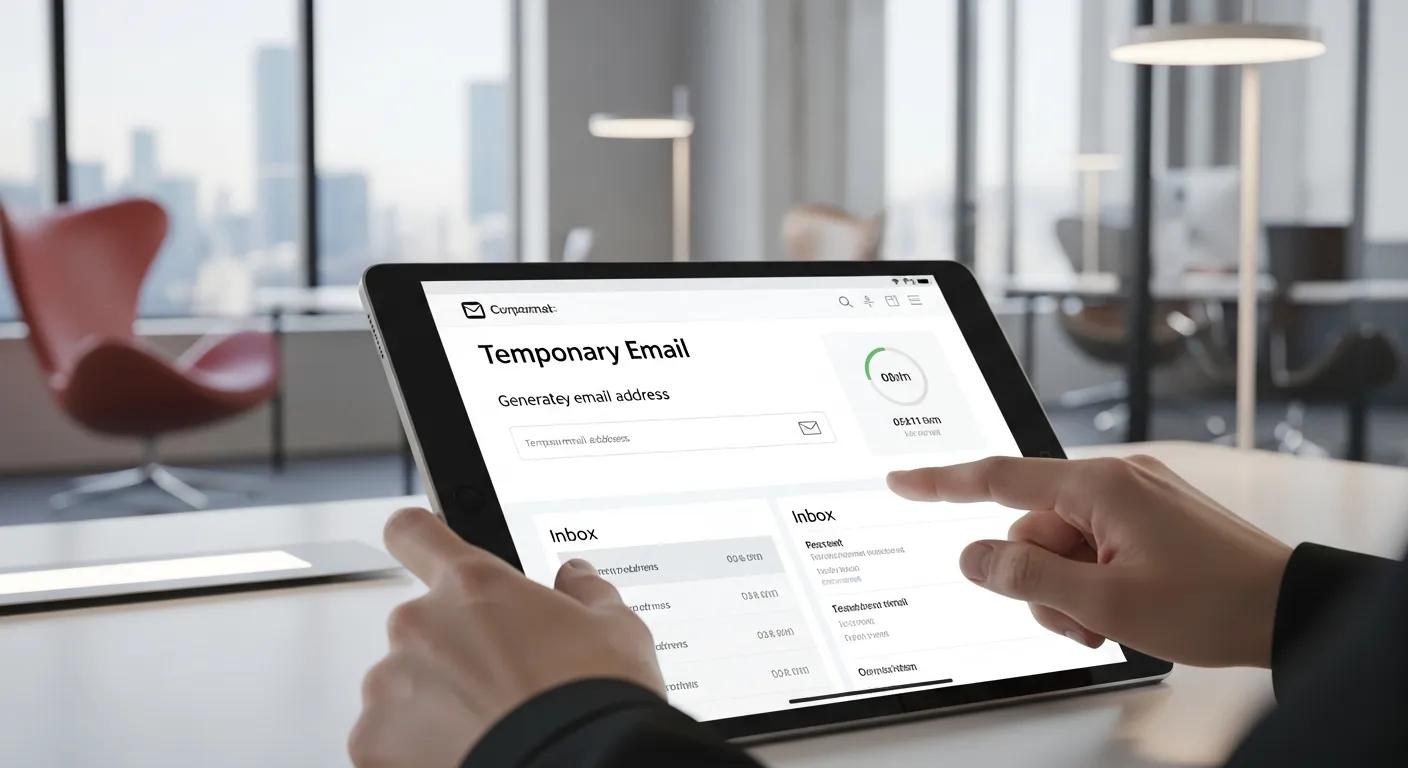
Creating a custom temporary email site offers several benefits. First, it provides complete control over the features and functionalities, allowing you to tailor the service to meet user needs. Second, it opens up monetization opportunities through ads or premium features. Lastly, a custom solution enhances privacy, as you can implement robust security measures to protect user data. This level of control and customization is often not available with free disposable email services.
Which Technologies and Scripts Are Best for Temporary Email Platform Development?
When developing a temporary email platform, choosing the right technologies and scripts is crucial. Various programming languages and frameworks can be utilized to create a robust and efficient service.
How to Choose Between PHP, Python, and Node.js for Your Temp Mail Site?
Selecting the right programming language depends on your specific needs. PHP is widely used for web development and is easy to learn, making it a good choice for beginners. Python offers powerful libraries for handling email and data processing, while Node.js is excellent for real-time applications due to its non-blocking architecture. Each language has its pros and cons, so consider your team's expertise and the project's requirements when making a decision.
What Are the Top Scripts and APIs for Building Disposable Email Services?
Several scripts and APIs can facilitate the development of a disposable email service. Popular options include:
- Mailgun: An API for sending and receiving emails, ideal for handling email delivery.
- Mailinator: A public disposable email service that provides a public inbox system but does not offer an API for private disposable email integration.
- Temp Mail: Offers a simple API for generating temporary email addresses.
These tools can streamline the development process and enhance the functionality of your temporary email website.
How to Set Up and Host Your Own Disposable Email Server Securely?
Setting up a disposable email server requires careful planning and execution to ensure security and reliability.
What Are the Hosting Requirements and Domain Setup for Temp Mail Sites?
To host a temporary email site, you need a reliable hosting provider that supports email services. Look for providers that offer dedicated IP addresses and good uptime guarantees. Additionally, you will need to register a domain name that reflects your service. This domain will be used for creating email addresses, so choose a name that is easy to remember and relevant to your service.
How to Configure Email Server Components: MX Records, SMTP, and IMAP?

Configuring your email server involves setting up MX records, SMTP, and IMAP protocols. MX records direct email to your server, while SMTP is used for sending emails. IMAP allows users to access their emails from multiple devices. Follow these steps to configure your server:
- Set up MX records in your domain's DNS settings to point to your email server.
- Configure SMTP settings to enable email sending.
- Set up IMAP to allow users to retrieve their emails.
Proper configuration ensures that your temporary email service operates smoothly and securely.
What Are Effective Monetization Strategies for Temporary Email Websites?
Monetizing a temporary email website can be achieved through various strategies that align with user needs and preferences.
How to Implement Google AdSense and Affiliate Marketing on Your Temp Mail Site?
Integrating Google AdSense allows you to display ads on your site, generating revenue based on user interactions. To implement AdSense, sign up for an account, create ad units, and place the code on your website. Additionally, consider affiliate marketing by promoting relevant products or services. Choose affiliate programs that resonate with your audience, and incorporate links naturally within your content.
What Premium Features and Subscription Models Can Boost Revenue?
Offering premium features can enhance user experience and generate additional income. Consider implementing subscription models that provide users with benefits such as:
- Ad-free experience: Users can pay a monthly fee to use the service without ads.
- Increased storage: Offer additional storage for users who need to keep emails longer.
- Custom domains: Allow users to create email addresses with their own domains for a fee.
These features can attract users willing to pay for enhanced services.
Understanding the mechanics of subscription models can further illuminate their potential for generating consistent revenue.
Subscription Revenue Models for Online Platforms
Subscription model is a revenue model where customers have to pay some amount of fee for services and products provided by companies before they can use it. This payment can be done daily, weekly, monthly, quarterly or yearly. The development cycle for a sustainable subscription model begins with acquiring customers, deliver consistent, high-quality service, look for opportunities to upsell or cross-sell, work to retain users and reduce churn and rinse and repeat. The types of subscription include subscription boxes / curation, repeat purchases / replenishment and access models. The benefits of subscription model to business owners are recurring revenue, financial forecasting, better inventory management, good relationship with customers, and faster feedback loop.
Impact of Subscription Revenue Model on 21st
Century Businesses, VA Uwah, 2023
How to Ensure Privacy, Security, and Legal Compliance for Your Temp Mail Service?
Maintaining user privacy and security is paramount for any temporary email service. Implementing best practices and adhering to legal requirements will help build trust with your users.
What Are Best Practices for No-Logs Policies and Email Encryption?
A no-logs policy ensures that your service does not store user data, enhancing privacy. Implementing email encryption protects messages from unauthorized access. Use protocols like TLS for secure email transmission and educate users about the importance of privacy in their communications.
How to Comply with GDPR, CCPA, and Prevent Abuse on Your Platform?
Compliance with data protection laws such as GDPR and CCPA is essential. Ensure that your service provides users with clear privacy policies and options to manage their data. Additionally, implement measures to prevent abuse, such as rate limiting and monitoring for suspicious activity. This proactive approach will help maintain a secure and compliant service.
How to Design User-Friendly Interfaces and Maintain Your Temporary Email Website?
A user-friendly interface is crucial for attracting and retaining users on your temporary email website.
What UX and Mobile-First Design Principles Enhance Temp Mail Usability?
Adopting a mobile-first design approach ensures that your website is accessible on all devices. Focus on creating a clean, intuitive interface that allows users to navigate easily. Key UX principles include:
- Simplicity: Keep the design straightforward to avoid overwhelming users.
- Accessibility: Ensure that all users, including those with disabilities, can use your service.
- Feedback: Provide users with clear feedback on their actions, such as successful email creation.
How to Scale, Update, and Market Your Disposable Email Platform Effectively?
To grow your temporary email service, focus on scaling your infrastructure to handle increased traffic. Regularly update your platform with new features based on user feedback. Marketing strategies should include SEO optimization, social media promotion, and partnerships with relevant websites to reach a broader audience.
Different monetization strategies deliver distinct benefits through specific mechanisms.
| Strategy | Mechanism | Benefit | Impact Level |
|---|---|---|---|
| Google AdSense | Display ads | Revenue generation | High |
| Affiliate Marketing | Promote products | Additional income | Medium |
| Premium Features | Subscription model | Enhanced user experience | High |
This comparison demonstrates how various monetization strategies can effectively generate revenue while providing value to users.
Frequently Asked Questions
What are the common use cases for disposable email services?
Disposable email services are commonly used for various purposes, including signing up for newsletters, accessing trial services, and registering on websites without revealing personal email addresses. They are particularly useful for avoiding spam and maintaining privacy when engaging with online platforms. Users often utilize these services to protect their primary email from unwanted marketing communications or to create temporary accounts for one-time use, such as online shopping or event registrations.
How can I ensure the security of my temporary email service?
To ensure the security of your temporary email service, implement strong encryption protocols like TLS for email transmission and regularly update your software to patch vulnerabilities. Additionally, consider employing a no-logs policy to enhance user privacy and prevent data breaches. Regular security audits and monitoring for suspicious activities can also help maintain a secure environment. Educating users about safe practices, such as avoiding sharing sensitive information, further strengthens the overall security of your platform.
What are the potential challenges in running a disposable email service?
Running a disposable email service comes with several challenges, including managing spam and abuse, ensuring compliance with data protection laws, and maintaining server reliability. Users may misuse temporary emails for fraudulent activities, which can lead to blacklisting by other services. Additionally, keeping up with legal requirements like GDPR and CCPA can be complex. It's essential to implement robust monitoring systems and user verification processes to mitigate these challenges effectively.
How can I market my disposable email service effectively?
Marketing your disposable email service effectively involves a multi-faceted approach. Utilize SEO strategies to improve your website's visibility in search engines, and engage in content marketing by creating informative articles about online privacy and security. Social media promotion can help reach a broader audience, while partnerships with relevant websites can drive traffic. Consider offering incentives, such as free trials or referral bonuses, to encourage user sign-ups and word-of-mouth promotion.
What are the legal implications of offering a temporary email service?
Offering a temporary email service involves navigating various legal implications, particularly concerning data protection and privacy laws. Compliance with regulations like GDPR and CCPA is crucial, as these laws govern how user data is collected, stored, and processed. It's essential to provide clear privacy policies, obtain user consent for data usage, and implement measures to protect user information. Failure to comply can result in significant fines and damage to your service's reputation.
Can disposable email services be integrated with other applications?
Yes, disposable email services can be integrated with other applications through APIs. This allows developers to create seamless user experiences by enabling functionalities such as email verification, notifications, and account management. Integration with third-party services can enhance the overall utility of your platform, making it more appealing to users. Consider collaborating with developers to create custom solutions that meet specific user needs and improve service efficiency.
Conclusion
Building your own disposable email site not only enhances user privacy but also offers a unique opportunity for customization and monetization. By implementing the right technologies and strategies, you can create a service that meets the growing demand for online anonymity. Take the first step towards establishing your platform by exploring our comprehensive resources and guides. Start your journey today and empower users with a secure and efficient temporary email solution.