



Spot and Stop Jury Duty Scams
Getting a call that says you missed jury duty can be scary — especially when the caller threatens arrest or fines. A jury duty scam is a fraudulent phone call where criminals impersonate court officials or law enforcement to trick individuals into paying fines or revealing personal information, often under threat of arrest. These scams exploit fear and urgency, aiming to steal money or sensitive data from unsuspecting victims. This guide explains how these scams work, the deceptive tricks scammers use, and practical steps you can take to protect yourself. You’ll learn how to recognize a fake call, what to do if you get one, and how using a temporary email service like TempoMailUSA can lower your risk. The goal is simple: keep your data safe and know how to report suspicious activity.
What Are Jury Duty Scams and How Do They Work?
A jury duty scam is a fraudulent attempt to obtain money or private information by callers falsely claiming to be court officials or law enforcement. The scammer typically asserts that you have missed jury duty and must immediately pay a fine or face arrest. These criminals leverage high-pressure tactics and fear to compel individuals to act without verifying the claims.
What Common Tactics Do Jury Duty Scammers Use?

Scammers employ several predictable tactics to appear legitimate and pressure victims. Common methods include:
- Impersonating Officials: They pretend to be judges, court clerks, US Marshals, or police officers to sound authoritative and instill fear.
- Threatening Arrest or Fines: Scammers create extreme urgency by warning of immediate legal consequences, such as arrest warrants or hefty fines, if demands are not met.
- Asking for Sensitive Details: They may request Social Security numbers, bank account information, or other personal data under the guise of "verifying" your identity or processing a payment.
These tactics primarily depend on fear and confusion. Staying calm and independently checking the facts will usually expose the scam.
Consumer protection agencies consistently observe that this type of scam frequently involves impersonation and threats of arrest, a pattern widely documented by authorities.
Jury Duty Scam: Threats of Arrest & Impersonation
A recurring nationwide scam involves threats of arrest for missing jury duty. Scammers call while posing as US Marshals or other government officials to pressure victims into immediate action.
Which Officials Do Scammers Impersonate in Jury Duty Calls?
Scammers strategically choose roles that sound official to maximize intimidation and fear. Common impersonations include:
- Law Enforcement Officers: Callers may claim to be police officers or sheriff's deputies.
- Court Staff: They sometimes state they are calling directly from the local court.
- Other Legal Authorities: Titles like “court clerk” or “judge” are frequently used to intimidate and demand compliance.
Knowing who these scammers pretend to be helps you spot a fake call more quickly.
How Can You Identify a Fake Jury Duty Call?
Spotting a fake call requires recognizing specific red flags and understanding how legitimate jury summonses are handled.
What Are the Key Red Flags of a Jury Duty Phone Scam?
Watch for these critical warning signs that indicate a jury duty scam:
- High Pressure and Urgency: Scammers will relentlessly push you to act immediately, often claiming a narrow window to avoid severe penalties.
- Odd Payment Methods: Courts will never demand payment via gift cards, prepaid debit cards, wire transfers, or cryptocurrency. These are hallmark signs of fraud.
- No Official Mail: Legitimate jury summonses always arrive by official mail from the court, not through unexpected phone calls, emails, or text messages.
These clues make it straightforward to differentiate real notices from fraudulent attempts.
How Do Real Jury Summons Differ from Scam Calls?
| Aspect | Real Jury Summons | Scam Calls |
|---|---|---|
| Communication Method | Official mail from the court | Unsolicited phone calls, emails, or texts |
| Payment Requests | No payment required upfront; fines are handled through official court processes | Immediate payment demanded, often for "missed" jury duty |
| Verification Process | Can be verified by contacting the court directly using official contact information | No legitimate verification available; scammers provide fake contact details |
When in doubt, always contact your local court using phone numbers found on its official website — never use a number provided by the caller.
How Can Temporary Email Services Help Prevent Jury Duty Scams?
Temporary email services can significantly reduce the amount of personal data available to scammers. They allow you to use a disposable address for online sign-ups and registrations, ensuring your primary inbox isn’t exposed to lists that scammers might buy or scrape.
Why Is Email Protection Crucial Against Scam Targeting?
Your email address often serves as a gateway to other accounts and personal details. Using a temporary address helps you:
- Reduce Exposure: Limit the number of places where your real email address is stored and potentially compromised.
- Maintain Privacy: Keep your primary email address private and less discoverable by malicious actors.
- Control Communication: Easily discard a temporary email address if it starts receiving spam or suspicious messages, without affecting your main inbox.
This simple step lowers the chances that scammers can target you or sell your contact information to other fraudsters.
How Do Services Like TempoMailUSA Protect Your Information?
Services like TempoMailUSA provide free temporary email addresses to help protect your privacy and cut down on unwanted communications. With such services, you can:
- Create Disposable Emails: Generate one-off addresses for websites or services where you prefer not to give out your main email.
- Improve Security: Use temporary addresses when you don’t want long-term contact or your data stored by third parties.
- Reduce Identity Risk: Limiting where your real email appears lowers the chances of identity theft and exposure to data breaches.
Utilizing a service like TempoMailUSA is an easy, practical step to reduce the reach of scammers and protect your digital footprint.
What Steps Should You Take If You Receive a Jury Duty Scam Call?
If you suspect a jury duty scam, act quickly but calmly to protect your information and prevent further harm.
What Immediate Steps Should You Take to Protect Yourself?
Follow these steps if you receive a suspicious call:
- Do Not Engage: Do not provide any personal details, confirm information, or send money. Hang up immediately.
- Write Down Details: Note the caller’s phone number, any name they used, and specific details of what they asked for or threatened.
- Verify Independently: Contact your local court directly using official contact information (from their website, not the caller) to verify whether the call was legitimate.
These actions help prevent scammers from achieving their goals and provide you with a record if you need to report the incident.
Where and How Can You Report Jury Duty Phone Scams?
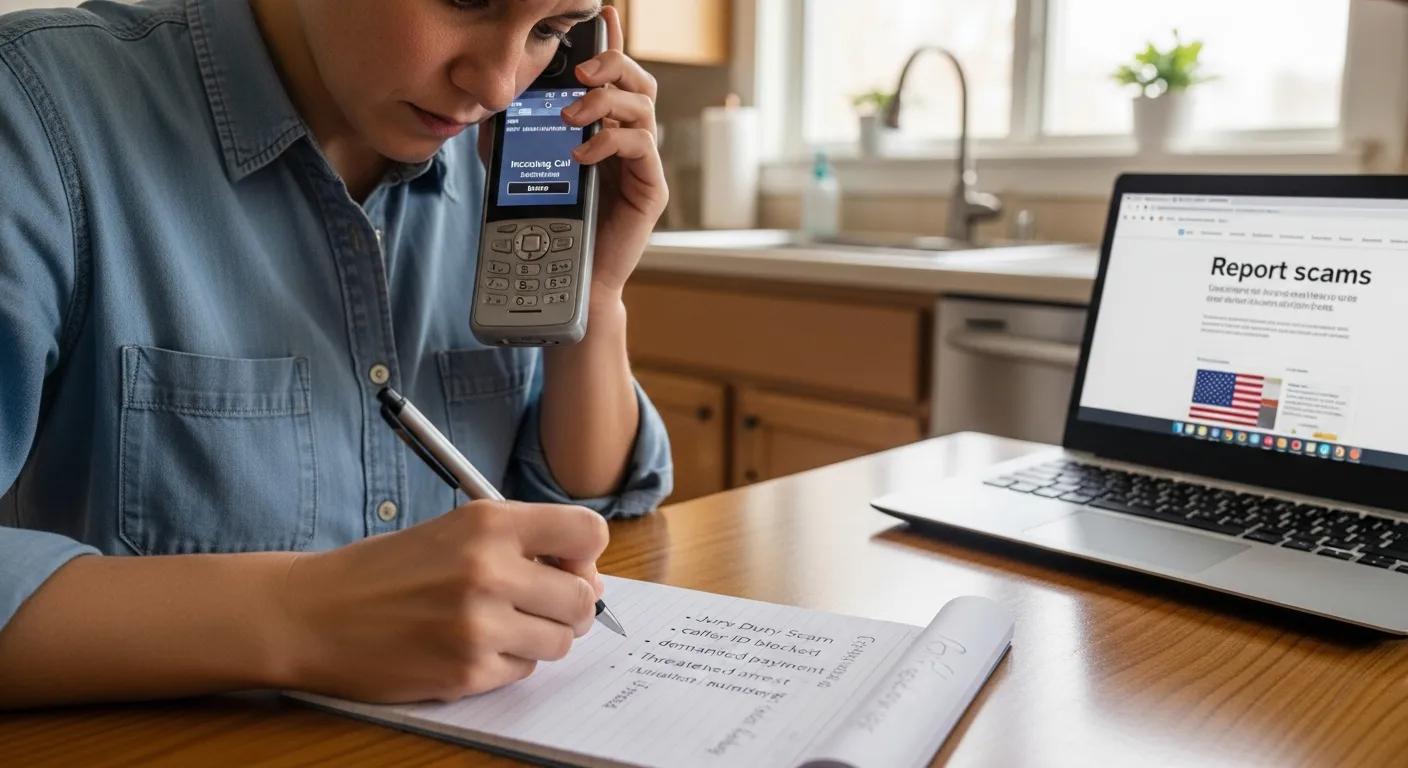
Reporting scams helps protect your community and aids law enforcement. You can report jury duty phone fraud to:
- The Federal Trade Commission (FTC): File an online complaint at ReportFraud.ftc.gov to help authorities track trends and patterns.
- Your Local Police: This is especially important if you have shared personal or financial information, or if you have suffered a financial loss.
- Your State Attorney General: Many state Attorney General offices have consumer protection units that accept fraud reports and can offer guidance.
Filing reports provides investigators with crucial leads and can prevent others from being targeted by the same schemes.
What Are the Latest Trends and Warnings for Jury Duty Scams?
Scammers continuously evolve their tactics, so staying informed is one of the best defenses. Current schemes still heavily rely on fear and often demand unusual, hard-to-trace payments.
Which Payment Methods Do Scammers Demand?
Common payment requests from jury duty scammers include:
- Gift Cards: Victims are instructed to purchase gift cards (e.g., iTunes, Google Play, Amazon) and then read the card numbers over the phone.
- Wire Transfers: Scammers insist on immediate wire transfers, which are notoriously difficult to reverse once sent.
- Cryptocurrency: Increasingly used due to its decentralized nature, making transactions difficult to track and recover.
If a caller ever asks for any of these payment methods, it is an almost certain sign of a scam.
Who Are the Most Vulnerable Targets and Why?
While anyone can be targeted, some groups are disproportionately affected by these scams:
- Older Adults: They may be less familiar with evolving scam tactics and often more likely to trust authority figures.
- Newer Immigrants: Unfamiliarity with the legal processes in a new country can make scam callers seem more plausible.
- People Less Comfortable with Technology: They may struggle to independently verify claims online or identify digital red flags.
Increased awareness and clear guidance for these groups can make a significant difference in prevention efforts.
Extensive data on telecommunication fraud indicates its widespread nature and significant financial impact, particularly on vulnerable populations. Analysis shows that a substantial portion of fraud originates from phone or electronic contact, with considerable financial losses attributed to telephone fraud annually.
Frequently Asked Questions
What should I do if I accidentally provided personal information to a scammer?
If you gave out personal data, act quickly. Contact your bank or credit card company to report the issue and closely monitor your accounts for any unusual activity. Place a fraud alert with a major credit bureau to make it harder for new accounts to be opened in your name. File a report with the FTC and notify local law enforcement so authorities can investigate.
How can I educate my family and friends about jury duty scams?
Start by sharing the common signs of these scams: impersonation, threats, and requests for unusual payment methods. Encourage them to verify any jury-related claims directly with their local court using official contact information and to never give personal information over the phone. Share simple resources and discuss what to do if they receive a suspicious call.
Are there any legal consequences for scammers who commit jury duty fraud?
Yes. Scammers can be charged with serious offenses such as fraud, identity theft, and impersonating a public official. Penalties vary by jurisdiction but can include substantial fines, restitution to victims, and significant prison time. Reporting scams helps law enforcement build cases and hold offenders accountable.
What resources are available for victims of jury duty scams?
Victims can turn to the Federal Trade Commission (FTC) for reporting and guidance on recovery steps. Local consumer protection agencies and legal aid groups can also offer assistance and next steps. Some states maintain fraud hotlines, and identity-theft services can assist with monitoring and recovery efforts.
How can I stay updated on the latest scams and fraud trends?
Subscribe to consumer alerts and updates from the FTC or your state consumer protection office. Follow reputable news outlets and consumer advocacy groups on social media. Community groups and online forums that focus on fraud prevention can also be useful for real-world reports and tips.
What should I do if I receive a suspicious email related to jury duty?
Do not click on any links or download attachments from suspicious emails. Carefully check the sender’s email address and compare it to official court contacts. Forward the message to your email provider’s abuse address and to the court’s official email to confirm its authenticity. If it’s a scam, report it to the FTC.
Conclusion
To effectively combat jury duty scams, remain calm, identify common red flags, and always verify claims directly with official court contacts. Utilize tools like temporary email services to protect your personal information, and promptly report any suspicious activity to the FTC and local law enforcement. Empowering yourself and others with this knowledge is key to preventing financial loss and identity theft.