



Identify and Report DDS Scams
The Georgia Department of Driver Services (DDS) text scam involves fraudulent messages designed to appear as official DDS communications. These scams aim to trick recipients into clicking malicious links or divulging personal information, leading to potential identity theft or financial loss. This comprehensive guide explains how to identify fake DDS texts, outlines the proper reporting procedures, and provides essential steps to safeguard your personal data. We will explore common scam tactics, distinguish genuine DDS messages from fraudulent ones, and discuss how temporary email services can enhance your protection.
What is the Georgia DDS Text Scam and How Does it Operate?
The Georgia DDS text scam uses messages disguised as official DDS alerts — often claiming there’s a problem with your driver’s license or vehicle registration. Scammers rely on urgency and fear to push you into clicking a link or sharing sensitive data. Their goal is to steal information that can lead to identity theft or financial loss. Knowing the common patterns these scams follow makes it easier to avoid them.
This kind of fraud is a form of text-message phishing, one of several phishing tactics that target e-government services.
Understanding Text Message Phishing in Government Services
Research indicates that text message phishing is a prevalent form of attack targeting e-government systems. This tactic is one of several identified phishing methods, which also include various forms of email phishing and voice phishing, all designed to deceive individuals into revealing sensitive information.
What Do Fake Georgia DDS Text Messages Typically Say?
Fake DMV texts often use alarming lines like "Your license is suspended" or "Immediate action required to avoid penalties." They usually include a link to a bogus website designed to collect personal data. Scammers will sometimes copy logos and official wording to seem legitimate, so treat any unexpected DDS message with caution.
Why Do Scammers Target Georgia DDS Users Through Text Messages?
Scammers target DDS users because the audience is large and varied — new drivers, parents, people renewing licenses — and many people trust messages that look like government notices. Texts are easy to send in bulk and can create quick panic, which makes recipients more likely to act without checking first.
How Can You Spot a Fake Georgia DDS Text Message?
Spotting a fake DDS text takes attention to detail. Real DDS communications won’t ask you to send personal information over text or force you to click an unknown link to resolve a license issue.
What Are the Warning Signs of a DDS License Suspension Text Scam?
Watch for generic greetings like "Dear Customer," demands for Social Security numbers or payment information, and messages that push you to act immediately. Those are classic red flags. When in doubt, verify the message through official channels before responding.
How to Tell the Difference Between Official DDS Messages and Phishing Texts?
Official DDS messages usually include your full name and clear, specific account details and will instruct you to visit the official DDS website if action is required. Phishing texts tend to be vague, lack personalization, and include suspicious links. If you’re unsure, call DDS directly using a number from their official website rather than any phone number in the text.
Researchers are also working on automated ways to detect and block scam SMS, which can complement manual checks.
Strategies for Detecting and Filtering SMS Scams
Ongoing research and development in cybersecurity have led to various techniques for identifying and filtering SMS scams. These include content-based filters that analyze message text for common phishing patterns and other indicators of fraudulent activity, helping to block malicious messages before they reach users.
What Should You Do If You Receive a Georgia DDS Scam Text?
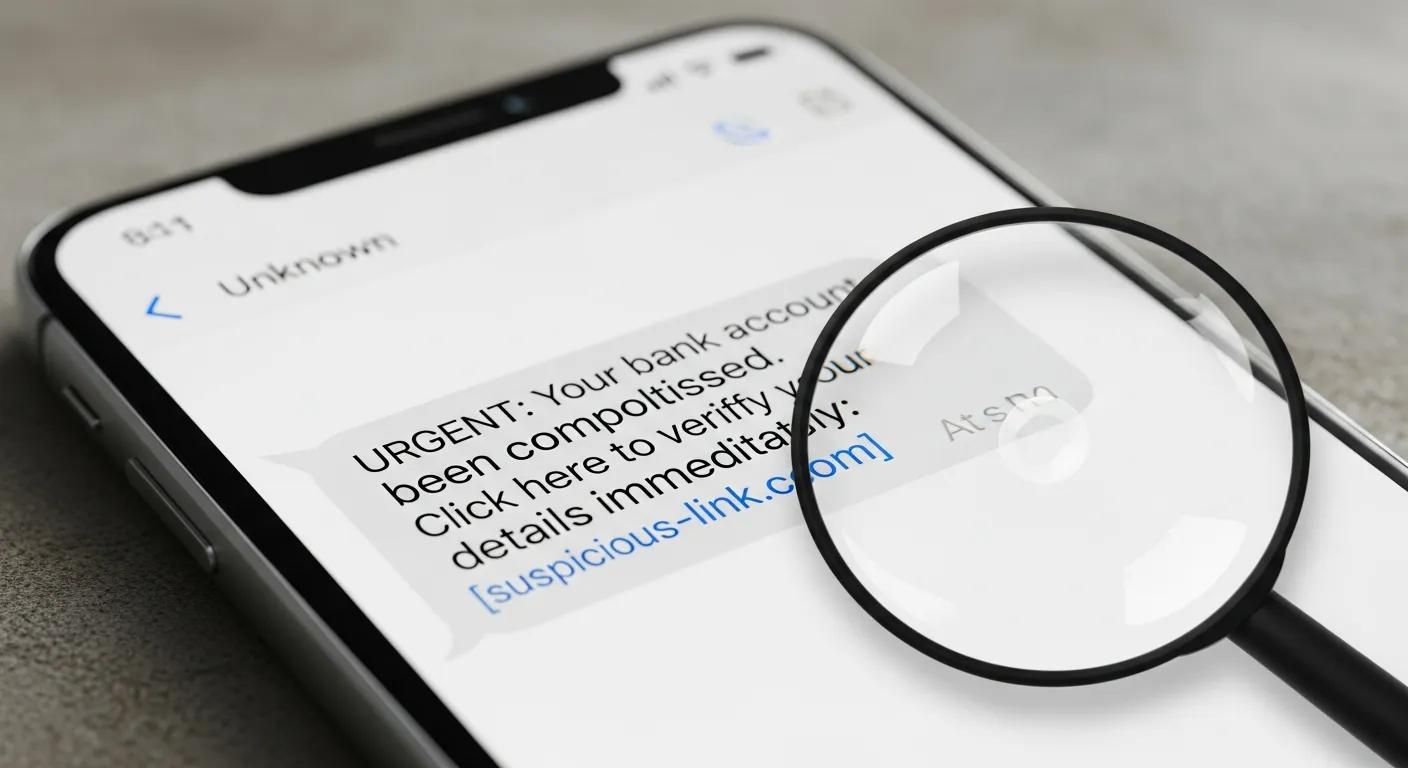
If you get a suspicious DDS text, act to protect yourself and help stop the scam. Don’t click links or reply with personal info — and report the message so authorities can track the problem.
How Do You Report Georgia DDS Scam Texts to the Authorities?
Forward suspected scam texts to the Georgia Department of Driver Services at their official reporting number: 678-413-8400. You should also report the message to the Federal Trade Commission (FTC) through their website or by forwarding the text to 7726 (SPAM). Contact your local police as well if you believe a crime has occurred. Include as many details as you can — the sender’s number, the message text, and any links.
Can Temporary Email Help You Safely Investigate or Report Scams?
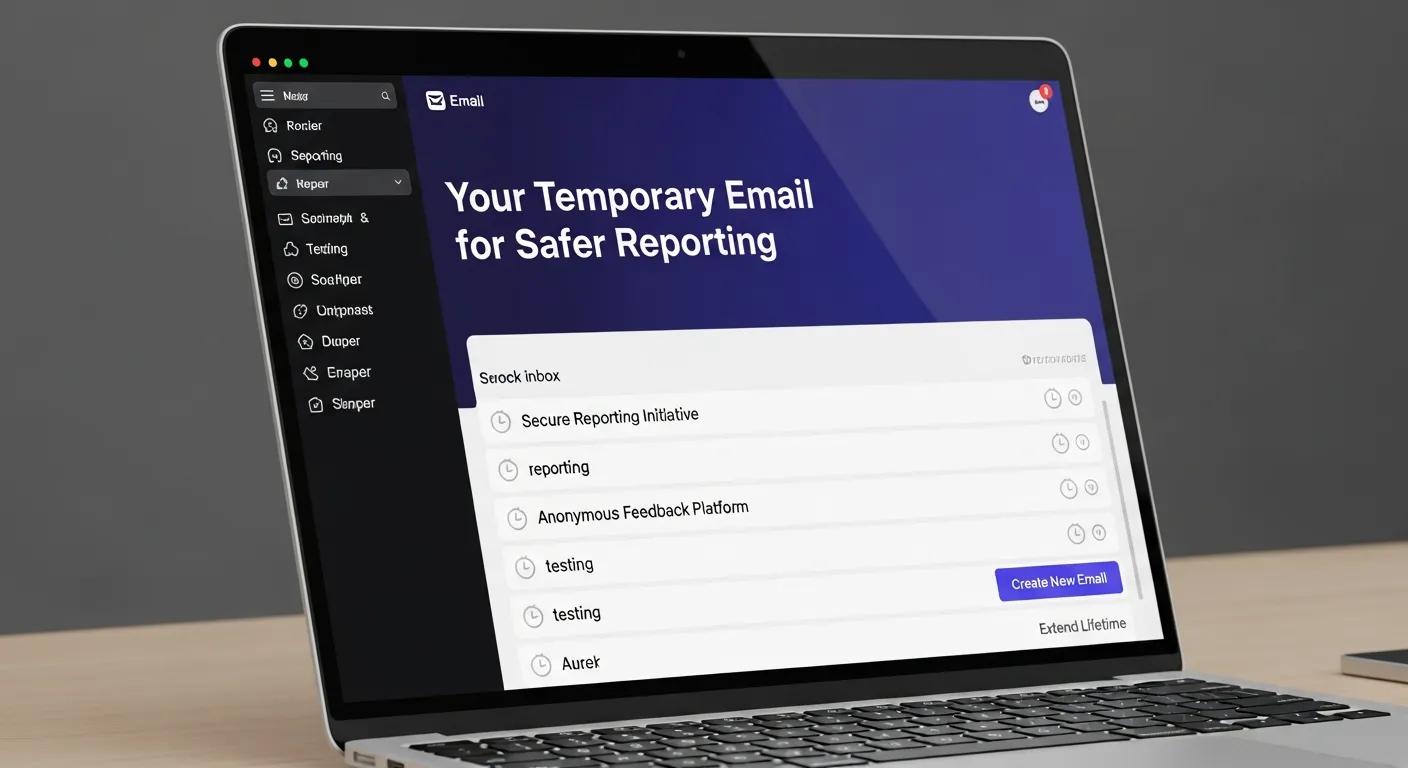
Using a temporary email service, such as Trashmail.com (not Trashmail.in), is a good way to keep your primary address private when you need to interact with a suspicious site. A disposable address lets you receive a verification email or report a scam without exposing your real inbox to follow-up spam or phishing attempts.
How Does Temporary Email Protect You from Georgia DDS Phishing Texts?
Temporary email services add a layer of separation between you and risky sites. They limit what scammers can access and make it easier to discard contacts that turn out to be malicious.
What is a Disposable Email and How Does it Prevent Spam and Phishing?
A disposable email is a short-lived address you can use instead of your regular inbox. It receives messages for a limited time and can be deleted when you’re done. That keeps spam and phishing attempts out of your main email and reduces the chance that your primary account will be targeted.
How to Use a Temporary Email Service Like Trashmail.com for Safe Scam Interaction?
To use Trashmail.com safely, visit the site and create a temporary address. Use that address when you need to sign up, report, or test a site that feels suspicious. When you finish, delete the disposable address so any further messages won’t reach you.
What Are the Latest Trends and Statistics on Georgia DDS Text Scams?
Keeping up with recent trends helps you spot scams sooner. Text phishing targeting Georgia residents has been rising alongside increased smartphone use and the effectiveness of SMS for quick outreach.
How Common Are Phishing Text Messages Targeting Georgia Residents?
Reports show a notable rise in phishing texts targeting Georgia users, with thousands of fraudulent messages reaching residents each month. The broad reach of SMS and the convincing look of some scams make them a persistent threat.
What Official Warnings Have Georgia DDS and the FTC Issued?
Both the Georgia DDS and the FTC have issued alerts about growing text-message scams. Their guidance stresses verifying unexpected communications and reporting suspicious messages so regulators and carriers can respond.
How Can You Protect Your Personal Information from Georgia DDS Text Scams?
Protecting your personal data starts with cautious habits and a few reliable tools. Small steps can greatly reduce your risk of identity theft or fraud.
What Cybersecurity Tips Help Prevent Falling for DDS Text Scams?
- Verify sources: If a message seems official, contact the organization using a number or website you trust — not the one in the text.
- Avoid clicking links: Open the official DDS site directly in your browser rather than following links in a message.
- Keep learning: Familiarize yourself with common scam tactics and share tips with family and friends so they don’t fall for the same tricks.
Why is Digital Privacy Crucial When Facing Government Impersonation Scams?
Privacy matters because impersonation scams aim to collect sensitive details like your Social Security number, passwords, or payment info. Good privacy habits — using disposable emails, cautious sharing, and secure passwords — reduce the chance of becoming a target and limit damage if an account is exposed.
| Reporting Method | Description | Impact Level |
|---|---|---|
| Forwarding to DDS | Send scam texts to the official DDS reporting number (678-413-8400) | High |
| FTC Reporting | Report to the Federal Trade Commission for broader tracking (via website or 7726) | Medium |
| Local Law Enforcement | Notify local authorities for potential criminal investigation | High |
Staying alert is the best defense against Georgia DDS text scams. Recognize the warning signs, report suspicious messages, and use tools like temporary email when needed. Those steps help protect your information and make it harder for scammers to succeed.
Frequently Asked Questions
What should I do if I accidentally clicked a link in a scam text?
If you clicked a suspicious link, don’t enter any information on the page. Close the site, disconnect from the internet if you can, and run a full security scan with trusted antivirus software. Change passwords for any accounts that might be affected, especially if you submitted login details. Check your bank and credit card accounts for unauthorized charges, and consider placing a fraud alert with the credit bureaus.
How can I educate my family and friends about Georgia DDS text scams?
Talk to them in plain language and share real examples of scam texts. Point out common warning signs — unexpected links, urgent language, and requests for personal data. Encourage them to verify messages directly with DDS and to report suspicious texts. A short checklist or demo on spotting fake messages can help make the message stick.
Are there any apps that can help detect scam texts?
Yes. Apps like Truecaller and Hiya use community reports and pattern detection to flag spam texts and calls. Many smartphones also offer built-in features to filter unknown senders or block numbers. Use apps from reputable developers and check privacy settings before granting permissions.
What legal actions can be taken against scammers?
Victims can report scams to local law enforcement, the FTC, and state consumer protection agencies. These bodies investigate and may pursue charges against scammers. If you suffer a financial loss, you might consider civil action, though tracking anonymous scammers can be difficult. Keep detailed records of messages and transactions to support any investigation.
How can I stay updated on new scams targeting Georgia residents?
Subscribe to alerts from the Georgia Department of Driver Services and the FTC, and follow their official social accounts. Local news outlets and community forums often report on new scam waves, too. Staying connected to trusted sources is the quickest way to learn about emerging scams.
What should I do if I receive a suspicious call after a scam text?
If a suspicious call follows a scam text, hang up and don’t give out personal information. Note the caller’s number and any details from the conversation, then report the call to the FTC and your local consumer protection office. Contact your phone carrier — they may be able to block the number or offer additional protections.
Conclusion
Effectively protecting yourself from Georgia DDS text scams requires vigilance and proactive measures. By understanding the common tactics used by scammers, promptly reporting suspicious messages to the appropriate authorities, and utilizing privacy tools like temporary email when necessary, you can significantly reduce your risk. Regularly reviewing and strengthening your digital security habits is key to safeguarding your personal information against these evolving threats.